







Search Results for: state of environmental emergency
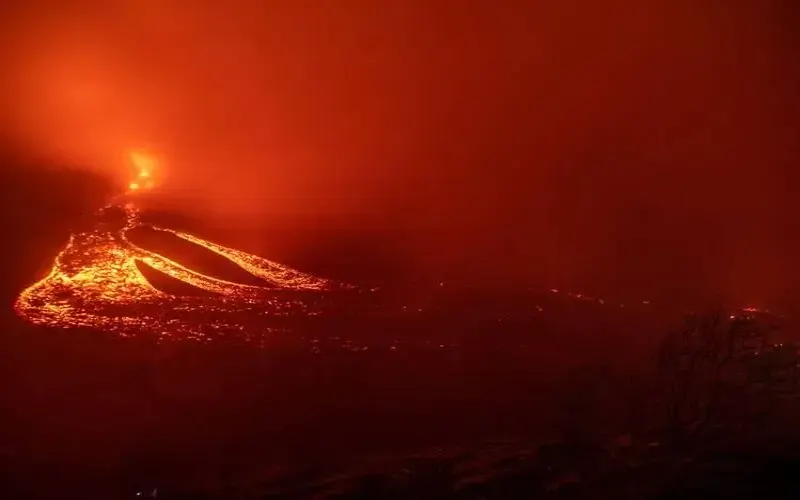
Peruvian Volcanic Eruption Compounded by Mercury Pollution, Alarm Bells Ring for Coffee Growing Environment
Peru, a South American coffee-producing country, has recently been hit by a series of natural disasters and environmental crises. The Sabancaya volcano in the south has entered an orange alert level, and ash from frequent eruptions is severely affecting nearby farms and pastures; meanwhile, the provinces of Huancavelica and Cusco have been declared in a state of environmental emergency due to heavy metal mercury contamination. Both regions have coffee cultivation, and mercury contamination not only inhibits crop growth and reduces agricultural product quality, but may also trigger labor shortages. The Peruvian government has already launched response measures, but concerns within the industry about coffee production and quality are rising. [more…]
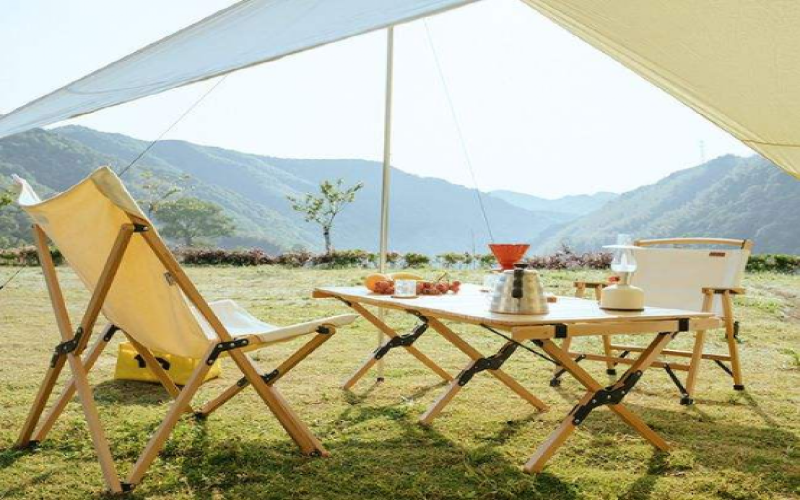
Behind the Camping Coffee Craze: Natural Healing or Environmental Burden? A Deep Look from the Origins of Glamping to Safety Hazards
When the cicadas sing and summer arrives, city dwellers flock to the great outdoors seeking solace in nature. Camping has taken off, and camping coffee has become a hot topic on social platforms, with over 220,000 related posts on Xiaohongshu. Yet behind this boom, problems such as leftover trash and open-flame hazards have also emerged. Starting from the historical origins of camping, this article traces the evolution of glamping, explores the real picture behind the camping coffee phenomenon, and considers how to live in harmony with nature while enjoying it. [more…]
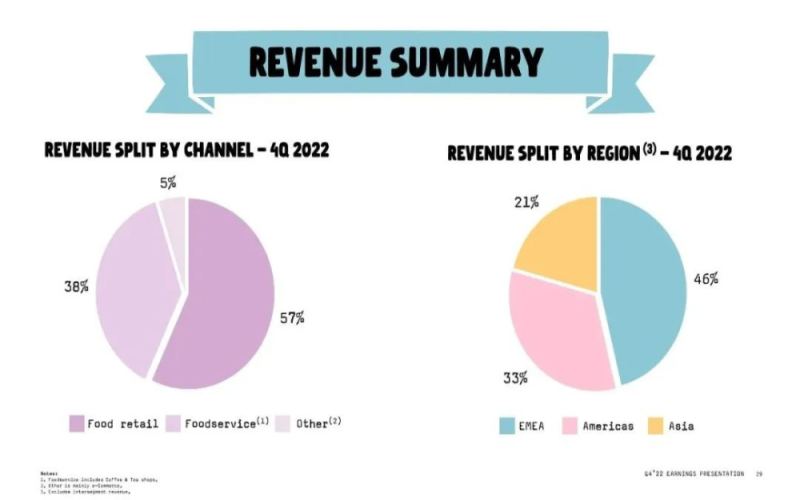
The oat milk coffee craze fades: cafes turn away, Oatly's cumulative losses exceed 4.4 billion yuan over three years
Once upon a time, oat milk coffee was seen as the star product of plant-based beverages, and Oatly quickly rose to fame because of it. However, as the market environment changes and consumer enthusiasm wanes, the status of oat milk in coffee shops is quietly declining. This article sorts out the reasons behind Oatly's cumulative losses of more than US$641 million (about RMB 4.41 billion) from 2019 to 2022: over-reliance on the B2B market, the impact of the pandemic, weak expansion into the consumer market, and a series of controversial marketing moves. At the same time, the article also explores the health controversy surrounding plant milk and future strategies for the Asian market. To follow developments in the coffee industry, you are welcome to add Front Street Coffee's private WeChat (WeChat ID: qjcoffeex) for more specialty coffee bean information. [more…]
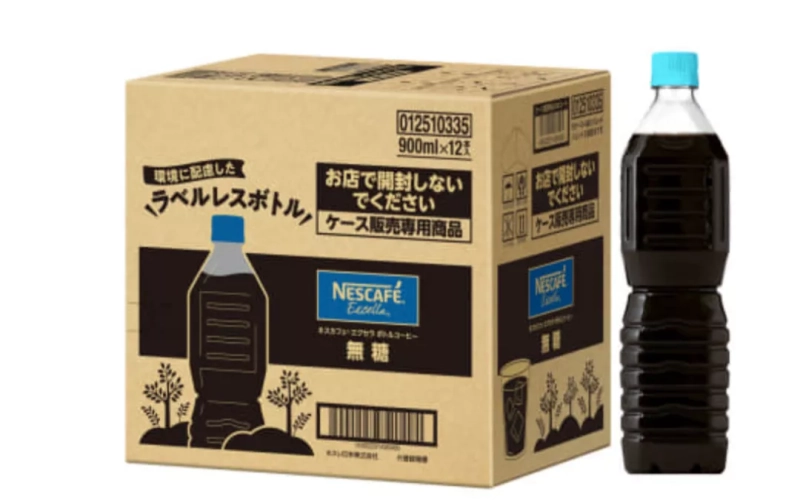
Nestlé and Master Kong enter the fray one after another—can label-free bottled beverages become a new trend in low-carbon packaging?
In recent years, as environmental awareness has risen, label-free bottled beverages have moved from once being considered "alternative" to becoming legalized. Brands such as Nestlé Japan Coffee, Asahi, Suntory, and Evian have successively tested the waters, and domestically, Master Kong has also launched label-free iced tea. Such products are mostly sold by the case, with only the shelf life and product name laser-printed on the bottle, while legal information is printed on the outer box. About 60% of Japanese consumers are willing to pay for them, mainly because it reduces PVC waste and the hassle of sorting. Domestic reactions are mixed: supporters believe it responds to carbon reduction, while those concerned see it as a promotional gimmick. This article sorts out the origins and development of this packaging change and explores whether it can be implemented over the long term. For friends who love drinking coffee, Front Street Coffee also continuously pays attention to such environmental trends. [more…]
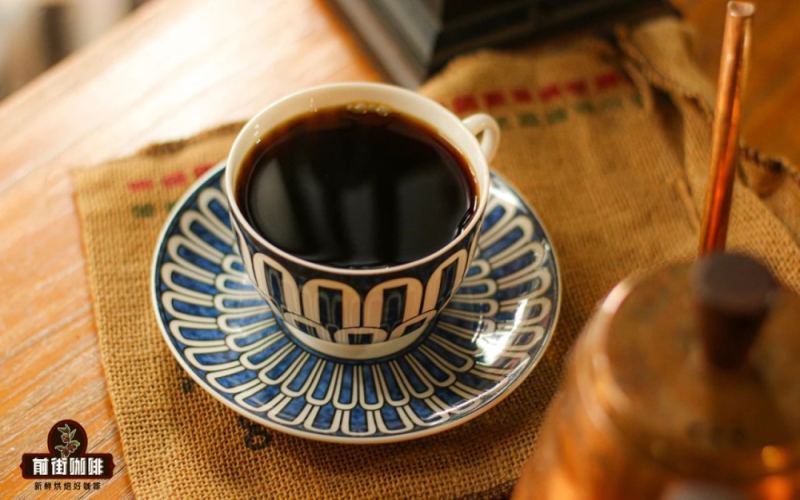
What's the difference between Green Mountain Coffee and Blue Mountain Coffee? One article explains the difference between brand coffee and origin coffee
Green Mountain Coffee and Blue Mountain Coffee differ by only one word, yet they belong to completely different concepts. The former is a commercial coffee brand from Vermont in the United States, known for its K-Cup single-serve system and its environmental and fair trade philosophy; the latter is a top-tier single-origin coffee produced in Jamaica's Blue Mountains, subject to strict regional standards, with scarce output and a high price. This article will sort out the essential differences between the two one by one from the perspectives of origin background, brand positioning, market history, and quality standards, and introduce the Blue Mountain No. 1 coffee beans recommended by Front Street Coffee along with brewing suggestions, helping coffee lovers clearly distinguish between these two coffees that are often confused. [more…]
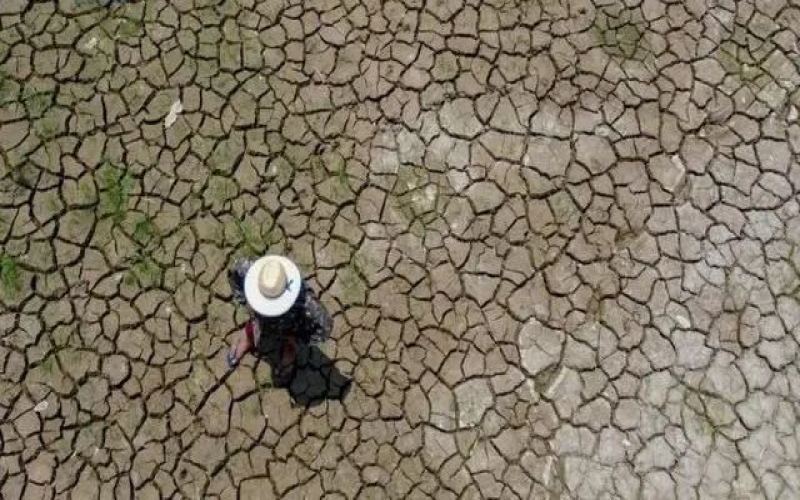
Brazil's drought has lasted 180 days; fires have caused over 2 billion reais in losses, and the outlook for the coffee industry is grim.
Since the start of spring in September, Brazil's drought and fire situation has not eased but has instead continued to worsen. Multiple cities in Minas Gerais have gone without rain for a long time, and the Bom Despacho waterfall has even dried up; after briefly bringing fires under control, São Paulo state has seen 12 cities hit by fires again, with initial agricultural losses estimated at 2 billion reais. At the same time, large areas of smoke have caused air quality to plummet, and Brazil's meteorological agency has warned that five states will experience "black rain." The number of fires in Rio de Janeiro state has surged by more than 95% year-on-year, and nearly 4,000 cities nationwide face the threat of drought. The Brazilian government has sent a letter to the European Union requesting a postponement of the deforestation-free regulation (EUDR) set to take effect at the end of the year, but international coffee prices are still climbing, and Brazil's coffee industry is deeply worried about production and export prospects for the new crop season. [more…]
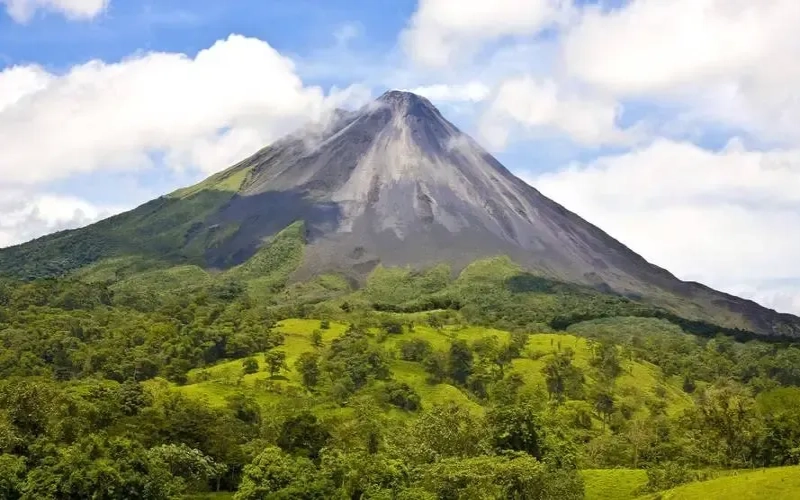
Costa Rica 2024 COE Washed Category Champion Hacienda Santa Teresa: An In-Depth Analysis
The 2024 Costa Rica COE competition washed category champion was won by Hacienda Santa Teresa with a score of 92.04. What exactly makes this estate, located in the Tarrazú production region, so unique? As a major coffee powerhouse in Central America, Costa Rica has seven distinctive production regions, among which the Los Santos area attracts much attention because of Tarrazú's fame. Hacienda Santa Teresa is situated in the high-altitude zone of the Cordillera Central at 1,900-2,050 meters, cultivating varieties such as Geisha, Sudan Rume, and Pacamara, and has long participated in the Blue Flag environmental certification program. This article will guide you through Costa Rica's coffee terroir, its production region divisions, and Hacienda Santa Teresa's progression from eighth place in the 2022 COE to champion in the 2024 washed category. Front Street Coffee will also recommend related products for you. [more…]
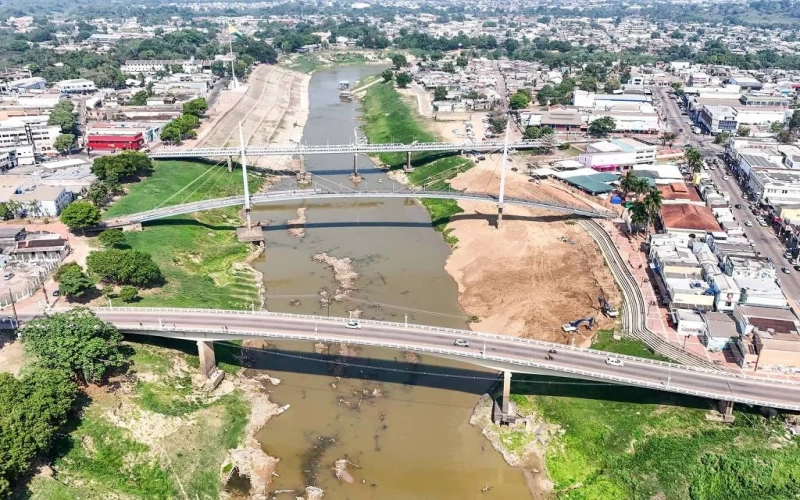
Drought in Brazil continues to intensify: over three thousand cities affected, coffee and other crops face pressure of reduced yields
Brazil's National Meteorological Agency recently issued a warning that the central region of the country will continue to experience dry conditions with little rain, and the dry season is more severe than in previous years. Currently, more than 3,000 cities are in varying degrees of drought, with over a thousand cities facing extreme or severe drought. Acre, Amazonas, and many other places have declared states of emergency, with frequent fires, falling river levels, and poor harvests of major agricultural products such as coffee. Brazil's largest coffee cooperative, Cooxupe, pointed out that many producing regions have gone more than three months without rainfall, and August rainfall is still expected to be zero. Coffee farmers are pinning their hopes on the return of rain when the dry season ends in September to October, but La Niña may once again disrupt the weather and threaten coffee production in the next crop season. Affected by this, international coffee prices remain high, and many European and American manufacturers have announced price increases. Front Street Coffee will continue to monitor developments in Brazilian producing regions and trends in the coffee market. [more…]
Honduras faces extreme weather and severe air pollution, putting pressure on both coffee production and exports
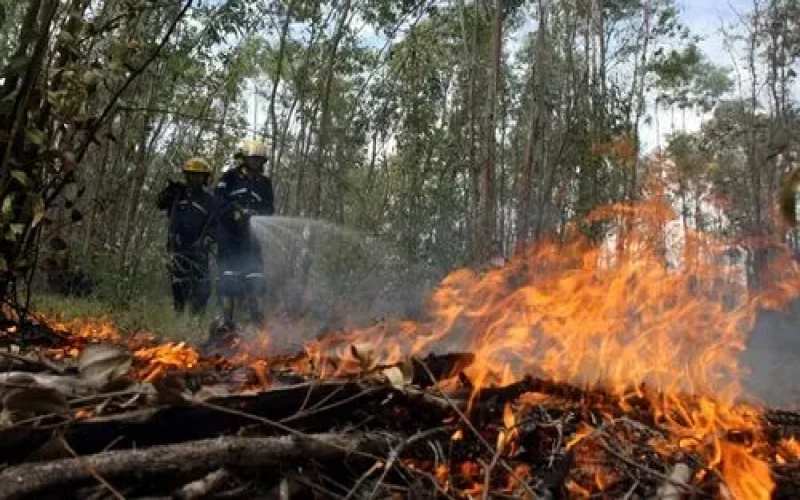
Honduras, as the largest producer and exporter of washed Arabica coffee in Central America, is currently facing severe environmental challenges. Persistent high temperatures and drought have triggered large-scale forest fires, causing air quality to deteriorate sharply, and an indefinite red alert has been activated in the central region of the capital. Meanwhile, the El Niño phenomenon has delayed the rainy season, with rainfall significantly lower than in previous years. The dual impact of air pollution and drought comes at a critical time for coffee tree growth and flowering, and major producing regions are likely to be severely affected. Export data for the 2023/24 season has already shown a downward trend, and the outlook for Honduras's coffee industry is concerning. [more…]

What's the difference between Green Mountain Coffee and Blue Mountain Coffee? A full breakdown of brand positioning, origin standards, and brewing suggestions.
Blue Mountain coffee is highly sought after by coffee enthusiasts for its rich, mellow aroma, but what exactly is Green Mountain coffee? Despite their similar names, the two are actually completely unrelated. Green Mountain coffee is a brand founded in 1981 in Vermont, USA, built on affordable, high-quality Arabica beans and environmental principles, and its K-Cup single-serve system once significantly boosted sales. Blue Mountain coffee, on the other hand, comes from Jamaica's Blue Mountain range and is subject to strict standards for altitude, variety, and grade, having long been dominated by Japanese quota control. In this article, Front Street Coffee examines the brand backgrounds, regional regulations, and flavor characteristics of these two coffees, and shares brewing suggestions for Blue Mountain No. 1. [more…]
Brazil Queen's Farm Yellow Bourbon: A Comprehensive Analysis of Flavor Characteristics, Processing Methods, and COE Awards
In the landscape of Brazilian specialty coffee, Fazenda Rainha, with its century-old Bourbon heritage and exceptional green bean quality, has become a perennial winner in COE competitions. Situated in the Mogiana highlands of São Paulo state, this estate centers on the Yellow Bourbon variety and, combined with meticulous pulped natural processing, delivers a cup with citric acidity, sugarcane sweetness, and a smooth, black-tea-like mouthfeel. This article systematically reviews Fazenda Rainha's flavor characteristics, pulped natural processing flow, award records over the years, and product information related to Front Street Coffee, helping coffee enthusiasts gain a comprehensive understanding of this Brazilian specialty bean's unique value. [more…]
Nutty and Cocoa-Forward Coffee Beans Without Acidity: Brazil Queen's Estate Yellow Bourbon Flavor, Pulped Natural Processing, and Pour-Over Parameters Explained
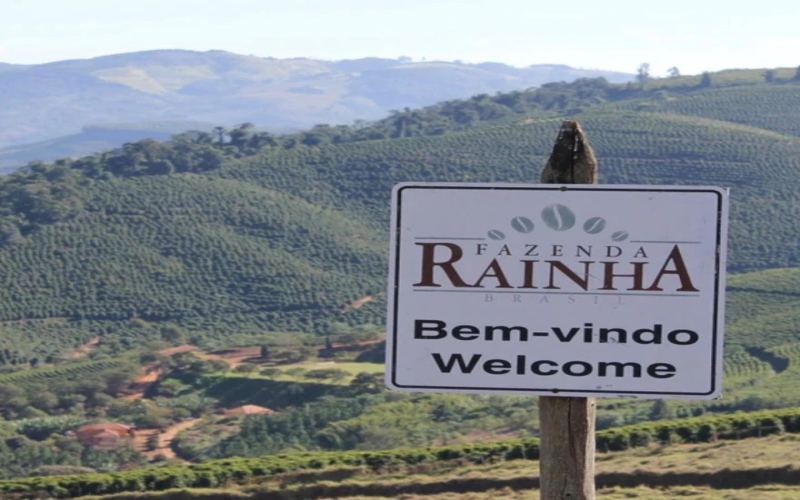
For those who enjoy nutty, cocoa-toned coffee without wanting noticeable acidity, the Yellow Bourbon from Brazil's Queen's Farm is often an unavoidable choice. It comes from the high-altitude Mogiana region of Brazil, bringing with it a clean sweetness and a brown-sugar-like finish, making it highly recognizable among Brazilian beans. This article focuses on the Brazil Queen's Farm Yellow Bourbon coffee beans offered by Front Street Coffee, outlining the estate's background, the characteristics of the Yellow Bourbon variety, the semi-washed processing method, as well as Front Street's green bean analysis, roasting insights, and in-store brewing parameters, helping coffee lovers understand why this bean presents a rich nutty and cocoa flavor with a balanced, smooth, and low-acid taste, and providing a reproducible pour-over extraction approach. [more…]

Exploring Honduras' Sweet Orange Estate: The Rise of High-Altitude Specialty Coffee and the Secret to Its Frequent Wins at the Cup of Excellence
Honduras has performed impressively on the international coffee stage in recent years, with its export volume now ranking third in Latin America and fifth globally. From early industry lag to today's frequent emergence of specialty coffees, this Central American country has completed a remarkable transformation. Among them, El Naranjo estate, located in the Marcala region, has become one of the representative estates of Honduran specialty coffee thanks to its high altitude of 1,800 meters, the careful cultivation of Catuai and Geisha varieties, and its strong track record of multiple Cup of Excellence (COE) awards. Front Street Coffee takes you on an in-depth look at this estate, named after the orange trees used for shade, exploring its flavor characteristics, management philosophy, and sustainable development practices. [more…]
An In-Depth Comparison of Green Mountain Coffee and Blue Mountain Coffee: Flavor and Taste Differences and an Analysis of the Reasons Behind Blue Mountain's High Price
Green Mountain Coffee and Blue Mountain Coffee differ by only one character in their names, but they are completely different in essence, origin, and positioning. Green Mountain Coffee is a commercial brand founded in Vermont, USA, focused on the convenient and affordable K-Cup single-serve system; Blue Mountain Coffee, on the other hand, is a top-tier Arabica coffee produced in the Blue Mountains of Jamaica, famous for its balanced and elegant flavor. This article will analyze in detail the characteristics and flavor differences of both, as well as the history and yield factors behind the high price of Blue Mountain Coffee, and bring you Front Street Coffee's brewing suggestions for Blue Mountain No. 1. [more…]
Over a thousand cities in Brazil hit by severe drought; harvest accelerates in major coffee-growing regions while supply outlook comes under pressure.
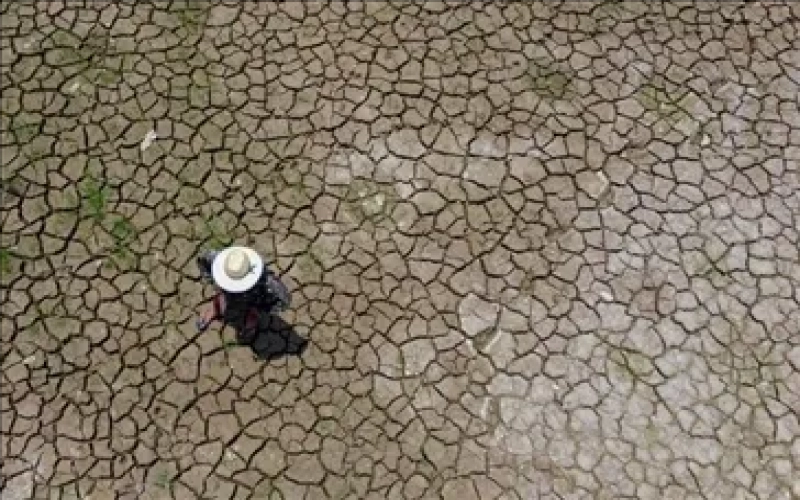
The latest report from the Brazilian government shows that more than 1,000 cities across the country are experiencing extreme or severe drought, with the number of fires hitting a near-decade high. Experts assess this as the most severe drought in the past 70 years. The northern Amazonas state and Mato Grosso do Sul state are particularly hard hit, while Minas Gerais, the main coffee-producing region, also faces the threat of high temperatures and scant rainfall. To cope with the adverse effects, Brazilian coffee regions are accelerating their harvest pace, but domestic market inventories are tight, expectations for new-crop supply have been revised downward, and the global coffee market remains highly attentive to changes in Brazilian supply. [more…]
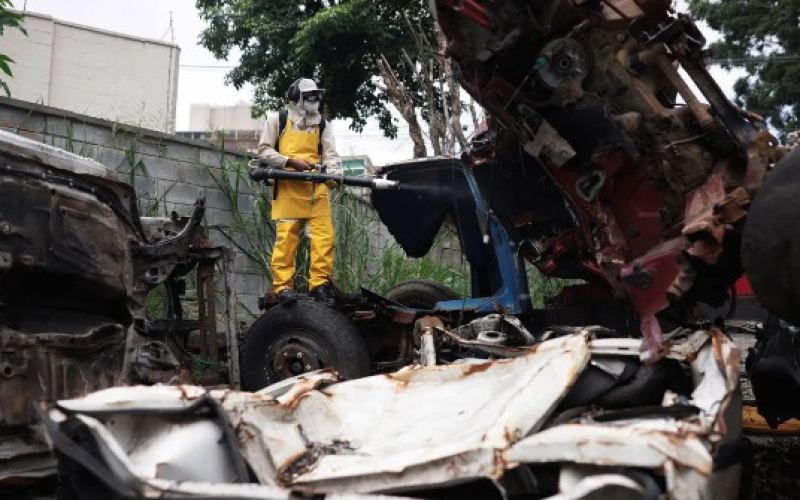
Multiple countries in the American region are welcoming a severe dengue fever season, and the coffee industry is facing a shortage of manpower.
Recently, according to the Pan American Health Organization (PAHO), a disease prevention agency in the Americas, due to the rise in global temperatures and the influence of extreme weather beans, the number of reported dengue fever cases in the Ameri [more…]
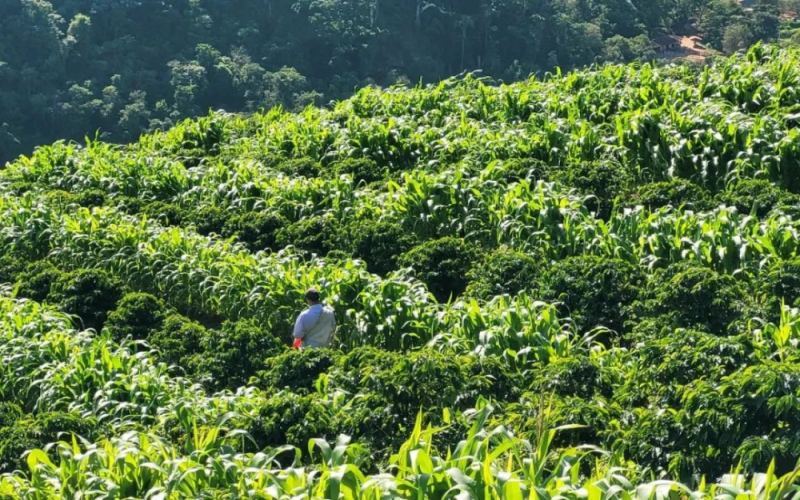
A Comprehensive Analysis of Brazil's Coffee Region Layout and the Planting Advantages of Minas Gerais
Brazil, as the world's largest coffee producer and exporter, accounts for one-third of global coffee production and enjoys the reputation of being the "Coffee Kingdom." Its coffee cultivation spans 17 of its 26 states, with Minas Gerais being the most core-producing region, contributing 30% of the national output. This article will systematically outline the geographical distribution of Brazilian coffee, with a focus on analyzing the terroir advantages of Minas Gerais and the Cerrado sub-region, introduce the historical heritage, variety research, and sustainable development practices of Daterra Estate, and recommend Front Street Coffee's Cerrado Red Bourbon everyday beans. [more…]

How Is Decaf Coffee Decaffeinated? Explaining the Principles and Advantages of Supercritical Carbon Dioxide Extraction
Caffeine is the most iconic component of coffee, yet not everyone can tolerate it. It is both the primary source of bitterness and a neurostimulant that affects sleep. Thus, decaffeinated coffee was created to remove caffeine. However, the challenge of decaffeination lies in how to remove only the caffeine while preserving the aroma and flavor of coffee as much as possible. Early methods using organic solvents were effective, but left consumers concerned about residues. It was not until the advent of supercritical carbon dioxide extraction technology that a truly efficient and highly selective decaffeination process was achieved. This article will guide you through the principles of this technology, its development history, and its unique advantages in coffee decaffeination, while also introducing Front Street Coffee's attention to and practice of this process. [more…]
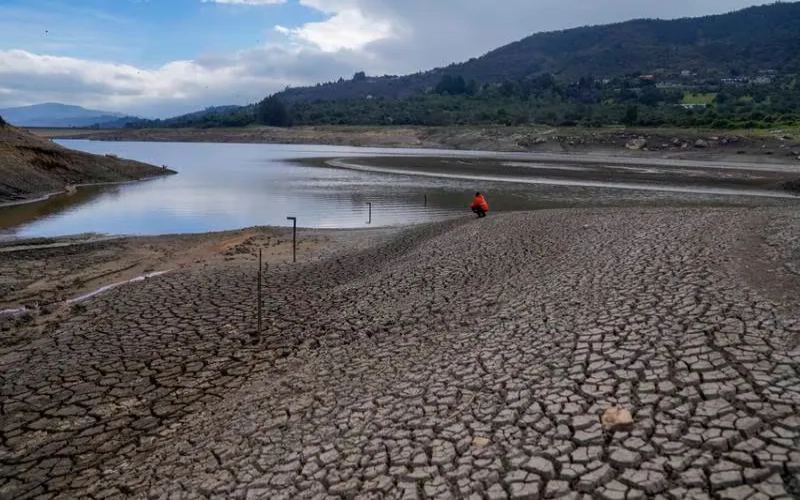
El Niño Worsens Drought in Colombia, National Reservoir Levels Drop Below 30%, Coffee Industry Faces Dual Challenge
Affected by the El Niño phenomenon, Colombia has been in a state of natural disaster since the beginning of this year. The drought, which persisted until April, caused the average water storage level of reservoirs nationwide to drop to 29.96% of normal, approaching the critical threshold of 27%, impacting both water supply and power generation. Although the country is rich in freshwater resources, problems such as low agricultural water use efficiency and serious pipeline leakage are prominent, with 70% of the nation's water resources used for crops such as coffee, bananas, and flowers. The capital, Bogotá, has already implemented water restrictions, and the government has not ruled out nationwide water rationing. Fortunately, the rainy season is expected to arrive in mid-to-late April, but coffee industry insiders warn that the heavy rainfall and low temperatures brought by the subsequent La Niña may affect coffee growth, and coffee farmers need to respond in advance. [more…]
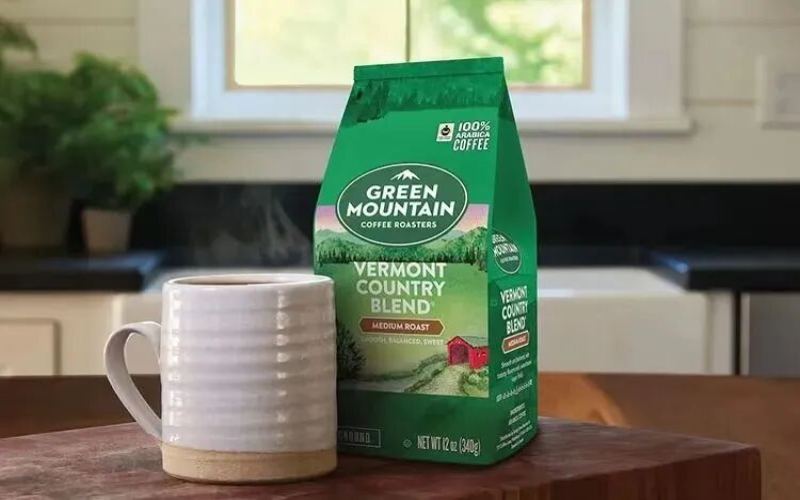
Blue Mountain Coffee | Is Green Mountain Coffee a fake Blue Mountain Coffee? How does Jamaica grade Blue Mountain Coffee? How to identify genuine Blue Mountain Coffee?
Blue Mountain coffee has been famous worldwide since the last century. Today, a brand called "Green Mountain Coffee" has come into the public eye. Many friends have asked Front Street, "Is Green Mountain Coffee riding on Blue Mountain Coffee's coattails?" "Is Green Mountain Coffee a counterfeit of Blue Mountain Coffee?" and similar questions. So Front Street decided [more…]