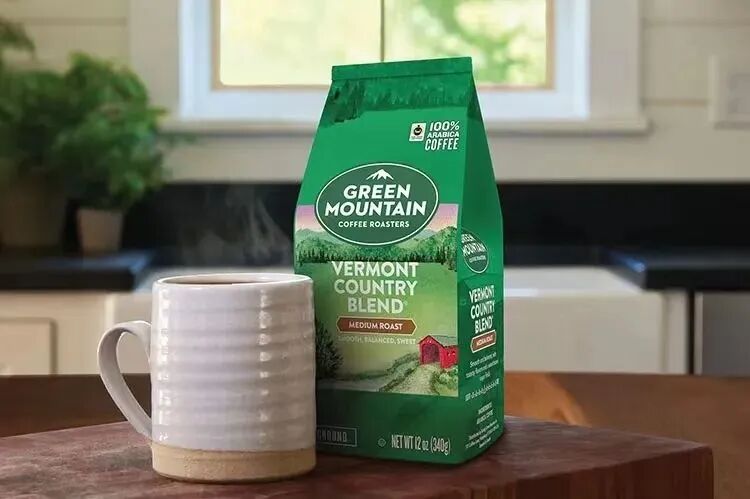
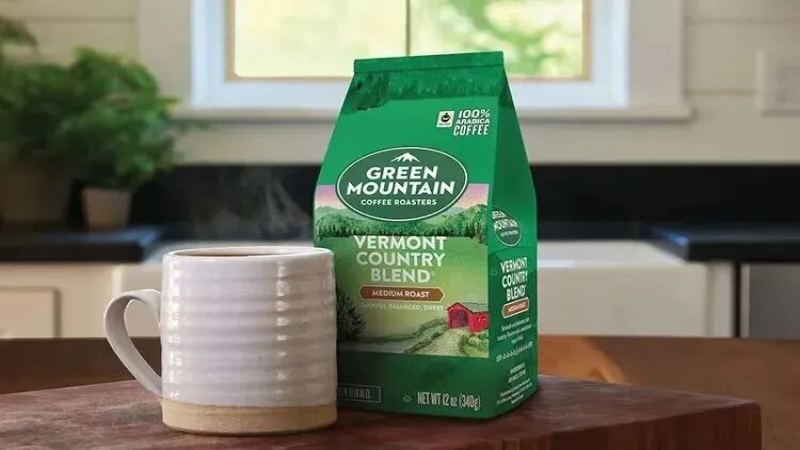
Blue Mountain coffee became world-famous as early as the last century. Today, a brand called "Green Mountain Coffee" has come into the public eye. Many friends have asked Front Street questions like, "Is Green Mountain Coffee riding on Blue Mountain Coffee's fame?" and "Is Green Mountain Coffee a fake Blue Mountain Coffee?" So Front Street has decided to explain the differences between Green Mountain Coffee and Blue Mountain Coffee.Green Mountain Coffee is not a coffee bean!Green Mountain Coffee is not a type of coffee bean, but a coffee brand. Green Mountain was founded in the United States in 1981, headquartered in Vermont, listed on NASDAQ in 1993, and acquired by a German consortium for 13.9 billion USD last December. Green Mountain Coffee(Green Mountain Coffee Roasters)'s valuation grew from 100 million USD to 15 billion USD, not because of its annual coffee sales of 12,000 tons, but because of its 16 million coffee machines after its transformation. Green Mountain Coffee initially focused on roasting coffee beans. The founder set a three-step strategy: the first step was to move from the low-end consumer market to the high-end consumer market, selling high-quality Arabica coffee beans. The second step was to establish an environmental stewardship committee, using environmental protection and social responsibility practices to enhance the brand's visibility and reputation. The third step was to improve production specialization to enhance the quality and consistency of coffee roasting.However, as the cost of raw coffee beans continued to rise, posing certain challenges to Green Mountain Coffee's business model, Green Mountain Coffee opened up a new blue ocean by producing Keurig(KEURIG)coffee machines and matching K-Cup coffee. The so-called "K-Cup" is a patented product of Green Mountain. It is a container that looks like a paper cup, with a smaller paper-cup-shaped infusion device inside that only allows liquid to pass through, sealed on top with aluminum foil to ensure the coffee aroma does not escape.Place the K-Cup into the Keurig coffee machine, press the button, and the pressurized water injection tube will pierce the aluminum foil lid and enter the filter cup, injecting hot water. The coffee machine precisely controls the water volume, temperature, and pressure to maximize the coffee aroma. No need to grind coffee beans, no need to weigh, no need to clean, no residue at the bottom of the cup, and a cup of coffee is ready in one minute. KEURIG can be called the "idiot-proof" product of the coffee world.
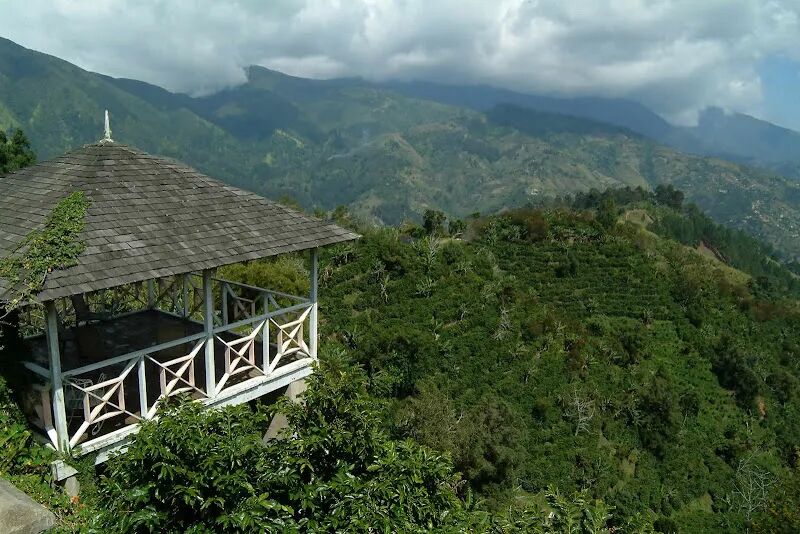
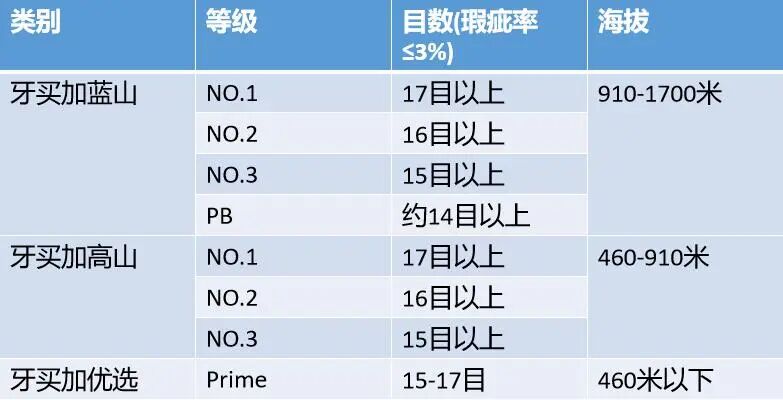
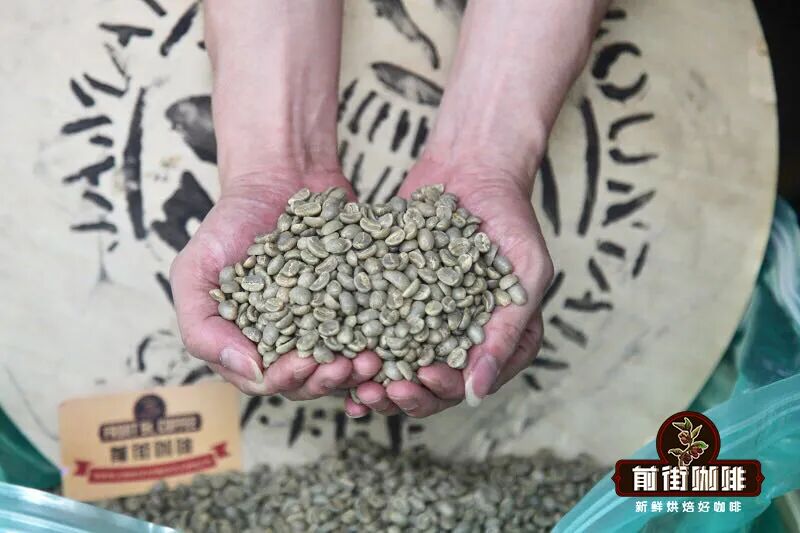
 Green Mountain Coffee does not make money from the machines. The KEURIG coffee machine sells for just over 100 USD, while the K-Cup is the real cash cow. A 24-count pack of K-Cups typically sells for 12 USD, which equals 0.5 USD per cup. Although the price is not high, volume is key. Currently, Green Mountain Coffee has a total installed base of 16 million units in American homes and businesses. Calculating at a consumption rate of one cup per day, the total annual consumption of K-Cups is about 6 billion cups.Green Mountain has applied for multiple K-Cup-related patents. With these patents, Green Mountain's K-Cups are open to all beverage companies. Green Mountain allows other coffee, tea, or hot cocoa producers to use K-Cup packaging on Green Mountain's KEURIG coffee machines. These companies must pay Green Mountain a licensing fee of 6 cents per cup. Therefore, apart from the very similar names, Green Mountain Coffee and Blue Mountain Coffee have almost nothing to do with each other. Blue Mountain coffee beans are also renowned far and wide for their reputation.The Rise of Blue Mountain CoffeeBlue Mountain is a mountain range located in the eastern part of Jamaica. Originally during the British colonial period, the then-Governor Nicholas Lawes obtained a coffee tree from the Governor of Martinique, and thus Jamaica began coffee cultivation. However, over the following 200-plus years, Jamaicans did not place much emphasis on coffee cultivation, and Jamaican coffee remained mediocre.It was not until 1932 that the Jamaican government decided to encourage coffee cultivation to reduce dependence on another cash crop, sugarcane. Jamaica's focus on coffee was on improving quality, not increasing yield. This was reasonable, because the Blue Mountain range is small in area—even if production doubled, it would still be less than a fraction of that of major coffee-producing countries. Developing high-quality coffee was Jamaica's only way forward.In 1953, the Jamaica Coffee Industry Board, specifically tasked with coordinating coffee affairs, formulated the standards for Blue Mountain coffee for the first time, laying the foundation for the high quality of Blue Mountain coffee in the future.First, the Board defined "what qualifies as真正的 Blue Mountain coffee." It is not simply coffee beans grown in the Blue Mountain range. Only Arabica Typica coffee from four producing areas at elevations of 910–1,700 meters—St. Andrew, St. Mary, St. Thomas, and Portland—can be called Jamaica Blue Mountain coffee. The total area of these four producing regions is only 6,000 hectares. Coffee grown at elevations of 460–910 meters is called "Jamaica High Mountain," and below 460 meters is "Jamaica Supreme." Compared with Blue Mountain coffee, both quality and price decrease accordingly.Blue Mountain coffee also has grade classifications, from highest to lowest:Blue Mountain No.1, the top-grade Blue Mountain coffee, screened with S-17/18 screens, with fewer than 2% defective beans.Blue Mountain No.2, screened with S-16/17 screens, beans slightly smaller than Blue Mountain No.1, with fewer than 2% defective beans.Blue Mountain No.3, screened with S-15/16 screens, beans smaller than No.2, with fewer than 2% defective beans.Blue Mountain Peaberry (or Blue Mountain P.B), over 96% round peaberry beans, with fewer than 2% defective beans. This is actually a specially selected bean. Many people believe this grade is actually above No.1, while others believe it is between No.1 and No.2.Blue Mountain Triage (also translated as Blue Mountain Blend), a mix of the above four, with fewer than 4% defective beans. In fact, these are beans that did not pass through the screens.Purchasing and Identifying Blue Mountain CoffeeFront Street has seen many online claims like "All Blue Mountain has been bought up by the Japanese" and "There is no real Blue Mountain in China." Front Street just wants to say, "My friend, times have changed." If this statement were made over a decade ago, it would be correct, but in 2025 today, things have already changed dramatically.
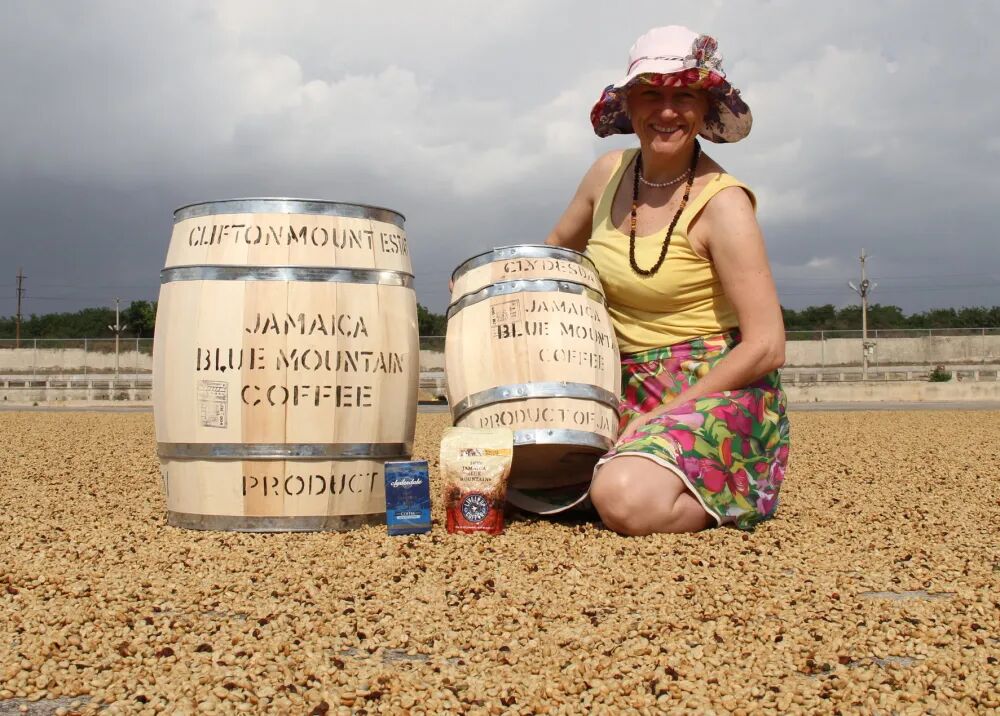
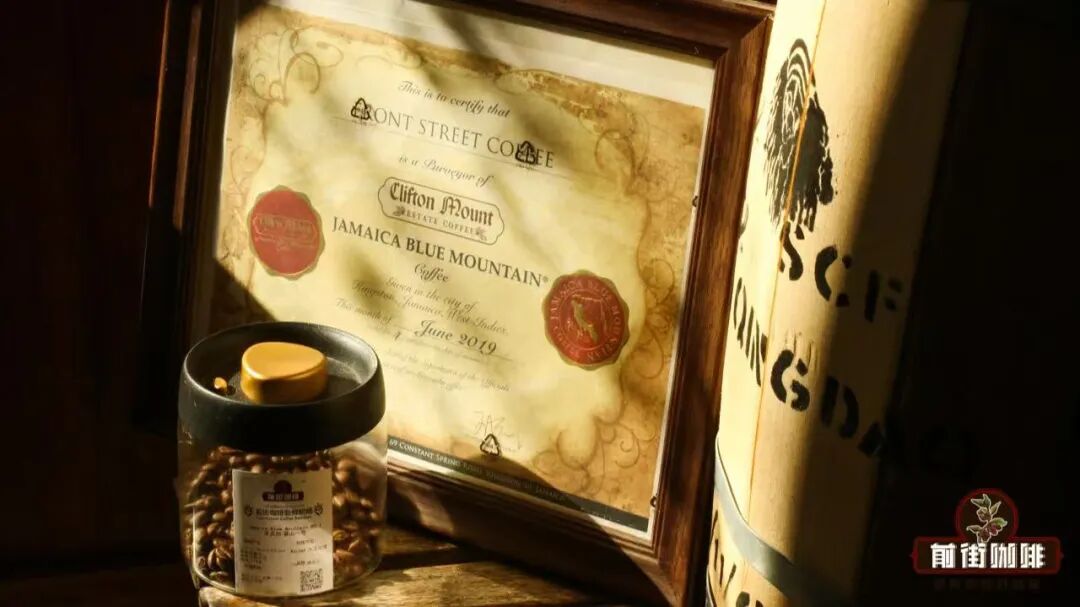
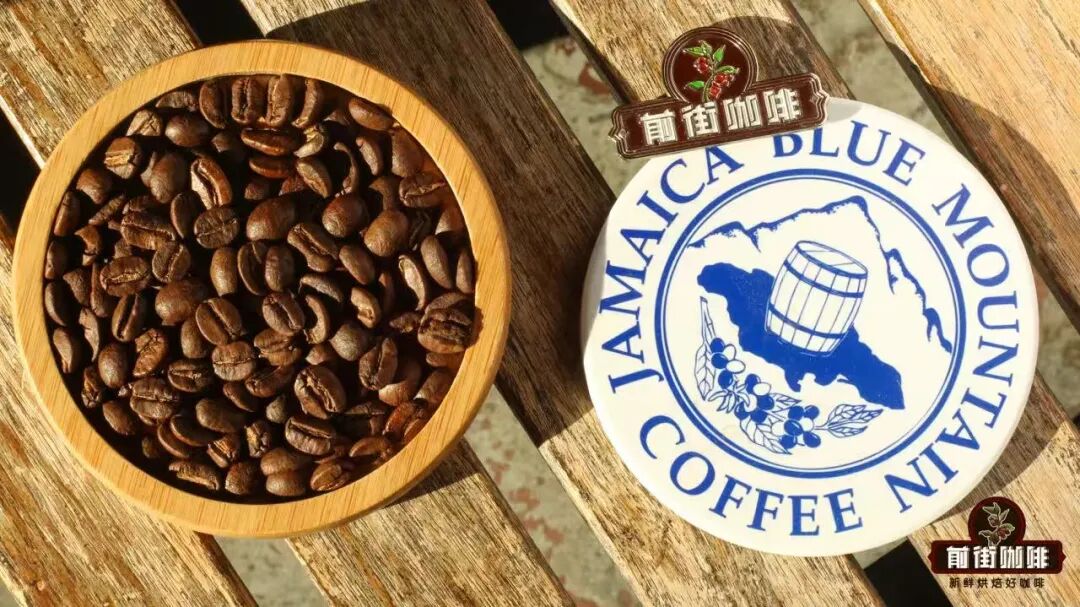
 First, let's talk about why Blue Mountain coffee was all bought up by the Japanese. In 1969, Jamaica suffered a severe hurricane disaster, and the plantations suffered heavy losses. The Japanese company UCC provided substantial aid that revived the Jamaican coffee industry. In return, Jamaica signed an agreement with Japan in 1972, allocating 90% of Blue Mountain coffee quotas to Japan, with Europe and the United States each receiving 5%. Thus the saying that Japanese people bought up the vast majority of Blue Mountain coffee has persisted to this day. However, although Japan monopolized the Blue Mountain coffee market, not all Blue Mountain was sold in Japan's domestic market. Some was sold at a premium to other places, such as South Korea, or China's Hong Kong and Taiwan. At that time, some private channels emerged that brought genuine Blue Mountain coffee from China's Hong Kong and Taiwan to the mainland, but such Blue Mountain was priced astronomically and basically unaffordable for ordinary people.Until before 2010, mainland China did not have a quota to purchase Blue Mountain coffee directly from Jamaica. After the 2008 economic crisis, Jamaica tried to break away from dependence on a single coffee buyer. Coinciding with the expiration of the agreement with Japan, Blue Mountain coffee bean quotas gradually opened up to more countries. According to media reports, in July 2010, the Hangzhou Coffee and Western Cuisine Association was invited to visit Jamaica and signed a letter of intent for cooperation as the sole general agent for Blue Mountain coffee green beans in China. In May 2011, the first container of Blue Mountain coffee green beans arrived at Ningbo Port. This should be the first time Blue Mountain coffee beans officially entered the mainland Chinese market. Since then, mainland China has received Blue Mountain coffee arriving via direct flights from Jamaica every year. So claims like "China has no real Blue Mountain" are already old news.Blue Mountain coffee is exported in wooden barrels, which is also the most distinctive packaging method worldwide. Currently, there are two specifications: 70kg large barrels and 15kg small barrels. Front Street purchases Blue Mountain coffee beans from Clifton Farm in original barrels every year.Clifton Farm is one of the farms with a relatively long history of growing Blue Mountain coffee in Jamaica, and it is also the only farm in the Blue Mountain region certified by the Rainforest Alliance. Original-barrel Blue Mountain coffee beans imported through official channels come with a certification certificate from Clifton Farm, used to prove that these are Blue Mountain coffee beans from Clifton Farm. When purchasing Blue Mountain coffee beans, everyone can pay attention to whether they are in original wooden barrel packaging and whether there is certificate authentication.
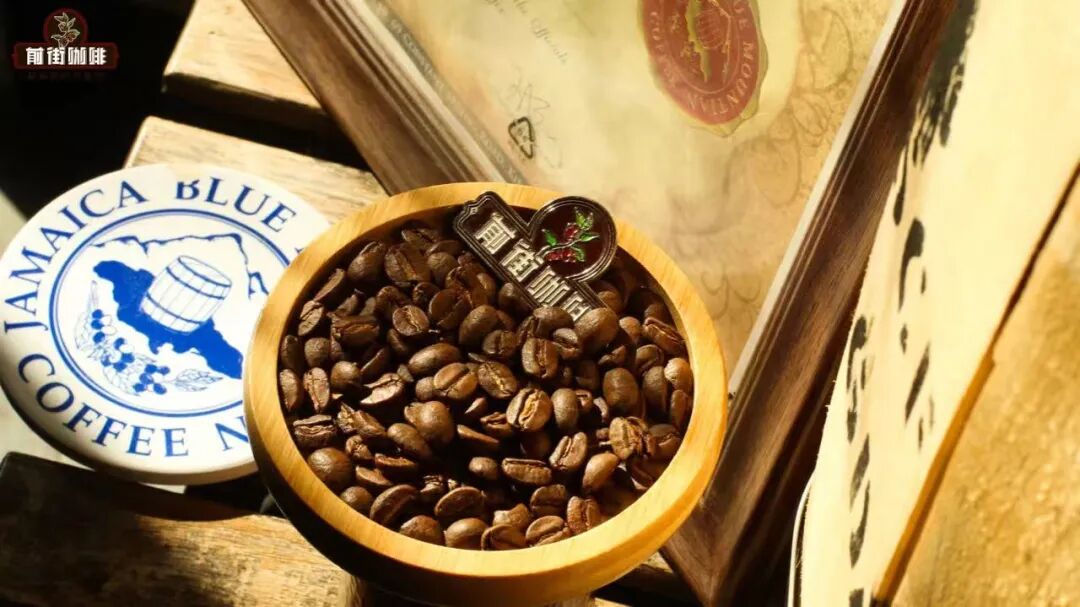
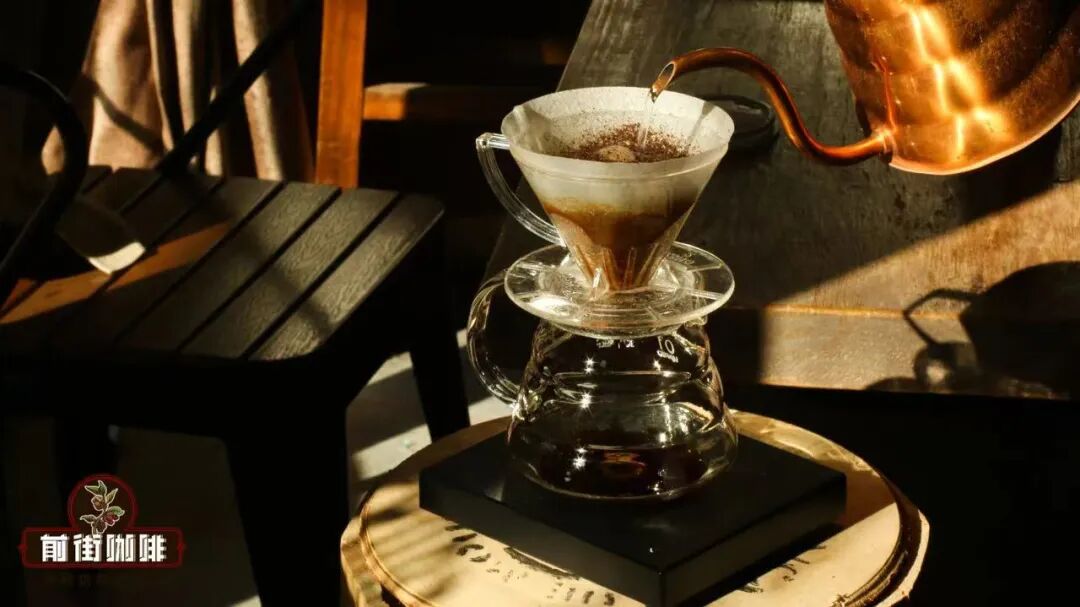
 Blue Mountain coffee beans are of the Typica variety, an excellent Arabica variety. Thanks to Jamaica being an isolated small island, the Typica coffee variety's genes remain pure. Traditional Blue Mountain coffee beans use the washed process. The washed process was the latest processing technology 200 years ago. Compared with the natural process, the washed process delivers higher quality, better bean appearance, and a cleaner taste.When roasting Blue Mountain coffee beans, Front Street uses a medium-dark roast to highlight Blue Mountain's balanced acidity, sweetness, and bitterness, as well as its full-bodied characteristics.Specific roasting record: 500g green beans, roaster is Yangjia 600n semi-direct fire.Charge at 165°C drum temperature, power 130, damper set to 3; turning point at 1'32", at 95.8°C drum temperature, power unchanged; at 3 minutes adjust damper to 4, at 4 minutes increase power to 140. At 153.3°C drum temperature, the bean surface turns yellow, the grassy smell completely disappears, and the dehydration phase begins. At 8'36", ugly wrinkles and dark patches appear on the bean surface, and the toast smell clearly turns into coffee aroma, which can be defined as the prelude to first crack. At this time, listen carefully for the sound of first crack. First crack starts at 10'06". After first crack, develop for 3 minutes and drop the beans at 198.5°C.Front Street Coffee Brewing Suggestions for Jamaica Blue Mountain No.1 Coffee BeansFront Street recommends using freshly roasted coffee beans for brewing, as this allows you to experience the coffee's rich flavors to the greatest extent.Dose 15g, water temperature 87°C, water-to-coffee ratio 1:15, medium grind (75% passing a Chinese standard No. 20 sieve).First, pour 30ml of water and bloom for 30 seconds. For the second stage, pour in a small stream in a circular motion until 125ml, then stop. When the liquid level drops to the point where the coffee bed is about to be exposed, continue to the third stage, pouring until 225ml to finish extraction. Total extraction time (including blooming) is 2'00".Blue Mountain No.1 coffee flavor: At high temperature, Blue Mountain No.1 coffee enters with a dark chocolate aroma, very full-bodied, with a clear almond-like sweetness returning. As the temperature drops, roasted hazelnut and creamy sweetness become silky, accompanied by a hint of gentle acidity and caramel sweetness, with the aroma lingering in the mouth.
The above content is compiled by CoffeeHunters, a coffee news website.