







Search Results for: tech

Luckin Coffee's New York store faces complaints for refusing cash: Can a self-proclaimed tech company bypass regulatory constraints?
Recently, a Reddit post about Luckin Coffee's New York store refusing to accept cash payments sparked heated discussion. The poster claimed that the staff argued Luckin is a tech company rather than a coffee company, and therefore is not bound by local regulations requiring food retail businesses to accept cash, and the person involved called 311 on the spot to file a complaint. Both of Luckin's New York stores use a cashless system, supporting only the official App or online payments such as Apple Pay and PayPal. Some netizens worry that this practice is out of step with local consumption habits and may also raise privacy concerns, but others believe that Luckin's stores are merely pickup points for online orders and may not necessarily constitute a violation of the law. Front Street Coffee will continue to follow the developments of this incident. [more…]

Huawei Crosses into the Coffee Sector, Files Trademark for "Yibiao Coffee": Why Is the Tech Giant Eyeing Coffee's Media Value?
The coffee industry has become a popular field for various giants to compete in laying out their presence in recent years, with catering and non-catering enterprises entering the fray across sectors. According to Qichacha data, China has more than 320,000 coffee-related enterprises, with 15,000 new registrations annually. After Li-Ning, tech giant Huawei has also been reported to have applied to register the trademark "One Cup of Coffee Absorbs Cosmic Energy," classified under catering and accommodation, and is currently awaiting substantive examination. Unlike directly seizing market share, Huawei seems to place greater emphasis on coffee's connective function as a global medium, hoping to use it to attract younger groups. Ren Zhengfei once interpreted Huawei's spirit of openness with "a cup of coffee absorbs cosmic energy," and this trademark application continues that philosophy. Whether Huawei's advantages in the digital field can help it create new miracles in the coffee track is worth watching. [more…]
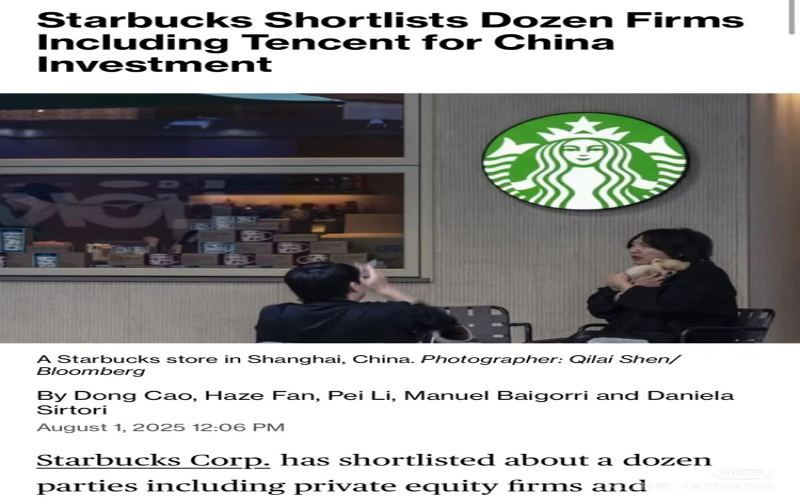
Starbucks China stake sale enters second round of screening, JD.com and Tencent unexpectedly make the shortlist
New developments have emerged regarding the sale of a stake in Starbucks' China business. According to Bloomberg, Starbucks has completed an initial screening of potential investors, with about several dozen institutions advancing to the second round of candidates. These include not only well-known private equity giants such as Boyu Capital, The Carlyle Group, KKR, and Hillhouse Capital, but also unexpectedly two Chinese tech companies, JD.com and Tencent. Starbucks CEO Niccol previously revealed on an earnings call that more than 20 prospective partners have expressed interest, and emphasized that the company still hopes to retain a substantial equity stake in its China business in the future. The core consideration in seeking partners is not capital, but how to position the Starbucks brand more favorably in the future. [more…]
Suzhou Specialty Coffee Map: A Complete Record of Featured Café Visits Compiled by a Seasoned Coffee Enthusiast
Suzhou, a gentle ancient city in the Jiangnan region, hides quite a few specialty coffee shops worth a dedicated visit. This article compiles a summary of shop visits from a veteran coffee enthusiast, covering more than seventy four- to five-star coffee shops across Gusu District, the Industrial Park, the High-Tech District, Wuzhong District, and beyond—from artsy little cafes to cat-themed coffee houses, from Korean-style chains to standalone buildings with Republican-era charm, each with its own distinctive setting, offerings, and story. Whether you're a coffee purist chasing pour-over quality or an artsy soul who favors ambiance, this list can help you find that perfect cup in Suzhou. [more…]

Xiaomi's Cross-Industry New Attempt: The World's First Xiaomi Coffee Shop Lands in Milan, Blending Smart Living with Italian Coffee Culture
When a tech brand meets coffee culture, what kind of sparks will fly? Xiaomi has opened its first global Xiaomi coffee shop in Milan, Italy. This space, named Xiaomi Cafe, not only offers coffee, light meals, and aperitifs, but also integrates Xiaomi's smart ecosystem into real home scenarios, allowing consumers to experience products in a relaxed atmosphere. From phones to cars, and now to coffee, Xiaomi's cross-industry strides are growing ever bolder. Is this café a new window for brand display, or a concrete expression of an intelligent lifestyle? Let's find out. [more…]
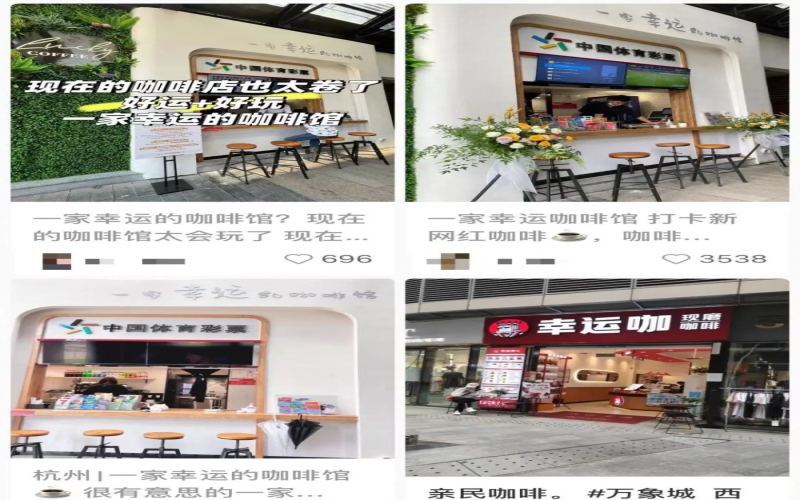
New Cross-Industry Play in the Coffee Arena: Lottery Partnerships, Brands Entering the Fray, and Ever-Intensifying Competition
Competition in the coffee market is becoming increasingly fierce, and it is already difficult to spark consumers' interest with just a latte or an Americano. From post office coffee to lottery joint stores, from sports brands to tech companies, players from all sides are entering the market, trying to attract young people's attention through cross-industry integration. A small shop in Hangzhou called "A Lucky Cafe" became popular on Xiaohongshu thanks to its combination of coffee and lottery tickets, sparking discussions among netizens about this kind of joint-operation model. In fact, as early as 2019, stores combining welfare lottery and coffee had already appeared in Shanghai. This model can not only bring consumers a fresh experience, but also help brands reduce rent and labor costs. This article will take you through the current state of cross-industry joint operations in the coffee industry and the logic behind them. [more…]
A Complete Analysis of Brazilian Coffee Regions, Flavors, and Bean Characteristics: Production, Origins, and Representative Varieties
Brazil is a major player in the global coffee landscape, with coffee farms found in half of its 26 states, but the main producing regions are concentrated in five states in the southeast: Bahia, Espírito Santo, Minas Gerais, Paraná, and São Paulo. Among them, Minas Gerais contributes nearly half of the country's total production and is further divided into four sub-regions with distinct terroir characteristics: Cerrado, Chapada, Matas, and Sul de Minas. Espírito Santo is an important stronghold for Robusta, São Paulo is home to premium producing areas such as the Port of Santos and Mogiana, Bahia has risen rapidly through high-tech cultivation, and northern Paraná focuses on Arabica. The following will examine each producing region one by one in terms of altitude, climate, representative varieties, and cup flavor, helping coffee enthusiasts build a systematic understanding of Brazilian coffee. [more…]
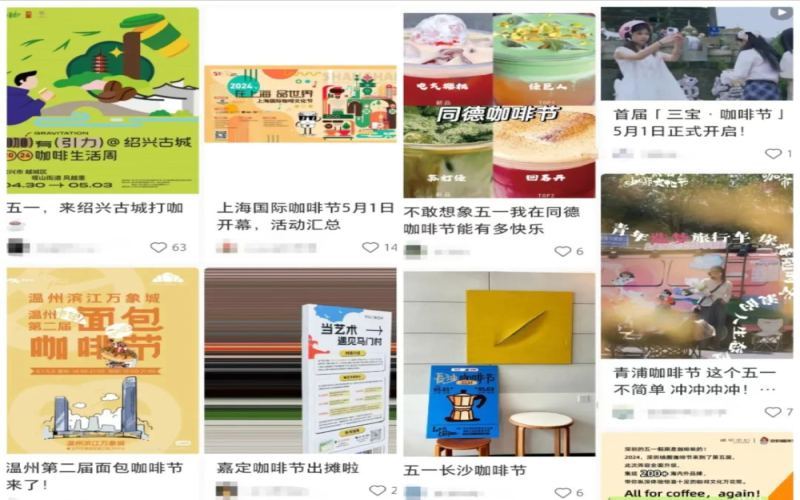
Six Coffee Festivals Crowd Shanghai During May Day Holiday, Sparking Heated Debate Over Proliferation of Specialty Drinks and Uneven Quality
The five-day May Day holiday has always been a peak time for travel. Rather than queueing for ages outside popular coffee shops, many efficiency-minded coffee lovers choose to go to coffee festivals instead, tasting all the signature drinks from various vendors in one go. According to social media, Shanghai—a city jokingly dubbed "Coffee City"—held six coffee festivals across different districts during the May Day holiday, an astonishingly high density. Yet behind the explosion in the number of coffee festivals, problems such as uneven event quality, an overload of creative coffee, inflated prices, and scarce free tastings have also drawn frequent complaints. This article walks you through the buzz and controversy of Shanghai's May Day coffee festivals, and explores the shift of coffee festivals from "industry networking conventions" to "specialty beverage tech conventions." [more…]

Shuyi Shao Xian Cao Store Fined for Illegally Employing a 13-Year-Old Worker, 10,000 Yuan Penalty Draws Attention
The milk tea industry has recently exposed yet another labor abuse scandal. A Shuyi Tealicious store in Changsha was fined 10,000 yuan by the local Human Resources and Social Security Bureau for hiring a child worker who was only 13 years old. The incident came to light after a citizen report, and an investigation found that the child had worked at the store for several months before being fired, which then led to a dispute. The store owner involved argued that the child claimed to be over 15 years old and that they only agreed to hire the child because they were short-staffed. This case not only highlights loopholes in employment management at some food and beverage outlets, but also sparked public discussion about the protection of minors and the enforcement of labor laws. [more…]
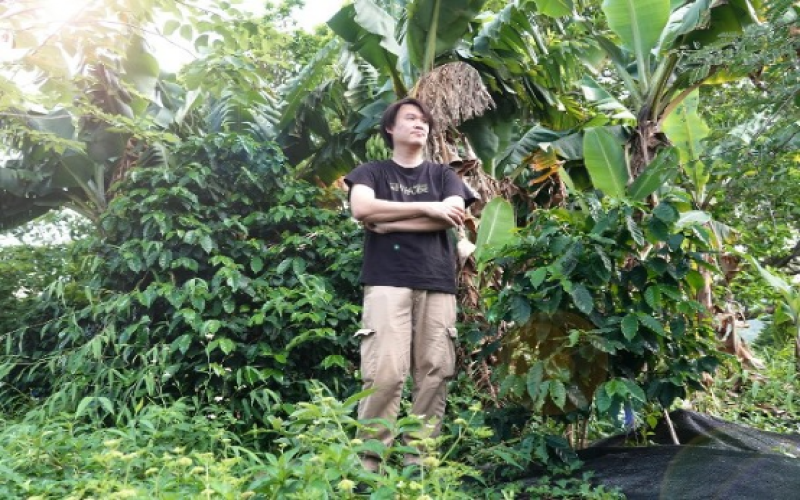
From IT to Agriculture: Hong Kong Engineer Uses Technology to Cultivate Caturra Coffee, Exploring Local Specialty Flavors
In the land of Hong Kong, where every inch of space is worth its weight in gold, a 42-year-old IT professional named Mike quit his job in 2019 to switch to growing fruits and vegetables and took over the management of a coffee plantation, attempting to cultivate Caturra coffee. Using his professional expertise in IT, he designed his own monitoring equipment to record temperature and humidity changes, focusing on researching diverse anaerobic fermentation processing methods such as perilla leaves, cilantro, beer, and plum wine, exploring the possibilities of Hong Kong's local coffee flavors. Although yields are scarce and altitude is limited, this path of transformation from tech professional to coffee farmer has brought new imaginative possibilities to coffee cultivation in Hong Kong. [more…]
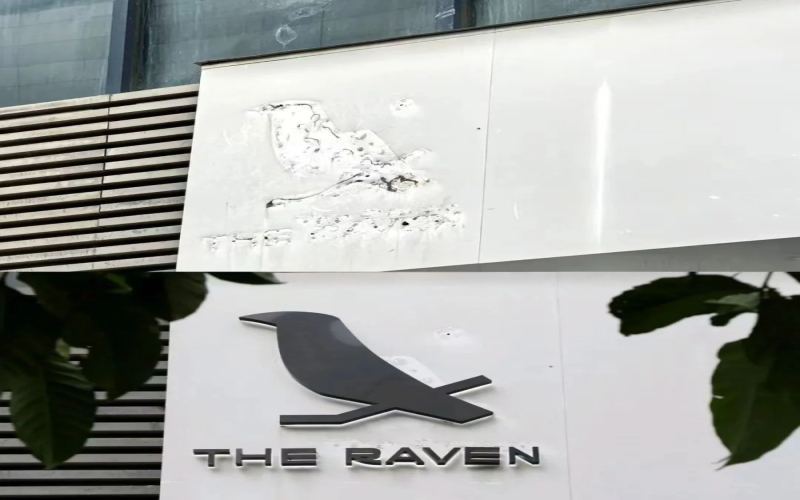
Coffee brands invested in by Heytea and Nayuki have successively contracted, with Raven Coffee's Shenzhen founding store closing, leaving only one store.
New-style tea beverage brands' attempts to cross over into the coffee track are encountering setbacks. Crow Coffee, invested in by the founder of Heytea, has closed its founding store in Shenzhen Tianli Central Plaza and put it up for rent, leaving the brand with only one store remaining in Dachong. Meanwhile, AOKKA Coffee, invested in by Nayuki, has also announced that it will close all of its Shenzhen stores by the end of August. Looking back at 2022, Heytea and Nayuki quickly entered the coffee market by investing in brands such as Seesaw, Minor Figures, KUDDO, and Monster Drowsy, but these invested brands now generally face the predicament of store closures and contraction. This article reviews the current store status of each brand and analyzes the challenges and industry competitive landscape faced by tea beverage brands crossing over into coffee. [more…]
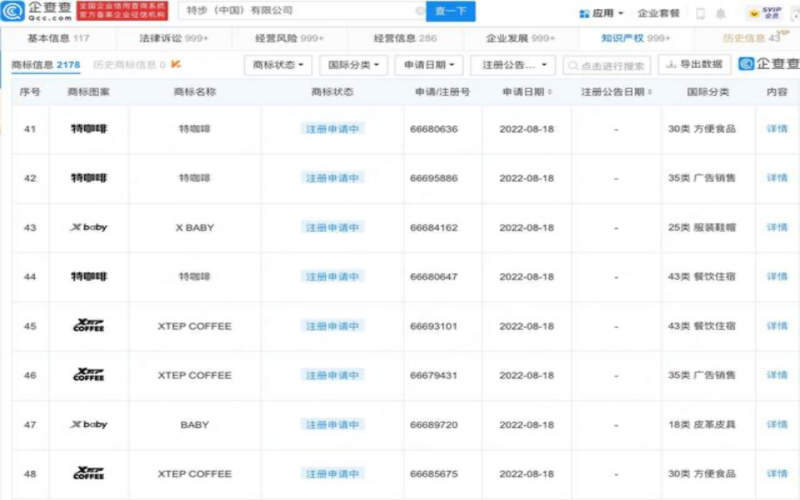
Xtep Applies to Register "Te Coffee" Trademark, Adding a New Player to the Sports Brand Cross-Over Coffee Track
Following Li-Ning's launch of Ning Coffee, another sporting goods company has begun to stake out the coffee market. According to Qichacha, Xtep (China) Co., Ltd. has applied to register multiple coffee-related trademarks, covering categories such as food and beverage services and accommodations, convenience foods, and advertising and sales. In recent years, from tea beverage brands to time-honored traditional Chinese medicine brands, and from education companies to tech giants, cross-industry forays into coffee have emerged one after another. Is Xtep's move this time a continuation of its approach of innovating the in-store experience, or is it intended to open up an entirely new business territory? This article will review Xtep's coffee layout moves and look back at typical cases in recent years of brands from various industries crossing into coffee. [more…]
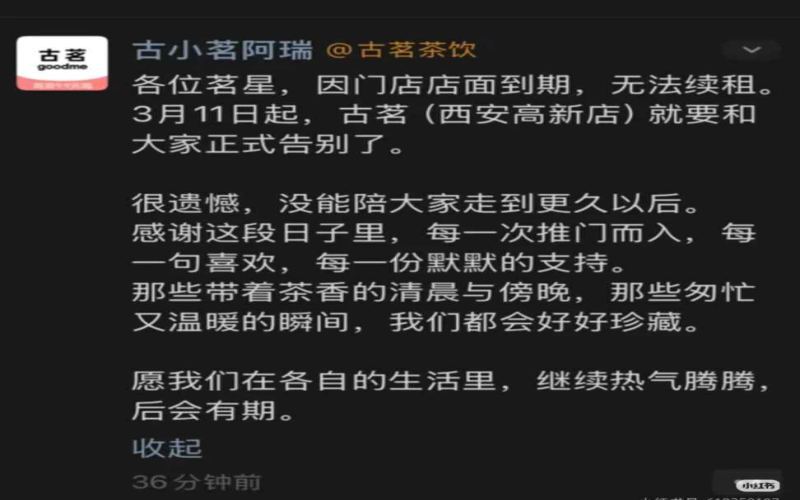
Guming's Xi'an Gaoxin store permanently closes after lease expires, leaving only one store in the city and sparking heated discussion among residents
The Guming Xi'an Hi-tech store officially closed permanently starting March 11 due to the inability to renew its lease upon expiration. This marks the second directly operated store of Guming to exit the Xi'an urban market, following the closure of the gogo block store in mid-2025. Once the news broke, local consumers reacted strongly on social media, expressing regret and confusion. However, a netizen with inside knowledge revealed that the store may relocate to the first floor of the Hi-tech T11 Mall and reopen, potentially on a larger scale. Meanwhile, relevant personnel from Guming's Northwest region also hinted in the comments section that the brand has not withdrawn from Xi'an and still has plans for future expansion. As the Front Street Coffee content team, which has long tracked developments in the coffee and tea beverage industry, we continue to monitor how chain brands advance and retreat in regional markets. [more…]
A year-on-year increase of 13%! Indian coffee exports have surged but are still affected by the Red Sea crisis.
India is the earliest country in Asia to grow coffee, and its output ranks sixth in the world. Recently, the price of coffee has continued to rise. The reason for the rise in price is that Vietnam has suffered from heat waves and droughts, affecting [more…]
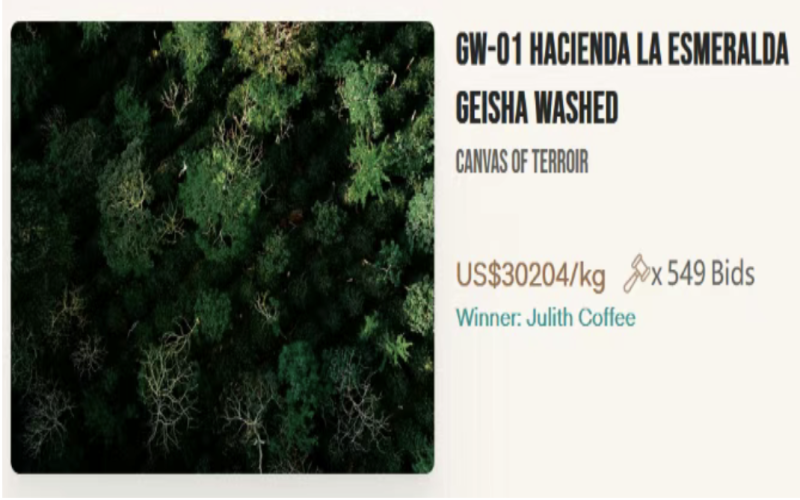
The Price of Panama BOP Geisha Reaches a New All-time High: Chinese Buyer JD Buys the BOP Geisha King for 3.4 Million RMB
A few days ago, the much-anticipated online bidding event of BOP (Best of Panama) in the coffee industry came to an end. At this top-level auction that attracts the attention of coffee lovers worldwide, the Geisha from the renowned Hacienda La Esmera [more…]

Multiple countries in the American region are welcoming a severe dengue fever season, and the coffee industry is facing a shortage of manpower.
Recently, according to the Pan American Health Organization (PAHO), a disease prevention agency in the Americas, due to the rise in global temperatures and the influence of extreme weather beans, the number of reported dengue fever cases in the Ameri [more…]
What Is Anaerobic Coffee Processing? Anaerobic Natural vs. Anaerobic Washed Flavor Differences and Front Street Colombia Bean Menu Breakdown
In recent years, any coffee processing method that claims to be innovative seems unable to avoid the word "anaerobic." In fact, the principle of anaerobic processing is not complicated: whether fresh cherries are put into stainless steel tanks with one-way valves or sealed in bags with the air expelled, an oxygen-free environment can be achieved. The real difficulty lies in precisely controlling the degree of fermentation, not in the technique itself. As oxygen is gradually replaced by carbon dioxide, fermentation at a certain stage produces flavors reminiscent of stone fruit and peach. This discovery quickly triggered imitation across major producing regions worldwide, and anaerobic processing thus became popular. In addition to its signature flavors, anaerobic processing can also give coffee a dense mouthfeel and a sweeter aroma. This article will take several Colombian specialty coffees on Front Street Coffee's bean list as examples to specifically compare the taste differences brought by anaerobic natural and anaerobic washed processing. [more…]
What are the main coffee varieties grown in Yunnan? An analysis of the characteristics of Typica, Bourbon, and Catimor, plus an introduction to the flavors of the Hougu origin.
Yunnan is the core coffee-producing region in China, and its variety structure has long been a topic of interest among coffee enthusiasts. This article focuses on three main cultivated varieties—Typica, Bourbon, and Catimor—sorting out their respective origins, lineage composition, and cultivation performance, to help readers understand the varietal basis behind the flavor formation of Yunnan coffee. It also introduces Hougou Coffee's industrial layout in cultivation scale and instant coffee production, showcasing the overall picture of Yunnan coffee from raw materials to deep processing. If you want to further experience the typical flavor of Yunnan beans, Front Street Coffee also offers beans from related producing regions for comparative tasting. [more…]
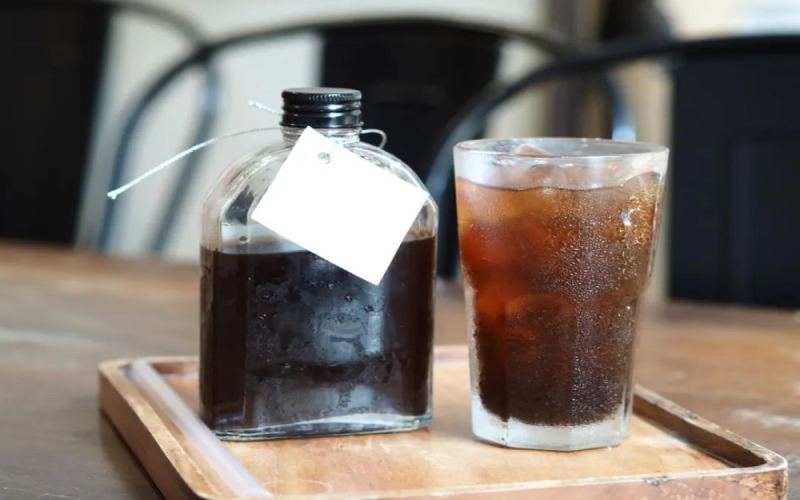
Laser Pulse Technology Boosts Cold Brew Coffee: A New Scientific Breakthrough Achieving Extraction in Three Minutes
On a scorching summer day, a refreshing glass of cold brew coffee is a favorite for many coffee lovers, but traditional cold brewing often requires a wait of 12 hours or more, which puts people off. Now, a chemistry research team at the University of Duisburg-Essen in Germany has brought an exciting discovery: by irradiating a mixture of coffee grounds and water with pulsed laser light, cold brew coffee can be made in just 3 minutes. This technique not only greatly shortens the extraction time, but also shows unique performance in acidity and caffeine content. This article will guide you through the principles of this scientific breakthrough, the results of experimental comparisons, and the possibilities for future commercialization, while also retaining relevant recommendations for the Front Street Coffee brand. [more…]

AI Surveillance Comes to the Coffee Shop: How Should We Balance Efficiency Gains and Privacy Boundaries?
Artificial intelligence is permeating every industry, and the coffee retail sector is no exception. Some coffee shops have introduced AI monitoring systems, allowing managers to track employee productivity and customer dwell time through surveillance footage and real-time data, thereby optimizing operational decisions. However, this practice has sparked sharply divided opinions: supporters argue that transparent management helps ensure fair treatment of employees, while opponents worry about privacy exposure and a tense atmosphere. The clash between technology and humanity is particularly thought-provoking in the cafe, a space that is supposed to be relaxed. [more…]