







Search Results for: pick

和府捞面跨界布局咖啡赛道,推出Pick ME咖啡与热食复合品牌
国内餐饮品牌跨界咖啡再添新案例。和府捞面正式公布旗下咖啡品牌「Pick ME の咖啡&热食」,并密集申请相关商标,从“和府一杯咖啡”到“CAFE PICK ME咖啡便利店”,动作频频。品牌定位为年轻族群与上班人士提供好喝不贵的咖啡,搭配品质热食,试图打造咖啡消费新场景。与此同时,特步、奈雪的茶等品牌也在近期入局咖啡赛道,跨界竞争日趋激烈。本文梳理和府捞面的咖啡布局细节,并附前街咖啡等精品豆资讯渠道,供咖啡爱好者参考。 [more…]
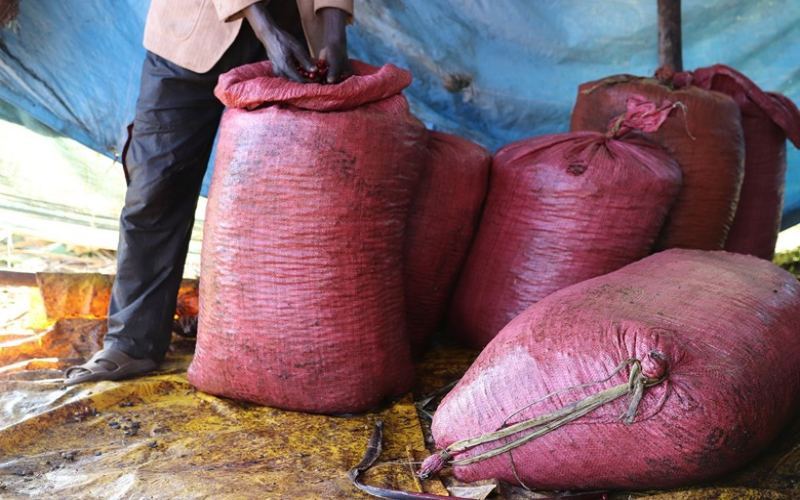
How Coffee Cherries Are Harvested: Hand-Picking, Floatation, and Defective Beans
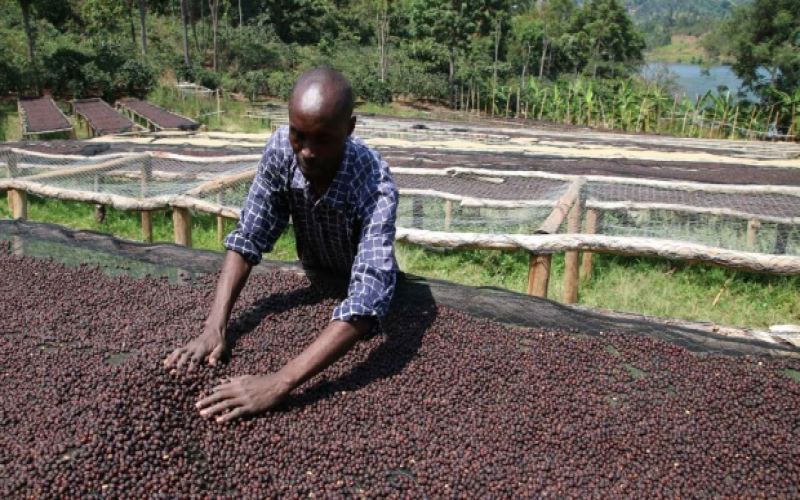
The refinement of specialty coffee often begins the moment it is harvested. In the same coffee field, the difference in final flavor between careful harvesting and careless harvesting may be even greater than that of roasting. How are coffee cherries picked one by one? Why must defective beans be removed? This article takes you into the scene of harvesting and grading. Handmade [more…]
Three-tier bean configuration for coffee shops: main lineup, everyday value, and specialty picks
When opening a coffee shop, choosing beans is always the unavoidable lesson. New owners easily fall into two extremes: either they only pick the most expensive ones, and costs become unmanageable; or they only look at price, and the quality and reputation of the drinks suffer. A mature approach is tiered pairing: one main bean as the base, one everyday bean to control costs, and one specialty option for differentiation. Each [more…]

From Coffee Cherry to Cup: Coffee Cherry Structure Diagram and Full Analysis of Green Bean Processing Workflow
Many people drink coffee every day, yet have never seen what a coffee fruit actually looks like. Coffee cherries resemble cherries, turning red when ripe, and their internal structure determines the final form of the coffee bean. This article uses anatomical diagrams to show in detail the exocarp, pectin layer, endocarp, silver skin, and seed of the coffee fruit, and traces the complete chain from harvesting, washing or drying, roasting, to extraction. It also introduces the distribution characteristics of the global coffee belt, as well as the basic differences among the three major native species: Arabica, Robusta, and Liberica. The article also recommends related products from Front Street Coffee, helping enthusiasts understand more intuitively the transformation of coffee from fruit to cup. [more…]
How to Choose SOE Coffee Beans: Picking the Right Beans for Black Coffee, Milk Coffee, and Iced Drinks
The requirements for beans differ between black coffee and milk coffee. Black coffee needs aroma and sweetness that can stand on their own, while milk coffee requires the espresso to have enough concentration and body to retain a clear flavor after milk is added. Deciding first whether you'll add milk to the cup, then choosing the style of beans, will make it easier to find a suitable one. [more…]
How to Choose Between Espresso Blends and SOE: Pick Based on Taste Preferences and Equipment Conditions
Don't reduce flavor to a simple opposition between acidity and bitterness; aroma, sweetness, body, mouthfeel, and finish together make up a cup of coffee. Bean selection approach: first decide on floral-fruity, nutty-cocoa, or a balanced middle ground, then use origin, processing method, and roast level to put it into practice. In espresso, dose, grind size, yield, and time form a set of variables that require repeated [more…]

Coffee Pour-Over Equipment Buying Guide | How Can Coffee Beginners Choose Cost-Effective Pour-Over Coffee Gear? Which Is More Suitable for Coffee Beginners: an Espresso Machine or a Moka Pot?
Today's coffee equipment is dazzlingly diverse, and for coffee beginners, this is no easy matter. Looking at a pile of coffee gear wanting to buy, but neither knowing how to choose nor how to use it—this must be a feeling every coffee novice has had. In this situation, what we need to do is: "Don't pick the expensive ones, don't pick the flashy ones, only pick the practical ones." [more…]
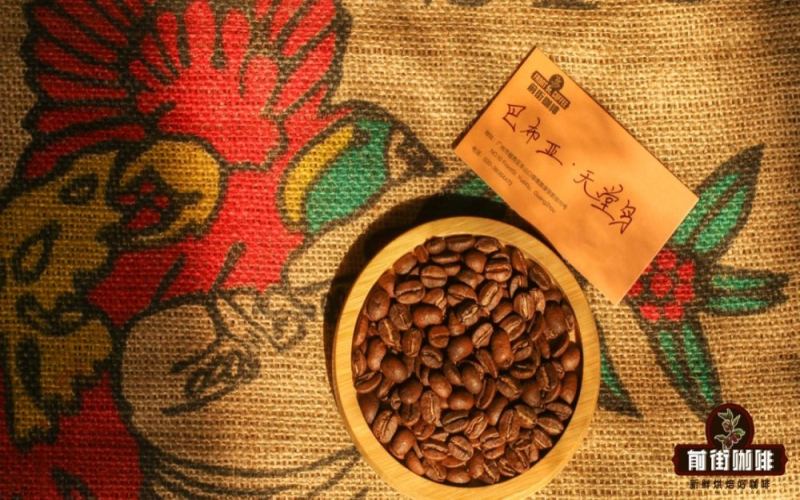
How to Choose Coffee That Isn't Sour? Understand the Principles to Pick Beans Without Pitfalls
Many friends who dislike acidic coffee have had this experience: they order based on online recommendations, only to brew a cup with a fruity sour taste, and it completely ruins their mood. What exactly determines whether coffee is sour or bitter? How can you choose to avoid sourness? This article explains it all at once. The sourness and bitterness of coffee mainly depend on these factors: roast level. [more…]

How to choose coffee beans with strong sweetness: pick flavors by roast level
To drink coffee with a more pronounced sweetness, roast level is a very practical starting point. Light roasts lean toward fruity, floral, and honeyed notes; medium roasts commonly show caramel, nutty, and ripe-fruit sweetness; medium-dark roasts are more like dark chocolate, roasted nuts, or syrup. Sweetness doesn't mean there's no acidity—rather, it's what lingers in the mouth both as you sip and after you swallow. [more…]
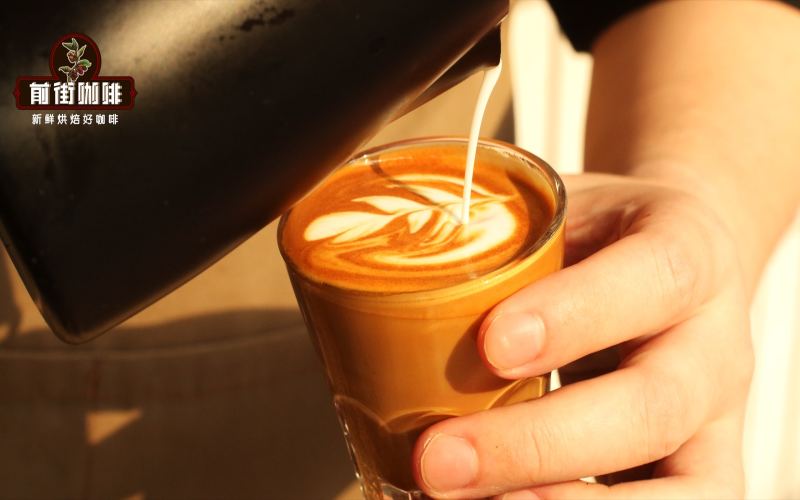
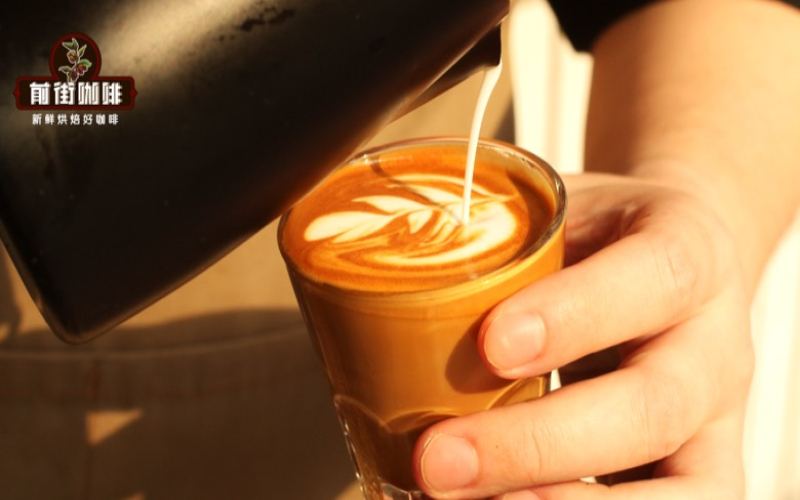
To make a tasty latte, cappuccino, or dirty coffee, first pick the right espresso beans.
The flavor of milk coffee depends seventy percent on the coffee and thirty percent on the milk. If the espresso is too weak, the milk coffee easily turns into a "milky drink"; if the espresso is too harsh, it will overpower the milk aroma. So when making lattes, cappuccinos, or Dirty coffee, choosing the right blend is crucial. The following three Front Street Coffee blends are all very suitable for milk [more…]
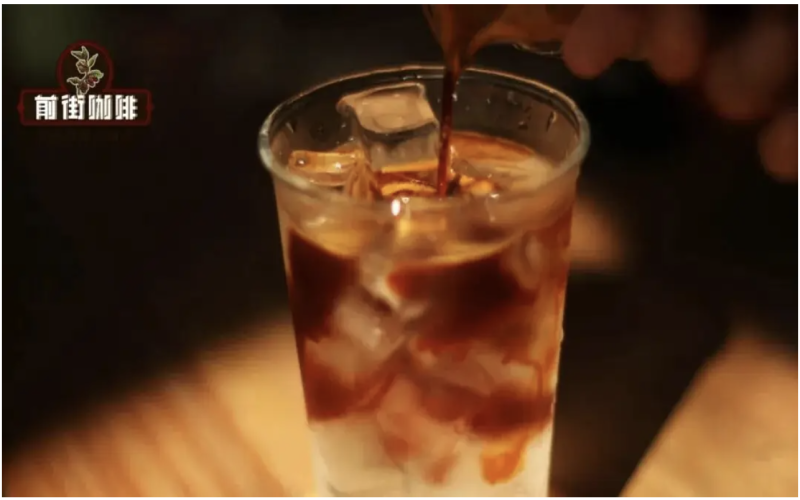
Cold Brew Coffee Bean Buying Guide
Cold brew coffee looks easy to make, but whether it tastes good or not is 70% down to the beans. Pick the right beans, and a simple soak in cold water brings out flavor; pick the wrong ones, and no matter how long you steep them, you're just left with a cup of "cold bitter water." Two principles for choosing beans for cold brew: First, prioritize light roasts and medium-light roasts. With low-temperature extraction, the floral and fruity aromas of light-roasted beans are preserved most completely, [more…]
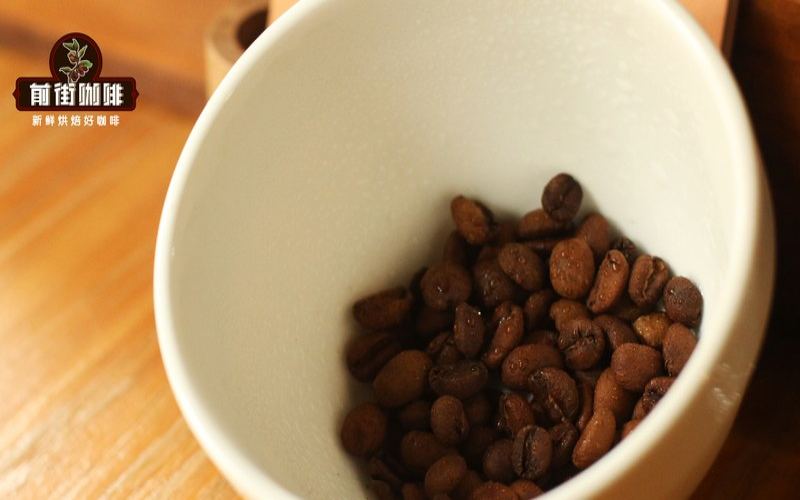
How to Choose Chocolate-Flavored Coffee Beans: Pick the Right Roast Level for Your Taste
To taste chocolate flavors, first look at the roast level of the coffee beans. Light roasts tend to preserve bright acidity and floral-fruity aromas, with chocolate notes usually hidden in the sweetness and aftertaste; medium roasts bring cocoa, caramel, and nuts into the cup; dark roasts make dark chocolate, roast, and a rich mouthfeel more prominent. Different directions call for different brewing methods, [more…]
Yirgacheffe High-Value Picks: Balancing Budget and Drinking Frequency
For everyday-priced Yirgacheffe coffee beans, simply memorizing a few names isn't enough. When buying beans for daily use, you need to consider how fast you'll drink them, how much to buy at once, and whether you'll mainly make black coffee or milk coffee at home. What's truly worth referencing is the sweet-to-sour ratio once it hits your palate, the body's thickness or thinness, and the lingering aftertaste once it cools—then, combined with your brewing habits, choose [more…]
Is SOE Americano sour? Pick beans that suit your taste by roast level
Whether an SOE americano is acidic or not cannot be judged simply by the word "single origin" on the menu. SOE refers to espresso made from single-origin or single-batch coffee beans, and its flavor amplifies the regional characteristics of the beans. When the roast is on the lighter side, citrus, berry, and floral notes are more likely to come through in the cup; as the roast gets darker, the acidity recedes, and caramel, [more…]

Making a latte with a moka pot: picking beans by roast level makes it easier to get a tasty result
The coffee brewed from a moka pot has a concentration between pour-over and espresso. After adding milk, it needs to retain enough aroma and presence. To make a smooth latte, the roast level is a very useful screening clue: it affects the sweet-and-sour performance, the nutty and cocoa notes, the body, and also changes how clearly the coffee comes through in the milk. [more…]
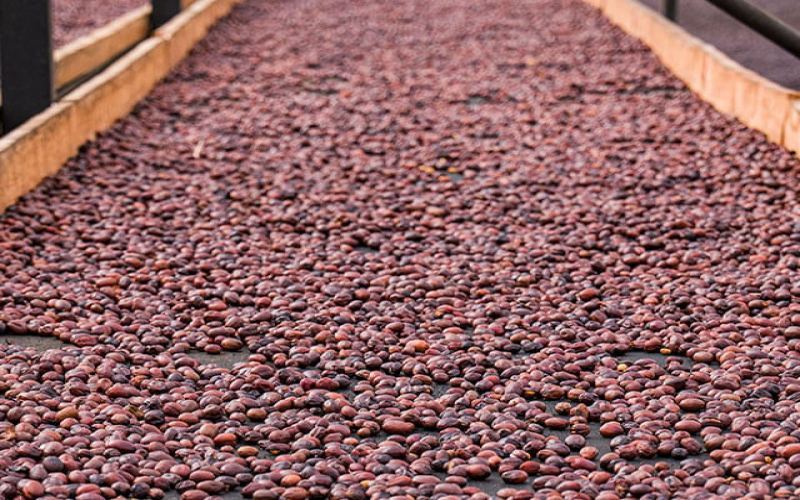
Understand the degassing period and drinking window on coffee bags to pick single-origin pour-over beans that are smooth without sourness or bitterness
Freshly roasted coffee beans hold a large amount of carbon dioxide internally. When brewed immediately, the violently released gas tends to obstruct the even contact between water and coffee grounds, making the extracted flavors taste tight and astringent. To bring out a smooth and gentle texture in the cup, it is essential to understand the evolution of the beans from the moment they leave the roaster until the aromatic compounds fully unfurl. [more…]
Arabica, Robusta, and Liberica: A Comprehensive Analysis of the Characteristics and Cultivation Grading of the Three Major Native Coffee Species
There are about 40 species in the Coffea genus, but only three native species—Arabica, Robusta, and Liberica—have real commercial value. They differ markedly in appearance, flavor, disease resistance, suitable altitude, and cultivation conditions: Arabica is elegant yet delicate, Robusta is hardy and intense, while Liberica is limited to localized trade in West Africa. Starting from botanical characteristics, this article systematically sorts out the origin distribution, climate and soil requirements, the complete cultivation process from sowing to harvesting, and the grading systems that producing countries have formed based on altitude, screen size, and defect bean ratios. Whether you are new to specialty coffee or want to understand the logic of origins more deeply, this foundational knowledge will help you more clearly judge the variety and terroir code behind the flavor in your cup. Front Street Coffee will also combine the key points in this article to recommend directions for your everyday purchases. [more…]
Indonesian Civet Coffee Bean Origin Selection Guide: The Flavor Source and Tasting Methods of Authentic Kopi Luwak
Kopi Luwak, commonly known as cat poop coffee, has always been the most mysterious presence in the coffee world. Its unique "production process" and high price make countless coffee lovers curious yet rarely able to see it in person. This article will take you through the two major types of Kopi Luwak—the difference between wild and farmed civet coffee, why wild civets prefer Robusta while farmed ones are mostly fed Arabica, the respective characteristics of low-altitude and high-altitude producing regions on Indonesia's Sumatra Island, and where exactly the special flavor that the fermentation inside the civet's body imparts to the coffee beans comes from. If you are looking for an authentic Indonesian Kopi Luwak coffee bean, Front Street Coffee can also provide you with a reliable choice, and the following text will lay it all out for you in detail. [more…]
How to choose coffee beans for home use? Pick the right Front Street Coffee espresso blend beans by taste and scenario.
When making coffee at home, choosing the right beans is the first step. There are many types of coffee beans on the market: by use case, they can be divided into commercial beans and home-use beans; by extraction method, there are pour-over beans, espresso beans, and cold brew beans; and by category, they are further divided into single-origin beans and blended beans. Single-origin beans come from a single region or estate, with a clean and clear flavor, suitable for pour-over, cold brew, and similar methods; blended beans usually refer to espresso blends, which maintain flavor stability through a combination of multiple regions and have a rich, solid mouthfeel. Different taste preferences correspond to different bean choices. This article recommends suitable Front Street Coffee espresso blends one by one according to needs, from classic rich-crema types to high-value beginner options, to help you find the bag that best suits your home. [more…]
How to Make a Huakui SOE Americano | How to Choose Between Light-Roast and Medium-Roast Sidamo Huakui SOE? What Are the Espresso Extraction Parameters for Natural-Process Huakui?
When it comes to natural coffee, many people first think of the beautifully named Front Street Coffee Flower Queen, which has good flavor and is affordably priced, making it a daily staple bean for many. During the coffee harvest season, farmers in the Sidamo region pick only ripe red cherries, placing them one by one into baskets. After picking, the coffee cherries are sized [more…]