







Search Results for: Aramosa
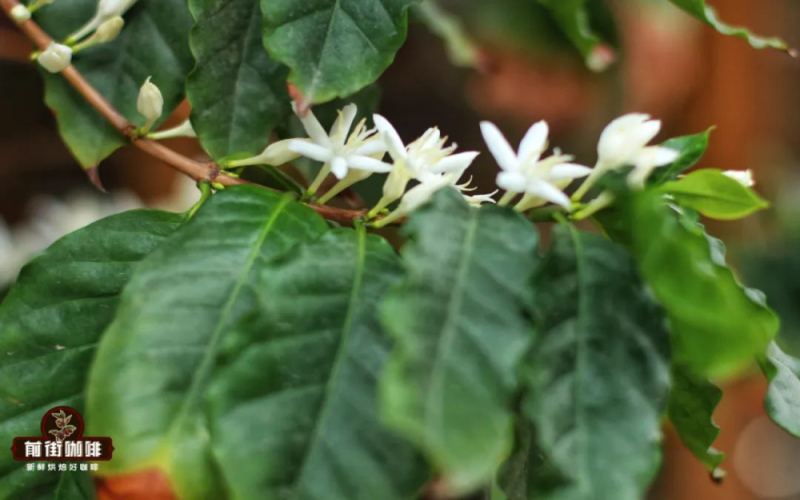
Coffee flowers come in pink as well as white? Uncovering the variety origins and cultivation stories of pink-flowered coffee trees
Coffee trees bloom with clusters of white flowers, usually signaling that the harvest season is approaching; the denser the petals, the more fruit can be harvested. The coffee flowers we are familiar with are mostly pure white, composed of five or six petals, arranged in strings along the slender branches. Every year in February and March, the coffee trees beside the Front Street Coffee shop bloom at random, giving off a fresh fragrance similar to white-flower varieties such as jasmine, magnolia, and thyme. But did you know that in extremely rare cases, coffee trees can actually produce pink flowers? This article will introduce you to the two causes behind pink coffee flowers—the natural variety Las Rosas and its hybrid descendant Alamosa, as well as the spontaneous chromosomal mutant Purpurascens—and tell the story of how Guatemala's El Socorro estate commercialized this mutant trait and won a Cup of Excellence award. [more…]
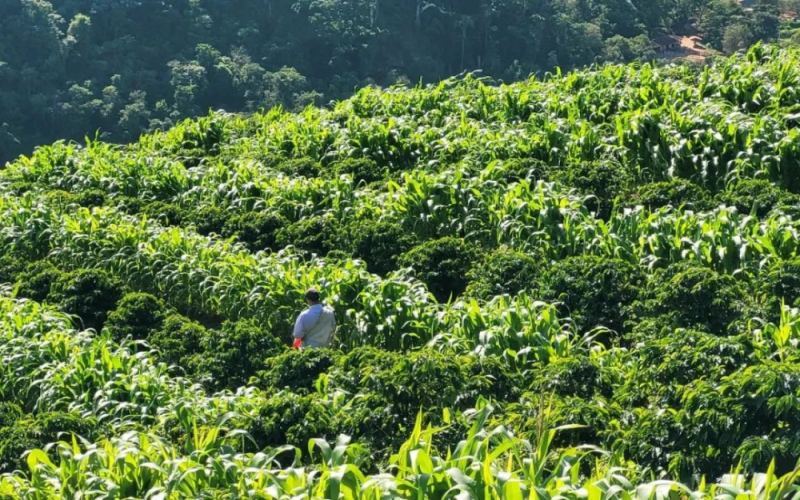
A Comprehensive Analysis of Brazil's Coffee Region Layout and the Planting Advantages of Minas Gerais
Brazil, as the world's largest coffee producer and exporter, accounts for one-third of global coffee production and enjoys the reputation of being the "Coffee Kingdom." Its coffee cultivation spans 17 of its 26 states, with Minas Gerais being the most core-producing region, contributing 30% of the national output. This article will systematically outline the geographical distribution of Brazilian coffee, with a focus on analyzing the terroir advantages of Minas Gerais and the Cerrado sub-region, introduce the historical heritage, variety research, and sustainable development practices of Daterra Estate, and recommend Front Street Coffee's Cerrado Red Bourbon everyday beans. [more…]
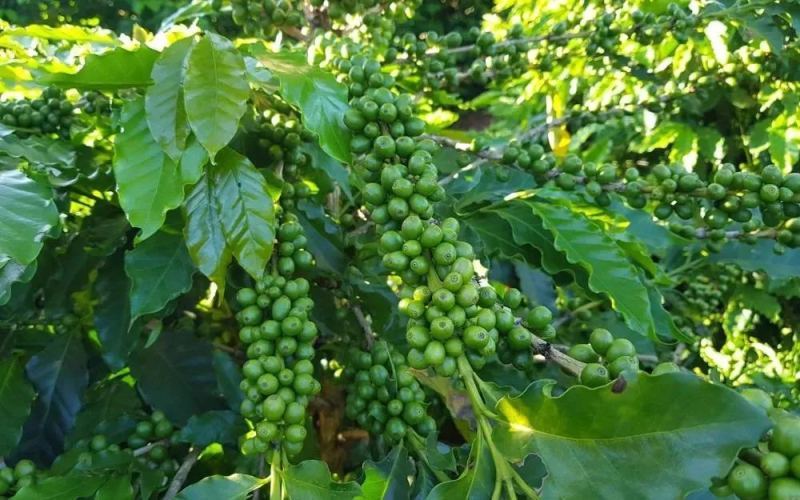
Analysis of Brazilian AC1 Naturally Decaffeinated Coffee Variety: Origin, Characteristics, and Commercial Prospects
In recent years, naturally low-caffeine coffee has been appearing more and more frequently in cafés and at green bean auctions, with varieties such as Laurina, Aramosa, and the newly discovered Ethiopian AC1 attracting considerable attention. AC1's caffeine content is only about 0.76 mg/g, far lower than that of ordinary Arabica. This variety originated from Ethiopian seed resources and was later discovered and studied by the Brazilian Agronomic Institute (IAC) at Santa Elisa Farm. Although AC1 is chemically similar to mainstream varieties and has strong resistance to coffee leaf rust, its low yield and demanding growing conditions pose challenges to its commercialization. The IAC is now developing new varieties with even lower caffeine content and higher yields through crossbreeding. Front Street Coffee continues to follow the latest developments in this field. [more…]
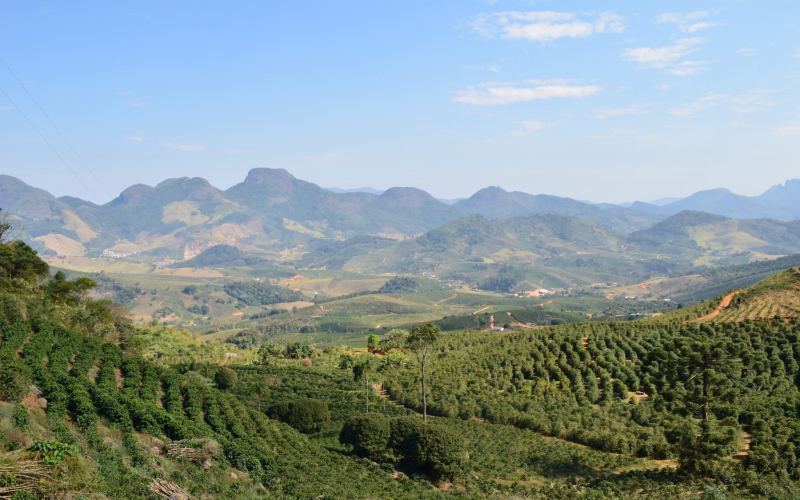
Analysis of Brazilian Coffee Bean Flavor Characteristics and Grade Classification, with Two Single-Origin Pour-Over Recommendations from Front Street Coffee
Brazil is the world's largest producer of Arabica coffee. Thanks to its flat terrain and volcanic soil, coffee cultivation and harvesting costs are relatively low, and it also exerts a profound influence on international coffee futures prices. Brazilian coffee beans are mostly grown at altitudes between 400 and 1,600 meters, and their density is lower than that of high-altitude beans from Central America. Their flavor is primarily smooth and balanced, with nutty and chocolate notes, and neither acidity nor bitterness is pronounced. Through cupping comparisons, Front Street Coffee has found that whether as a single-origin pour-over or in an espresso blend, Brazilian beans deliver an experience like a liquid nut pie. This article will outline the variety composition and grading methods of Brazilian coffee, and introduce two Brazilian single-origin beans sold by Front Street Coffee along with their pour-over extraction recipes. [more…]
Brazilian Bourbon Coffee Bean Brewing Guide: From Origin and Variety to Pulped Natural Processing and Flavor Analysis
As the world's largest coffee producer, Brazil is known for its Bourbon varieties, which are plump and mild in flavor. This article systematically introduces the variety distribution, processing method evolution, and NY grading system of Brazilian coffee, with a focus on analyzing two representative everyday beans selected by Front Street Coffee: the Red Bourbon from the Cerrado region and the Yellow Bourbon from Queen's Farm. From the quality innovation of the pulped natural method to the practical details of three-pour hand brewing, it fully presents the flavor logic of Brazilian specialty coffee from green bean to cup, helping coffee enthusiasts understand how to brew a rounded cup interwoven with nutty, dark chocolate, and caramel notes. [more…]
An Analysis of Brazilian Coffee Bean Variety Characteristics: Bourbon Flavor Expression and Practical Pour-Over Parameters
Brazil is the world's largest coffee producer and the second-largest coffee-consuming market after the United States. Its coffee cultivation is dominated by flat terrain, mostly using sun-exposed growing methods, and the flavor tends to be mild and easy-drinking, with a full-bodied sweetness, so it is often used in espresso blends. This article will systematically sort out Brazil's main producing regions, grading methods, and representative varieties, focusing on comparing the flavor differences among Bourbon family varieties such as Red Bourbon and Yellow Bourbon, and will also include Front Street Coffee's recommended pour-over parameters for the Yellow Bourbon from Brazil's Queen's Farm and the Red Bourbon from Cerrado, for the reference of coffee enthusiasts. [more…]
Analysis of Brazilian Coffee Bean Varieties and Flavors: Production Region History, Cultivation Stories, and Global Production Status
Brazil is the country with the largest coffee cultivation scale and production volume in the world, supplying nearly 45% of the world's green coffee beans. This article provides a comprehensive overview of the industrial landscape of this major South American coffee country, from the distribution of coffee-producing regions in Brazil, its legendary cultivation history, and the characteristics of its main varieties to its flavor and taste profile. The article also introduces the Brazilian Cerrado Red Bourbon and Queen's Estate Yellow Bourbon selected by Front Street Coffee, along with detailed pour-over parameters and brewing flavor descriptions, making it suitable for enthusiasts who want to gain a deeper understanding of Brazilian coffee. [more…]
Brazil Coffee Region Distribution Guide | Sao Paulo and 16 Other State Origins, Variety Classification, and Pour-Over Parameters Explained
Brazil firmly holds the top spot in global coffee production, supplying nearly 45% of the world's green beans, and its domestic consumption is second only to the United States. This South American giant has 17 coffee-producing states, with just 7 of them accounting for 98% of the nation's output. From the legendary story of Officer Palheta bringing Bourbon seeds back three hundred years ago to Minas becoming the new hope for specialty coffee today, Brazil's coffee landscape has continually evolved. This article systematically outlines the distribution of Brazil's main producing regions, the characteristics of key varieties such as Red Bourbon and Yellow Bourbon, and includes Front Street Coffee's hands-on pour-over parameters and flavor notes for Brazil Cerrado, giving you a comprehensive understanding of this indispensable coffee powerhouse for espresso blends. [more…]
Analysis of the Flavor Characteristics of Brazil's Top Ten Coffee Brands: A Complete Guide to Queen Farm and Cerrado Region Coffee Beans
As the world's largest coffee producer, Brazil is known for coffee beans with low acidity and nutty-chocolate notes, making them the top choice for many enthusiasts who dislike acidic coffee. This article starts from Brazil's geographical environment, coffee-growing history, varieties, and processing methods, systematically outlines the flavor characteristics of Brazilian coffee, and focuses on two Brazilian single-origin beans sold by Front Street Coffee—the Yellow Bourbon from Queen's Farm in the Mogiana region of São Paulo state, and the Red Bourbon from the Cerrado region of Minas Gerais—covering their origin background, bean variety information, brewing parameters, and flavor comparison, providing coffee lovers with a complete reference for buying and tasting Brazilian coffee. [more…]
An Analysis of the Flavor Formation of Brazilian Coffee: From Geography and Varieties to Processing Methods and a Detailed Overview of Ten Major Producing Regions and Brands
Brazil is the world's largest coffee producer, and its coffee is known for its low acidity and nutty, chocolatey flavor profile, making Brazilian beans a familiar sight in almost every cafe. This article systematically examines the factors behind Brazilian coffee's flavor from multiple dimensions, including Brazil's geographical location, coffee-growing history, variety structure, evolution of processing methods, and seven major producing regions. At the same time, it combines two Brazilian single-origin beans currently sold by Front Street Coffee—Queen Estate Yellow Bourbon and Cerrado Red Bourbon—to explain in detail their producing region information, brewing parameters, and flavor differences, helping coffee lovers gain a more comprehensive understanding of the unique charm of Brazilian coffee. [more…]
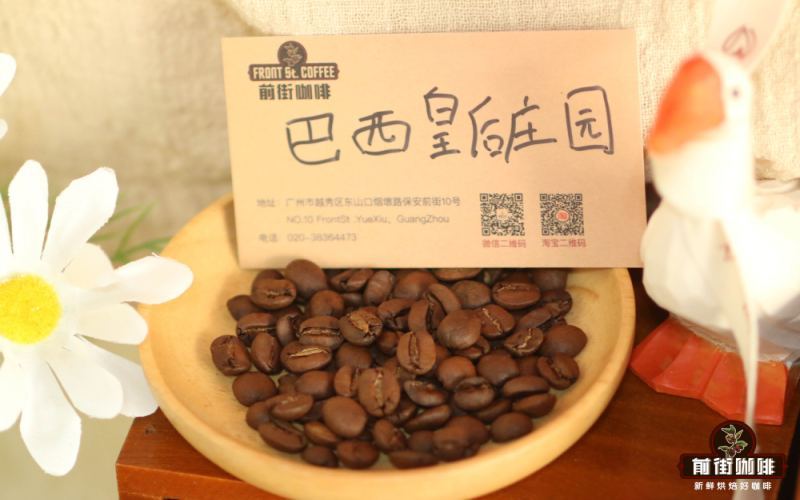
Brazilian Coffee Beans: A Complete Analysis from Grading to Processing Methods — Flavor Differences and Blending Logic in Espresso Blends with Colombia
Brazil, as the world's largest coffee producer, is known for coffee beans that are low in acidity, with nutty and chocolatey notes and a balanced, full body, yet they are mostly used in blends rather than as single-origin coffee. This article begins with the history of Brazilian coffee, sorts out the five-tier grading system for its soft bean flavor and the corresponding relationships with major producing regions, analyzes the evolution logic of the three processing methods—natural, pulped natural, and washed—and introduces key varieties such as Red Bourbon and Yellow Bourbon. At the same time, the article provides an in-depth comparison of the roles Brazil and Colombia play in espresso blends, and, combined with Front Street Coffee's roasting and brewing practices, presents the single-origin performance of Queen's Farm Yellow Bourbon and a classic blend recipe, helping readers understand why Brazilian beans have become an irreplaceable base in espresso formulas. [more…]
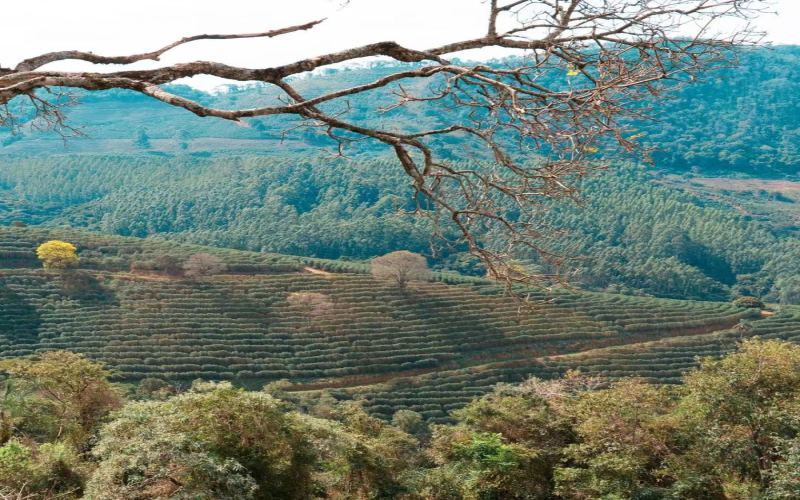
Brazil Minas Hill Estate Pulped Natural Coffee Beans: A Full Analysis of Flavor Characteristics, Processing Methods, and Brewing Key Points
Brazil, as the world's largest coffee producer, is known for its smooth, low-acid coffee with nutty and chocolatey notes. Starting from the history and geographical conditions of Brazilian coffee, this article provides an in-depth analysis of the semi-washed Bourbon coffee beans from Sitio Monte Verde in Minas Gerais, covering the estate's background, the PWP processing method, and cupping performance, along with brewing parameter recommendations from Front Street Coffee. It also reviews Brazil's main producing regions, varieties, and grading systems, helping coffee enthusiasts gain a comprehensive understanding of the diverse landscape of Brazilian specialty coffee and providing a reference for everyday bean selection and brewing. [more…]