







How do Peru's volcano and mercury crises affect coffee production?
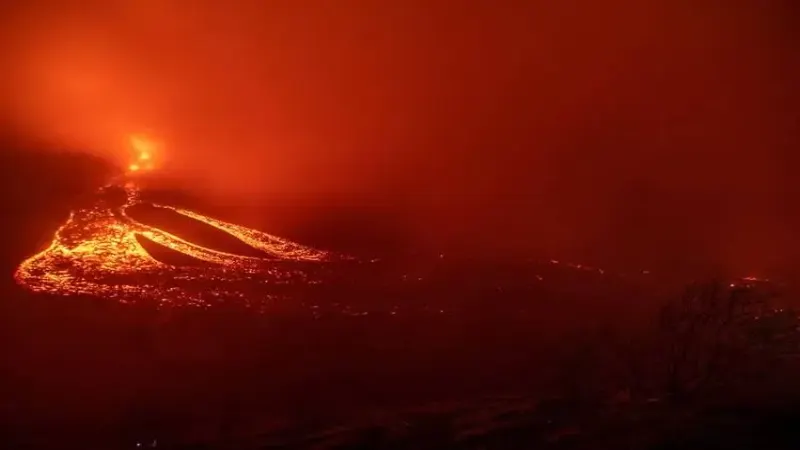
Peru's Sabancaya volcano has been raised to an orange alert level, erupting about 12 times a day and sending ash plumes up to 1,500 meters above the summit. Ash emissions threaten farms and pastures within 10 kilometers of the crater, residents have evacuated, and nearby aviation routes have been grounded. Huancavelica and Cusco provinces are also under an environmental emergency over mercury contamination.
Both provinces have coffee cultivation. Mercury contamination inhibits crop growth, lowers agricultural product quality and may trigger labor shortages, while the government has launched response measures. Peru is known for agriculture, mining and tourism, so back-to-back disasters hit both farming and tourism, and concern over coffee production and quality is rising across the sector.
South American coffee-producing country Peru has recently suffered a series of natural disasters and environmental crises. The Sabancaya volcano in the south has entered an orange alert level, and the volcanic ash produced by frequent eruptions is severely affecting surrounding farms and pastures; at the same time, the provinces of Huancavelica and Cusco have been declared in a state of environmental emergency due to heavy metal mercury contamination. Both regions have coffee cultivation, and mercury contamination not only inhibits crop growth and reduces agricultural product quality, but may also trigger labor shortages. The Peruvian government has launched response measures, but concerns within the industry about coffee production and quality are rising.
Peru has long been known for its agriculture, mining, and tourism resources, but recently the country has suffered multiple disasters in succession, dealing a blow to both agriculture and tourism.
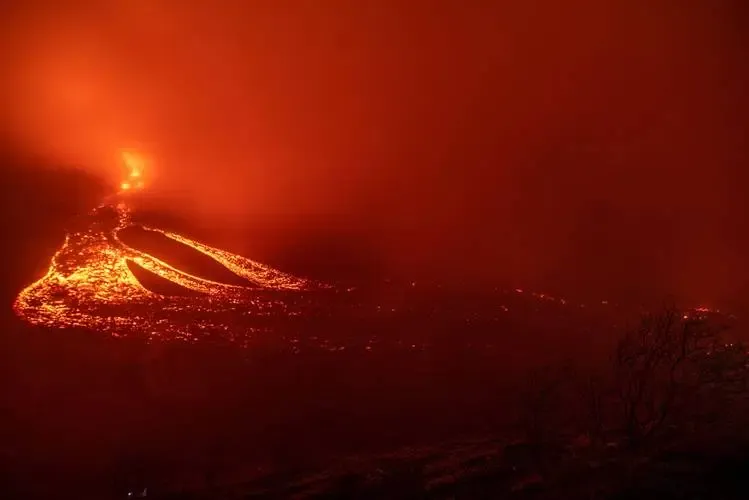
According to a report from the Peruvian Geophysical Institute, the Sabancaya volcano in the south of the country has been upgraded to an orange alert level, with eruptive activity at moderate intensity, erupting about 12 times per day on average, and forming a gas column and volcanic ash plume up to 1,500 meters high above the volcano's summit.
In addition, earthquakes related to rock fracturing were recorded locally, as well as 164 earthquakes caused by the circulation of magmatic fluids within the volcano. Continuous ash emissions pose a serious threat to farms and pastures within 10 kilometers of the crater, nearby residents have had to evacuate and relocate, and relevant aviation routes have also been grounded.
Beyond the volcanic disaster, Peru's Ministry of the Environment also announced that the central-western city province of Huancavelica and the southern province of Cusco have entered a state of environmental emergency due to heavy metal mercury contamination causing severe damage to the environment and public health.
Huancavelica is located in central-western Peru and is a trade center for agriculture and livestock. Coffee and other crops are grown locally, and it also has industries such as winemaking, flour milling, tanning, and dairy processing. The city is also home to the famous Santa Barbara mercury mine.
The province of Cusco, by contrast, is an area rich in tourism resources. Although arable land is limited, wheat, corn, potatoes, and coffee are still cultivated there, and it is also one of Peru's important coffee-producing regions.
Mercury contamination is severely harmful to agricultural cultivation, the ecological environment, and public health. It inhibits plant growth, causing stunted plants and leaf chlorosis, and also disrupts normal plant physiological metabolism, affecting photosynthesis, impairing nutrient absorption in plants, and causing heavy metal levels in plant products to exceed standards, ultimately lowering the quality of agricultural products.
For this reason, people in the industry are worried that Peru's coffee production will be affected. At the same time, the threat that mercury contamination poses to human health also raises concerns about labor shortages. After all, in recent times, due to drought, dengue fever, and political issues in the Americas, a large number of residents have chosen to emigrate to other countries, and the labor force was already tight.
In the face of this mercury contamination, the Peruvian government attaches great importance to it and will launch a special action plan to address the health and environmental problems of residents in contaminated areas. The Ministry of the Environment will give priority to handling the most severely affected areas, the Ministry of Energy and Mines has included the relevant areas in the list of mining environmental liabilities, reducing pollution risks through ecological restoration strategies, and local governments will also introduce pollution response measures.
The above content is compiled by CoffeeHunters, a coffee news website.


