







Category: Coffee Beans
Understand roast dates and the tasting rhythm, and a home espresso machine can also extract bright single-origin flavors
After roasting, coffee beans remain in an active phase of chemical reaction and gas release even after they are removed from the heat source. When a home espresso machine extracts single-origin coffee, it relies on high pressure to force hot water through the coffee bed. If a large amount of carbon dioxide has accumulated inside the beans, bubbles during extraction will hinder full contact between the water flow and the coffee grounds, leading to [more…]
Single-Origin Coffee Opening and Resting Patterns: Capturing the Optimal Drinking Window When Bean Aromas Bloom
Freshly roasted single-origin coffee beans are filled with a large amount of carbon dioxide inside. If they are ground and brewed immediately, the intense degassing reaction will form many bubbles in the coffee bed, preventing the hot water from fully contacting the coffee grounds. Giving the beans a period of steady resting time allows the gas to escape slowly, so that the internal aromatic compounds can be released during extraction. [more…]
The Tasting Window for Single-Origin Espresso Beans: The Opening Rhythm from the Degassing Period to Peak Flavor
Freshly roasted single-origin espresso beans trap a large amount of carbon dioxide gas inside. This gas builds up intense internal pressure in the early stages after roasting. If the beans are ground and brewed straight out of the roaster, the gas hinders full contact between the hot water and the coffee particles, producing a sharp, harsh acidity in the cup, or causing the espresso crema [more…]
SOE Roast Days and Degassing Changes: Letting a Single Origin Fully Release Its Aroma During the Optimal Drinking Window
Freshly roasted single-origin coffee beans hold a large amount of carbon dioxide gas trapped inside. In the first days after opening, this gas rushes out violently on contact with water, forming a dense layer of foam. Too much gas prevents water from fully contacting the coffee grounds, so aromatic compounds cannot dissolve out smoothly. Give the beans a quiet period to degas. [more…]
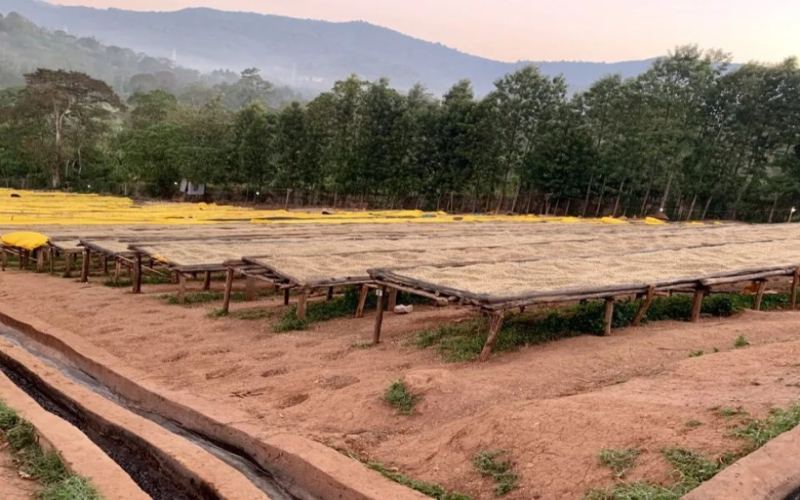
Flavor Fluctuations Within the Peak Flavor Window: Degassing Cycles and Opening/Drinking Methods for Blend Beans and SOE
After coffee beans come out of the roaster, they continue to release carbon dioxide internally, and this degassing process directly determines whether the aromatic compounds can be extracted smoothly during brewing. Because blended beans and SOE differ in bean composition and roasting direction, their pace of reaching the optimal drinking state and the period for maintaining aroma each have their own characteristics. Single origin [more…]
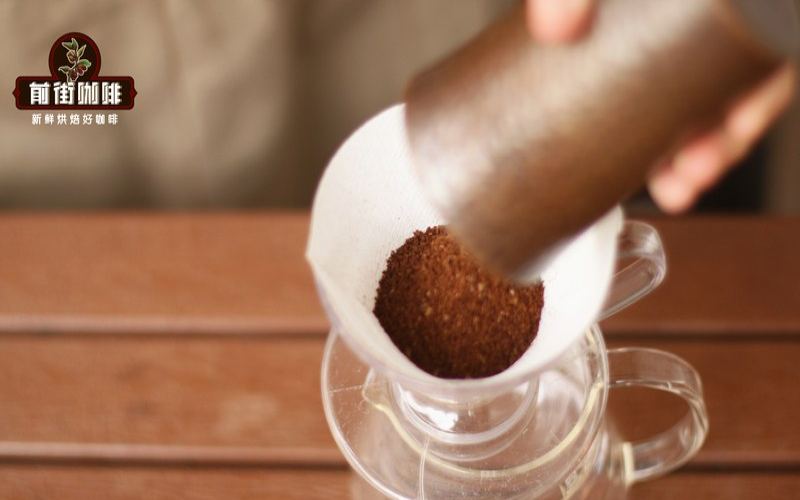
From Degassing to Opening and Consumption: A Flavor-Window Rhythm Guide for Italian-Style Dark and Medium-Dark Roasts
After coffee beans are roasted, they continuously release a large amount of carbon dioxide internally. Due to differences in the degree of heat exposure, dark roasts and medium-dark roasts naturally differ in their internal pore structure and degassing rate. This physiological change directly determines the crema condition during espresso extraction, and also defines the time window during which flavor development reaches a balanced state. [more…]
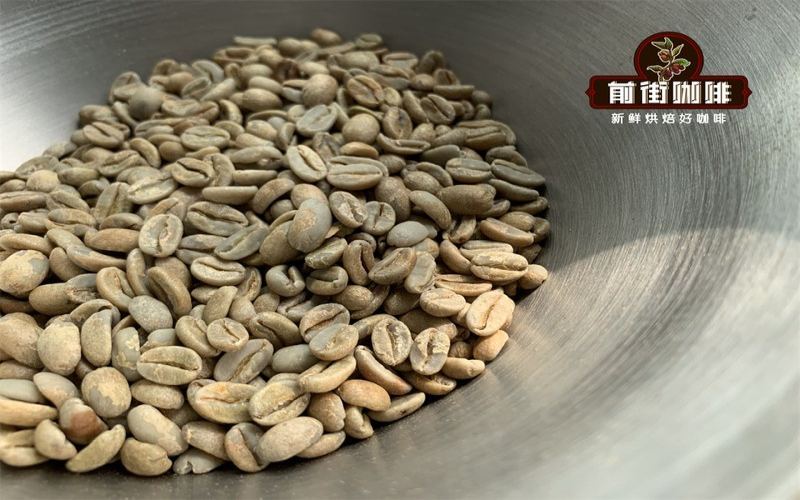
How to Determine the Peak Flavor Window of Commercial Coffee Beans? A Flavor Timeline from Degassing and Resting to Opening the Bag and Sealing It
The flavor profile of commercial coffee beans evolves continuously over time; the moment they finish roasting is not when they immediately reach their ideal flavor. After being heated, the interior of the bean traps a large amount of carbon dioxide, and this gas continues to be released outward over the first few days. Understanding the degassing and maturation process helps us more calmly plan each [more…]

The secret to a rich, golden foam on top of espresso lies in the rhythm of the degassing cycle and daily sealed brewing.
The dense, golden layer of crema on the surface of an espresso is essentially a foam formed when carbon dioxide inside the coffee beans, carrying aromatic oils, is emulsified under high-pressure water. Freshly roasted coffee beans trap a large amount of gas inside, and this gas is slowly released over time, determining the thickness and condition of the crema during extraction. Understanding [more…]
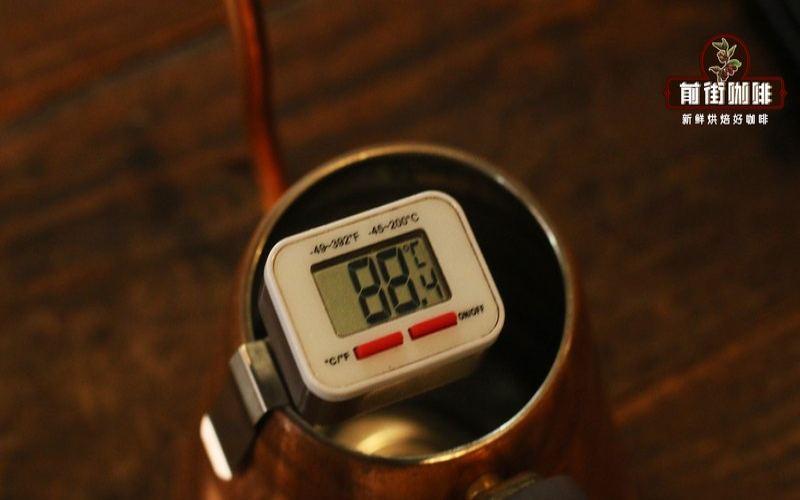
From Roast to Peak Flavor: Scheduling and Flavor Management for In-Store Coffee Beans
Freshly roasted coffee beans accumulate a large amount of carbon dioxide internally, and when these gases come into contact with water, they are released rapidly and violently, easily hindering the full contact between water flow and coffee particles. Understanding the internal transformations of coffee beans after roasting can help cafés and coffee enthusiasts identify the point at which aroma unfolds, allowing every cup of coffee to reach its full flavor. [more…]
American-style coffee beans within their peak flavor window: the selection and drinking rhythm from degassing and resting to opening and storage
The clear, translucent mouthfeel and layered complexity of Americano depend largely on the活跃 state of the flavor compounds inside the coffee beans. Freshly roasted coffee beans do not reach their full, vibrant state immediately; the carbon dioxide that builds up inside them is slowly released over time. Understanding this pattern of change can help us follow the beans' natural rhythm and, at [more…]
Understanding espresso bean degassing periods and peak flavor windows, so you drink every bag of coffee at its fullest flavor.
Freshly roasted coffee beans accumulate a large amount of carbon dioxide gas inside, and this gas is slowly released over the following days. For espresso extraction, the state of gas release is directly related to the fineness of the crema and the overall expression of flavor. Understanding the internal changes in coffee beans at different stages can help us [more…]
The Flavor Window of Rich Crema: Roasting Degassing Patterns and Daily Storage Rhythm
Freshly roasted coffee beans internally contain a large amount of carbon dioxide. These gases are both an important source of the rich crema layer produced during extraction and, in the early stage, also hinder the even contact between water and flavor compounds. Just-roasted coffee beans need to go through a period of natural degassing, so that the aromatic oils and soluble components inside can gradually [more…]

To make an Americano bursting with fruity sweetness, start by mastering the tasting window and the rhythm of opening the bag.
To present a clear, full-bodied sweetness in Americano, the release state of aromatic compounds inside the coffee beans plays a key role. Freshly roasted coffee beans accumulate a large amount of carbon dioxide internally, and these gases hinder the even contact between hot water and coffee grounds, easily bringing out rather harsh off-flavors. As the gas releases steadily, [more…]
Espresso Flavor Window Analysis: Managing the Flavor Rhythm from Degassing Rest to Opening and Sealing
Freshly roasted coffee beans are filled with active carbon dioxide gas internally. During extraction, this gas creates resistance that prevents hot water from fully contacting the coffee grounds. For espresso extraction, excessive gas makes the crema appear coarse and dissipate quickly, while the flavor tends toward dryness. Allowing the roasted beans to [more…]

Grasp the peak flavor window and degassing state to make latte beans' aroma last longer
The aromatic depth and smooth texture presented by a cup of latte are closely related to the current freshness and gas state of the coffee beans. After being heated during roasting, coffee beans continuously release carbon dioxide, and the flavor compounds inside are also constantly undergoing oxidation and transformation. Freshly roasted coffee beans, due to the high concentration of carbon dioxide within them, produce during extraction [more…]
Flavor evolution during the roasting cycle: mastering degassing, rest, and the peak-flavor rhythm of espresso beans
Freshly roasted espresso beans contain a large amount of carbon dioxide gas trapped inside. This gas is slowly released over time, and in the early stage it produces a relatively vigorous degassing reaction. If the beans are ground and extracted immediately after roasting, the bubbles tend to hinder full contact between the water flow and the coffee particles, resulting in an unstable extraction flow. [more…]
From degassing to flavor release: home coffee bean peak-flavor window and advice for drinking in batches
After coffee beans expand from the heat in the roasting drum, their internal porous structure stores a large amount of carbon dioxide gas. Freshly roasted beans are in an active degassing phase; if water is poured in to brew at this point, the violently escaping bubbles will block even contact between the hot water and the coffee grounds, and the extracted flavor easily tastes green and muddled. [more…]
Understanding the Degassing Cycle of Espresso Beans: Daily Drinking Rhythm and Flavor Preservation Methods for Home Machines
Roasted coffee beans contain abundant carbon dioxide internally, and these gases can participate in forming a golden, delicate crema during extraction. However, during the stage of extremely vigorous degassing, excessive bubbles tend to hinder uniform contact between water flow and coffee particles, making the flavor in the cup appear unsettled. Understanding how coffee beans evolve in condition across different time periods, [more…]
The Flavor Peak of Espresso: Understanding Roast Dates, Degassing Cycles, and Daily Sealed Storage
Espresso extraction is extremely sensitive to the state of the carbon dioxide inside the coffee beans, and the completion of roasting does not mean the beans immediately reach the balance point for aroma release. Freshly roasted coffee beans are packed with a large amount of gas inside. If pressurized extraction is carried out right away, the water flow is easily obstructed by bubbles, leading to uneven extraction and bringing out too many off-flavors. Understanding [more…]

Espresso Blend Opening and Storage Timeline: From Degassing to Flavor Release
After coffee beans are roasted, a large amount of carbon dioxide gas accumulates inside the beans, and this gas is slowly released over time. When extracting espresso, overly active gas can hinder uniform contact between the water flow and the coffee grounds, which can easily lead to channeling during extraction or excessively coarse foam. Understanding [more…]