



The last trading day of October brought a modest rebound to both coffee futures contracts, but the recovery was anything but even. With new-crop beans from Vietnam already moving into the market, robusta has been pushed to its lowest level since early March 2024, while arabica — though it also fell sharply during the month — has held up better thanks to extraordinarily thin exchange stocks.

Taken across the whole of October, both arabica and robusta trended lower and touched two-and-a-half-year lows. The swings were not driven by supply and demand alone: the Brazilian real has been volatile, weather across producing regions remains uncertain, and expectations that El Niño could strengthen again have kept the board jumpy.
Supply is the most direct force behind the slide. Harvest is now under way across Central America, Mexico and Colombia, as well as in Vietnam and India in Asia. Cherry and green beans will flow into trade over the coming weeks in volume. Buyers have plenty of choices, and offers have loosened accordingly.
Robusta has taken the brunt of it. Vietnam is the world's largest robusta origin, and once its new crop began to appear, buyers in Europe and Asia gained the leverage to push prices down. Arabica, by contrast, has fallen far less.
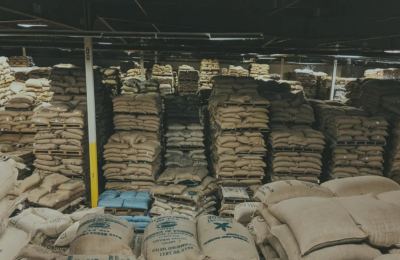
The reason arabica has not followed robusta deeper lies in inventory. Certified arabica stocks at ICE in the United States stand at just 225,000 bags — an extremely low level for the past three decades. Exchange stocks are, in effect, deliverable spot coffee on hand. When the number is this small, any supply disruption tends to be amplified, and that has given arabica its relative resilience.
Replenishment, however, is already on the way. Data shows roughly 47,476 bags of Brazilian coffee awaiting certification, all of it currently sitting at the port of Antwerp in Belgium. Once inspection and certification are complete, those bags will enter exchange-licensed warehouses and become deliverable stock. Against existing stocks of 225,000 bags, that is not a trivial volume, and whether it shifts the market's sense of tightness is worth watching.
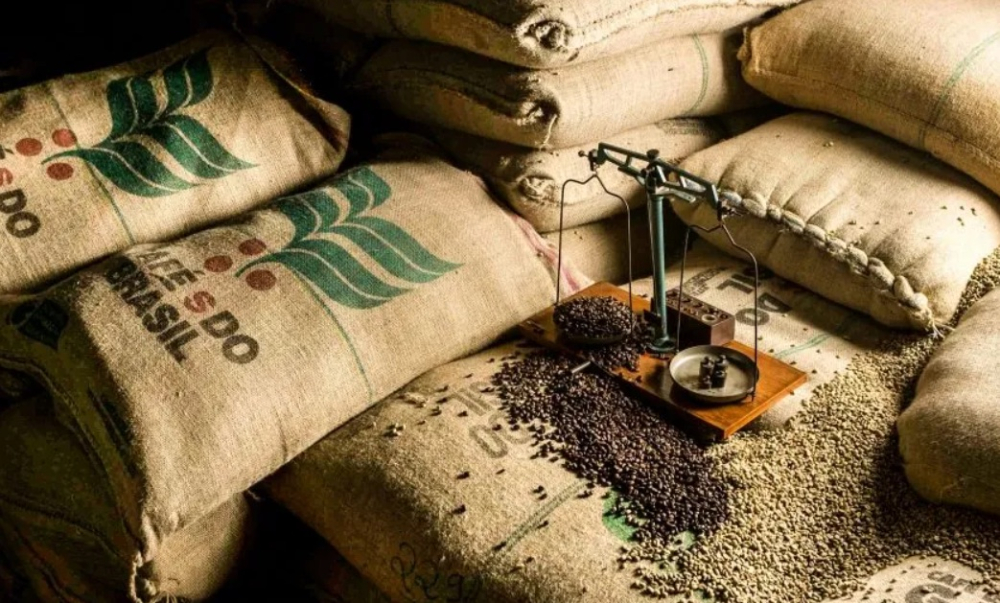
Brazilian exports, meanwhile, are running hot. Certificate issuance data from Cecafe, the country's coffee export council, over the past month suggests Brazil could ship 5 million bags in October — a record high. Export certificates are issued ahead of shipment, so a heavy volume of paperwork points to strong loadings in the weeks ahead and a looser physical market globally.
Put together, the near-term picture is fairly clear: new-crop supply is arriving, Brazilian exports are at a record, and robusta lacks upward momentum, while arabica is being propped up by minimal exchange stocks, which limits its downside. The spread between the two may well widen further, and that will change the options available to roasters when building blends. Whether the share of lower-cost robusta in the grist rises is a signal worth tracking over the coming months.
The medium-term uncertainties sit in weather and currency. A stronger El Niño could disrupt flowering and fruit set across several origins, and the path of the Brazilian real will shape the selling pace of local exporters. For buyers, this is not a moment to chase the market higher, but nor is it safe to assume prices will simply keep sliding. Building inventory in stages while keeping a close eye on certified exchange stocks looks like the more prudent approach.
The above content is compiled by CoffeeHunters, a coffee news website.