







Category: Coffee Knowledge

When Buying Beginner Pour-Over Beans, Check the Roast Date: Master the Peak-Flavor Window and Sealed Storage Tips
Freshly roasted coffee beans have accumulated a large amount of carbon dioxide inside, and at this point the bean structure is tight and the aromatic compounds have not yet fully unfurled. If brewed immediately after roasting, the violently released gas can easily prevent hot water from evenly penetrating the coffee grounds, often making the extracted coffee taste thin or sour. Give the coffee beans a [more…]
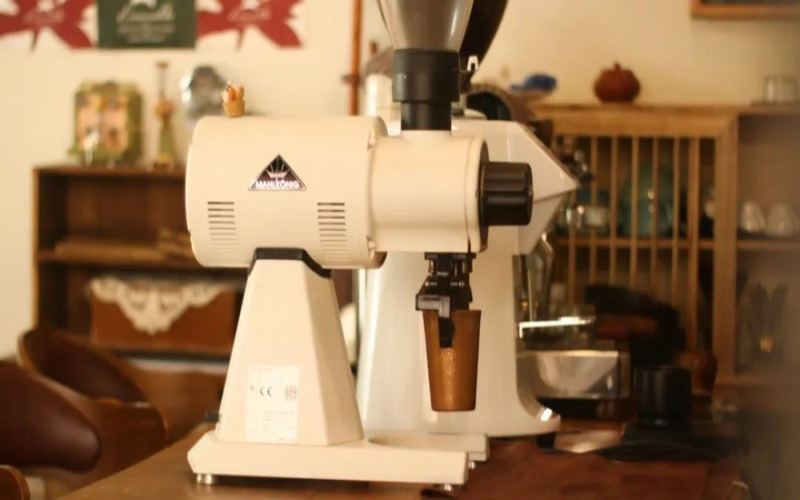
From Roast Date to Opening and Tasting: The Flavor Cycle and Storage Tips of Pour-Over Coffee Beans
Freshly roasted coffee beans accumulate a large amount of carbon dioxide gas within their bodies, making them unsuitable for immediate grinding and brewing in the first few days after roasting. When hot water is poured in, the gas is released violently, forming a dense barrier layer that hinders full contact between the water flow and the coffee grounds. Through a resting and degassing period ranging from several days to more than ten days, the internal aroma molecules [more…]

From Roast Calendar to Aroma in the Cup: The Flavor Window and Storage Rules for Single-Origin Pour-Over Beans
After coffee beans are roasted, they need to go through a process of gas release and stabilization of their internal aromatic compounds. Freshly roasted beans have a high concentration of carbon dioxide trapped inside, which can cause violent bubbling during brewing, preventing the water from making full contact with the coffee grounds. Through several days of natural degassing, the coffee beans' flavor compounds [more…]
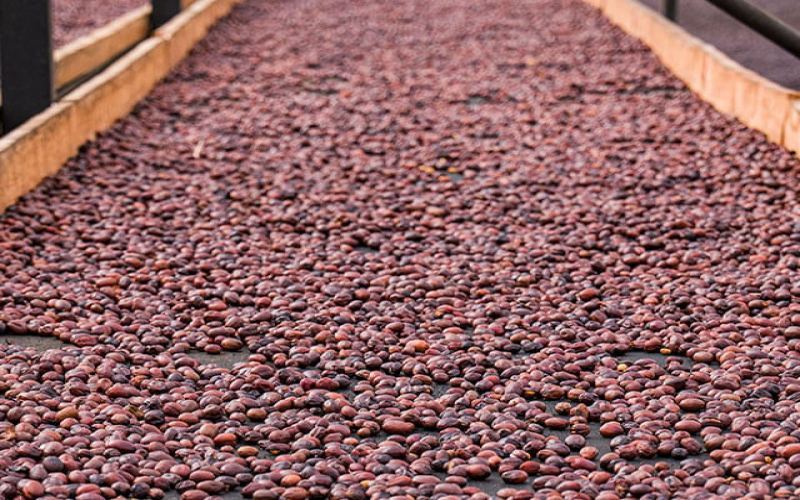
Understand the degassing period and drinking window on coffee bags to pick single-origin pour-over beans that are smooth without sourness or bitterness
Freshly roasted coffee beans hold a large amount of carbon dioxide internally. When brewed immediately, the violently released gas tends to obstruct the even contact between water and coffee grounds, making the extracted flavors taste tight and astringent. To bring out a smooth and gentle texture in the cup, it is essential to understand the evolution of the beans from the moment they leave the roaster until the aromatic compounds fully unfurl. [more…]
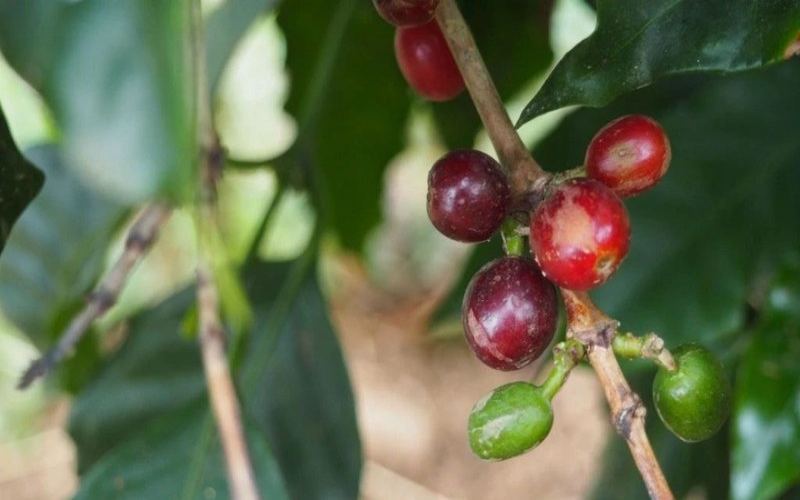
Decaf Pour-Over Beans: Opening the Bag and Peak Flavor Window Explained — Master the Degassing Decline and Brew Your Best Cup
Decaffeination processing causes subtle changes to the cellular structure of green beans. After being heated during roasting, the pores inside the bean are often looser than those of regular beans, and the rhythm of degassing and flavor release is also more unique. If you want to taste clean, transparent fruity notes and sweetness from a pour-over brewer, understanding the freshness curve and degassing process of decaf coffee beans is [more…]
Master the peak flavor window and degassing rhythm to brew a gentle, sweet, low-acid pour-over coffee
After coffee beans are discharged from the roaster, they continue to release a large amount of carbon dioxide gas internally. If brewed on the same day as roasting, the overly vigorous bubbling reaction can easily hinder full contact between hot water and coffee grounds, resulting in muddled flavors and making it hard for sweetness to come through. For enthusiasts who prefer low acidity and a smooth mouthfeel, giving [more…]

The Flavor Window of Sweet Fruity Pour-Over Beans: From Degassing and Resting to a Drinking Rhythm That Locks In Juiciness
Freshly roasted coffee beans are filled with carbon dioxide inside. This layer of gas hinders water from smoothly penetrating the coffee grounds, making it difficult for aromatic compounds to be fully released during extraction. To taste a bright, light fruity note and full sweetness, the beans need a period of gentle degassing, allowing the internal structure and vol [more…]
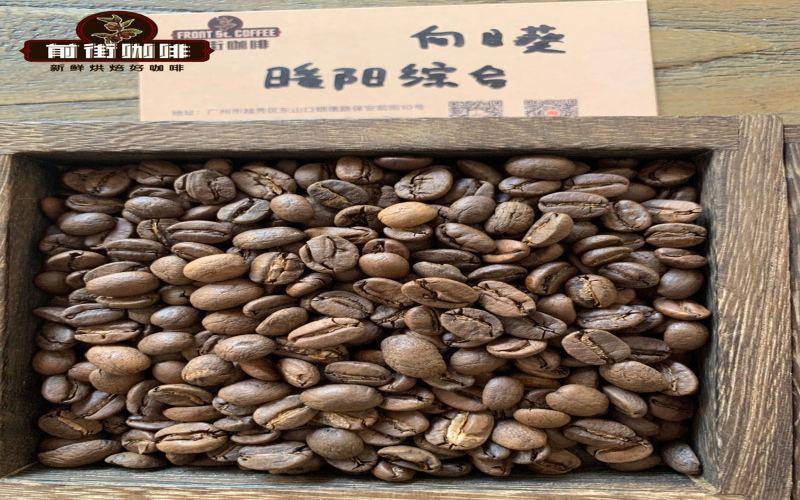
The Flavor Window and Storage Guide for Dark Roast Pour-Over Beans: From Degassing to Peak Flavor
Darker-roasted coffee beans undergo full caramelization and Maillard reactions in the roaster; the fibrous structure inside the bean expands, creating larger pores, and the degree of gas saturation and the rate of release are noticeably faster than in light roasts. Understanding the degassing patterns and flavor evolution of dark-roasted beans helps you accurately gauge the bean's condition during everyday pour-over brewing, allowing [more…]
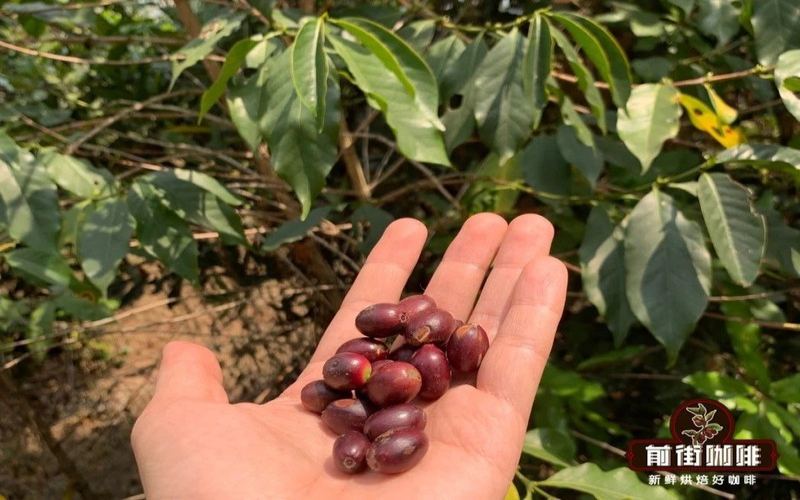
Master the flavor window of light-roast pour-over: understanding the degassing cycle and sealed storage to make aroma last longer
After light-roasted coffee beans leave the roaster, subtle gas exchange continues inside them. The large amount of carbon dioxide accumulated during roasting slowly escapes through the loose fibrous structure, and this natural release process directly affects the penetration efficiency of hot water molecules. Understanding the breathing rhythm of coffee beans can help me [more…]
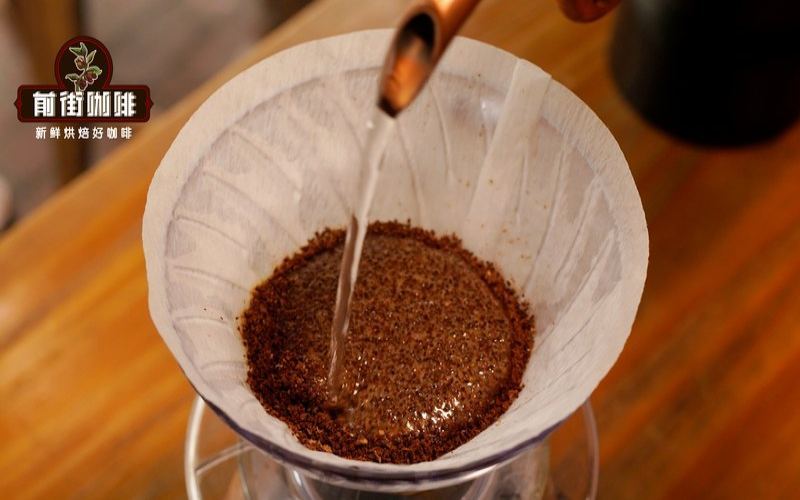
Understanding the Pour-Over Coffee Flavor Window: Taste Bright Fruit Notes During Stable Degassing and the Opening Period
Freshly roasted coffee beans continue to release carbon dioxide accumulated inside them during the first few days, and this natural degassing process directly affects the extraction efficiency of hot water. If the beans are too full of internal gas, the hot water poured in is easily blocked by bubbles, making it difficult for aromatic compounds to dissolve fully and evenly into the water. Therefore, al [more…]
Floral and fruity pour-over beans: a flavor timeline after opening the package
In a cup of floral-fruity pour-over, the aroma changes over time. Freshly roasted beans usually carry more roasting gases, so the brew may have a scattered aroma and pronounced acidity, with the details not yet fully developed. After some time, the floral notes, fruity sweetness, and tea-like quality gradually become clearer, and the layers are more easily revealed on the palate. When buying beans, [more…]
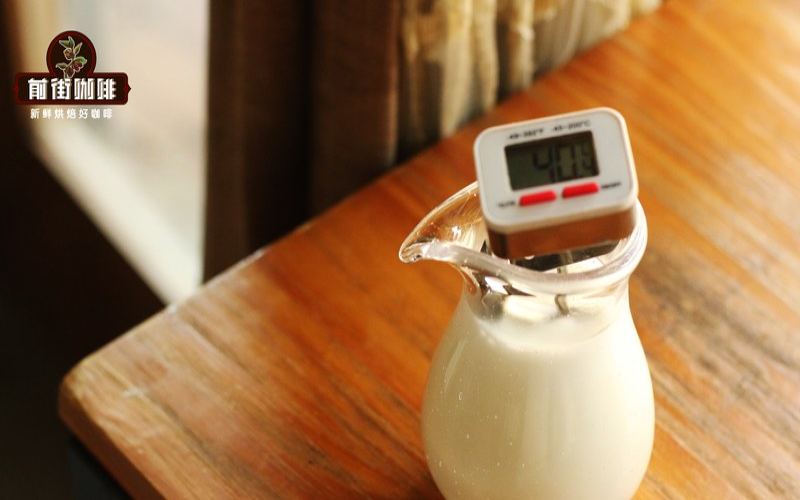
Yirgacheffe Pour-Over Beans: From Roast Date Planning to Aroma in the Cup
The floral, citrus, and berry notes of Yirgacheffe often only come through clearly and with layering when the beans enter the dripper at the right time. Brew too soon after roasting, and the cup may show sharp notes and unstable acidity; leave them too long, and the aroma gradually narrows. When choosing, besides looking at the origin and flavor description, also check the roast date, [more…]
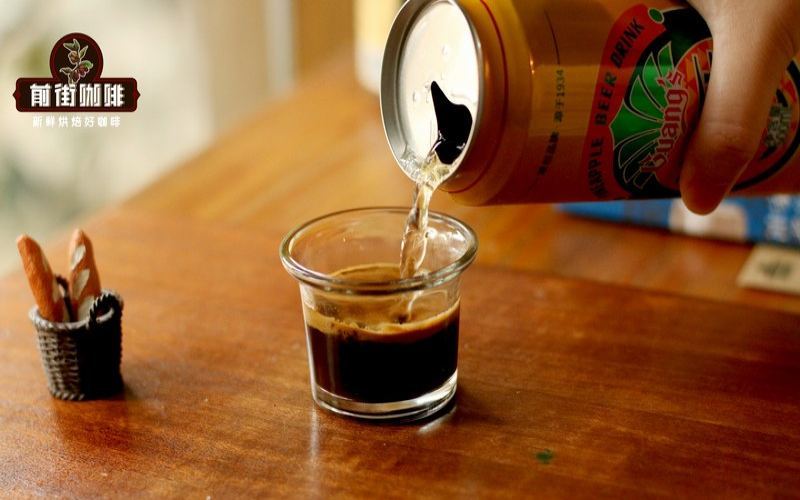
When should you open a bag of SOE pour-over coffee? Plan your drinking rhythm starting from the roast date.
A bag of coffee beans labeled SOE can, of course, go into a pour-over dripper. SOE emphasizes making espresso from single-origin coffee; it doesn't mean it can only be extracted by an espresso machine. Switch to pour-over, and the lower concentration often makes it easier to distinguish floral and fruity notes, the balance of acidity and sweetness, and the finish. What's truly worth paying attention to is how long it's been since the beans were roasted, [more…]
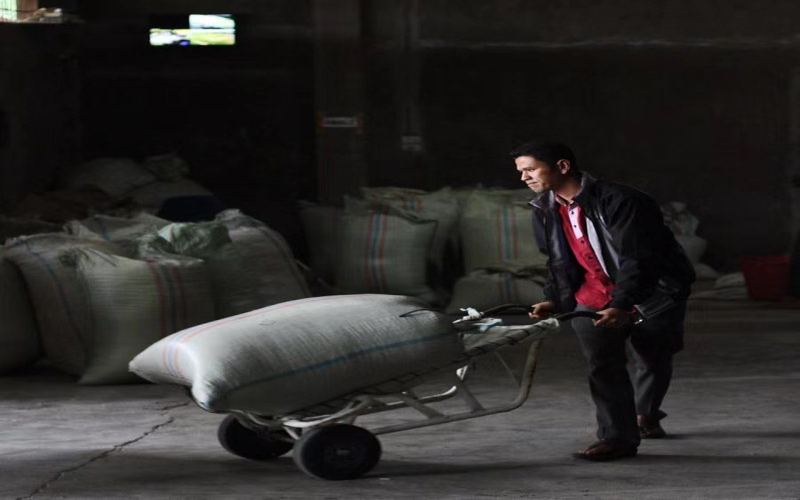
After the Roast Date: A Flavor Calendar for Beginner Pour-Over Beans
From the day a batch of coffee beans finishes roasting, it enters a constantly shifting flavor curve. Right after roasting, the beans are full of gas, so brewing tends to puff up and resist the water flow, and the aromas are not necessarily at their most open; after a few days of resting, the sweetness and complexity often become clearer. For beginners buying pour-over beans, rather than chasing beans that are as close to the roast date as possible, it is better to look at [more…]
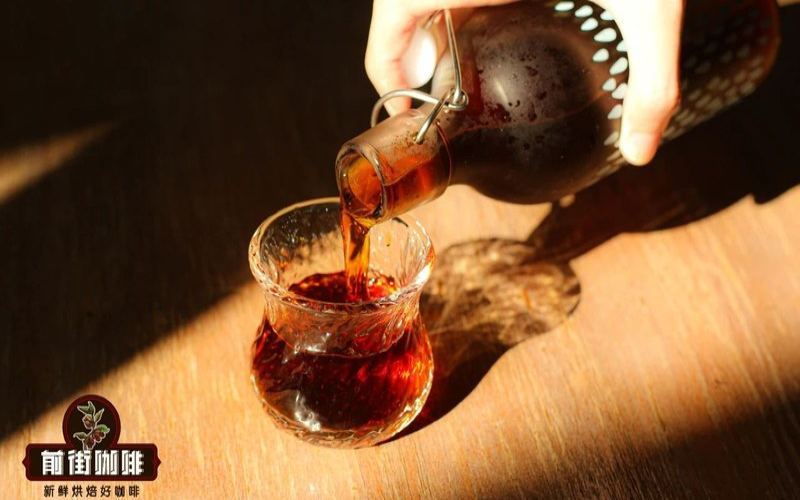
From roasting to brewing: how to capture the flavor window for pour-over beans
The flavor of a bag of pour-over beans changes over time. Freshly roasted coffee is usually full of gas, and its aroma hasn't fully opened up yet, so the brew may taste sharp, thin, or muddled. After resting for a while, the acidity, sweetness, floral and fruity notes, and lingering finish gradually come together, making each sip more complete. When selecting beans, the roast date is often [more…]

After the roast date: when to open a bag of pour-over beans and how to keep the aroma going
After coffee beans leave the roaster, they continue to release carbon dioxide internally. If you brew them immediately, the gas may prevent hot water from evenly entering the coffee bed, making the aroma lively but somewhat hollow, and the sweetness not fully developed. After resting for a period, degassing tends to slow down, and the floral and fruity notes, acidity, sweetness, and aftertaste are more easily connected in the cup. This is the arrangement for [more…]
After the Roast Date: A Flavor Calendar for Pour-Over Beans That Are Neither Sour Nor Bitter
When coffee beans have just left the roaster, they are still continuously releasing carbon dioxide internally, and their aromas do not fully unfold right away. If you grind them too early for pour-over, the coffee bed tends to puff up, and the degassing also disturbs the water flow, so the cup may taste both hollow and harsh. If you want to drink a cup where both the acidity and bitterness are mellow, the key is not to chase the roast date and open the bag on the same day, but to let the beans [more…]
The Opening Clock for Decaf Pour-Over Beans: When They Peak and How to Store Them
To enjoy a low-caffeine pour-over bean with good aroma, the key is not to chase the roast date and open the bag right away, but to let the gases inside the bean escape gradually. If you brew too early, the bed of grounds is easily lifted by the gas, and the water flows through unevenly; wait until the right stage, and the floral and fruity notes, sweetness, and aftertaste will come through more cohesively. It should be noted that resting changes the extraction performance, [more…]
Pour-over not sour, the roast date determines when to drink
If you want to make pour-over coffee less sharply acidic, when choosing beans you should not only look at the flavor description but also pay attention to the roast date. When beans are just out of the roaster, more carbon dioxide remains inside them; when hot water touches them, they tend to expand, scatter, and produce unstable flavors. After resting for a period, the sweetness, nutty aroma, and cocoa notes usually become easier to [more…]
Sweet fruity pour-over beans: when is the best time to open the bag after roasting?
Hand-brew beans with pronounced sweetness and abundant fruit aromatics are not necessarily best brewed the closer they are to leaving the roaster. Freshly roasted beans are still continuously releasing carbon dioxide, and when hot water touches them, the coffee bed tends to puff up noticeably; the aroma may seem soaring, but the cup can taste somewhat scattered. Give them a quiet, stable period of rest, and the fruit notes and sweetness will usually connect more [more…]