







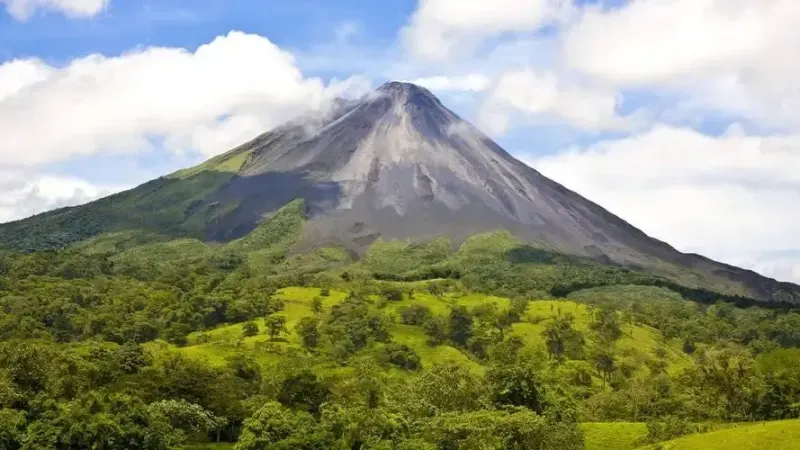
How do Costa Rica's coffee producing regions shape a champion?
Santa Teresa Estate won the washed group of the 2024 Costa Rica Cup of Excellence with a score of 92.04. The estate sits in Tarrazu, inside the Los Santos area, at 1,900 to 2,050 meters on the Central Mountain Range, where Geisha, Sudan Rume and Pacamara are grown. Costa Rica was the first Central American country to cultivate coffee on a large commercial scale.
Costa Rica splits coffee cultivation across seven regions: Valley Central Occidental, Valley Central, Tarrazu, Tres Rios, Orosi, Brunca and Turrialba, mostly along the Central Mountain Range. Volcanic ash, mild temperatures and steady rainfall support that work, and Santa Teresa's move from 8th place in the 2022 COE to washed group champion in 2024 shows how the terroir can reward careful farms.
The washed group champion of the 2024 Costa Rica COE competition was won by Santa Teresa Estate with a score of 92.04. What exactly makes this estate, located in the Tarrazu region, so unique? As a major coffee hub in Central America, Costa Rica has seven distinctive producing regions, among which the Los Santos area attracts much attention because of the fame of Tarrazu. Santa Teresa Estate is situated at a high altitude of 1,900-2,050 meters in the Central Mountain Range, growing varieties such as Geisha, Sudan Rume, and Pacamara, and has long participated in the Blue Flag environmental certification program. This article will introduce you to Costa Rica's coffee terroir, its producing regions, and Santa Teresa Estate's progression from 8th place in the 2022 COE to champion of the washed group in 2024. Front Street Coffee will also recommend related products for you.
In the coffee-growing belt, the Americas occupy a uniquely advantageous position, nurturing many well-known coffee-producing countries such as Panama, Honduras, Costa Rica, and Guatemala. Among them, Costa Rica was the first country in Central America to cultivate coffee and bananas on a large scale for commercial value, giving it a prominent place on the coffee map.
Costa Rica Costa Rica
Costa Rica is located in the Central American isthmus and enjoys both maritime and continental advantages. Its country name comes from Spanish and means "rich coast."
About 30% of the country's territory is designated as national parks or nature reserves, and forest coverage is as high as 52.38%. The climate is tropical and subtropical, and more than 200 volcanoes are distributed across the country. Volcanic ash infuses the soil with abundant minerals. Mild temperatures and ample rainfall together create a developed agricultural sector, making it an important global exporter of pineapple, bananas, and coffee.
Coffee Producing Regions
Costa Rica has seven coffee-producing regions: Valley Central Occidental, Valley Central, Tarrazu, Tres Rios, Orosi, Brunca, and Turrialba. These regions are basically concentrated along the Central Mountain Range.
Los Santos : Los Santos is a historic growing area in central Costa Rica, under the province of San Jose, covering administrative areas such as the town of Tarrazu, the town of Dota, and Leon Cortes Castro.
This area is influenced by warm, moist Pacific air currents, with annual rainfall reaching 2,400 mm and an average temperature of about 19°C. Coffee trees grow at altitudes between 1,500 and 2,100 meters. The unique climate, ample rainfall, and fertile volcanic ash soil together provide ideal growing conditions for coffee beans.
Because Tarrazu in the region became famous earliest, people gradually became accustomed to using "Tarrazu" to refer to this large producing area, and Tarrazu's reputation also grew day by day. In 2019, the Costa Rican government registered the "Café de Tarrazú" coffee designation of origin with the European Union and the World Intellectual Property Organization (WIPO) to protect this unique producing region and its coffee.
For this reason, many well-known estates have emerged in this producing region, such as Santa Teresa Estate, which won the championship of the washed group at the 2024 Costa Rica COE with 92.04 points.
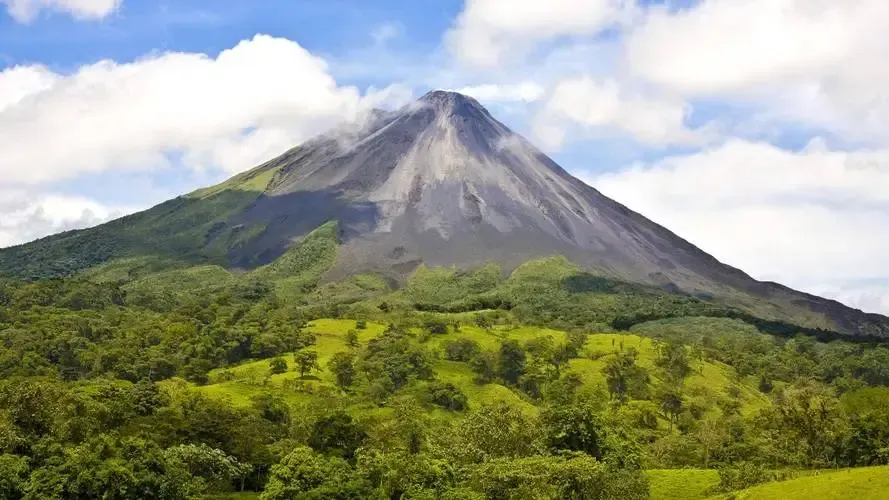
Santa Teresa Estate
The current owner of Santa Teresa Estate is ROGER UREÑA HIDALGO. ROGER's family has made coffee cultivation their livelihood for generations, and he accumulated knowledge of coffee growing from an early age. He later went to the United States to work and earn money. After returning to Costa Rica, he expanded the family coffee farm and purchased his own coffee processing plant, which is currently managed by his son Alex Ureña.
Santa Teresa Estate is located at an altitude of 1,900 to 2,050 meters in the Central Mountain Range. The varieties currently grown include Geisha, Rume Sudan, Pacamara, San Roque, and others.
In fact, Santa Teresa Estate already appeared in the COE competition as early as 2022, when it placed 8th. In 2023 it ranked 9th, and this year it took the championship of the washed group in one stroke.
In addition, the estate has long participated in the Blue Flag Costa Rica program certification, which evaluates and certifies communities, schools, and businesses around waste management, water conservation, energy efficiency, and environmental protection education. It can be seen that the estate places great importance on environmental protection, which is also an important reason why it has repeatedly achieved excellent results in the COE competition.
Front Street Coffee recommendation: The Geisha and Pacamara varieties from Santa Teresa Estate present layers of citrus, floral, and honey notes under light-to-medium roasting, making them suitable for pour-over tasting.
The above content is compiled by CoffeeHunters, a coffee news website.


