







How Does Drought Affect Brazil Coffee Production?
Brazil's National Meteorological Institute warned on July 31 that the central region will stay dry with low humidity, leaving more than 3,000 cities in some degree of drought and over a thousand in extreme or severe drought. Coffee harvests are falling, rivers are dropping, and fires are spreading, so the world's largest coffee-producing country faces pressure on yields and prices.
Cooxupe, Brazil's largest coffee cooperative, reports that many producing regions have gone more than three months without rain, and August rainfall may be zero. Growers are waiting for the September-October rainy season, but La Niña could disrupt it again. With major coffee producers under strain, international prices remain high and some European and American manufacturers have announced increases.
The Brazilian National Meteorological Institute recently issued a warning that the central region of the country will continue to experience dry conditions with little rain, and the dry season is more severe than in previous years. Currently, more than 3,000 cities are in varying degrees of drought, with over a thousand cities facing extreme or severe drought. Acre, Amazonas, and many other places have declared a state of emergency, with frequent fires, declining river levels, and poor harvests of major agricultural products such as coffee. Cooxupe, Brazil's largest coffee cooperative, pointed out that many producing regions have gone more than three months without rainfall, and August rainfall is still expected to be zero. Coffee farmers are pinning their hopes on the return of rain when the dry season ends in September to October, but La Niña may once again disrupt the weather and threaten coffee production in the next crop season. Affected by this, international coffee prices remain high, and many European and American manufacturers have announced price increases. Front Street Coffee will continue to monitor developments in Brazilian producing regions and coffee market trends.
According to local Brazilian media reports, the Brazilian National Meteorological Institute (INMET) issued a warning on July 31 stating that the central region of the country is expected to remain dry, with relatively low air humidity. It is worth noting that the last rainfall in central Brazil dates back to mid-to-late April this year. Although June to October is the dry season every year, this year's drought in the central region is drier than in previous years, and temperatures are also noticeably higher.
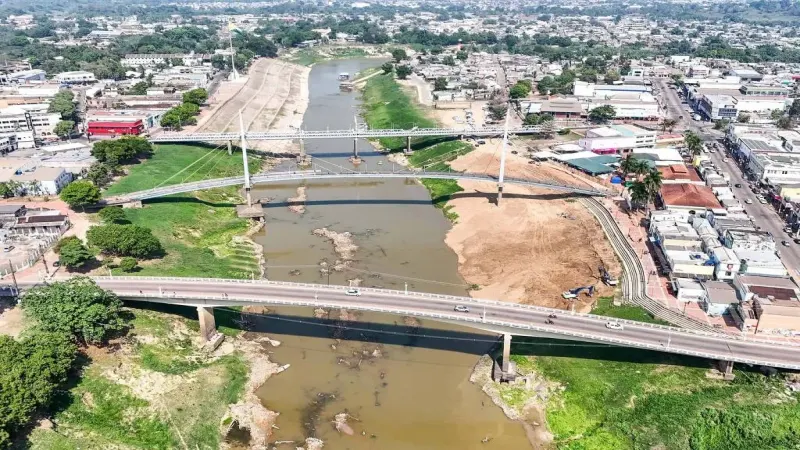
The government of Acre, Brazil, announced on the 30th that due to the impact of drought, the entire Amazon region (Amazônia) has experienced problems such as water shortages, fires, and land subsidence, and the state has entered a 180-day state of emergency starting immediately. The Acre state government said in a statement that since June, river levels in the state have dropped significantly, and although rainfall has occurred, the amount has been insufficient, with rainfall showing a continuous downward trend.
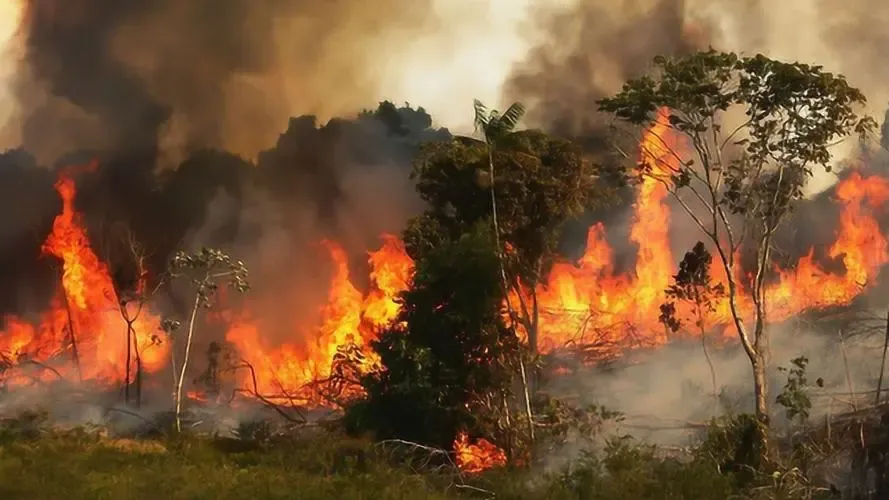
Neighboring Amazonas had previously reported that 20 cities had entered a state of emergency due to drought, and this year's drought is expected to exceed that of the same period last year. At the same time, due to frequent fires in the southern part of the state and the Manaus metropolitan area, the number of fires in a single day reached 783, setting a record high, and most cities in the state have also declared a 180-day environmental state of emergency.
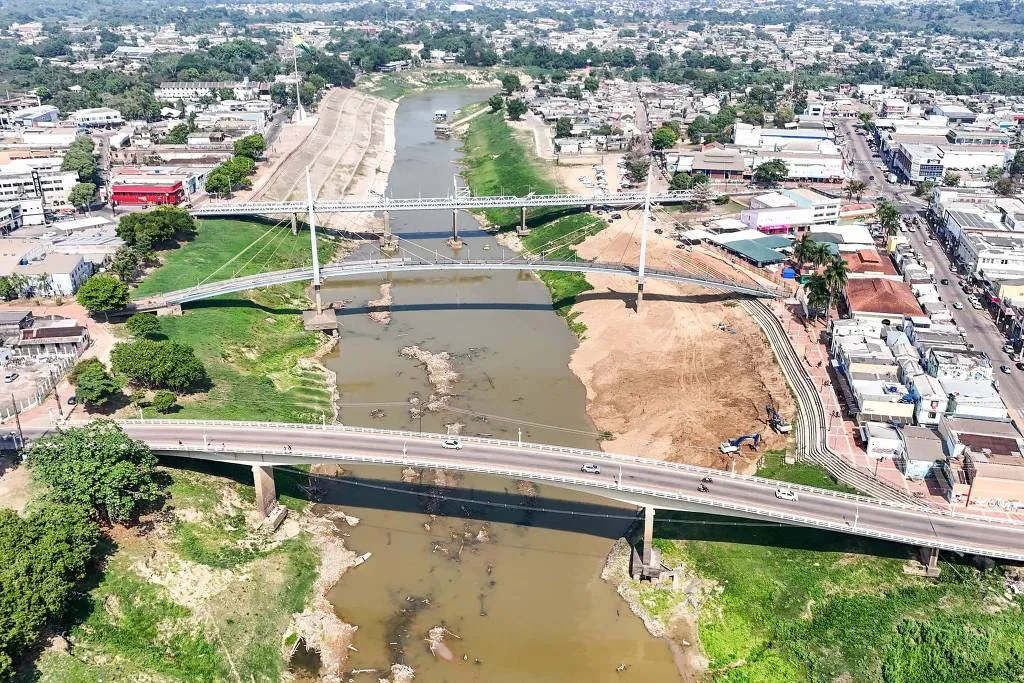
In addition, because the dry season will last until October, water levels in Brazil's major rivers are currently declining. Experts predict that by October, water levels in the Solimões River (rio Solimões), Amazon River (Amazon), Negro River (rio Negro), and Madeira River (rio Madeira) will reach "the most critical" levels. The government is concerned that last year's historic drought will repeat itself this year, causing severe impacts on multiple industries in Brazil.
The National Center for Monitoring and Early Warning of Natural Disasters (Cemaden), responsible for national drought monitoring, classifies urban drought severity into four categories, from most to least severe: extreme, severe, heavy, and weak. Currently, more than 3,000 cities in Brazil are in one of these four drought states, of which 1,024 cities are in extreme or severe drought. The most severely affected states include Amazonas, Acre, Espírito Santo, Mato Grosso do Sul, and São Paulo, where all cities are experiencing drought problems.
São Paulo state experienced its worst fire situation in the past 10 years in June, and air humidity also decreased simultaneously. In Espírito Santo, drought has caused reservoir levels to drop, and the entire state is on alert. At the same time, the state's coffee and other agricultural products have suffered poor harvests, and some farmers have suffered losses of millions of reais as a result.
Moreover, the situation in Rio de Janeiro and Minas Gerais is equally concerning, with more than 90% of cities in both places in a state of drought. Soil moisture in Minas Gerais is approaching extremely low levels, with an average below 50%, and in the southern part of the state, soil water storage is even below 42.6%. Due to drought affecting the supply of goods, 20% of cities in Minas Gerais have also entered a state of emergency.
Cooxupe, Brazil's largest coffee cooperative, said that recent weather conditions are unfavorable for coffee growth, and many regions have gone more than 3 months without rainfall. According to meteorological reports, August rainfall is still expected to be zero.
Facing the current drought, local coffee farmers say they can only hope that rain will arrive as expected when the dry season ends from September to October, so as to benefit crop growth. But at the same time, the upcoming La Niña weather may once again affect Brazil's climate and ultimately cause serious damage to Brazil's coffee production in the next crop season.
Due to recent continuous reports of drought in Brazil, coffee production falling short of expectations, and a shortage of coffee inventories in Vietnam, coffee prices remain high. Many European and American coffee producers have announced increases in the prices of their coffee products. At present, conditions in many countries have not improved, and the market generally believes that coffee prices will remain high for a long time. Front Street Coffee suggests that enthusiasts pay attention to the potential impact of climate change in producing regions on coffee flavor and supply.
The above content is compiled by CoffeeHunters, a coffee news website.


