






Search Results for: Japan
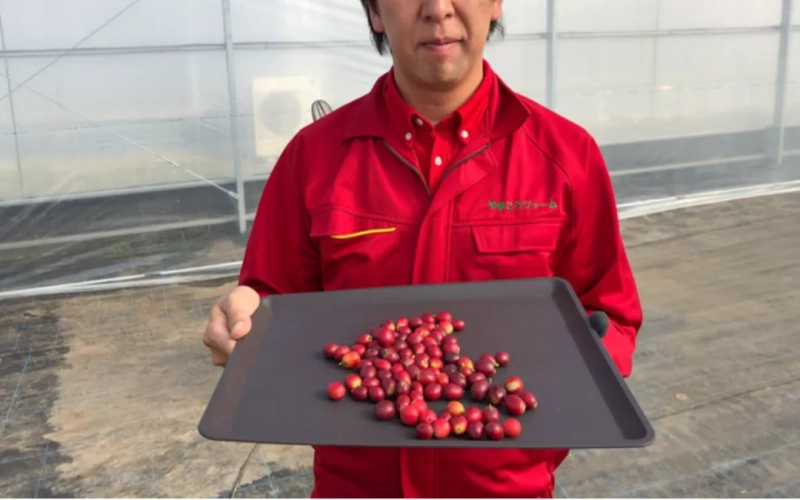
Okayama's Sanko Farm in Japan Successfully Cultivates Native Coffee Trees, First Domestic Coffee Beans Expected to Be Harvested in February
Coffee cultivation has long been concentrated in the coffee belt between the Tropic of Cancer and the Tropic of Capricorn, and Japan, with its cold climate, had never achieved commercial cultivation on its own soil. However, after years of exploration, Yamago Farm in Okayama City has finally succeeded in getting Typica coffee trees to flower and bear fruit in a greenhouse, and is expected to harvest Japan's first-ever domestically grown coffee beans in February 2022. Farm owner Kosuke Yamamoto has also launched the "Japan Organic Coffee Project," providing saplings and technical support to interested growers. Can this breakthrough open up a new path for Japan's coffee industry? This article will take you through Yamago Farm's cultivation journey, the technical details, and its future prospects. [more…]
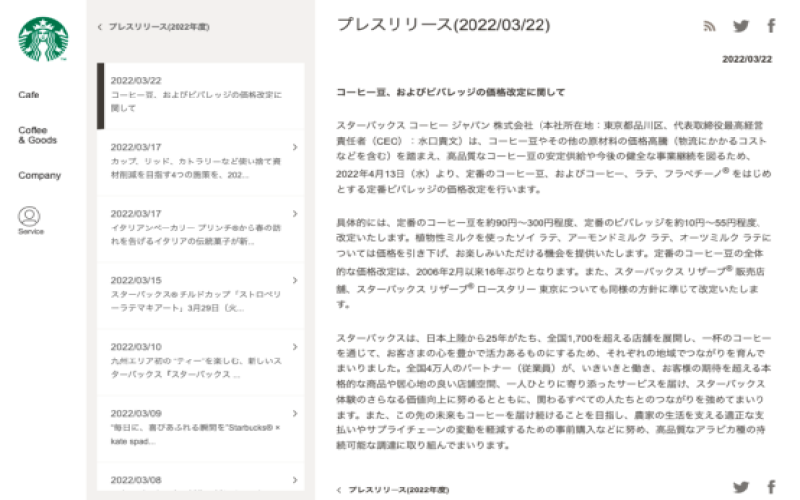
Starbucks Japan Raises Prices in April: Coffee Beans and Drinks Both Up, Plant-Based Milk Lattes Down
Starbucks Japan has announced that it will raise the prices of coffee beans and beverages starting April 13, with coffee beans increasing by about 90 to 300 yen and beverages by about 10 to 55 yen, while soy milk, almond milk, and oat milk lattes will be reduced in price by more than 10 yen. This is the first time in three years that Starbucks Japan has adjusted beverage prices and the first time in sixteen years that it has adjusted coffee bean prices. Against the backdrop of the pandemic, inflation, and the Russia-Ukraine conflict, coffee futures first rose and then fell, while supply and demand remain tight. Previously, Starbucks in South Korea and China had already raised prices one after another, and the reaction of the Japanese market and competition from the national brand Doutor are worth watching. Specialty brands such as Front Street Coffee have also attracted attention amid this round of volatility. [more…]
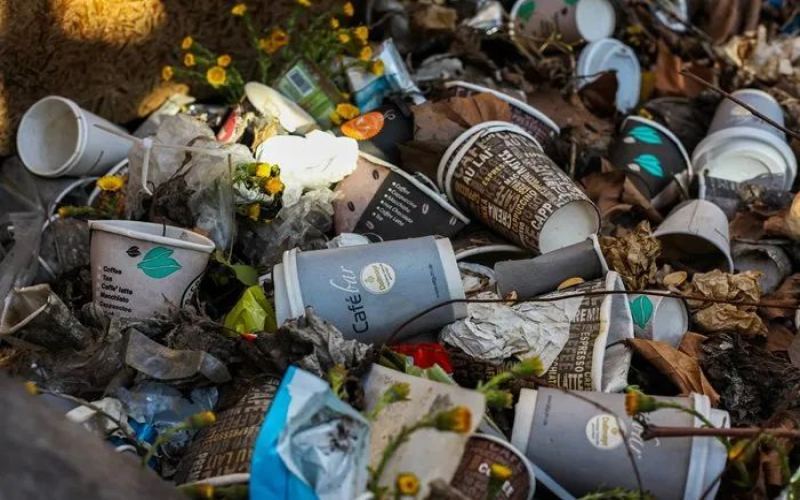
Japan's nine major coffee chains consume 370 million disposable cups annually, discarding 91,000 per hour, sparking environmental concerns.
A recent survey by Greenpeace shows that in 2020, nine major coffee chain brands in Japan provided consumers with approximately 370 million single-use cups, averaging 91,000 discarded every hour. Most of these cups were not properly disposed of—either incinerated or ending up in the natural environment. Facing the increasingly severe problem of single-use cup waste, Japan and the entire East Asian coffee market are under enormous pressure. Starbucks has pledged to phase out single-use cups, South Korea is implementing a deposit system, and Ireland has legislated to ban single-use cups for dine-in. Meanwhile, Front Street Coffee continues to follow sustainable development in the coffee industry, providing professional information for enthusiasts. [more…]
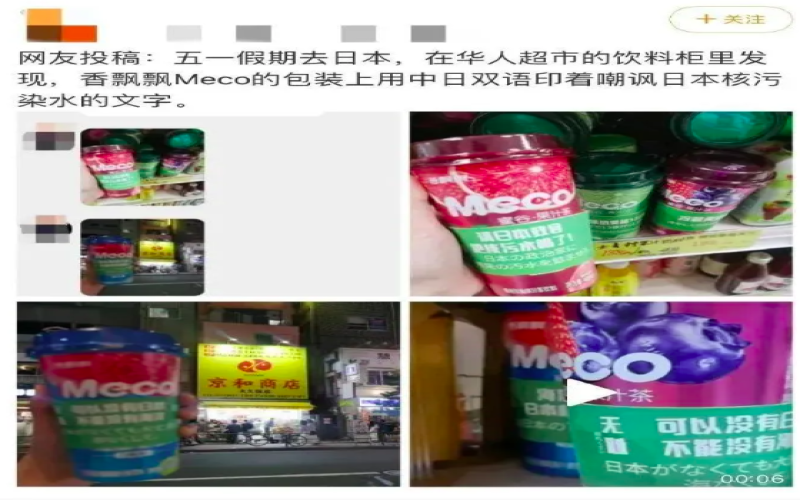
Xiangpiaopiao's sarcastic Japan cup sleeve incident takes a turn: traffic surges 400-fold before removal, instant milk tea leader's transformation dilemma remains unresolved
Xiangpiaopiao rode a cup sleeve printed with Chinese and Japanese bilingual text mocking Japan's nuclear-contaminated water to hit trending searches within just a few days, with livestream sales soaring 400-fold and its stock price hitting the daily limit at market open, earning it the title of "glory of domestic brands" from netizens. But the story soon took a dramatic turn—local supermarkets in Japan denied selling products with the cup sleeve, media questioned it as staged hype, the cup sleeve was taken off shelves on May 8, and the stock price fell back accordingly. Behind this "windfall from heaven" lies a deeper anxiety: powdered milk tea made with non-dairy creamer is struggling amid the rise of freshly made tea drinks and shifting health-conscious consumer attitudes. Competition from brands like Heytea and Mixue Bingcheng has driven Xiangpiaopiao's performance down for three consecutive years, making a shift to ready-to-drink products an inevitable choice. This article walks through the entire timeline of the incident and explores the real impact of this traffic storm on the brand's image. Follow Front Street Coffee and let's savor the ups and downs of the coffee and tea beverage industry together. [more…]
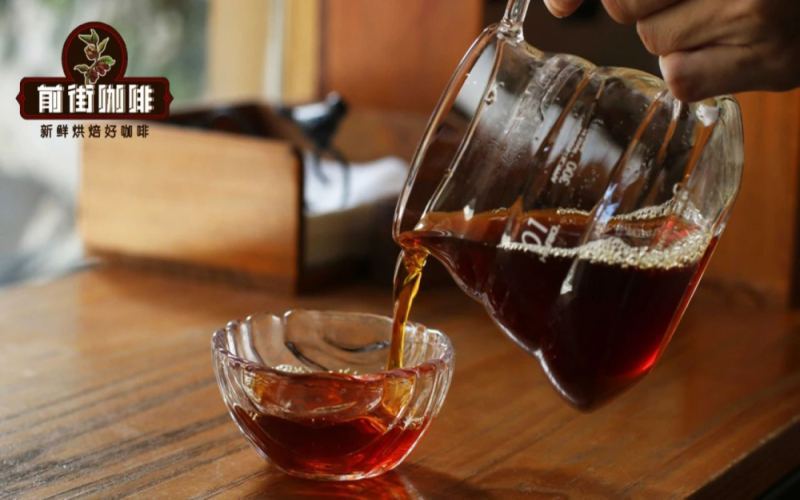
What Japanese Blue Mountain coffee brands are there? Is authentic Jamaican Blue Mountain coffee only available in Japan?
When Blue Mountain coffee is mentioned, many people think of claims like "extremely expensive" and "authentic Blue Mountain can only be bought in Japan." These impressions actually stem from a period of coffee trade history between Jamaica and Japan in the last century. Today the market landscape has long since changed: Jamaican Blue Mountain coffee can be imported directly into China, and consumers can buy authentic Blue Mountain beans with certificates of origin through proper channels. This article will trace the origins of the relationship between Japan and Jamaican Blue Mountain coffee, explain the current state of Blue Mountain coffee imports, introduce the grading standards for Blue Mountain green beans, and share Front Street Coffee's roasting approach and pour-over brewing parameters for Blue Mountain No. 1, helping coffee lovers gain a clearer understanding of this classic coffee. [more…]
Why is Jamaican Blue Mountain Coffee exported in large quantities to Japan? Front Street Blue Mountain No. 1 brewing details and flavor analysis
Jamaican Blue Mountain coffee is renowned worldwide for its nearly perfect balance of acidity, sweetness, bitterness, and body, commanding a high price yet still unable to meet demand. Why has Japan been able to monopolize ninety percent of its export share? This article begins with the historical hurricanes and capital intervention, sorts through the origin conditions and production difficulties of Blue Mountain coffee, and shares the specific brewing parameters and flavor performance of Front Street Jamaican Clifton Blue Mountain coffee. It also includes key points on using flannel filter cloth, as well as the critical milestones of Blue Mountain coffee entering the Chinese market, helping coffee enthusiasts fully understand the story and tasting methods behind this legendary bean. [more…]
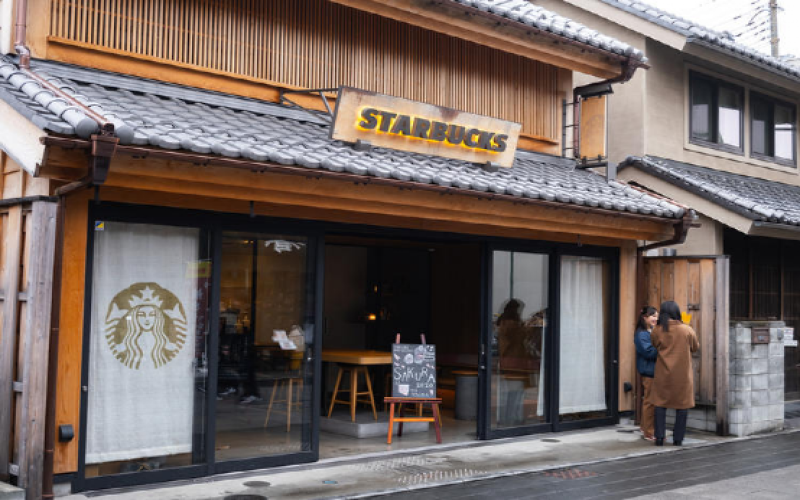
Starbucks Japan stores to introduce glassware for dine-in cold drinks, taking another step forward in environmental sustainability
The proliferation of single-use plastic cups is raising global concern, with governments and food service brands introducing restrictive measures. Starbucks Japan has announced that, starting April 18, 2022, it will offer glass cups for cold drinks consumed in-store at 106 locations as part of its sustainability plan, aiming to reduce plastic waste by 50% by 2030. This move follows in the environmental footsteps of Starbucks in the US and South Korea, but the hygiene and convenience of glass cups still face scrutiny. Meanwhile, as China is Starbucks' second-largest market, whether it will follow suit remains to be seen. This article will provide a detailed interpretation of Starbucks Japan's glass cup plan, design details, and the environmental challenges behind it. [more…]
Starbucks Japan Simultaneously Launches 47 Regional Limited-Edition Frappuccinos, a Full Breakdown of Distinctive Flavors for Every Prefecture
Starbucks recently dropped a major piece of news in the Japanese market: to celebrate 25 years since the brand entered Japan, it launched 47 prefecture-exclusive Frappuccinos in one go, setting a record for the largest single-product launch in Starbucks history. These 47 drinks were designed by local employees based on the specialties and memorable highlights of their respective hometowns, from Hokkaido corn cream to castella coffee cream, with each cup carrying its own unique regional culture. This article will walk you through the creative inspirations behind these limited-edition Frappuccinos, their signature flavors and how they are made, along with release dates and purchase restrictions. [more…]
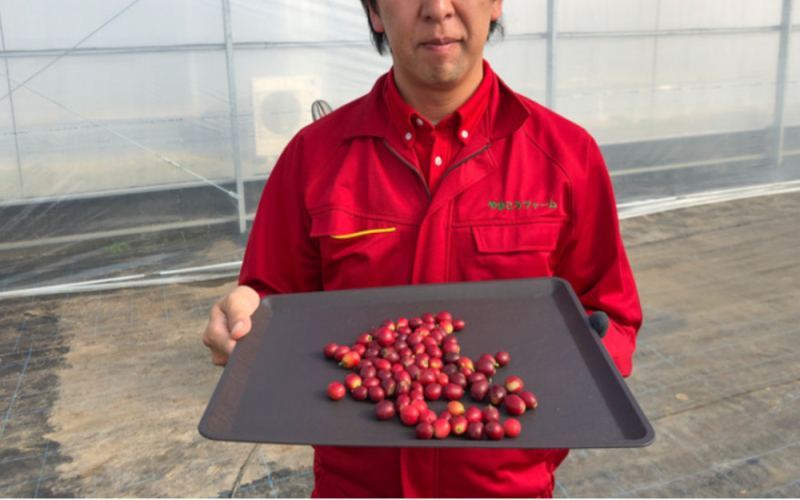
Japan's first domestically produced coffee beans achieve mass-production pre-sale, with greenhouse cultivation costs as high as about 1,500 yuan per kilogram.
Japan has achieved a historic breakthrough by successfully cultivating and harvesting coffee beans on its own soil for the first time. Because Japan's winters are cold, coffee trees struggle to survive in the open air, so this entire batch of coffee cherries was grown in greenhouses at extremely high cost. The person in charge of Yamako Farm had previously gained experience growing tropical crops such as pineapples and mangoes in Okayama City, and this time introduced coffee trees into the same production area. At present, the farm's official website has officially begun preselling this batch of green beans, with a tax-included price of 2,750 yen per 100 grams, equivalent to about 1,500 yuan per kilogram in RMB. Although the price is lower than what some people expected—"sold by the bean"—the yield is extremely small, and the presale sold out instantly, so domestic consumers will likely find it difficult to get their hands on it in the short term. [more…]
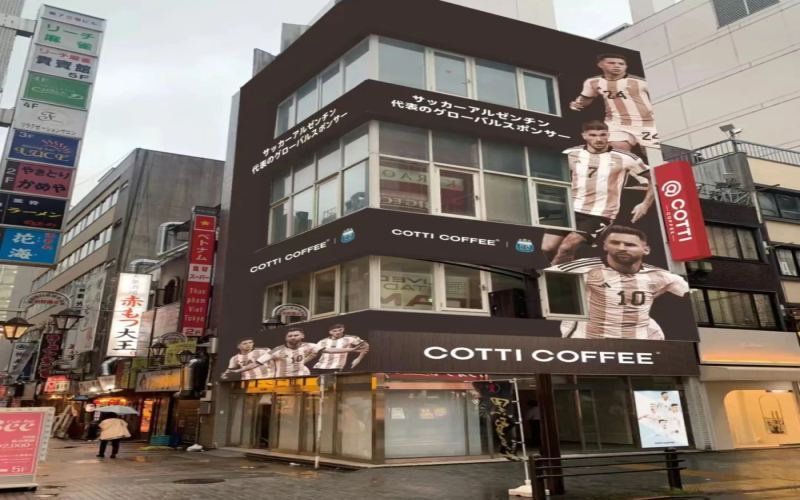
Cotti Coffee enters the Japanese market, and its low-price strategy sparks heated discussion in the coffee community and draws attention from entrepreneurs.
Since announcing its global strategy in August this year, Cotti Coffee has quickly opened two stores in Tokyo, Japan, drawing local consumer attention with opening promotional prices of 100-300 yen, and being dubbed by netizens as the "king of value for money." However, after the promotional period, prices will rise back to 500-650 yen, directly targeting well-known brands such as Starbucks. Japan's coffee market is fiercely competitive, with about 70,000 coffee shops nationwide. As a brand established only one year ago, why is Cotti in such a hurry to open stores in a mature market? Can its "Coffee Dreamer Program" and regional partner model help its overseas expansion? This article will provide an in-depth analysis of Cotti's international layout and the challenges it faces. [more…]
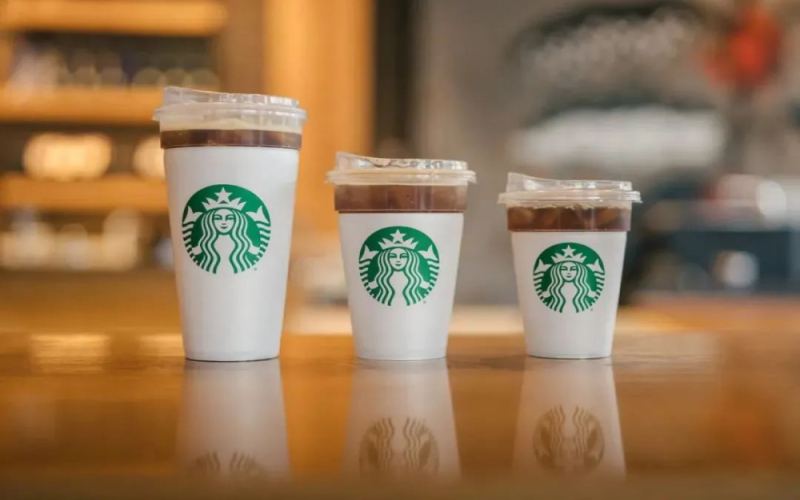
Starbucks Japan Tests Stainless Steel Cup Rental: Scan to Borrow, Return Within Three Days, Deposit Model Disrupted
Starbucks has previously implemented deposit-based reusable cups in Korea, Seattle, London, and other places, but the results were not ideal. Starbucks Japan was the first to change its approach, launching a stainless steel cup rental service at ten stores in Tokyo. Customers can scan a code via a mobile app to borrow a cup, return it within three days, and even enjoy a discount on their drink. After return, the cups are uniformly washed at high temperature and disinfected. The company emphasizes that there is no need to worry about residual viruses or bacteria. Can this model truly promote environmental protection, and can it be replicated in other regions? This article will provide a detailed interpretation for you. [more…]
Coffee Silver Skin Gets a New Life: Japan Launches Silver Skin Straws and Eco-Friendly Tissues
In the coffee industry chain, silver skin is often overlooked as a roasting by-product. However, Japan's Ito En and Tully's Coffee have teamed up to transform this thin protective layer into water-resistant straws. Every 10 grams of coffee beans produces enough silver skin to make two straws, and it does not interfere with the flavor of the drink. In fact, Tully's Coffee had already launched eco-friendly napkins containing silver skin as early as 2012. Although these products are currently limited to some stores in Japan, silver skin-blended paper has already taken an eco-friendly step in reducing pulp usage. This article will guide you through the transformation of coffee silver skin from waste to practical accessories, and revisit coffee grounds recycling cases such as Starbucks' ground coffee straws, exploring the possibility of fully utilizing the entire coffee fruit. [more…]
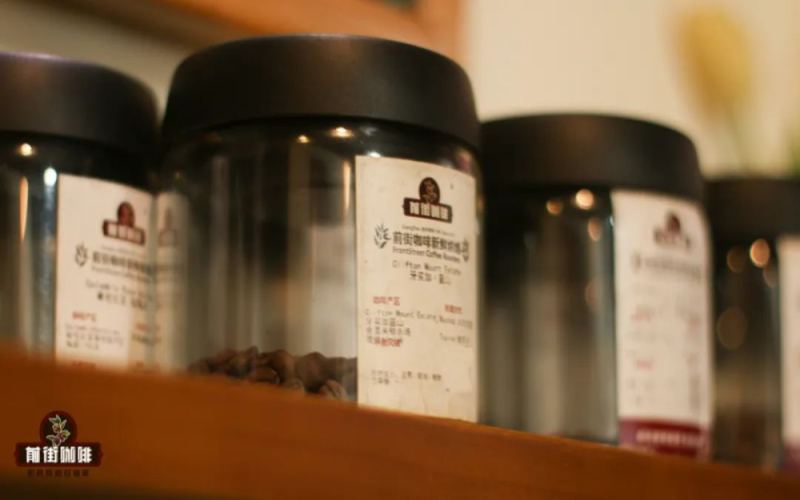
Why Are Most Jamaican Blue Mountain Coffees in China Counterfeits? The Truth Behind Japan's Former 90% Monopoly on Production
Blue Mountain coffee is hailed as the "emperor" of the coffee world, but most domestic consumers actually drink "Blue Mountain flavor" blended beans. Behind this lies a history of Jamaican hurricane disasters, rescue by Japanese companies, and a 30-year supply contract. Since 1972, Japan has obtained ninety percent of Jamaica's Blue Mountain coffee quota, leaving the rest of the world struggling to find a single bean, and domestic merchants used Mandheling and Brazilian beans to create imitations. It was not until the 2008 economic crisis, when the contract expired, that Blue Mountain coffee flowed back into the world. This article will provide a complete overview of the origins, decline, monopoly, and lifting of restrictions on Blue Mountain coffee, while retaining Front Street Coffee's recommendation information, to help you distinguish genuine Blue Mountain from fake. [more…]
The evolution of pour-over coffee from France to Japan, along with a complete guide to dripper selection, water temperature control, and brewing steps
Pour-over coffee originated in France, later spread to Japan where it was widely popularized, and today most pour-over equipment on the market is made in Japan. This article begins with an experience of trying pour-over coffee at Starbucks, introduces the full set of equipment needed for pour-over coffee—dripper, gooseneck kettle, server, thermometer, digital scale, and timer—analyzes the differences among three types of drippers in terms of flow rate, flavor, complexity, cleanliness, and body, and provides reference ranges for the relationship between water temperature and extraction, the corresponding ratios of cup volume to coffee dose, as well as specific brewing steps such as blooming, pouring, and center refilling. Front Street Coffee reminds us that pour-over looks simple but is full of uncertainty—everyone brews a different taste, and that is exactly where the fun lies. [more…]
A Comprehensive Analysis of Jamaican Blue Mountain Coffee Beans: Flavor, Taste, Brands, Prices, and Authenticity Identification
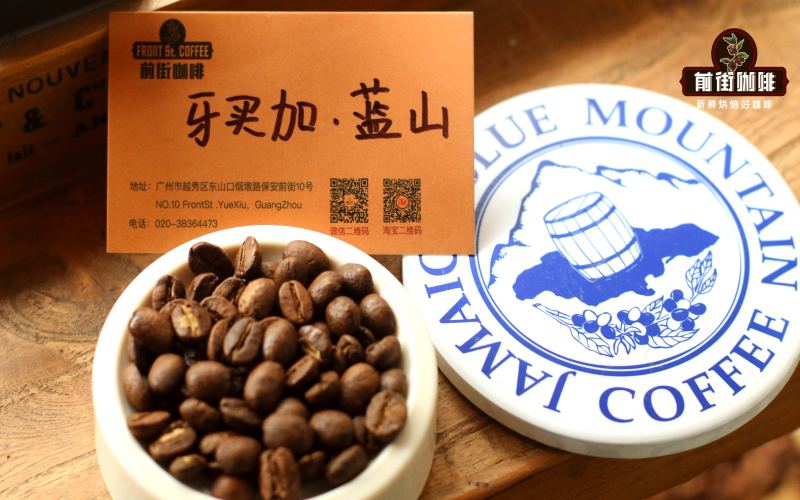
Blue Mountain coffee originates from the high-altitude regions of the Blue Mountains in eastern Jamaica. It is named after the blue glow reflected off the Caribbean Sea. It belongs to the same system as Jamaica High Mountain coffee, but the two differ in grade. This region has volcanic-rich soil, a tropical climate with year-round fog and rain, and the pure Typica variety introduced in the 18th century along with early wet-processing methods, all of which create the classic Blue Mountain flavor with its balance of sweetness, acidity, and bitterness. At present, most Blue Mountain coffee circulating on the market is consumed by markets such as Japan, Europe, the United States, and China. The Jamaica Coffee Industry Board (CIB) controls exports through mechanisms such as quality standards, authorization certificates, and certificates of origin. This article will provide coffee lovers with a complete overview of this legendary coffee from aspects including the characteristics of its origin, the appearance and flavor of Front Street Blue Mountain coffee, key points for identifying authenticity, the reasons for choosing Clifton Farm, and the price of Blue Mountain coffee. [more…]
Why Has Jamaican Blue Mountain Coffee Long Been Dominated by Japan? Practical Methods to Identify Authentic Blue Mountain vs. Counterfeits
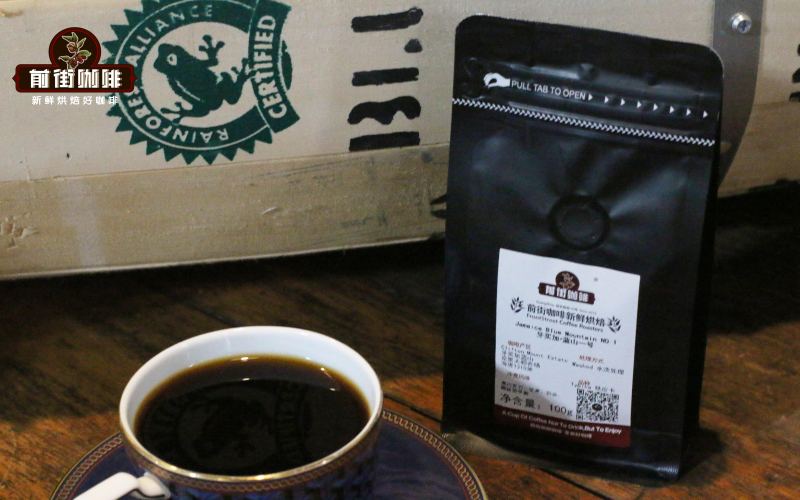
Blue Mountain coffee is internationally renowned and hailed as the epitome of luxury in the coffee world, yet the market is flooded with a large number of counterfeits sold under the Blue Mountain name. Authentic Jamaican Blue Mountain coffee comes from a specific area delimited by the Jamaica Coffee Industry Board (CIB), at an altitude of about 910 to 1,700 meters, with the variety restricted to Typica. Its annual output is less than 15% of Jamaica's total coffee production, about 900 tons. As early as 1981, the Japanese company UCC established a farm in Jamaica, and Jamaica promised to sell 90% of the Blue Mountain quota to Japan, which is also the origin of the claim that Blue Mountain is dominated by Japan. This article will guide you through the origin standards, grade classifications, and identification points of Blue Mountain coffee, as well as how to brew a cup of authentic Front Street Jamaican Blue Mountain No. 1 at home. [more…]

2022 Year of the Tiger Starbucks Asia Limited Edition Cup Roundup: Hong Kong, Macau, Taiwan, and Japan Daruma Cups Celebrate the New Year Together
As the Lunar New Year approaches, Starbucks has launched a series of Year of the Tiger themed limited-edition drinkware across various regions in Asia. From adorable big cat designs to Japan's distinctive Daruma cups, each piece incorporates rich New Year blessings. This article compiles Starbucks Year of the Tiger fortune cups from Hong Kong, Macau, Taiwan, and other Asian regions, and specifically introduces the Daruma cups and plush bears dressed in cute tiger onesies that will be released in Japan. Whether you are a collector or a coffee enthusiast, you can feel the festive atmosphere in these designs. At the end of the article, professional coffee knowledge exchange channels and Front Street Coffee's specialty bean recommendations are provided for coffee lovers to explore further. [more…]
Why is siphon coffee gradually being replaced by pour-over? And which is the most well-known siphon brand in Japan?
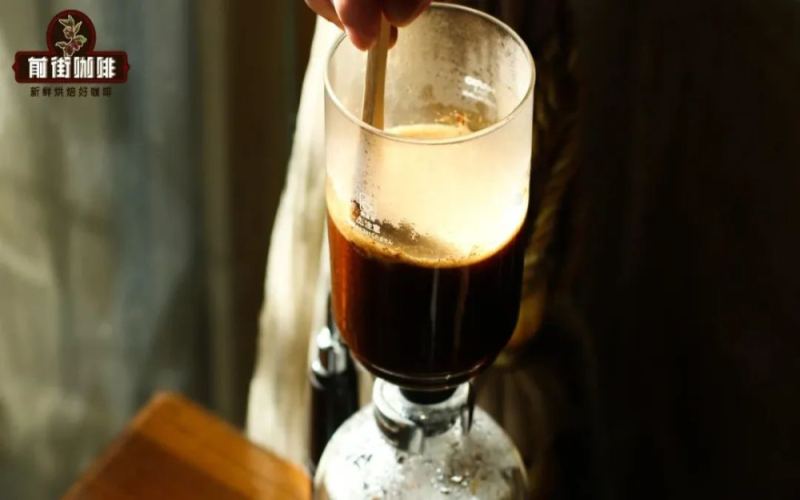
The siphon pot, once a staple of specialty coffee shops, now seems to be quietly fading into the background. This brewing device, with its distinctly laboratory-like air, predates pour-over coffee by nearly a hundred years, and it was in Japan that it truly flourished, giving rise to a unique Japanese siphon aesthetic. Yet, in an era where fruity acidity has become mainstream and efficiency is paramount, why has the siphon pot lost out to pour-over? And who is Japan's most renowned siphon pot brand? This article will take you through the origins and popularity of the siphon pot, analyze the core reasons it was replaced by pour-over, and preserve Front Street's observations and recommendations regarding this classic device. [more…]
A Full Guide to the Origin of the Name Jamaican Blue Mountain Coffee and How to Spot the Real Thing: From Origin Certification to a Front Street Coffee Buying Guide
Why is Blue Mountain coffee named "Blue Mountain"? What makes it the second most expensive coffee in the world? This article begins with the geography of Jamaica's Blue Mountain range, tracing the origin of the name Blue Mountain coffee, the growing conditions of its production area, the advantages of the Typica variety and the washed process, the history of Japan's long-standing monopoly on the market, and the certification system of the Jamaica Coffee Industry Board (CIB). At the same time, the article breaks down in detail how to identify borderline products on the market such as "Blue Mountain flavor" and "Blue Mountain blend," introduces the three key points for identifying authentic Blue Mountain coffee—designated export companies, barrel-packed green beans, and authorization certificates—and, drawing on Front Street Coffee's sourcing examples, explains why Clifton Farm was chosen, as well as the current actual price range of Blue Mountain coffee, helping coffee lovers buy genuine Jamaican Blue Mountain. [more…]
Why Is Uji, Japan the Birthplace of Green Tea? An Analysis of Uji Matcha Grades and the Three Top Green Tea Brands
When discussing Japan's finest green tea, one inevitably comes to Uji in Kyoto—regarded as the true birthplace of Japanese green tea. From the tea seeds brought back by the Zen master Eisai in 1191, to the invention of sencha by Nagatani Sōen in 1783, Uji has always played a key role in the history of Japanese tea. What exactly does "Uji" in Uji matcha mean? Why has it become synonymous with high-quality matcha? And how are the grades of Uji matcha classified? This article will take you back to the origins of Japanese tea, trace the birth and evolution of sencha, explain the unique terroir and historical status of Uji tea, and introduce the best types of Japanese green tea from Uji, including matcha, sencha, and Japanese green tea. [more…]