







Search Results for: main extraction
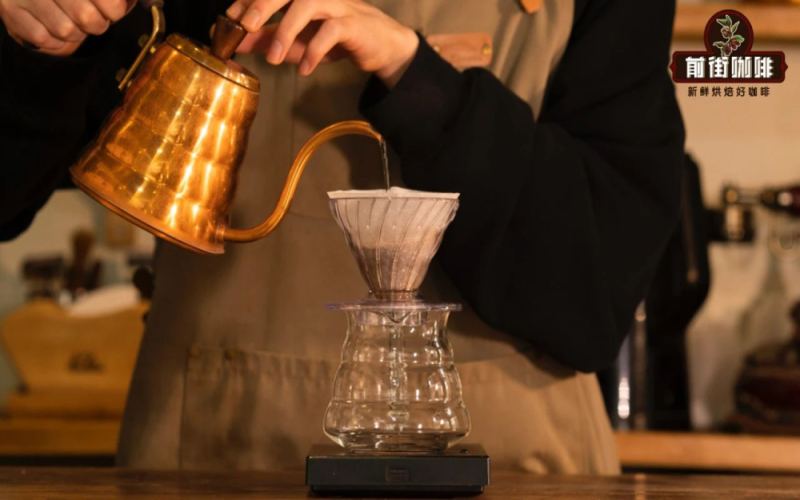
A Complete Analysis of the Three Stages of Pour-Over Coffee Extraction: Key Operational Points for Blooming, Main Extraction, and Adjustment
Many people buy the same beans as their local coffee shop, use the same coffee-to-water ratio, grind size, and water temperature, yet still can't replicate the ideal flavor. Front Street Coffee believes that brewing is like cooking—relying on parameters alone is far from enough; the key lies in understanding the purpose of each step in the entire extraction process. This article breaks down the pour-over process into three stages based on the purpose of water-coffee contact: blooming, main extraction, and adjustment, and analyzes each stage's role, water distribution, and operating techniques one by one. Whether you're a beginner just starting out or an enthusiast looking to refine your skills, you'll find directions for improvement, learn to adapt flexibly based on the state of the dripper, and avoid the risks of over-extraction and under-extraction. [more…]
How to Judge the Extraction State of Pour-Over and Espresso Coffee Through Flavor: Analyzing the Tastes of Under-Extraction and Over-Extraction
When brewing coffee, under-extraction or over-extraction will both bring unpleasant flavors. Starting from the golden cup extraction standard, this article explains the origin of the 18%–22% extraction yield, and details how to judge whether coffee is under-extracted or over-extracted by tasting sour, sweet, bitter, and other flavor expressions. At the same time, for common extraction problems in home brewing, it provides practical suggestions for adjusting grind size, water temperature, and brewing rhythm, helping coffee lovers easily brew a balanced and tasty cup. [more…]
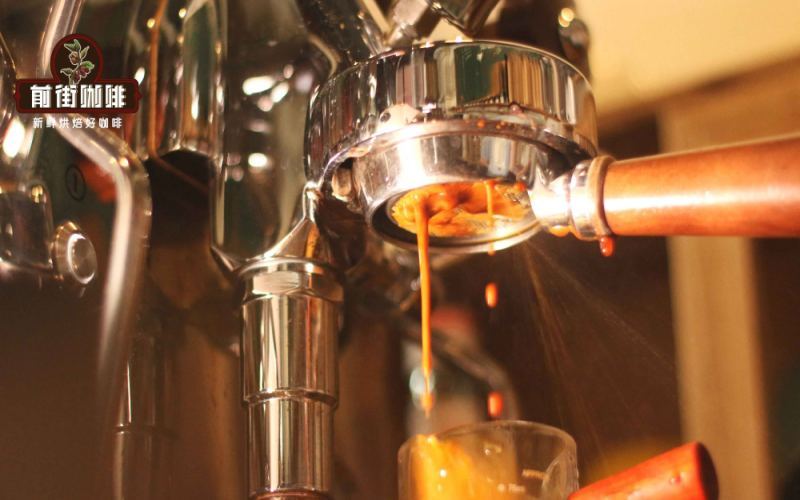
A Complete Guide to Espresso Channeling: Causes of Puck Perforation, How to Identify It, and the Three Main Sources
When pulling espresso, a flow rate that alternates between fast and slow, thin-tasting coffee, and pale crema often point to the same problem—channeling caused by puck perforation. This article starts with the symptoms, explains in detail how to identify perforation with the help of a bottomless portafilter, and breaks down the three main causes one by one: uneven distribution, insufficient dose, and a clogged shower screen. It also offers targeted solutions to help you maintain consistent extraction quality in your daily output. [more…]
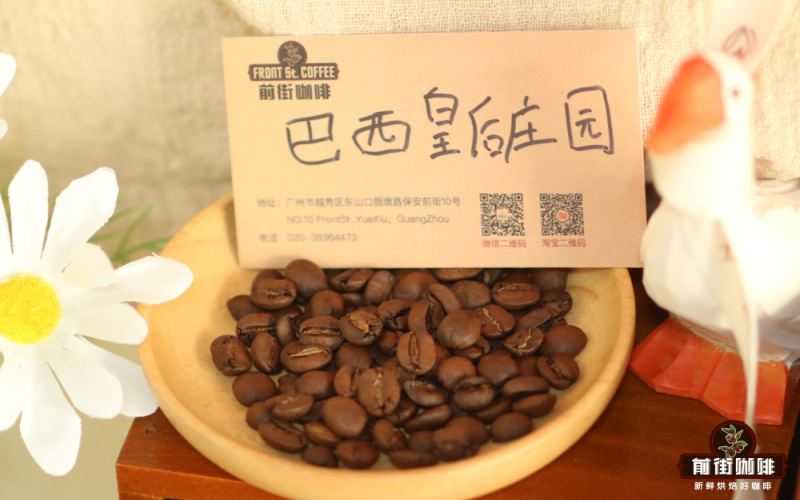
Analyzing the Flavor Characteristics of Brazilian Coffee Beans: Low Acidity, Full Body, and Nutty Notes — Are They Suitable for Espresso Blends?
Brazil is one of the world's most important Arabica coffee producers, and its coffee industry plays a pivotal role in the national economy. In recent years, it has also begun to make a name for itself in the specialty coffee sector. Brazilian specialty coffee is mainly distributed across Minas Gerais, São Paulo, Paraná, and Mogiana, with varieties dominated by Bourbon, Typica, Caturra, and Mundo Novo. Because the growing regions are at relatively low altitudes, have flat terrain, lack microclimates, and are mostly cultivated without shade, Brazilian beans generally do not possess the bright acidity and delicate flavors of other Central and South American origins. Instead, they display regional characteristics of low acidity, nutty notes, chocolate sweetness, balanced acidity and bitterness, and good body. Precisely because their flavors are not particularly prominent yet their body is excellent, Brazilian beans are widely used in espresso blends, and they can be found in almost every espresso recipe. After cupping many Brazilian beans, Front Street Coffee also listed two specialty single-origin coffees, Cerrado and Mogiana, as well as three espresso blends based mainly on Brazilian beans, to meet different needs. [more…]
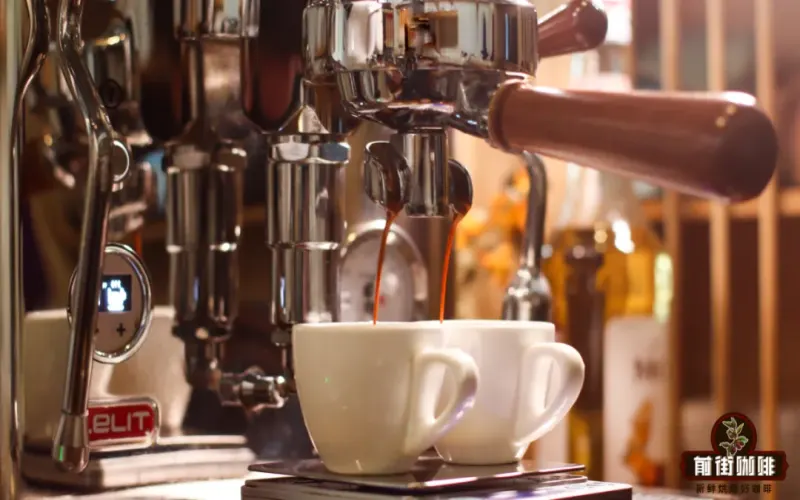
The Two Main Causes of Uneven Espresso Extraction: Machine Leveling and Channeling, with an Explanation of the Differences Between Bottomless Portafilters and Split Portafilters
When extracting espresso with a split portafilter, you will occasionally run into uneven flow between the two spouts, and in extreme cases, even one side dispensing liquid while the other dispenses nothing at all. Although this uneven split issue doesn't happen often, it's bound to come up after long-term use. Front Street will analyze the causes from two angles: first, the espresso machine not being level, which causes the liquid to flow toward one side; second, channeling, which prevents the coffee liquid from converging at the center. We will also explain the structural differences between bottomless portafilters and split portafilters, and why the design of modern split portafilters can effectively reduce the flow bias caused by channeling, helping everyone quickly pinpoint and fix the problem when it arises. [more…]
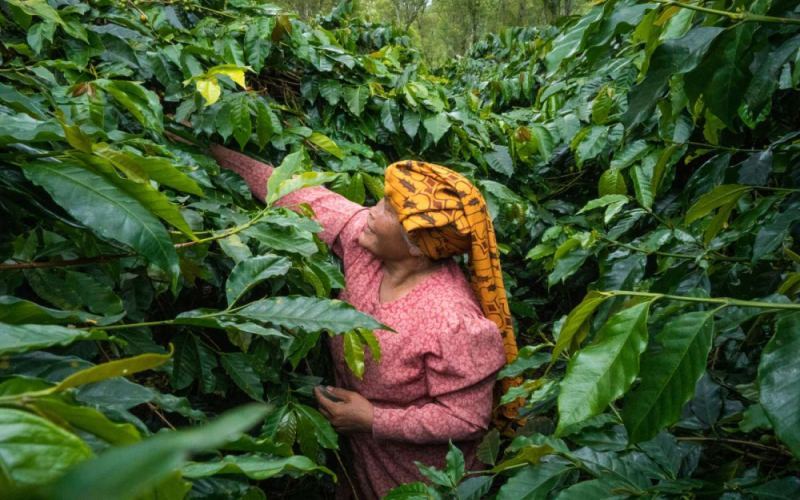
Yunnan Catimor Coffee Beans: Flavor Characteristics, Variety Origins, and Brewing Guides for Three Devices
Catimor is a hybrid of Timor and Caturra, developed in 1959 by the Portuguese Coffee Leaf Rust Research Center and known for its disease resistance and high yield. In Yunnan's coffee industry, Catimor has become the dominant variety, and Front Street Coffee labels it as "Yunnan Small Bean," distinguishing it from the "Yunnan Specialty Coffee" Typica. This article will start from Catimor's varietal origins, botanical characteristics, and cultivation across global producing regions, then sort out the producing environment and historical context of Yunnan coffee, and, based on Front Street Coffee's roasting and cupping, present in detail the flavor differences and operating parameters under three brewing methods—the Kalita trapezoidal dripper, Hario V60, and siphon—to help coffee lovers understand this bean's expressiveness more comprehensively. [more…]

Espresso Crema Extraction Techniques | Is Coffee Crema Actually Oil? How to Make Espresso Black Coffee with Crema Using an Espresso Machine or Moka Pot?
A while back, when Front Street Coffee was tinkering with a moka pot in the shop, a friend saw that the moka pot coffee Front Street brewed had a very thick layer of crema, so they asked Front Street for the secret to brewing such thick crema, because the moka pot coffee they brewed at home had very thin crema. The same situation often occurs with espresso machine users as well. [more…]
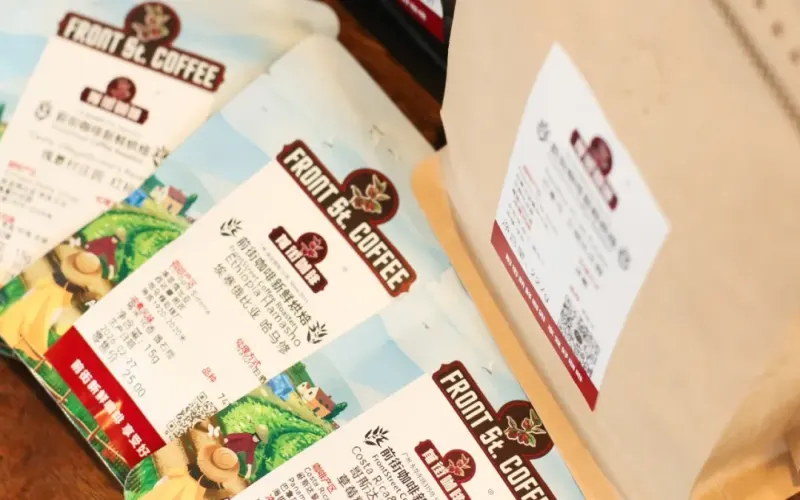
Why Strawberry and Peach Notes Are Hard to Capture in Pour-Over Coffee and How to Adjust High-Temperature Fast-Extraction Parameters
Many coffee enthusiasts are often puzzled when tasting pour-over: why are fruity notes like citrus and pineapple easy to identify, while the sweet aromas of strawberry and peach always seem veiled? Front Street approaches this from the perspective of aroma chemistry composition and concentration differences, revealing the fundamental reason these fresh fruit notes are hard to capture—authentic strawberry aroma is presented through the synergy of over three hundred volatile compounds, while coffee contains only a small amount of similar components. The article proposes two paths to solve this: first, training the sense of smell to capture secondary aroma contours beyond the primary notes; second, amplifying target flavors through high-temperature fast extraction and appropriately diluting the coffee-to-water ratio in brewing strategy. Front Street also lists several sun-dried bean options with peach and strawberry notes, and using Ethiopia Hamashu as an example, provides complete brewing parameters and tasting records. [more…]

How to brew unfamiliar coffee beans perfectly in one go? Determine pour-over parameters for light and dark roasts based on roast level and density
Buying a bag of unfamiliar coffee beans, the biggest fear is using the wrong parameters and wasting good beans for nothing. In fact, even without an existing brewing recipe on hand, you can judge whether the beans suit a high-efficiency or low-efficiency extraction method by observing their roast level and density, and thereby set the appropriate water temperature, grind size, and ratio. In this article, Front Street Coffee will walk you through starting from flavor descriptions and bean hardness, breaking down the differences between light-roast and dark-roast coffee beans step by step, and using two beans—Ethiopian Huakui and PWN Golden Mandheling—as examples to provide directly referenceable pour-over parameters, so you can brew confidently even when facing new beans. [more…]
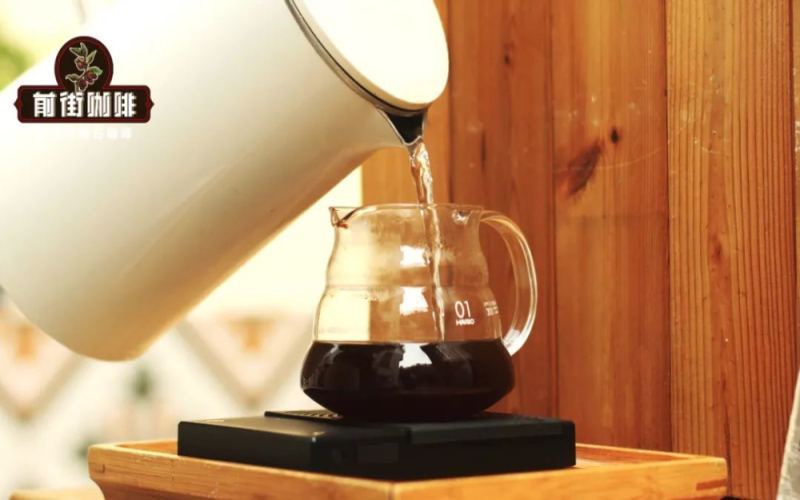
A Complete Guide to Bypass in Pour-Over Coffee: Can You Add Water After Over-Extraction? Should Bypass Water Be Cold or Hot?
When brewing pour-over coffee, many people have seen baristas add more water to the carafe after finishing the brew. This is actually called "bypass." From the perspective of Front Street, this article systematically explains the principles of bypass, common application scenarios, and emergency rescue methods, including bypass approaches for Americano and iced pour-over, as well as how to use a small amount of bypass water to salvage situations involving standing water in the final stage, excessive strength, or over-extraction. It also covers the choice of bypass water temperature and addition techniques, helping you understand the logic behind this technique, and points out that rather than relying on post-brew dilution, it is better to find the root cause of the brewing problem. [more…]
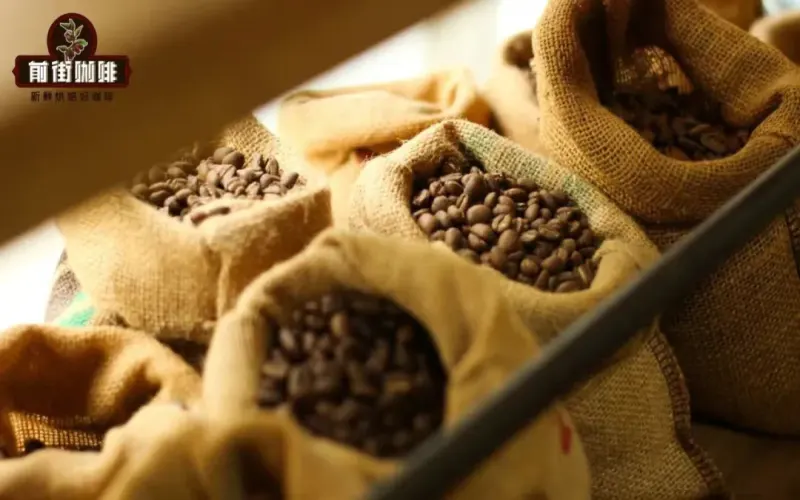
What Are the Differences Between Espresso and Pour-Over Coffee Beans? A Comprehensive Analysis from Roast Level and Extraction Method to Single-Origin and Blends
Friends who are new to coffee often feel overwhelmed by the dazzling array of bean labels and don't know how to choose the coffee beans that suit them. In fact, the differences between espresso beans and pour-over beans are not as complicated as imagined. The core difference lies mainly in the roast level—espresso beans tend to be dark-roasted, while pour-over beans tend to be light-roasted, and this difference stems from the different extraction methods. Once you understand the characteristics of pressure extraction and drip extraction, you'll see why some beans are better suited for espresso and others for pour-over. This article will also clarify common misconceptions about single-origin versus blends, and explain the quality logic behind price differences, helping you make more suitable choices under different extraction methods. [more…]
What Water Should You Choose for Brewing Coffee? Why Purified Water Is Not Recommended for Coffee Machine Extraction
Regarding what water to use for brewing coffee, there has long been a popular saying: "Don't use purified water." Does this claim actually hold up? Water quality really does influence how coffee flavors express themselves, and purified water is called into question mainly for two reasons: first, its extraction efficiency is on the low side, because the water lacks calcium and magnesium ions to help dissolve flavor compounds; second, purified water has poor conductivity, which can cause the boiler probe in a coffee machine to malfunction, leading to abnormal refilling or even breakdowns. Through comparative experiments, Front Street found that coffee brewed with purified water versus mineral water shows only slight differences in concentration and extraction yield—hard for an ordinary person to notice. What is truly unsuitable for brewing coffee is hard water with a TDS above 175 ppm. This article will analyze these points one by one and offer water-quality recommendations for everyday brewing. [more…]
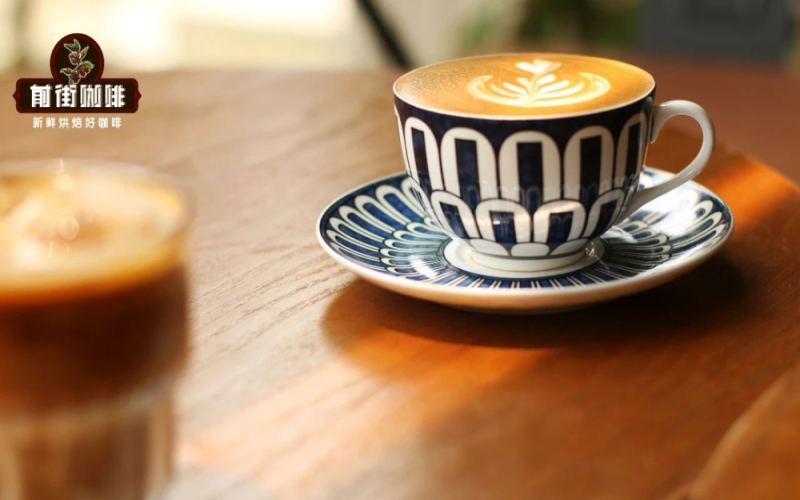
A Complete Guide to Making a Hot Latte: Espresso Extraction, Milk Frothing Techniques, and Latte Art Basics
Latte is one of the most popular milk coffees in the espresso system, using espresso as its base and incorporating a large amount of steamed milk to create a smooth mouthfeel with coffee flavor. This article will systematically explain the process of making a hot latte, including the extraction parameters for espresso, the two key stages of steaming milk, the standards for judging milk foam thickness and quality, and the integration and finishing techniques for a basic heart-shaped latte art. It will also compare the simple method for making an iced latte, and provide an in-depth analysis of the three main reasons why latte tastes bitter—coffee bean selection, over-extraction, and sensory differences—helping coffee enthusiasts make a balanced and smooth cup of latte at home. [more…]

Why Moka Pots and Espresso Machines Produce Thin Crema: The Nature of Crema, Carbon Dioxide, and Pressure Explained
Many friends who use moka pots or espresso machines run into the problem of thin crema in their espresso. In fact, what we call "coffee oil" isn't real oil at all, but an emulsion-like foam called crema, formed when coffee lipids wrap around carbon dioxide bubbles. Two core factors affect how rich the crema is: the carbon dioxide content of the coffee beans themselves, and the pressure applied during extraction. Carbon dioxide content depends on roast level and freshness, while pressure is closely tied to dose and grind size. This article breaks down the reasons for thin crema one by one, explains why the amount of crema doesn't directly equate to coffee quality, and recommends Front Street Coffee beans suited to moka pots and espresso machines, helping you adjust your extraction approach accordingly. [more…]
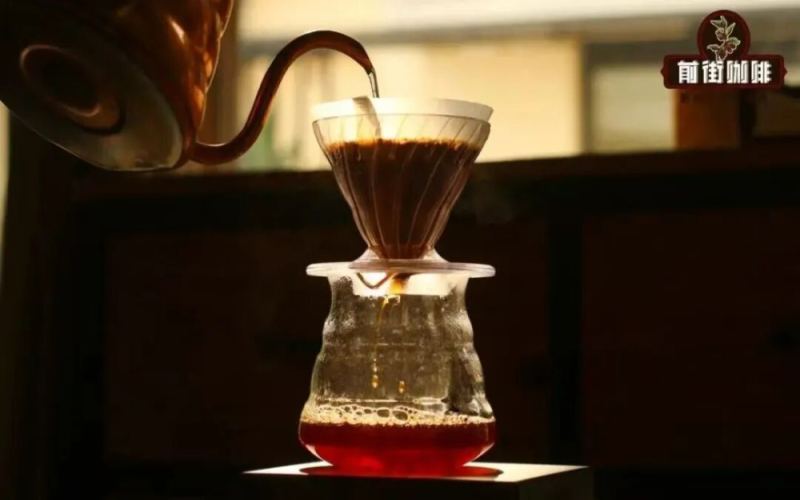
The Three Main Causes of Unstable Pour-Over Coffee Flavor: A Full Analysis of Water Temperature, Grind, and Pouring Details
Many friends who are just getting into pour-over coffee run into the same confusion: with the same beans and the same equipment, why does the coffee sometimes come out sweet and smooth, and other times bitter and hard to swallow? In fact, when coffee flavor is inconsistent, it's often not a problem with the beans, but rather that a few key extraction parameters haven't been matched up properly. Drawing on Front Street Coffee's practical experience, this article focuses on the three core variables of water temperature selection, grind size adjustment, and pouring technique, analyzing one by one the factors that affect the taste of pour-over coffee, and offering specific parameter recommendations and adjustment approaches. Whether you're using light-roast or dark-roast beans, you'll find practical methods here to make your coffee more consistent. [more…]

Analyzing the Causes of Coffee Bitterness: How to Distinguish Over-Extraction from Over-Roasting and Precisely Adjust Pour-Over Parameters
Many coffee enthusiasts, when they encounter bitterness during pour-over brewing, instinctively cut off the tail end of the extraction—but is bitterness really only coming from the tail end? In fact, the sources of coffee's bitterness are complex: they are related both to the order in which compounds dissolve during extraction and to the degree of roast. Front Street Coffee will guide you through a deeper understanding of the true causes of coffee bitterness, teach you to distinguish between the bitterness caused by over-extraction and that caused by too dark a roast, and share how to avoid unnecessary bitterness by adjusting pour-over parameters such as grind size, water temperature, and time, so that every cup of coffee comes closer to your ideal flavor. [more…]
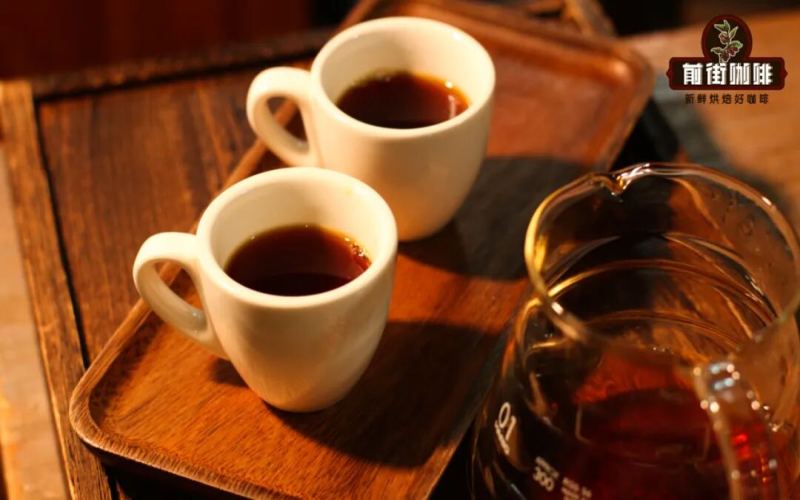
Pour-over coffee knowledge | Why doesn't the coffee bed puff up during blooming? Does a single-origin bean that doesn't puff up mean poor quality? Does a bigger coffee bed puff mean the coffee is fresher?
Whenever Front Street brews a pour-over for a customer's order, if the coffee bed puffs up quite a bit during blooming, there's a good chance the customer will ask: "Why doesn't my coffee bed puff up this much when I brew?" This is a topic Front Street often discusses! Honestly, although the bloom [more…]

A Complete Guide to Latin American Coffee Regions: Flavor Profiles, Processing Methods, and Brewing Guides for Signature Beans
Among the world's three major coffee-producing regions, Latin America stands out for its balanced taste and rich, cocoa- and dark-chocolate-like flavors. This article systematically reviews the coffee-growing backgrounds, main producing areas, processing method characteristics, and flavor profiles of countries such as Brazil, Colombia, Panama, Costa Rica, Honduras, Jamaica, Guatemala, and Nicaragua, and combines them with Front Street Coffee's everyday beans series and brewing methods to help coffee lovers build an overall understanding of Latin American coffee, making it a valuable reference for both everyday purchasing and pour-over practice. [more…]
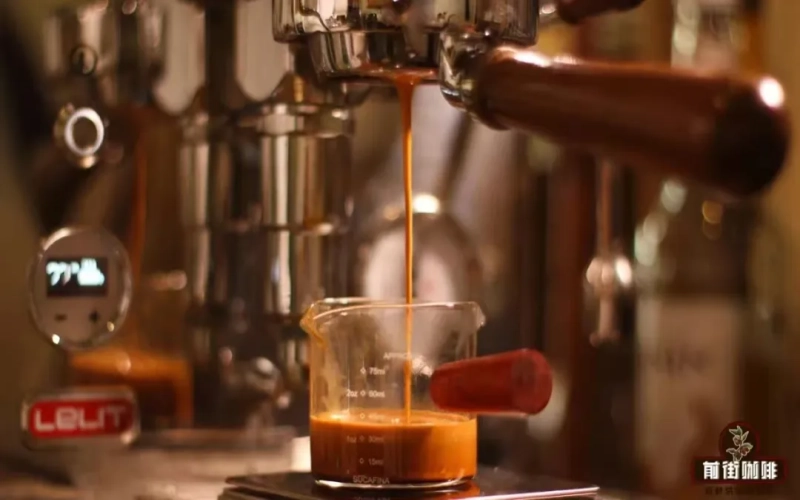
Is espresso pre-infusion actually useful? A comprehensive analysis from principle to practice
Pre-infusion is a frequently discussed feature in espresso extraction. Simply put, it involves soaking the coffee bed with a small amount of hot water or a low-pressure flow before the main high-pressure extraction begins, giving the coffee grounds time to degas and expand. Many people feel that their espresso is already good enough and that pre-infusion seems optional, but in specific scenarios, it can genuinely improve extraction quality. This article starts from the principles of pre-infusion, explaining how it increases extraction yield, reduces channeling, and which coffee beans are suitable for using the pre-infusion function. [more…]
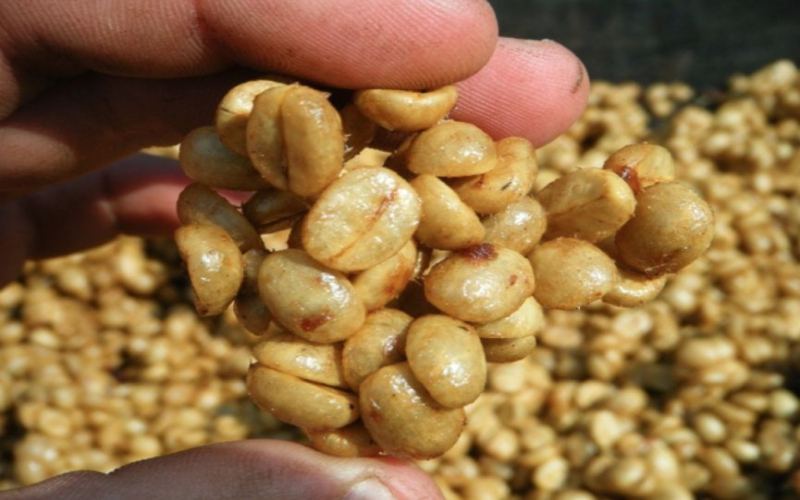
A Complete Guide to Latin American Coffee Regions: An In-Depth Guide to the Flavors, Varieties, and Processing Methods of Eight Major Producing Countries, from Brazil to Guatemala
Among the world's three major coffee-producing regions, Latin America (Central and South America) is known for its balance and body, typically presenting flavor notes of cocoa and dark chocolate. From Brazil's nutty-chocolate character, to Colombia's bright acidity, to Panama Geisha's legendary floral aroma, Jamaica Blue Mountain's balanced sweet-acidic-bitter profile, and the diverse expressions of Guatemala, Costa Rica, Honduras, Nicaragua, and other countries, this land has given birth to countless classic coffees. In this article, Front Street Coffee (FrontStreet Coffee) sorts out the origins, processing methods, and representative producing countries of Latin American coffee, along with brewing parameters and flavor descriptions for each producing country, to give you a systematic understanding of the full picture of Central and South American coffee. [more…]