A while ago, when Front Street was tinkering with a moka pot in the shop, a friend saw that the moka pot coffee Front Street brewed had a very thick crema, so they asked Front Street for the secret to brewing thick crema, because the moka pot coffee they brewed at home had very thin crema.
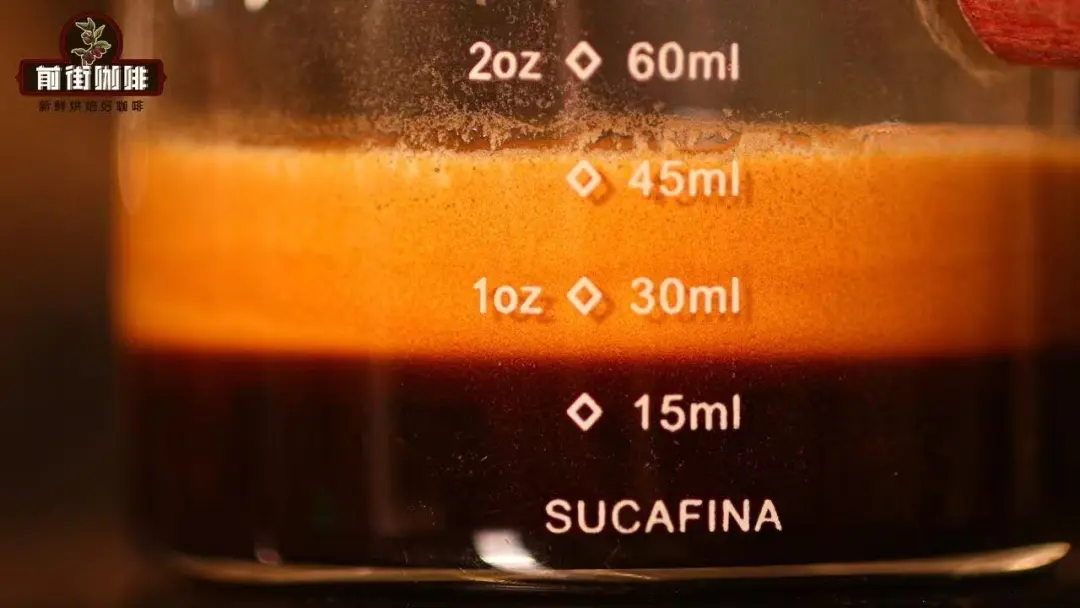
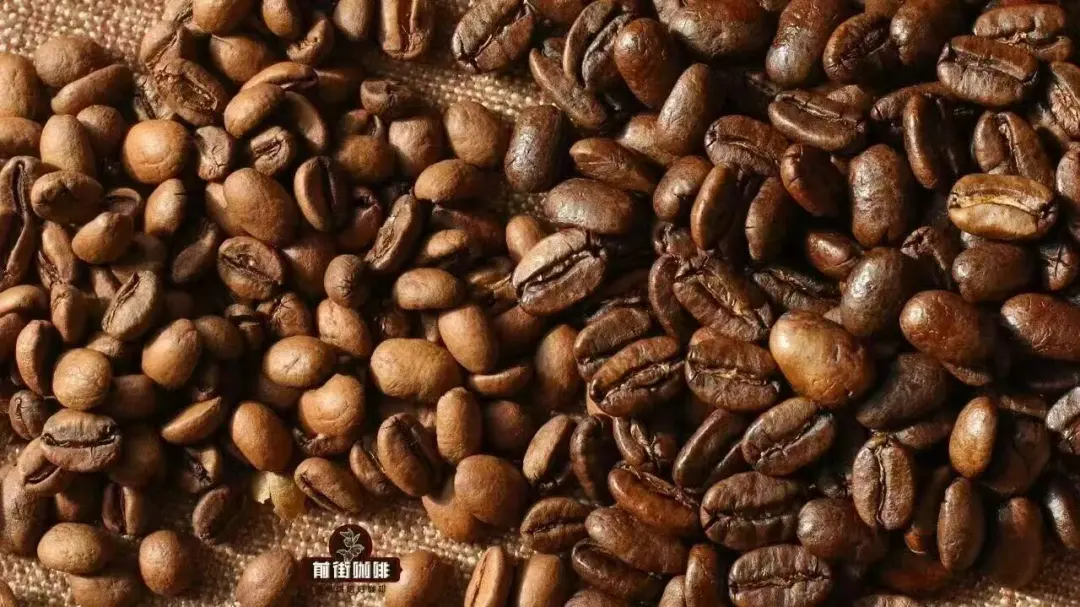
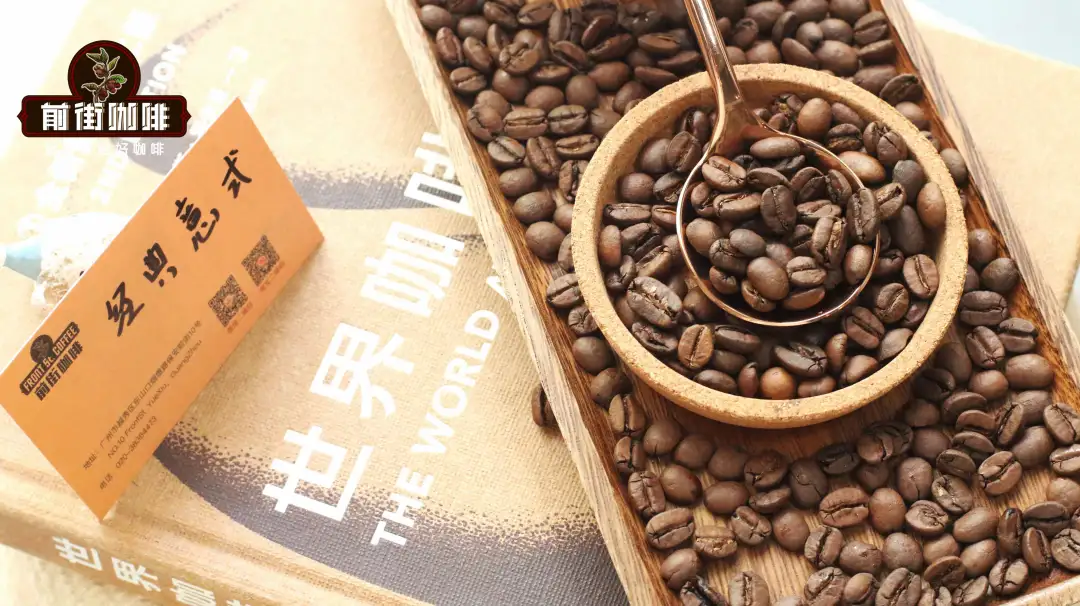
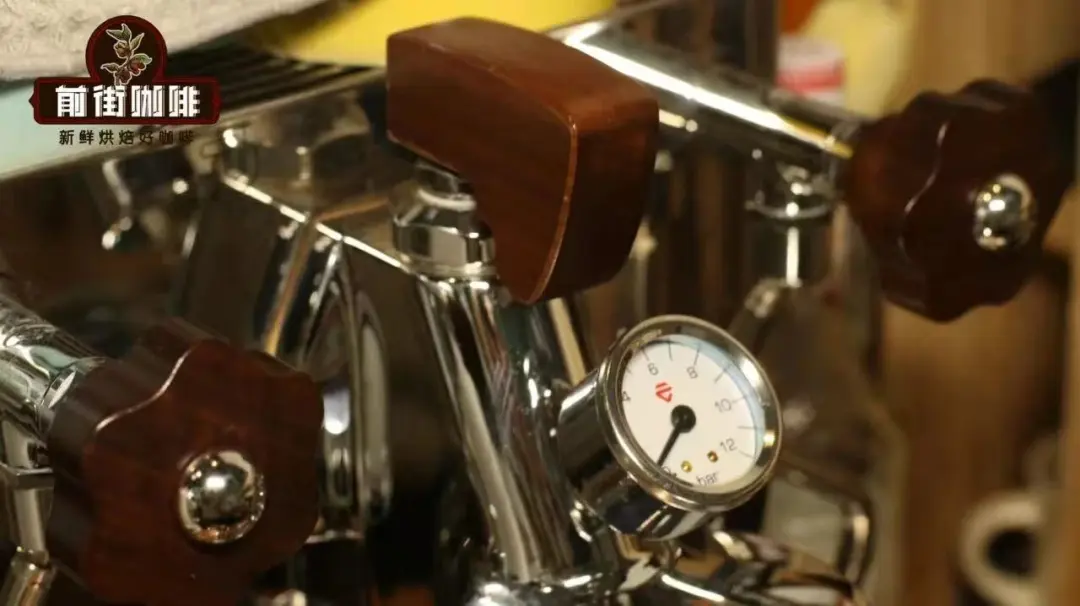
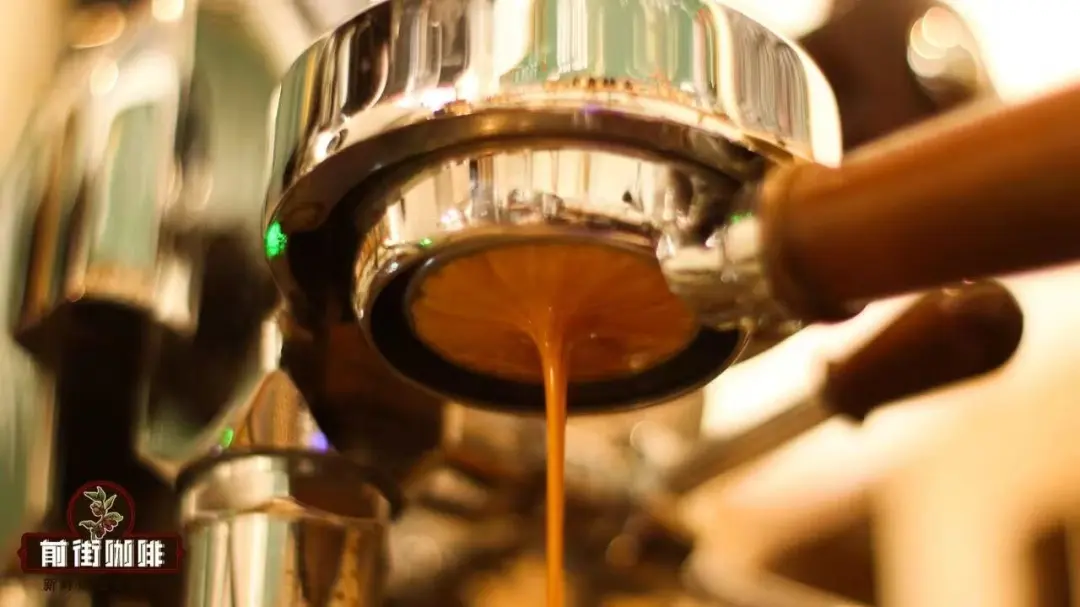
The same situation often happens with espresso machine users as well—friends frequently report that the espresso they extract has no crema.This kind of problem is easy to solve. Because in most cases, failing to extract crema with pressure-based extraction is caused by two situations: the first is a problem with the coffee beans, and the second is that the extraction pressure is not high enough.Whether it's the crema from a moka pot or the crema from espresso, its essence is actually not real oil, but a kind of "emulsion foam."Under high-temperature, high-pressure extraction, the lipids in the coffee itself emulsify and disperse in the water, then wrap around the carbon dioxide released from within the coffee grounds to form tiny bubbles. What we see as coffee crema is the appearance formed by countless such tiny bubbles combining together.So it is essentially foam, called "Crema"—it's just that due to translation or understanding issues, in China it is customarily called "oil."The conditions that determine whether the crema is thick mainly come down to two things: the coffee beans themselves, as Front Street mentioned earlier, and the pressure during extraction.Reason One for Thin Crema: The Coffee Beans Used Don't Have Much Carbon DioxideAs the main filler of the bubbles, the amount of carbon dioxide determines how thick the crema is. With other parameters unchanged, when the coffee beans we use contain more carbon dioxide, the extracted coffee will have thicker crema; conversely, if the coffee beans contain less carbon dioxide, the extracted coffee crema will be relatively thinner.There are two main factors that determine the carbon dioxide content in coffee beans. The first is the roast level of the coffee beans. The darker the coffee beans are roasted, the more carbon dioxide they contain, and vice versa; the second is the freshness of the coffee beans. The fresher the coffee beans, the more carbon dioxide is retained, and vice versa.So when the coffee beans we use are not fresh enough, or the roast level is not dark enough, the extracted coffee crema will not be very thick.If we want to extract thick coffee crema, then we can choose to use some relatively fresh coffee beans, or beans that are roasted relatively dark! For example, Front Street Espresso Classic/Commercial/Front Street Dark Cocoa Blend from the Front Street bean list are all roasted relatively dark and can extract thick crema, making them more suitable for moka pots/espresso machines. Because they are roasted darker, they don't have much acidity, and the strong coffee they produce won't have any jarring flavor notes after being made into milk coffee.But we need to know that whether the crema is thick is not linked to the taste or quality of the coffee. Because the amount of carbon dioxide, as Front Street mentioned earlier, has little to do with coffee quality. So often Front Street does not recommend everyoneunconditionallypursue the thickness of crema, because it does not have a very intuitive effect on the taste of the coffee.Reason Two for Thin Crema: Not Enough PressureAs Front Street mentioned earlier, this golden layer of crema is a unique product of pressure-based extraction, because only when relatively high pressure is applied during extraction can the oils be fully emulsified and stable foam formation be promoted. And when the pressure during extraction is not high enough, we cannot fully emulsify the oils, and at the same time the carbon dioxide released in a short period won't be that much, so we cannot produce thick and lasting crema. Therefore, sufficient pressure is very important.There are many factors that can affect extraction pressure. Without changing the extraction parameters of the coffee machine, there are dose and grind size. Among them, the grind size of the coffee grounds is the most critical factor determining the pressure value. Why? Because the amount of pressure applied by the coffee machine/moka pot depends to a large extent on the resistance of the puck.The greater the resistance of the puck, the greater the pressure needed for water to pass through, and at this point the coffee machine will apply higher pressure for extraction, and vice versa. And what mainly determines the puck's resistance is the grind size of the coffee beans. The finer the coffee grounds are ground, the greater the final puck resistance will be, and the greater the pressure the coffee machine will apply during extraction.In other words, when the crema you extract is not rich enough, but the beans are very fresh and roasted dark, we can observe the flow rate. If the flow rate is very fast, then it indicates that the grind is relatively coarse. If you want to obtain a rich crema, you need to grind finer to increase the puck's resistance.But there are two things everyone should note. The first is what Front Street mentioned earlier: crema is not linked to the taste/quality of the coffee. More crema does not mean the coffee will taste better; the second is that when the coffee grounds are ground fine to a certain degree, the thickness of the crema will instead decrease, because the extraction speed is too slow, the formation of crema will be slowed down and relatively reduced.So the above are the main reasons why, in daily life, the crema we extract using moka pots and coffee machines is not rich enough. If you also want to extract a cup of coffee with rich crema, then you might as well see what adjustments you need to make~
The above content is compiled by CoffeeHunters, a coffee news website.