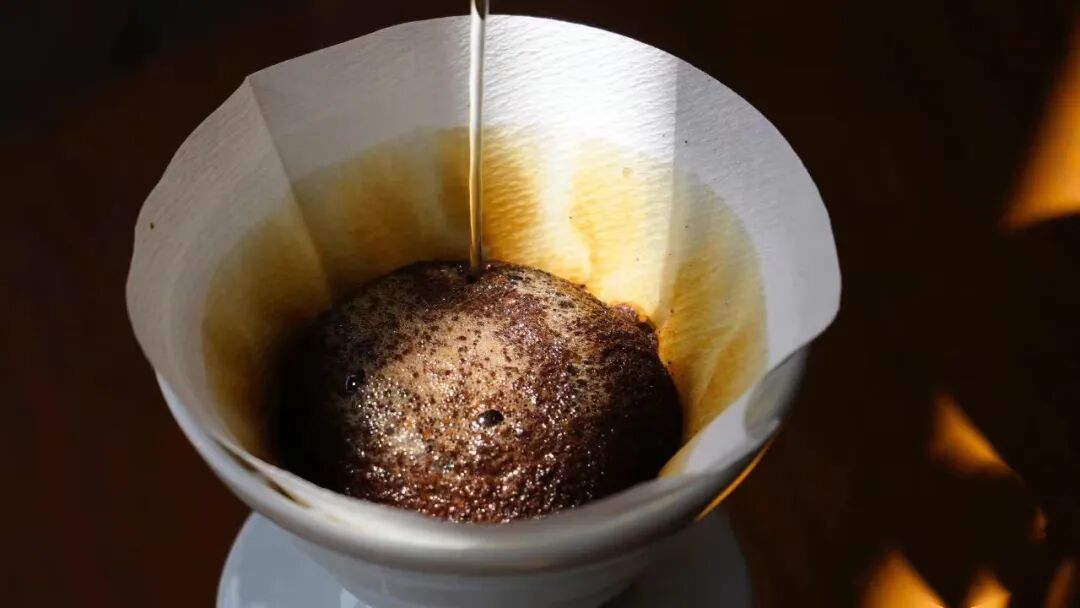
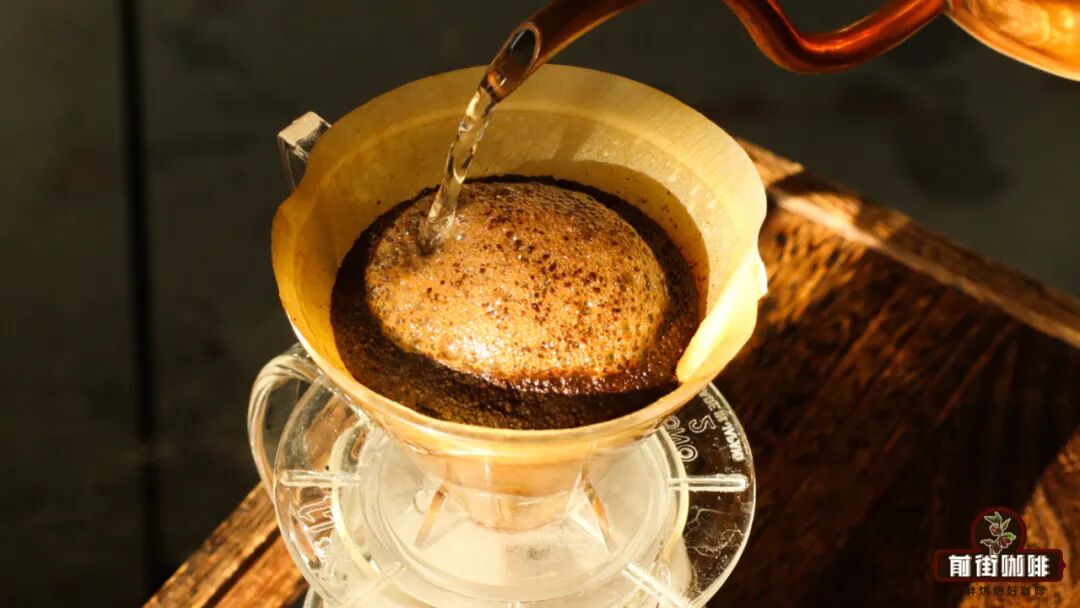
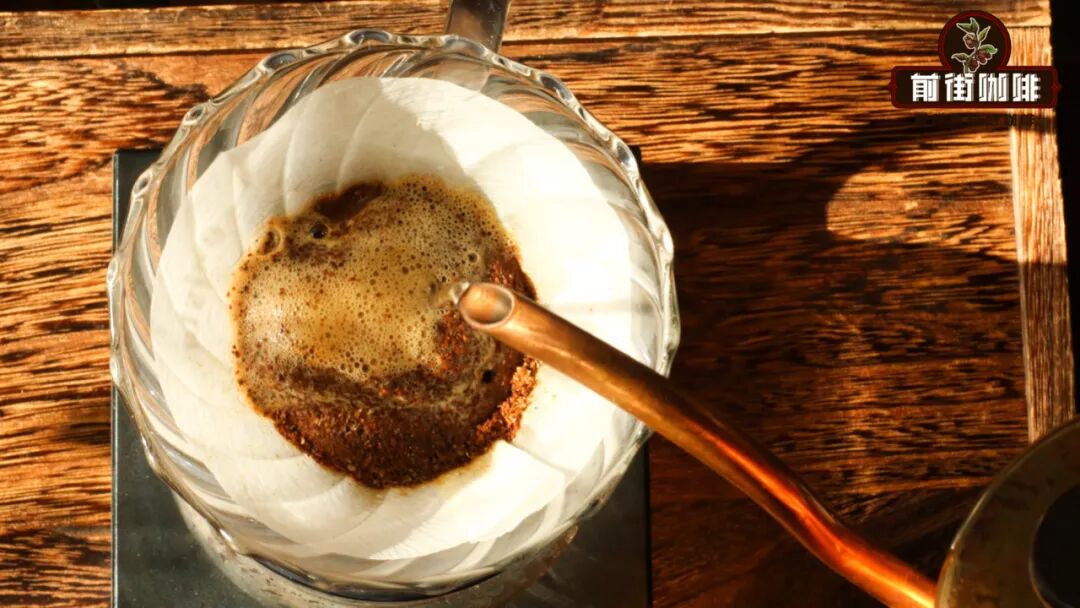
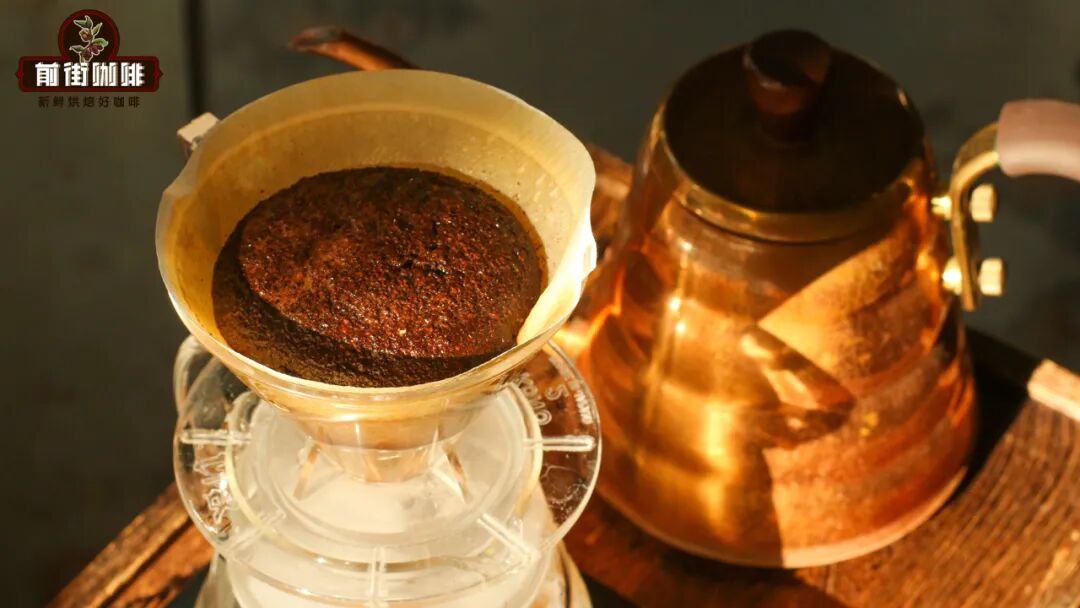
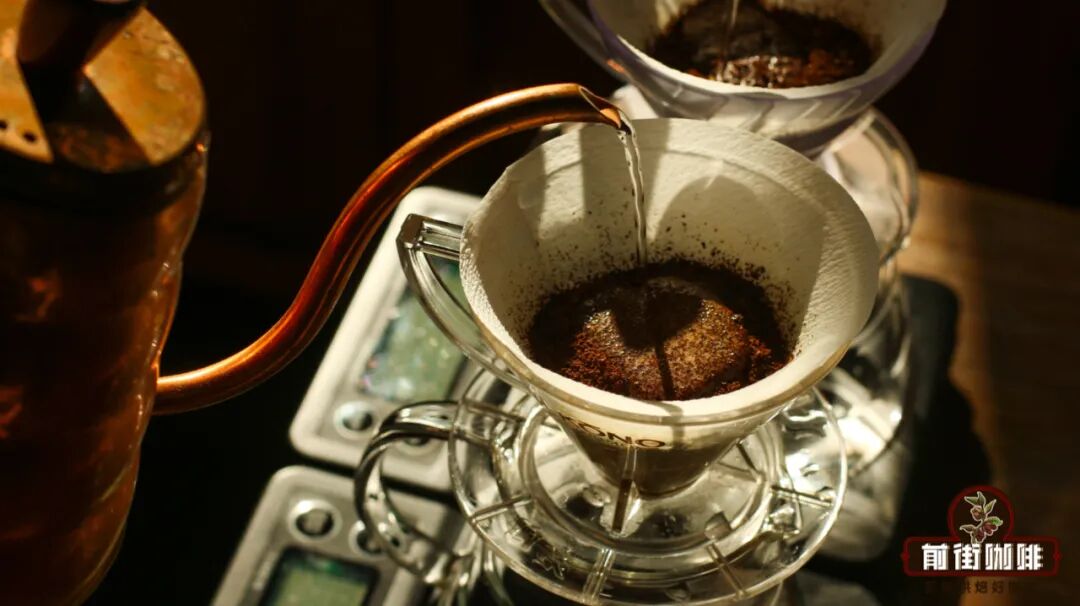
Whenever Front Street brews a pour-over for a customer, if the coffee bed puffs up noticeably during blooming, there's a good chance the customer will ask: "Why doesn't my coffee bed puff up this much when I brew?"This is a topic Front Street often shares! To be fair, although the size of the puff during blooming doesn't directly reflect the taste of the coffee, we can read a lot of other information from its state—such as the condition of the coffee beans or the parameters used during brewing, because these are exactly what determine the degree of puffing in the coffee bed.So today Front Street will share with you how these factors affect the degree of puffing, and why the size of the puff cannot directly reflect the taste of the coffee.I. Freshness and Roast Level of Coffee BeansFirst, we need to know that the puffing phenomenon during blooming is mainly caused by carbon dioxide. Coffee beans accumulate a large amount of carbon dioxide during roasting, and this carbon dioxide is slowly released after roasting is complete. If coffee grounds come into contact with hot water, the release rate of this carbon dioxide is greatly accelerated.What we call blooming is a step specifically designed for releasing carbon dioxide. By using a small amount of hot water to wet the coffee grounds, carbon dioxide is rapidly expelled, which allows the hot water we subsequently pour to better extract the flavor compounds from the coffee.During the release of carbon dioxide, the surface tension of water molecules, together with the capillary action between coffee particles, weaves an airtight "barrier." The reason it's airtight is that this "barrier" traps carbon dioxide within the coffee bed, preventing it from escaping. Because it's "trapped," carbon dioxide accumulates more and more inside the bed, and the bed puffs up like a balloon as the gas inside increases. And that is the principle behind the coffee bed puffing up.From this principle, we can understand that the puffing of the coffee bed is mainly influenced by carbon dioxide, and the carbon dioxide content of the coffee beans is one of the factors determining the size of the puff. When extraction parameters remain unchanged, the more carbon dioxide the coffee beans contain, the greater the degree of puffing during blooming; the less carbon dioxide, the smaller the degree of puffing.This is actually easy to understand, because the more carbon dioxide the beans contain, the more carbon dioxide is released during blooming, so the puffing of the coffee bed naturally increases due to the added carbon dioxide. There are two main factors that determine the carbon dioxide content of coffee beans: roast level and freshness. The fresher the coffee beans / the darker the roast, the more carbon dioxide they contain, and vice versa.So if the coffee beans we use are dark enough or fresh enough, we can see a relatively larger puff during blooming.But attentive friends should have noticed that Front Street has been emphasizing a premise throughout: "when extraction parameters remain unchanged." Why? — Because extraction parameters are another factor affecting the size of the puff!II. Extraction Efficiency During BrewingMore precisely, it should be extraction efficiency! When the extraction efficiency we use during brewing is higher, the substances in the coffee are dissolved out more quickly, and that includes carbon dioxide. Therefore, the higher the extraction efficiency, the faster the carbon dioxide is released, and the greater the degree of puffing in the coffee bed at the same time.The reason many people's coffee beds don't puff up much during blooming is that the extraction efficiency during blooming isn't high enough, which prevents carbon dioxide from being released quickly in a short time. So even if the beans used are very fresh or dark-roasted, the degree of puffing isn't particularly outstanding.What everyone needs to know is that although there are many factors affecting extraction efficiency—time, grind, agitation, water temperature, and so on—during blooming, the main factors affecting the size of the puff are water temperature and grind size. The higher the water temperature and the finer the grind, the greater the degree of puffing during blooming, and vice versa.In summary, you can see that the main factors affecting the size of the puff in the coffee bed during blooming are the freshness of the coffee beans, the roast level, and the extraction efficiency during brewing. But again, the size of the puff cannot directly reflect the taste of the coffee!For example, among Front Street's bean list, there is the Front Street Finca La Divisa·Sidra. Last time, Front Street used the same parameters to brew a Sidra roasted 2 days ago and a Sidra roasted 25 days ago for a customer comparison. Although the fresh Sidra roasted 2 days ago had a larger puff than the Sidra roasted 25 days ago, its taste was not as rich.And although the Sidra roasted 25 days ago had a smaller puff during blooming, its layers were rich and prominent. In terms of flavor, besides notes of grape, passion fruit, apricot, and wine, Front Street also tasted some floral notes and a more rounded fruit wine aroma. What caused this difference is what Front Street often mentions—too much carbon dioxide hindering extraction. But since that's not the main content of this article, I won't elaborate further here.Therefore, it's best not to use the size of the puff in the coffee bed during blooming as a standard for judging whether the coffee tastes good or bad, because it cannot directly reflect the taste of the coffee. What it reflects is still the condition of the coffee beans and the brewing parameters that Front Street mentioned earlier. It would be more appropriate to treat the degree of puffing as a "file" to read from these two pieces of information~ The above content is compiled by CoffeeHunters, a coffee news website.