







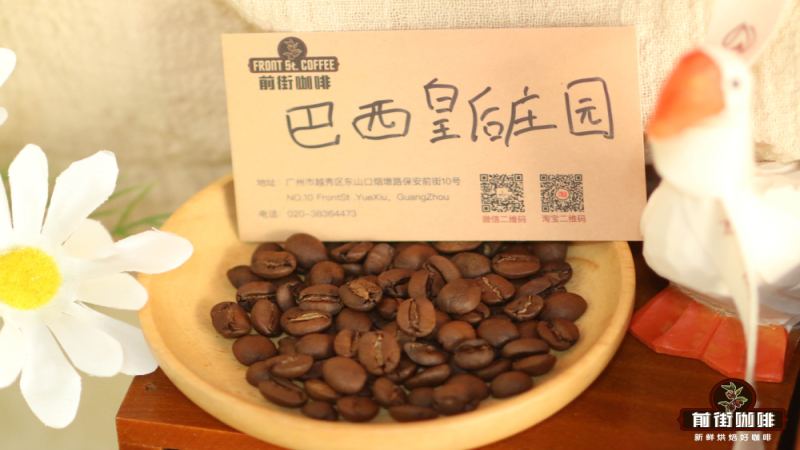
How Does Brazilian Coffee Fit Into Blending Coffee?
Brazilian Arabica beans typically show low acidity, nutty notes, chocolate sweetness, and a full body. Those traits come from lower altitudes, flat terrain, few microclimates, and mostly unshaded growing. The mild flavor and strong body make Brazilian beans a common base in espresso blends, sometimes reaching 90 percent of the recipe.
Most Brazilian specialty coffee comes from Minas Gerais, São Paulo, Paraná, and Mogiana, with Bourbon, Typica, Caturra, and Mundo Novo as leading varieties. Santos coffee comes from São Paulo. Coffee production Brazil remains a major economic sector, and the country is one of the world's leading Arabica producers, now with a place in the specialty market.
Brazil is one of the most important Arabica coffee producers in the world, and its coffee industry occupies a pivotal position in the national economy. In recent years, it has also begun to make a name for itself in the specialty coffee sector. Brazilian specialty coffee is mainly distributed across Minas Gerais, São Paulo, Paraná, and Mogiana, with varieties dominated by Bourbon, Typica, Caturra, and Mundo Novo. Because the growing regions are at relatively low altitudes, have flat terrain, lack microclimates, and are mostly cultivated without shade, Brazilian beans usually do not possess the bright acidity and delicate flavors of other Central and South American origins. Instead, they display regional characteristics of low acidity, nutty notes, chocolate sweetness, balanced acidity and bitterness, and good body. Precisely because their flavor is not particularly prominent yet their body is excellent, Brazilian beans are widely used in espresso blends, and can be found in almost every espresso recipe. After cupping many Brazilian beans, Front Street Coffee also launched two specialty single-origin coffees, Cerrado and Mogiana, as well as three espresso blends centered on Brazilian beans, to meet different needs.
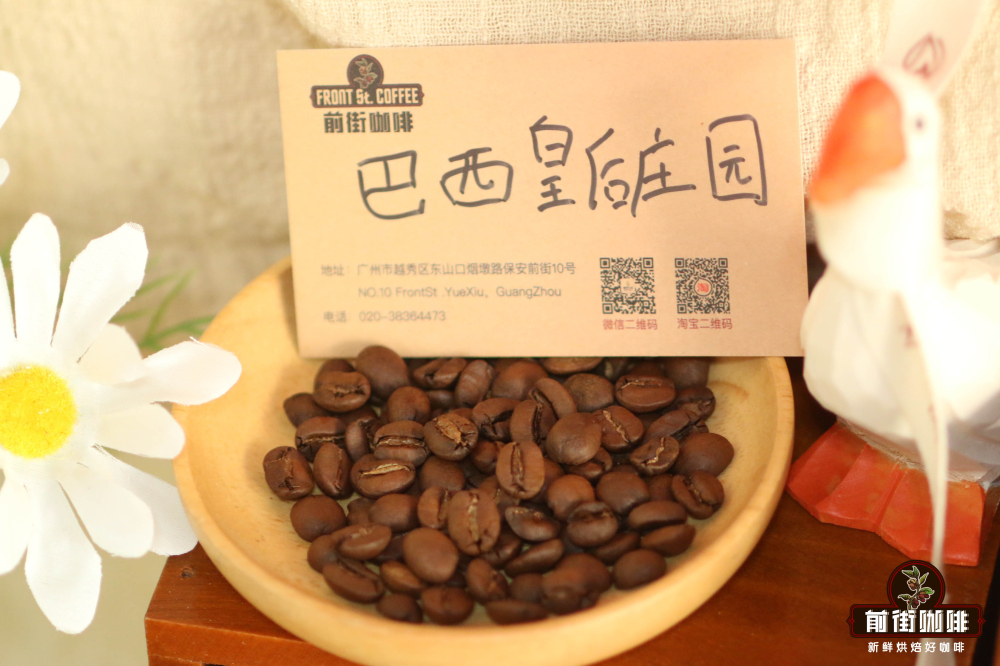
There is no doubt that the coffee industry is one of Brazil's most important economic sectors, and Brazil is also one of the world's leading Arabica coffee producers. In recent years, it has also secured a place in the specialty coffee market.
Brazilian Coffee Flavor Characteristics
Brazilian specialty coffee growing regions are mainly distributed across Minas Gerais, São Paulo (Santos coffee comes from this region), Paraná, and Mogiana. The main coffee varieties grown include Bourbon, Typica, Caturra, and Mundo Novo.
Because Brazilian coffee-growing regions are at noticeably lower altitudes, have flat terrain, lack microclimates, and cultivate coffee trees without shade, Brazilian coffee does not have the bright acidity and delicate flavors of coffee beans from other Central and South American regions.
Front Street Coffee (FrontStreet Coffee) cupped many coffee beans from different Brazilian regions, and they all share unique regional flavors—low acidity, nutty notes, chocolate sweetness, balanced acidity and bitterness, and good body.
Why do espresso blends use Brazilian coffee beans as the main component?
Because their flavor is not prominent, but they have very good body and the flavors mentioned above. Therefore, they are often used in espresso blends. Almost all espressos contain Brazilian coffee, and some are even 90% Brazilian coffee, which shows how important a role Brazil plays in the coffee industry. Although Brazilian coffee is widely found in the commercial coffee market, that does not mean it cannot enter the specialty market. There are also many excellent single-origin specialty Brazilian coffee beans.
People like to use Brazilian coffee beans as the main component of espresso blends. One reason is that dark-roasted Brazilian coffee beans have more body, a rich and mellow mouthfeel, and a bit of sweetness, making them a very capable supporting coffee in a blend. Whether used for espresso or espresso-based drinks (such as Americano, latte, etc.), they can deliver very good body and a full mouthfeel.
Another reason is that, as the world's largest producer of Arabica coffee beans, Brazil's coffee bean prices are considerably more reasonable than those of other origins. The purpose of blending coffee beans is to maintain long-term balance and stability in every cup of espresso while reducing production costs, which is why Brazilian coffee beans are so widely used in blends.
Recommended Brazilian Specialty Single-Origin Coffee Beans
At Front Street Coffee (FrontStreet Coffee), a total of 2 Brazilian specialty single-origin coffee beans have been launched: one is a semi-washed Red Bourbon coffee bean from the Cerrado region , and the other is a semi-washed Yellow Bourbon coffee bean from Mogiana. Both coffee beans are highly representative of the flavor characteristics of Brazilian growing regions.
Cerrado coffee beans are highly representative of the nutty, caramel, low-acid, and full-bodied flavor characteristics of Brazilian regions, with excellent value for money! They are one of the representative origins among Front Street Coffee's (FrontStreet Coffee) selected everyday drinking coffee beans. Because Fazenda Rainha in Brazil has better cultivation management, and the Yellow Bourbon coffee beans have balanced, gentle acidity, with a weak and clean bitterness, the overall cup is very bright and refreshing. After brewing, they display rich chocolate aroma and nutty flavors, with a bright, refreshing taste and a smooth, delicate mouthfeel.
Recommended Brazilian Espresso Blend Coffee Beans
Front Street Coffee (FrontStreet Coffee) also has 3 blend coffee beans specially customized for espresso, also mainly based on Brazilian coffee beans , namely:
"Front Street Coffee (FrontStreet Coffee) - Specialty Blend Coffee Beans": an espresso coffee bean mainly featuring nutty aroma. Made from Colombian washed coffee beans (30%) + Brazilian semi-washed coffee beans (70%), it has flavor notes of nuts, dark chocolate, and caramel.
"Front Street Coffee (FrontStreet Coffee) - Commercial Blend Coffee Beans": an espresso coffee bean mainly featuring body. Made from washed Robusta coffee beans (10%) + Colombian washed coffee beans (30%) + Brazilian semi-washed coffee (60%), it has flavor notes of nuts, cocoa, and caramel, with high body.
"Front Street Coffee (FrontStreet Coffee) - Espresso Coffee Beans Recommended by Many Baristas - Front Street Dark Cocoa Blend Coffee Beans": an espresso coffee bean with slight acidity and good body. Made from Yunnan washed small-bean coffee (30%) + Brazilian semi-washed coffee beans (70%), it has flavor notes of soft fruit acidity, caramel, and nuts.
Whichever one you choose, Front Street guarantees that the coffee beans are 100% freshly roasted and shipped within 5 days after roasting is completed. The first step to good coffee is to use freshly roasted coffee beans, so that the coffee will have more captivating aromas and flavors.
How to brew Brazilian single-origin coffee beans?
Front Street's recommended pour-over coffee extraction parameters: Kono dripper (the characteristic of this dripper is that it uses the tight fit between the filter paper and the dripper to create immersion-style extraction during the pour-over process, resulting in a higher coffee concentration), 88°C water temperature, 1:15 coffee-to-water ratio, 15g coffee dose, grind size: white sugar consistency (70% passing rate with a No. 20 standard sieve).
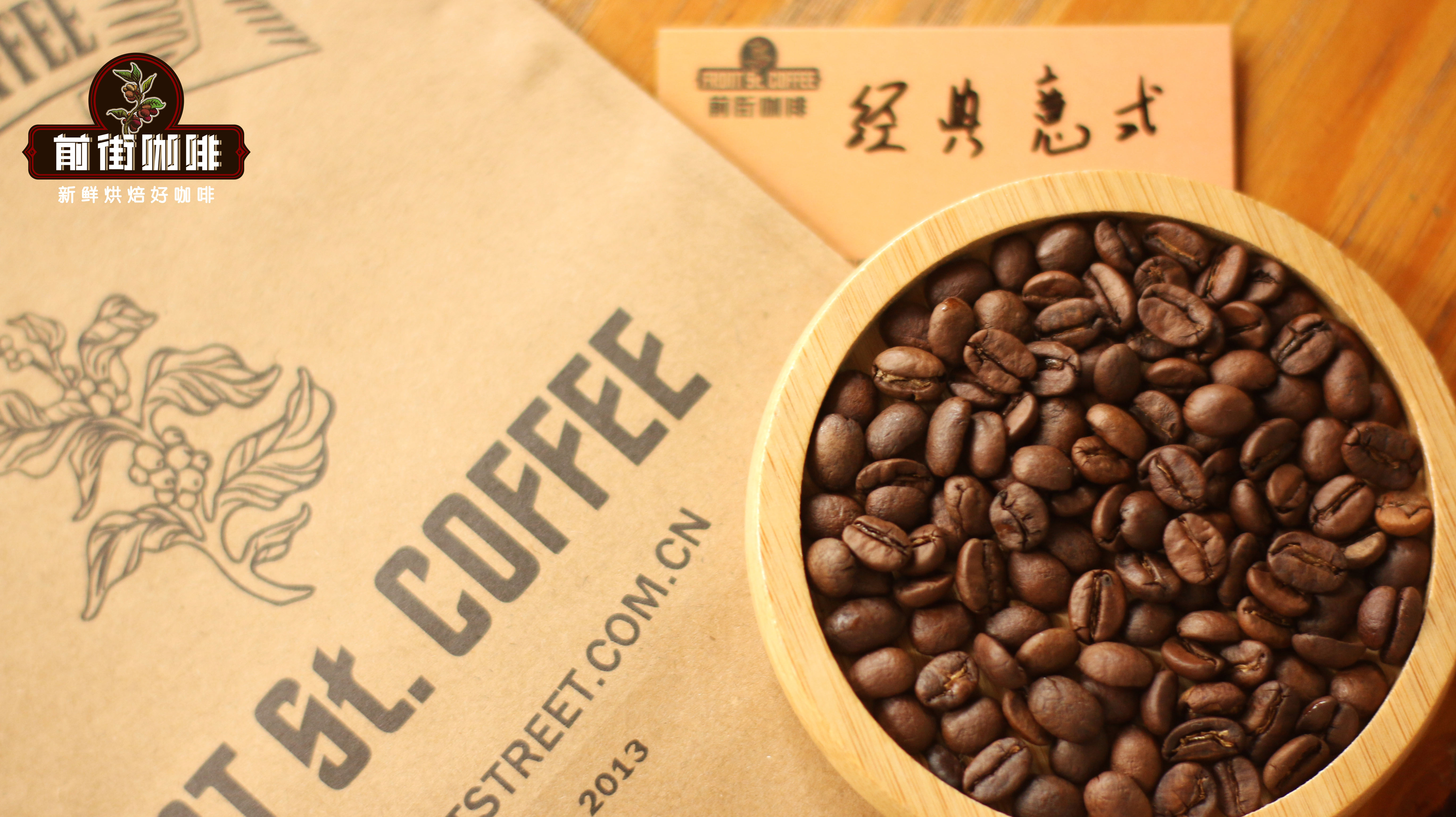
The extraction method is as follows: pour 30g of water in the first stage for blooming, with a blooming time of 30 seconds; pour water in the second stage until about 125g, then wait for the coffee liquid to drop. When it has dropped by half, pour the final stage of water until 225g. After all the coffee has dripped through, end the extraction. The total extraction time is generally around 2 minutes 10 seconds.
How to extract Brazilian espresso blend coffee beans?
The performance of every coffee machine and grinder is different, and there will be certain differences in both pressure and grind setting, so there is no accurate grind setting or exact coarseness parameter for reference.
If you are at the initial stage, Front Street Coffee (FrontStreet Coffee) recommends a middle-ground extraction parameter, and everyone can adjust the data according to the coffee's taste performance: use 20g of coffee to extract 40g of coffee liquid at a 1:2 ratio and 9 bar of pressure, in 25-30 seconds. Make corresponding adjustments based on the flavor performance of the coffee after actual extraction.
The above content is compiled by CoffeeHunters, a coffee news website.


