







Search Results for: Pre-infusion
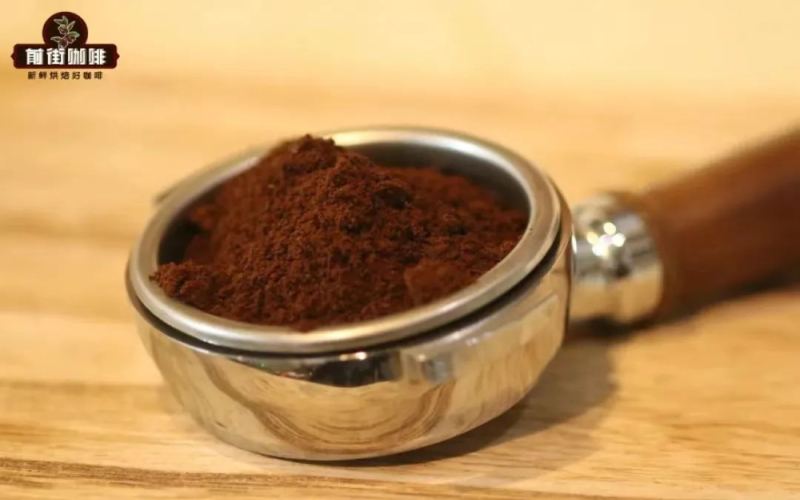
Does Espresso Need Pre-Infusion? Analyzing the Role, Timing, and Parameter Adjustment of Pre-Infusion
Does the bloom in pour-over coffee have a significant impact on flavor? Does espresso also require a similar step? In fact, there is no such thing as blooming in espresso, but in recent years pre-infusion has gradually become an important part of the extraction process. This article starts from the traditional approach to stable espresso extraction, analyzes the extraction fluctuations caused by the shortened resting period of coffee beans, and then explains in detail the three core functions of pre-infusion: releasing active gases, reducing the probability of channeling, and broadening the ways to adjust extraction. It will also explain how to judge manual pre-infusion, and that there is no fixed standard for pre-infusion duration—it needs to be flexibly adjusted according to the resting condition and grind ratio. [more…]

Pre-infusion in Espresso Extraction: Principles, Effects, and Key Operating Points Explained
In pour-over coffee, blooming is a key step to release carbon dioxide and improve subsequent extraction. So can espresso, before high-pressure extraction, borrow this same idea? The answer is yes—this is what is called "pre-infusion." Starting from the underlying principles, this article will explain the similarities between pre-infusion and pour-over blooming, analyze its actual impact on extraction yield and channeling, and offer specific operating recommendations such as low-pressure water delivery and soaking duration. It will also explain which beans are suitable for pre-infusion and in which situations this step can be skipped, helping you manually make more consistent espresso even on a machine without a one-touch pre-infusion function. [more…]
What Is Pre-Infusion in Espresso? Principles, Techniques, and Extraction Time Reference
In pour-over coffee, blooming is an almost indispensable step, as it helps release carbon dioxide and makes subsequent extraction more stable. So in the high-pressure extraction of espresso, is a similar "blooming" also needed? The answer is pre-infusion. This article will start from the definition of pre-infusion, the applicable equipment, and the logic for adjusting duration and pressure, combining the two major issues of fresh bean degassing and channeling to explain the practical role of pre-infusion. Then, using Front Street Coffee's Warm Sun blend as an example, it will use the Lelit Bianca V3 to conduct comparative extractions with and without pre-infusion, presenting differences in crema condition, flavor layers, and flow rate, to help coffee enthusiasts understand the value of pre-infusion in espresso output. [more…]
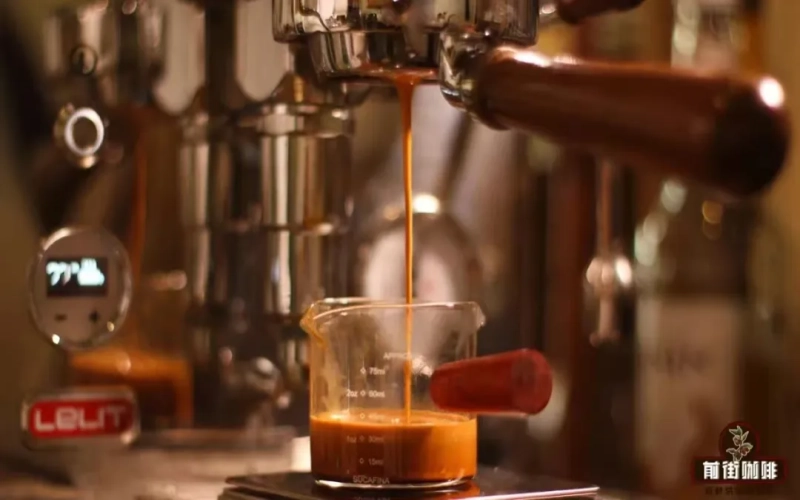
Is espresso pre-infusion actually useful? A comprehensive analysis from principle to practice
Pre-infusion is a frequently discussed feature in espresso extraction. Simply put, it involves soaking the coffee bed with a small amount of hot water or a low-pressure flow before the main high-pressure extraction begins, giving the coffee grounds time to degas and expand. Many people feel that their espresso is already good enough and that pre-infusion seems optional, but in specific scenarios, it can genuinely improve extraction quality. This article starts from the principles of pre-infusion, explaining how it increases extraction yield, reduces channeling, and which coffee beans are suitable for using the pre-infusion function. [more…]
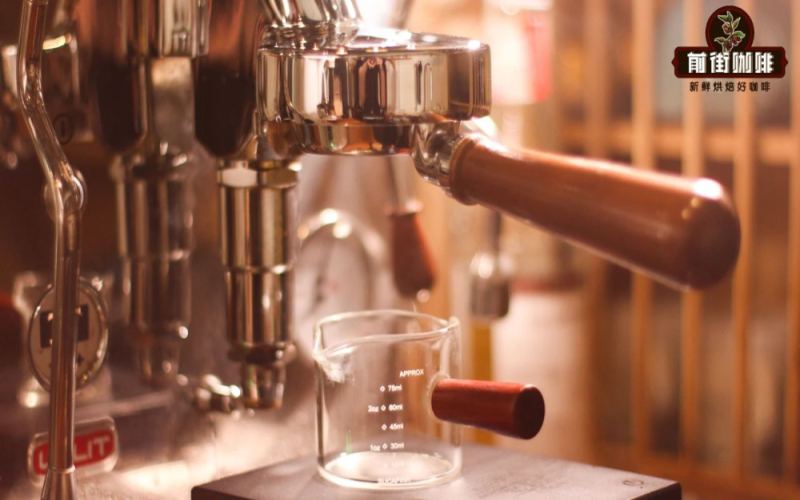
Espresso Extraction in Three Steps: A Full Breakdown of Pre-Infusion, Flavor Release, and When to Stop the Shot
A decent espresso is not as simple as pressing the brew button and leaving it to fate. From the moment the portafilter is locked in, the coffee grounds go through three key stages: pre-infusion, flavor extraction, and the end of extraction. How does pre-infusion affect carbon dioxide release and channeling? During the main extraction stage, why do sour, sweet, and bitter compounds appear in sequence? To judge the end of extraction, should you look at time, liquid volume, or crema color? This article uses Front Street Coffee's blend beans as an example to systematically break down the espresso extraction process and the logic of flavor assessment, helping you adjust parameters and avoid risks during operation, and understand the details behind "one-touch extraction" that still require human setting. [more…]
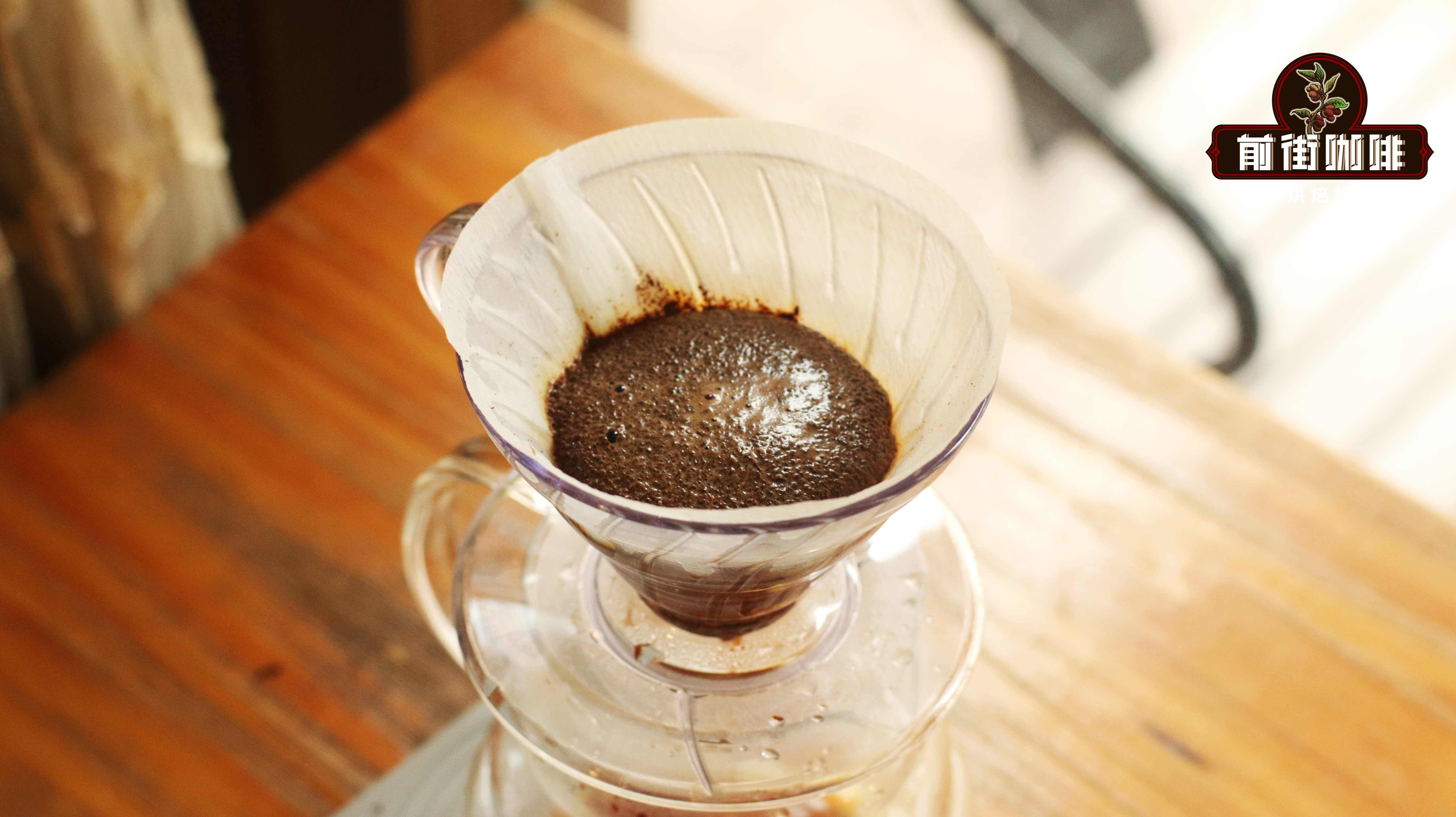
Does Clever Cup brewing require pre-infusion? A complete analysis from the principles of blooming to practical parameters
In the pour-over coffee process, blooming is almost an indispensable step, but when we switch to an immersion-style brewer like the Clever Cup, is it still necessary to keep this step? This article will start from the mechanism of blooming, and combine a comparative experiment using two beans—Front Street Coffee Ethiopia Yirgacheffe Red Cherry and PWN Golden Mandheling—to separately test the effects of blooming and direct pouring on the final flavor. Through detailed records of parameters such as grind size, water temperature, and coffee-to-water ratio, as well as a specific comparison of concentration and mouthfeel, we will help you understand what role blooming actually plays in immersion extraction and offer optimization suggestions worth trying. [more…]
A Complete Guide to the Coffee Bloom in Pour-Over Brewing: How Time, Water Volume, and Technique Affect Extraction Evenness
Blooming is a key step in pour-over coffee brewing that cannot be overlooked, as it directly affects whether the subsequent hot water can evenly pass through the coffee bed. This article provides a detailed analysis of the difference between blooming and pre-infusion, explains the dual purpose of blooming—releasing carbon dioxide and forming an even filter layer—and offers specific recommendations for the amount of blooming water, typically 1 to 2 times the weight of the coffee grounds, along with the reason for keeping the water temperature between 85 and 92 degrees Celsius. At the same time, the article also explains the blooming pouring technique from three dimensions—small amount, even, and gentle—and points out the differences in water absorption among beans of different roast levels. Front Street Coffee reminds us that only sufficient and proper blooming can lay the foundation for subsequent even extraction, making the flavor of a cup of pour-over coffee more pleasant. [more…]

Should Cold Brew Coffee Include a Bloom? Experimental Comparison and Principle Analysis of Cold Immersion vs. Hot Water Pre-infusion
Cold brew coffee has always been made by steeping at low temperatures throughout, but if you first bloom the coffee grounds with hot water before steeping, will the final product taste better? Front Street conducted a controlled experiment using Sidamo Huakui 8.0: aside from the water temperature treatment, the two pots of cold brew had completely identical parameters—one was mixed directly with room-temperature water and refrigerated, while the other was first bloomed with 92°C hot water for 30 seconds before room-temperature water was added. After 8 hours, filtering and tasting revealed that the two had similar flavor directions, but the bloomed version had a higher concentration. The article then explains that the real source of this difference is not the blooming action itself, but the hot water and parameter changes introduced to accomplish the blooming, and, combined with the principle of degassing during blooming in pour-over brewing, explains its applicability in the cold brew scenario. [more…]
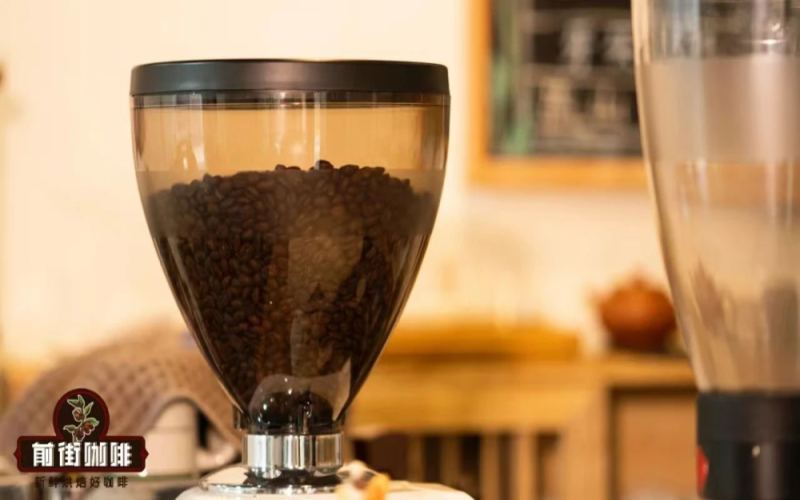
Can Lightly Roasted Coffee Beans Be Used for Espresso? Testing Huakui, Gudingding, and Dorothy in Americano and Latte
Espresso typically uses darker-roasted beans, but can light roasts handle espresso extraction? Front Street Coffee conducted experiments with three Ethiopian beans: Huakui, Gudingding, and Dorothy. By adjusting grind size, pre-infusion time, and pressure, they made espresso, Americano, and latte respectively, comparing the flavor performance. The results showed that light-roasted beans in Americano can showcase bright fruit acidity and floral notes, but in latte the coffee flavor is easily masked by milk. This article documents the experimental parameters and tasting impressions in detail, providing a reference for enthusiasts who want to try light-roast espresso. [more…]
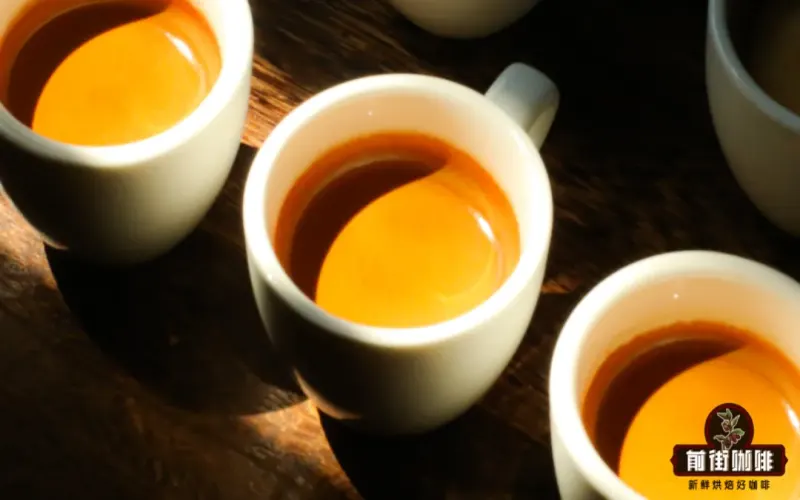
Five Practical Methods to Improve Espresso Extraction Uniformity and an Analysis of Flavor Differences
Under the same extraction yield, the level of uniformity leads to drastically different flavor directions—when uniform, the cup is balanced and solid with a long finish; when uneven, it is layered and clearly structured. Most drip coffee extractions naturally have differences between the upper and lower layers and between the inner and outer layers, which has led many coffee enthusiasts to explore how to make espresso extraction more uniform. From the perspective of Front Street, this article outlines five actionable improvement approaches: placing filter paper at the bottom of the portafilter basket, switching to a high-density basket, low-pressure pre-infusion, reducing the dose to thin the coffee bed, and adjusting the brew ratio to increase liquid weight. Through a comparative experiment with Front Street Espresso Strawberry Candy, it presents the specific differences in flavor expression between the two extraction styles. [more…]
A Practical Analysis of Light-Roast Coffee Beans for Espresso: Comparing the Americano and Latte Performance of Three Ethiopian Beans
Traditional Italian-style coffee mostly uses darker roasted beans, but nowadays many cafes have begun trying to make espresso with light-roasted beans. This article, through extraction experiments with three Ethiopian light-roasted beans—Front Street Huakui, Gudingding, and Dorothy—records in detail the parameter adjustments and flavor performance. The tests found that making Americano with light-roasted beans can well preserve the original fruity acidity and aroma, among which the Dorothy Americano performed especially prominently; however, after being made into a latte, the coffee flavor is generally too weak and easily masked by milk. The article also shares practical adjustment experience regarding grind setting, pre-infusion, pressure, and extraction time, providing reference for coffee enthusiasts who want to try light-roast espresso. [more…]
Can Light Roast Coffee Beans Be Used for Espresso? A Real-World Test of Front Street Huakui, Gudingding, and Dorothy in Americano and Latte
People generally assume that espresso must be made with dark-roasted beans, but nowadays quite a few cafés have already lowered the roast level to City roast or even lighter. This time, Front Street Coffee used three light-roasted Ethiopian beans—Huakui, Gudingding, and Dorothy—to pull espresso separately and make Americanos and lattes, wanting to see how light-roasted beans actually perform in espresso. The experiment found that light-roasted beans tend to preserve bright fruit acidity and floral aromas when made into an Americano, but the flavors are easily overpowered by milk when made into a latte. If you also want to try using light-roasted beans for espresso, first adjust the grind finer, control the pressure and pre-infusion time, and you may be rewarded with an unexpectedly juicy espresso. [more…]
A Practical Guide to Pour-Over Coffee: Analyzing the Blooming Principle and Comparing Continuous vs. Pulsed Pouring Techniques
The charm of pour-over coffee lies in extracting rich flavors from coffee grounds with a simple pouring action. This article starts with the function of the dripper, first explaining why blooming is important—too much water will dissolve off-flavors and astringency along with it, while too little water will lead to insufficient extraction. Then, using Kenya Asali beans as an example, with a grind size of BG 5M, water temperature of 91°C, a coffee-to-water ratio of 1:13, and pre-infusion of 40-45ml/30-35 seconds, it compares in detail two common techniques: the continuous-pour method, which uses a steady thin stream to draw circles from the inside outward and finishes in about two minutes, yielding balanced acidity and sweetness with a long caramel finish, but a slightly flat body and flavor; and the pulse-pour method, which pours in stages, using large and small streams for the first two pours to agitate the coffee grounds and increase acidity and sweetness extraction, then switching to a submerged, non-agitating final pour to avoid pronounced bitterness, bringing the flavor up from raisin to blackcurrant juice, though with a shorter and weaker aftertaste. The article also includes relevant recommendations from Front Street Coffee, suitable for coffee enthusiasts to refer to. [more…]
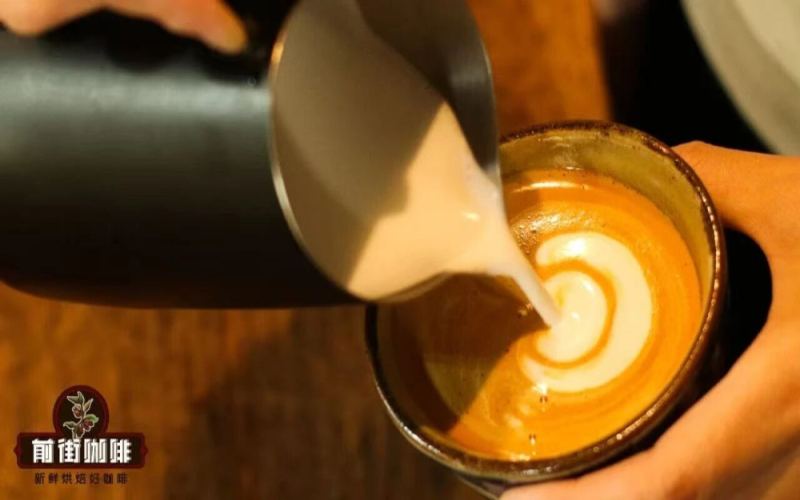
The Complete Maintenance Guide to Cleaning and Backflushing Semi-Automatic Espresso Machines
If a coffee machine is neglected for a long time, its extraction performance and flavor will gradually deteriorate. This article is aimed at semi-automatic espresso machines equipped with an independent brew head, and systematically outlines an actionable maintenance routine, from daily external wiping, cleaning the dispersion screen and portafilter, to backflushing with a blind basket, deep cleaning with cleaning powder, and regular maintenance of the dispersion screen, gasket, and boiler. It also recommends beans suitable for espresso extraction, such as Front Street Classic Blend, Commercial Blend, Dark Cocoa Base Blend, and Specialty Blend, to help you maintain consistent output whether for a café or home use. [more…]

A Complete Guide to Semi-Automatic Espresso Machine Cleaning and Maintenance: Step-by-Step Instructions and Coffee Bean Selection Advice
The semi-automatic espresso machine is the core equipment for a café's operation, and its service life depends both on its initial quality and on careful daily maintenance. A qualified barista must not only be able to extract full-flavored espresso, but also understand how to properly clean and maintain the machine. This article systematically outlines the daily and periodic cleaning procedures for semi-automatic espresso machines, covering key steps such as wiping the exterior, flushing the dispersion screen, deep cleaning the portafilter, and backflushing, while also offering specific recommendations for espresso bean selection, helping you consistently produce stable, great-tasting coffee while keeping your equipment in top condition. [more…]
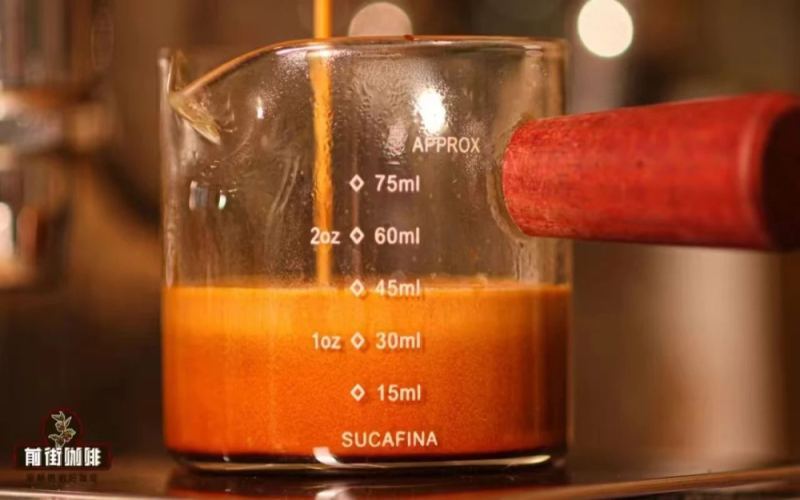
Analysis of Gemilai CRM3120 Commercial Dual-Head Espresso Machine and Beginner Espresso Bean Recommendation Guide
In recent years, the home coffee machine market has continued to heat up, with brands such as Delonghi and Gemilai gradually becoming common choices for coffee enthusiasts just getting started. For beginners new to espresso, besides choosing a machine, selecting the right coffee beans is equally crucial. This article will provide a detailed analysis of the features of the Gemilai CRM3120 commercial dual-head coffee machine, including its independent multi-boiler heating system, automatic pre-infusion brewing, modular design, and energy-saving advantages, as well as other core technologies. At the same time, for users using a Gemilai or Delonghi coffee machine for the first time, it recommends two Front Street espresso blend beans suitable for home brewing—Front Street Classic Blend and Front Street Strawberry Candy Espresso—which respectively satisfy the flavor needs of rich crema and floral-fruity sweetness. [more…]
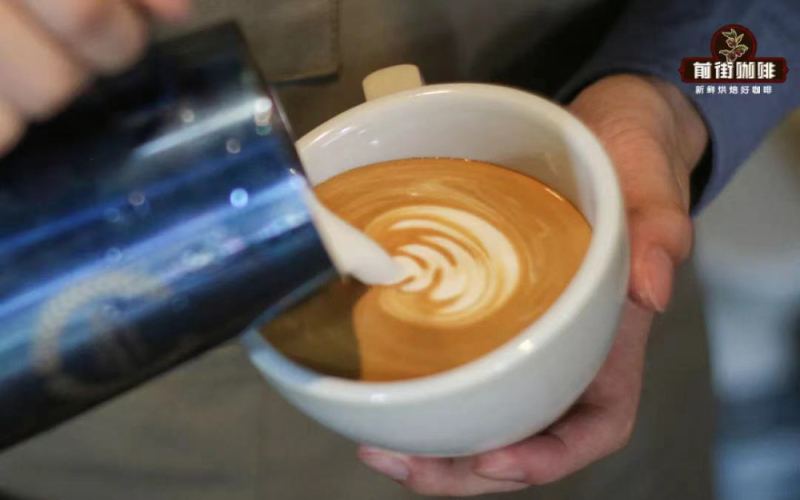
The Complete Guide to Latte Art: From Coffee Bean Selection to Milk Frothing and Extraction Techniques
To create a cup of espresso latte art with clear patterns and distinct contrast at home, practicing technique alone is far from enough. From the roast level and freshness of the coffee beans, to the yield and flow rate of the espresso extraction, to the temperature, fat content, and foam thickness of the milk, every step directly affects the final pattern. This article systematically breaks down the four major elements that influence latte art—coffee, milk, pitcher, and pattern—and recommends three beans for practice and serving—Front Street Classic Blend, Commercial Blend, and Dark Cocoa Base Blend—to suit different needs, helping coffee enthusiasts gradually improve their latte art skills on the basis of understanding the principles. [more…]
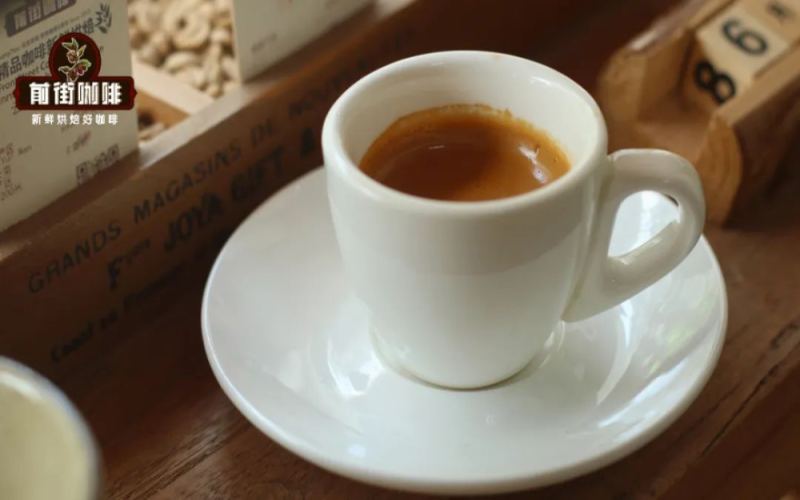
Espresso Extraction Flow Rate Anomalies: Analysis of Causes and Adjustment Methods for Fast-Then-Slow Flow
When extracting espresso, the normal flow rate should start slow and gradually speed up, but sometimes the exact opposite occurs—after pressing the extraction button, the coffee liquid bursts out violently, then quickly thins and slows down. This abnormal flow rate—fast first, then slow—often indicates a problem with the extraction yield, and the resulting espresso's flavor is less than ideal. From Front Street's perspective, this article systematically breaks down the four major factors behind this phenomenon: the dose exceeding the basket's standard gram weight, uneven tamping causing channeling, the pressure pump set too high leading to an overly aggressive extraction, and the coffee beans having finished degassing and no longer being fresh. For each cause, the article provides specific adjustment solutions to help coffee enthusiasts find the root of the problem and correct it. [more…]
An Analysis of the Mechanism, Timing, and Practical Key Points of the Bloom in Pour-Over Coffee
Blooming is a frequently mentioned yet easily misunderstood step in coffee extraction. Starting with the pre-infusion design of segmented water-feed coffee machines, this article explains the principle by which blooming enhances extraction and locks in aroma, while pointing out that manually imitating blooming on household machines without a segmented function actually causes a loss of the essence. The article further introduces blooming methods for various devices such as pour-over, American drip, Belgian Royal brewer, and siphon, and, drawing on experience supplying meals to cafés, explains the changes in coffee aroma and smoothness after blooming, for the reference of coffee enthusiasts. [more…]
Latte Art Practice Duration and Latte Milk Frothing Techniques: A Detailed Guide to Milk and Coffee Integration Key Points
To create beautiful latte art, hand speed and talent alone are far from enough—behind it lies a whole series of details involving milk foam condition, crema quality, extraction parameters, and even milk temperature. This article breaks down crema, coffee beans, extraction methods, milk handling, and pitcher-splitting techniques one by one, helping you understand the underlying logic of latte art and avoid unnecessary detours. Whether you are a complete beginner or an enthusiast looking to refine combination patterns, you will find directions worth practicing repeatedly. The article also combines the characteristics of several Front Street Coffee espresso blends to offer bean selection advice for latte art practice and serving. [more…]