







How Do Espresso Coffee Beans Differ From Pour-Over Beans?
The core difference is roast level. Espresso coffee beans are roasted darker, while pour-over beans are roasted lighter. That gap comes from extraction: espresso uses pressure to pull flavor from a small amount of water in seconds, so darker roasting helps the shot stand up to that force, whereas drip methods pass hot water through the bed at normal pressure and suit lighter roasts.
Beginners often assume single-origin beans are always better than blends, but the label describes sourcing, not quality. Price differences usually track green bean grade, processing and freshness rather than origin alone. The same logic applies across brewers, including moka pots, where a darker roast handles the pressure and short contact time more predictably than a light one.
Friends new to coffee often feel lost when faced with the dazzling array of bean labels and don't know how to choose a coffee bean that suits them. In fact, the difference between espresso beans and pour-over beans is not as complicated as imagined. The core distinction lies mainly in the roast level—espresso beans tend to be darker, pour-over beans lighter—and this difference stems from the different extraction methods. Once you understand the characteristics of pressurized extraction versus drip extraction, you'll see why some beans are better suited for espresso and others for pour-over. This article will also clarify common misconceptions about single-origin versus blends, and explain the quality logic behind price differences, helping you make more suitable choices under different extraction methods.
Many friends new to coffee feel confused when buying, because there are simply too many labels on the bean packaging, and they have no idea how to pick the right coffee beans. In fact, the difference between espresso beans and pour-over beans is far less dramatic than people think. As long as you understand the characteristics of espresso coffee and pour-over coffee respectively, choosing suitable coffee beans becomes a matter of following clear rules.
What is the difference between coffee beans used for espresso and pour-over?
The most core and fundamental difference between espresso coffee beans and pour-over coffee beans, in the end, is the roast level: espresso beans are roasted darker, while pour-over beans are lighter. The reason for this difference lies precisely in the distinct characteristics of the two extraction methods.
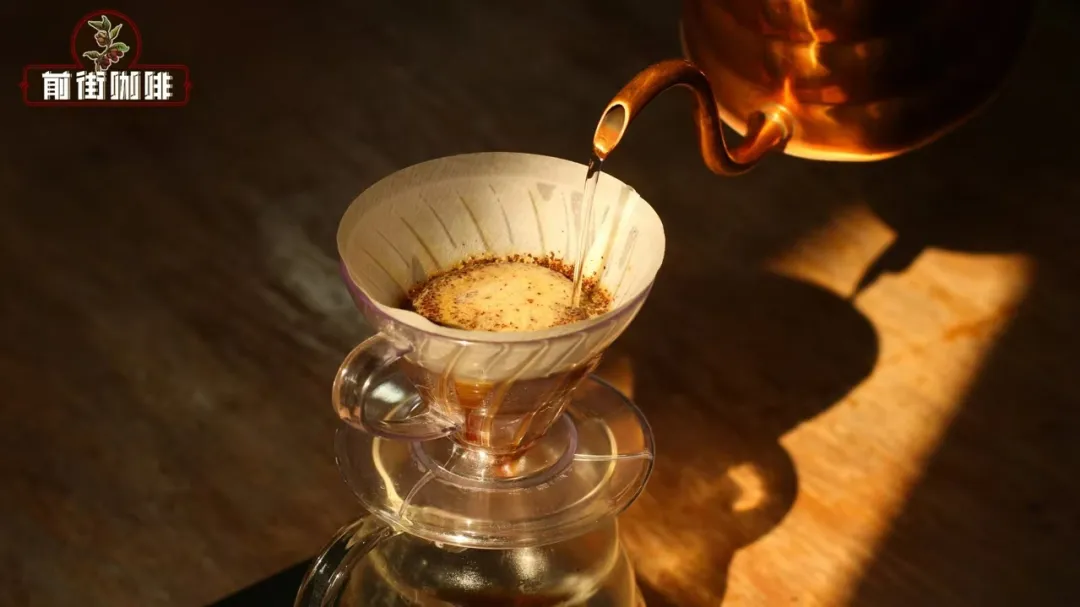
Pour-over coffee follows the drip extraction path. Front Street often emphasizes that drip extraction is hot water passing through the coffee bed under normal pressure, using dissolution and washing to bring out the flavor compounds in the coffee. This method is simple to operate and highly controllable, so it's easy to brew a delicious cup with pour-over. Espresso is different—it relies on pressure to assist extraction, making it a pressurized extraction.
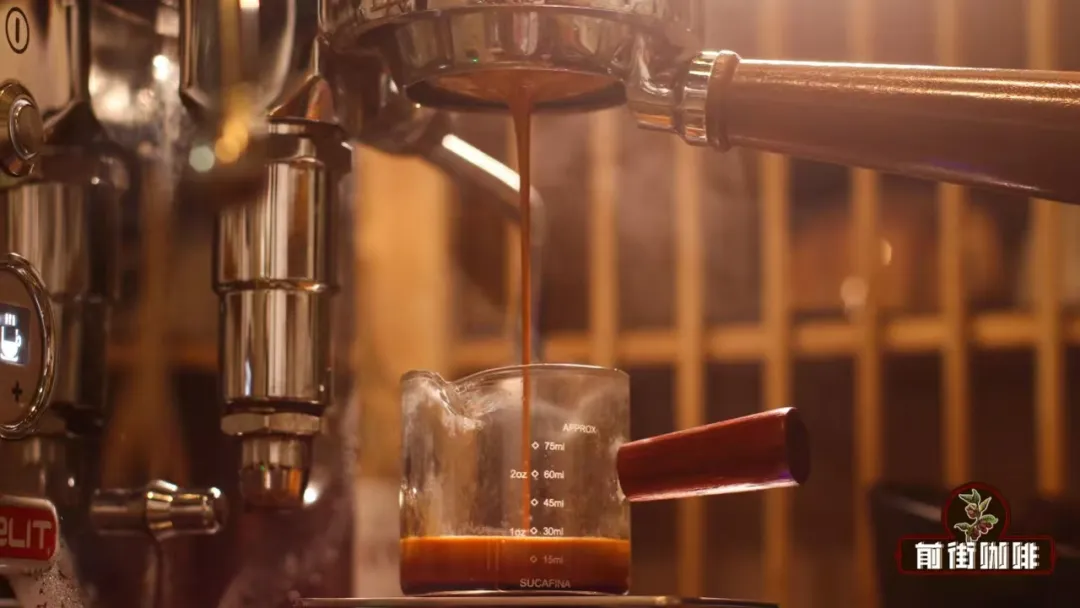
With pressure involved, the espresso machine can extract flavor compounds from coffee in a very short time using a very small amount of water. Given a fixed total amount of substances, the amount of water directly determines the strength of the coffee. So with the help of pressure, an espresso machine can quickly produce a cup of extremely concentrated coffee.
Extremely high concentration means that all aspects of the coffee are amplified exponentially, good and bad alike. This makes certain coffee beans relatively unsuitable for making espresso, such as those that are lighter-roasted and higher in acidity.
For the same coffee bean, if the roast level is lighter, brewing it as pour-over may yield a delicious cup with balanced sweetness and acidity and distinct flavors; but if you put it into an espresso machine to make an espresso, the cup will most likely taste rather harsh, because the high concentration makes the acidity highly concentrated and become particularly sharp and prominent.
If you add water to dilute it into an Americano, things are still okay; but once you add milk to make a milk coffee, when the espresso's acidity is too high, the acidity and milk will form an jarring contrast. Therefore, if you want the espresso to be easier to drink and the milk coffee to taste harmonious, the best approach is to deepen the roast level of the coffee beans.
After deepening the roast level, the acidity of the coffee beans decreases somewhat, while the caramelization reaction brings more caramel aroma. When made into milk coffee, it not only won't be jarring, but the flavor will actually become more prominent. But this roast level, for this particular bean, may not fully showcase its original flavors—the floral and fruity notes will be diminished due to the darker roast.
Taken together, it becomes clear that the reason espresso coffee beans and pour-over coffee beans need to be distinguished is simply that certain beans at specific roast levels are only suitable, or more suitable, for one particular extraction method.
The example Front Street gave above illustrates this point: if you want to experience this bean's floral and fruity notes, you need a lighter roast with less caramelization to present them, but such a bean may not be very suitable for espresso extraction; and if you want to use it for espresso, then it's best to appropriately deepen the roast to increase compatibility, but then the coffee made by pour-over or other non-espresso methods won't perform as brilliantly in terms of flavor. This is precisely why the two need to be distinguished.
Although they are distinguished, the difference lies only in the roast level. If you're willing, espresso coffee beans can also be used for pour-over, and pour-over coffee beans can also be used for espresso.
It's just that due to the different roast levels, we need to adjust the parameters accordingly, and this way we can still make delicious coffee.
Now let's talk about blends versus single-origin. Many people habitually equate blend beans with espresso beans and single-origin beans with pour-over beans. Although espresso coffee is indeed mainly based on blends and pour-over mainly uses single-origin beans, the two cannot be directly equated.
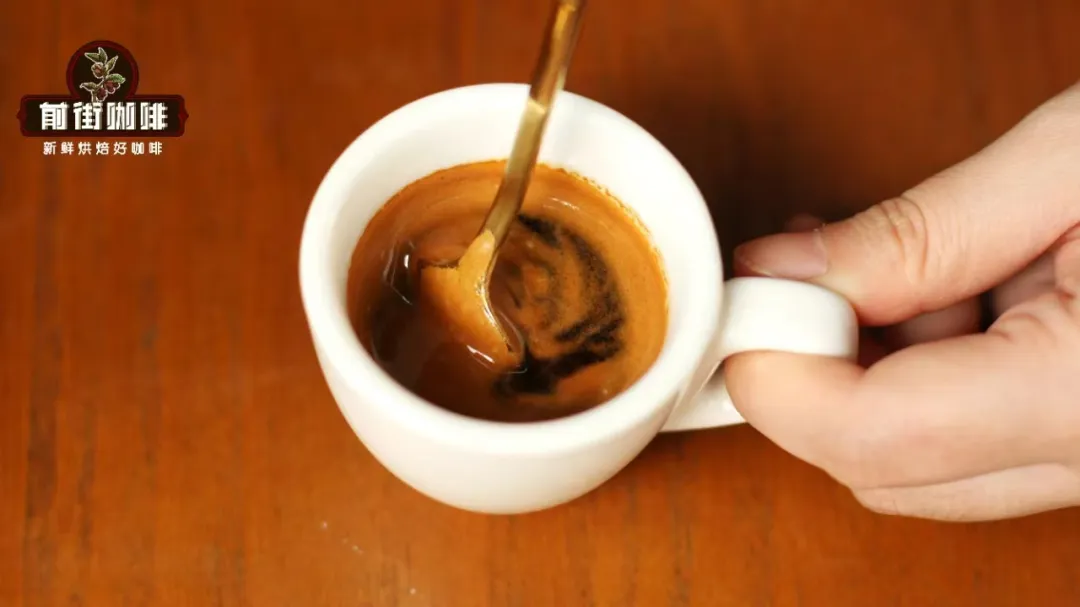
Because whether to choose single-origin or blend mainly depends on the coffee effect you want to achieve. If you want the coffee you make to be excellent in both mouthfeel and flavor—a "all-round fighter"—or if you're pursuing higher cost-effectiveness and stability, then blend beans would be a very ideal choice; if what you want is a pure single-origin flavor, then choose single-origin, and then decide whether to use a light roast or an SOE roast based on the extraction method.
In other words, pour-over coffee can also be made with blend beans, and espresso can also be made with single-origin beans—the two do not conflict.
Finally, let's talk about price differences. Usually, pour-over coffee beans are more expensive than espresso coffee beans. There are many reasons for this difference, but the most core one lies in the quality of the coffee beans. For example, among the many barista-recommended espresso moka pot coffee beans on Front Street's bean list—Front Street Dark Cocoa Blend—the price is 50 yuan per pound/454g (when buying 5 bags or more, it drops to as low as 45 yuan per pound) , while other single-origin beans of the same weight cost considerably more. The reason is simple: blend beans use commercial beans, while single-origin beans use specialty beans.
But do pay special attention: commercial beans and low prices do not equal inferior or bad, and expensive ones are not necessarily suitable for you. Especially when making espresso, the performance of commercial beans can actually already satisfy the coffee needs of the vast majority of people. The advantages of specialty beans over commercial beans are more reflected in superior flavor, while many people's flavor requirements for espresso are actually not high—they mostly want the coffee taste brought by a dark roast, or the caffeine boost of coffee itself.
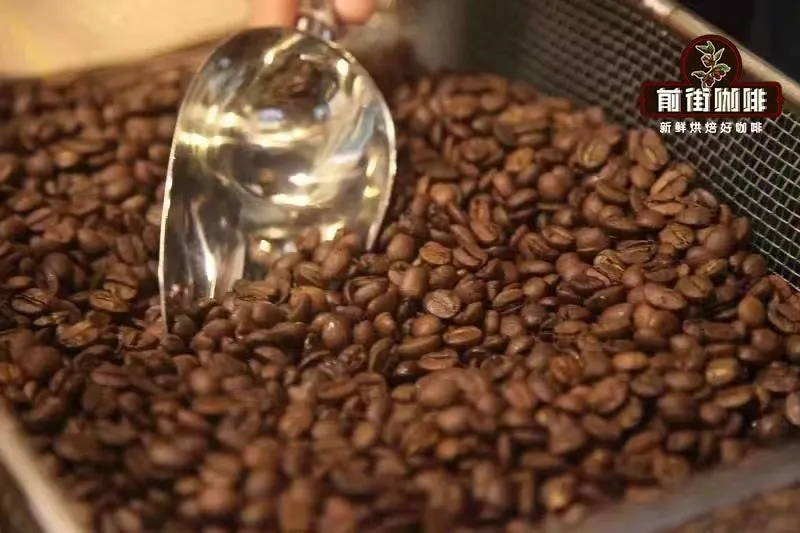
In summary, everyone should now be clear about where the differences between pour-over coffee beans and espresso coffee beans lie, and how to choose. If your extraction method is pour-over, or French press, siphon, Clever Cup, cold brew, or other methods that can well showcase coffee flavors, then it's best to choose single-origin coffee beans (choose light or dark according to personal preference) ; and if your extraction method is mainly espresso machines, moka pots, or other methods that can extract concentrated coffee and make milk coffee, then it's best to choose blend beans or single-origin beans with a darker roast.
- END -
The above content is compiled by CoffeeHunters, a coffee news website.


