







What fruity aroma compounds does coffee contain?
Strawberry and peach notes are hard to catch in pour-over coffee because the chemistry is stacked against them. Real strawberry aroma comes from more than 360 volatile compounds working together, while coffee contains only a small number of similar molecules, and at far lower concentration. That is why citrus and pineapple notes show up clearly on the first sip, while the sweet, delicate fruit notes stay faint and elusive.
A coffee enthusiast can close the gap in two ways: train the nose to pick up secondary aroma contours behind the main note, and amplify the target flavor with high-temperature, fast extraction, using a slightly diluted coffee-to-water ratio. Naturally processed beans, such as Ethiopia Hamasho, are a good starting point because they carry peach and strawberry notes in the cup.
Many coffee enthusiasts are often puzzled when drinking pour-over: why are fruit aromas like citrus and pineapple easy to identify, while the sweet aromas of strawberry and peach always seem veiled? Front Street approaches this from the perspective of aroma chemistry composition and concentration differences, revealing the fundamental reason why such fresh fruity notes are hard to capture—real strawberry aroma is presented through the synergy of over three hundred volatile compounds, while coffee contains only a small amount of similar components. The article proposes two paths to solve this: first, train the sense of smell to capture secondary aroma contours beyond the main aroma; second, amplify the target flavor through high-temperature fast extraction and appropriately diluting the coffee-to-water ratio. Front Street also lists several naturally processed beans with peach and strawberry notes, and uses Ethiopia Hamasho as an example to provide complete brewing parameters and tasting notes.
Many coffee enthusiasts have reported this confusion to Front Street: clearly drinking the same bean, fruity notes like pineapple and citrus are easily recognizable on the first sip, yet the fresh, sweet, and delicate aromas of strawberry and peach always seem faint and elusive, impossible to grasp. Where exactly does the problem lie?
Actually, this is a fairly common phenomenon. The reason is that the recognizability of fruity sweet aromas like peach and strawberry in coffee is inherently more difficult than other types of fruit aromas. Why are peach and strawberry flavors in coffee relatively hard to capture? Front Street has mentioned many times in past shares that the flavors we perceive when drinking coffee mainly come from various aroma substances generated during the roasting stage. These aroma components are identical to certain odor molecules in everyday foods, which is why we can associate them with specific food aromas.

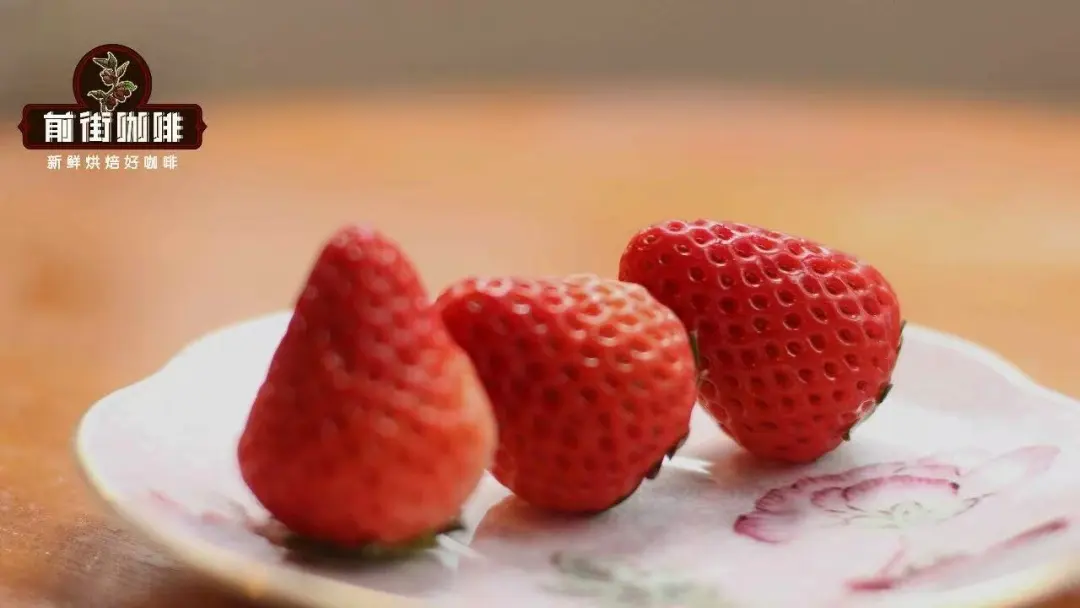
But note that we say "association," not a complete replication of real food aroma. Take strawberry aroma as an example: the strawberry note in coffee is mainly composed of lipids, furanones, and other compounds produced during roasting. These substances also exist in the aroma system of real strawberries, which is why we can associate them with strawberry. The difference is that real strawberry aroma is the result of over three hundred and sixty volatile compounds working together, far more complex than coffee.
Another key difference is concentration. Although coffee contains the same aroma components as real foods, the content is extremely low, accounting for only a small portion of the overall aroma. Therefore, the concentration cannot compare with real foods at all, especially for fresh fruity sweet aromas like strawberry and peach. Combined with the component differences mentioned earlier, if we directly apply the expectations of tasting real fruit to drinking coffee, we often only perceive water-soluble tastes like sourness, sweetness, and bitterness, while finding it difficult to capture specific fruity aromas.
So how can we more clearly taste sweet aromas like peach and strawberry from coffee? Front Street suggests starting from two directions. First, try to capture a complete aroma contour. An aroma is not a single component but is composed of multiple compounds together. Therefore, in addition to the main aroma characteristics, it also carries many secondary aroma characteristics. Take strawberry as an example: besides strawberry itself, we can also perceive layers of sweet aroma, creamy aroma, fermented aroma, floral aroma, etc.; peach likewise, besides peach aroma, is accompanied by sucrose sweetness, almond, coconut, floral aroma, and a delicate fragrance similar to perfume. These secondary characteristics are usually weaker than the main aroma but are indispensable parts of building a complete flavor impression. We can try to collect these details beyond the main aroma from coffee, then combine the main aroma with taste perception to help ourselves build a more three-dimensional specific flavor.
Second, enhance the expressiveness of peach and strawberry aromas through adjustments in brewing methods. These two aromas are inherently not prominent enough in coffee and are easily masked by other flavors. By optimizing parameters to change the proportion of these components in the cup, combined with the smelling techniques mentioned earlier, you can experience them to the greatest extent. How specifically? First, you need to find a coffee bean that inherently carries these aromas—one cannot make bricks without straw; if the bean itself does not contain these aromas, no amount of brewing and smelling will help.
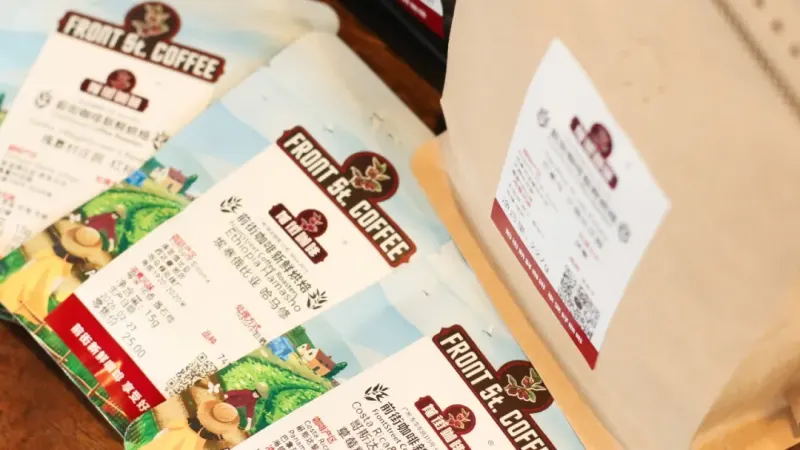
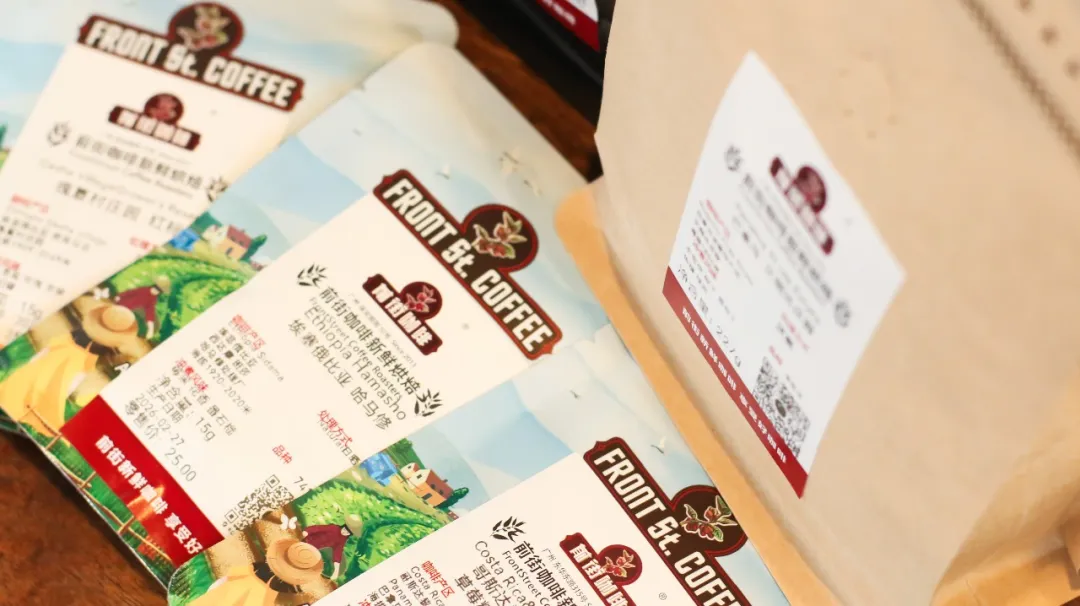
Front Street's bean list includes many coffee beans with peach and strawberry notes, most of which are naturally processed, because natural processing allows the coffee beans to undergo fuller fermentation, thereby developing richer fruity aromas. If you want to experience peach sweetness, you can look into Front Street Elida Estate Natural Catuai, Hacienda La Esmeralda Green Label Geisha, Ethiopia ALO, etc.; if you want to experience strawberry sweetness, Front Street Ethiopia Hamasho, Front Street Ethiopia Huakui, and Gesha Village Red Label Geisha are all good choices.
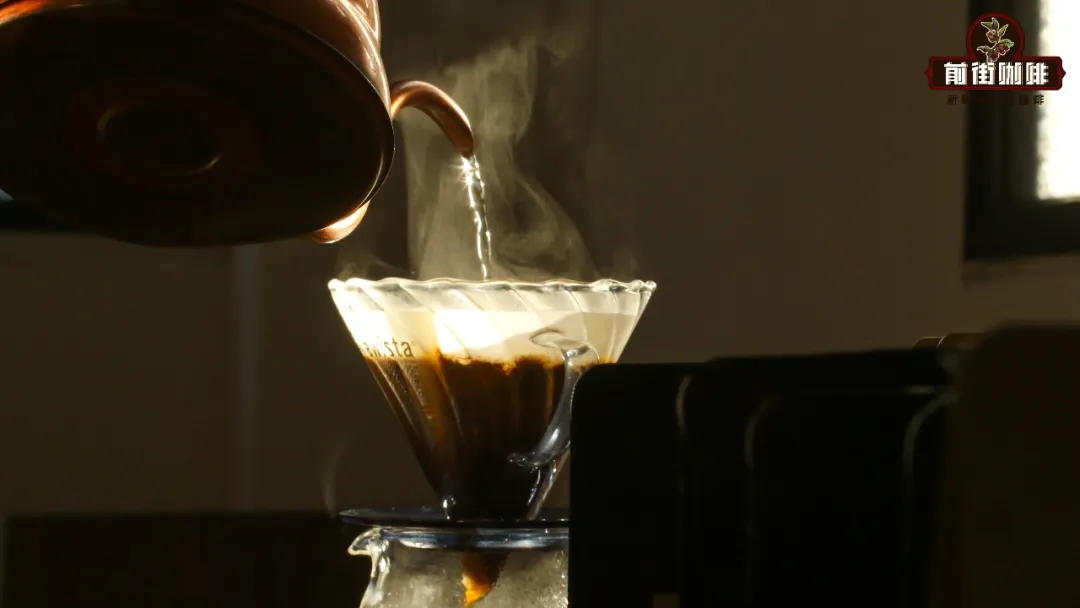
Since peach and strawberry aromas are easily covered by other aromas, you can use high-temperature fast extraction when brewing to control the total amount of dissolved substances. Increasing water temperature to speed up extraction can bring out sour and sweet substances while suppressing the massive release of bitter components, thereby reducing interfering substances that mask the aroma and making the target flavor more prominent. The coffee-to-water ratio can also be appropriately relaxed, because the goal is not to pursue a full-bodied juicy feel but to clearly identify a specific flavor; adding a bit more water allows the flavor to have more room for full expression.
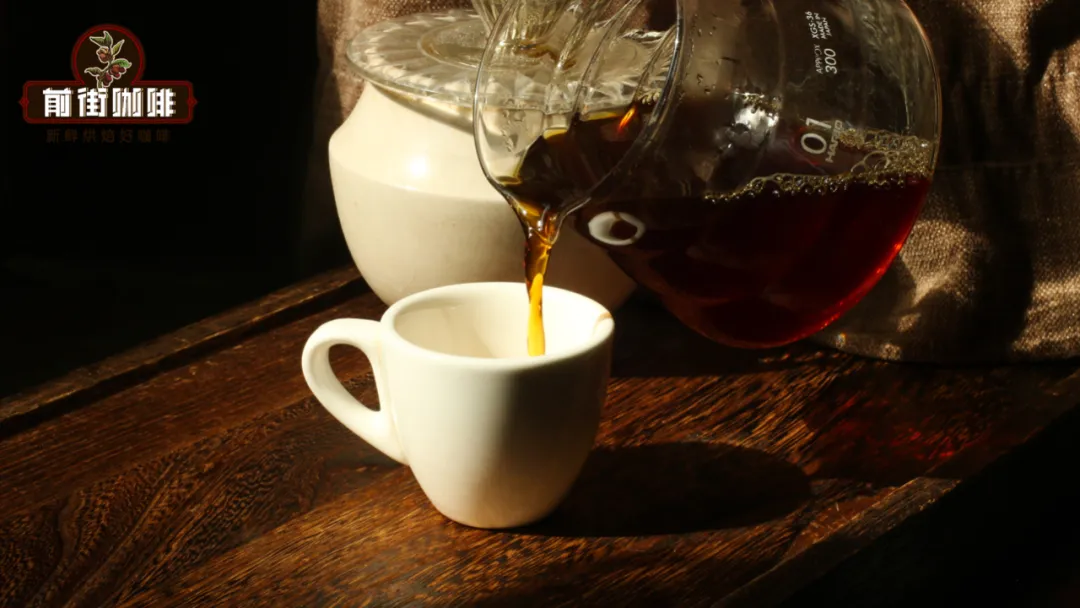
Next, Front Street will share the specific brewing parameters and method. The bean selected this time is Front Street Ethiopia Hamasho from Front Street's bean list. The parameters are as follows: Dose 15g, coffee-to-water ratio 1:16, water temperature 94°C, grind size Ek43 setting 9 with 80%~85% passing a No. 20 sieve, brewing time 1 minute 50 seconds to 2 minutes, V60 dripper. Since this uses a single-pour brewing method, to prevent under-extraction, you need to appropriately tighten the grind (beans with too high density are not recommended for single-pour); just go two steps finer than the original setting. First, bloom with twice the dose of water for 30 seconds.
After the bloom, pour all remaining 210ml of hot water in one go. Due to the large volume of water, the flow rate should not be too fast; maintain a moderate flow and pour in circles.

When Front Street finishes pouring all the hot water, the time is about just over 1 minute. Next, simply wait for the coffee to finish dripping, then remove the dripper to end extraction.
Total time 1 minute 50 seconds. Measured coffee concentration is 1.48%, extraction yield 21.93%, which is full extraction. Next comes the tasting stage. When smelling the wet aroma, you can already perceive the sweet, moist notes of strawberry and guava. On the first sip, strawberry aroma is captured first, mixed with the creamy and fermented secondary strawberry aromas mentioned earlier by Front Street, followed by guava, oolong tea, and a delicate white floral note. The overall mouthfeel is clean and round, and in the aftertaste you can also find aroma characteristics similar to starfruit and melon—quite an excellent performance.
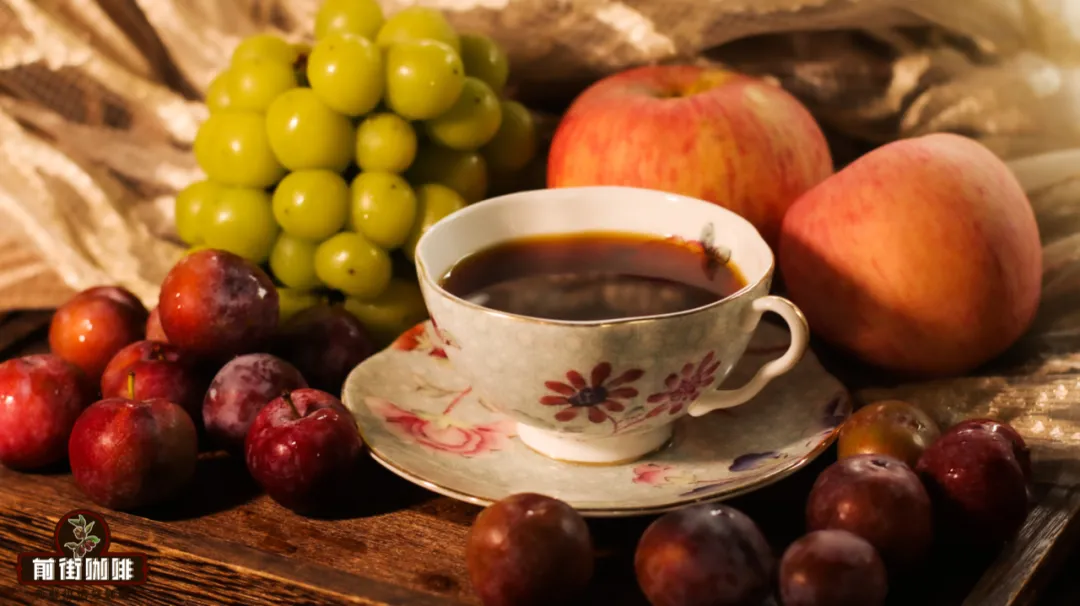
That is all for Front Street's share this time. Interested friends might as well try at home. Not just peach and strawberry—other hard-to-capture aromas in coffee can also be amplified through similar methods, helping us better experience and appreciate them.
- END -
The above content is compiled by CoffeeHunters, a coffee news website.


