







Search Results for: bypass

Coffee Terminology | What is bypass? Why perform bypass on a prepared coffee beverage? What are the considerations when using bypass?
As in various other industries, there are quite a few professional terms in coffee as well. We can understand so-called professional terms as a condensed expression of complex concepts. They can not only improve the efficiency of our communication, but also increase the precision of communication and reduce the chance of communication barriers arising. However, because most [more…]
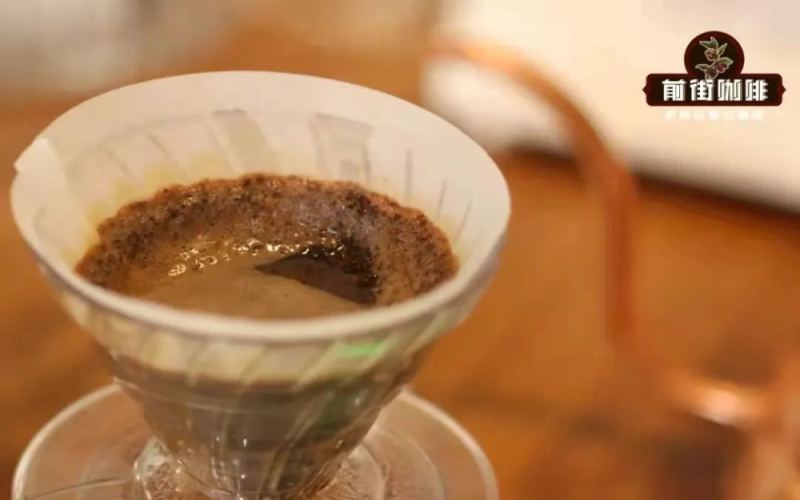
手冲咖啡浓淡失衡的原因与调整技巧:旁路法稀释与杯色影响风味感知
手冲咖啡看似容易,但要冲出令人满意的味道却并不简单。不少爱好者常因咖啡过浓或过淡而感到困扰:过浓时苦味滞留、刺激喉咙;过淡时风味轻盈如水,虽不反感却难称好喝。本文围绕这两种常见情况,先分析咖啡过浓的成因——往往源于萃取率偏高但未至过萃,并介绍一种专业调整手段「bypass(旁路)」,即向咖啡液中直接加水以降低浓度、保留萃取率,前街咖啡也建议每次以10-20ml逐步添加。对于咖啡过淡,物理上无法增浓,但可借助杯色实验与玻璃、陶瓷杯的视觉差异,通过红色或咖啡色陶瓷杯让大脑感知更浓郁,从而改善品饮体验。 [more…]

Pour-Over Coffee Brewing Methods | Does Multi-Stage Pouring Make Pour-Over Coffee Taste Better? How to Do Staged Pouring When Making Pour-Over Coffee?
In yesterday's post, Front Street mentioned that one of the advantages of pour-over coffee is its high level of controllability. During the brewing process, we can adjust the pouring method based on the actual situation, so that the coffee's flavor does not stray from being delicious. This statement is not unfounded; many techniques can help us do [more…]
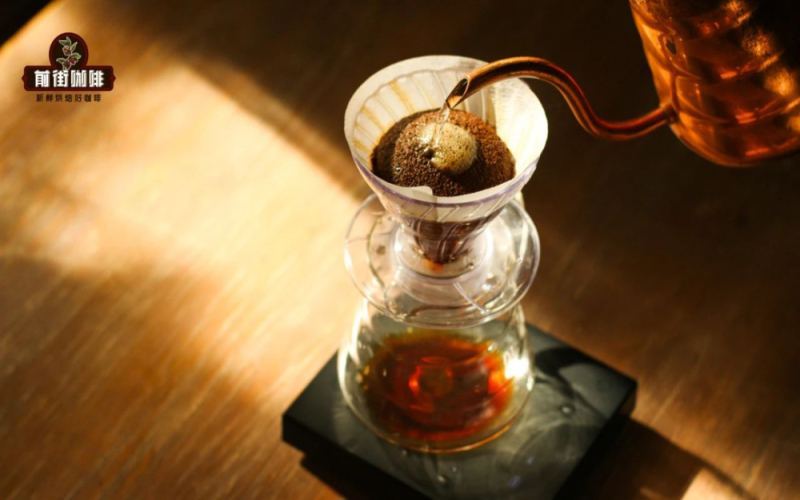
高浓低萃冲煮法解析:提升手冲咖啡浓度的策略与兑水调整技巧
在手冲咖啡的世界里,“高浓低萃”正逐渐成为一种备受推崇的冲煮思路。它追求的是让咖啡液拥有更高的浓度,同时将萃取率控制在较低水平,从而为后续调整留出充足余地。这种方案的核心在于灵活运用粉水比,通过主动或被动的方式改变萃取条件。与传统的“高萃取”思路不同,高浓低萃更看重咖啡的容错率——即便浓度偏高,也能借助Bypass兑水轻松修正,避免一杯难以入口的咖啡。本文将深入剖析这一冲煮理念的操作细节,并结合前街咖啡的实践经验,帮助你掌握高浓低萃的完整框架,做出一杯稳定又美味的手冲。 [more…]
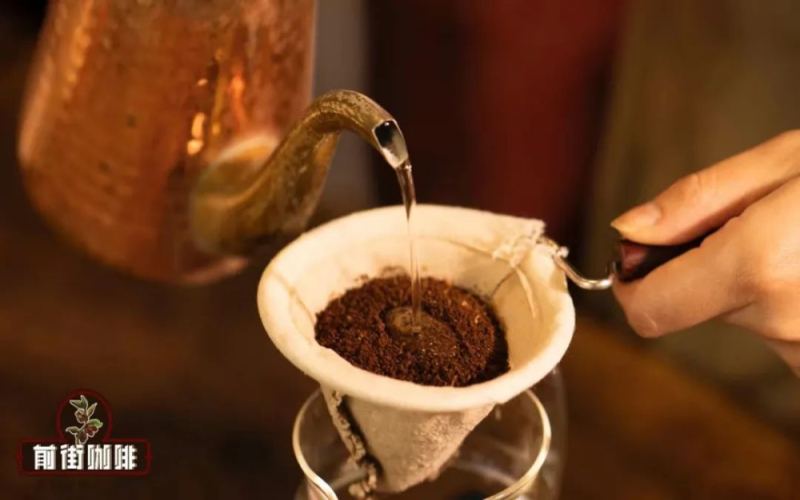
日式三大深烘冲煮法对比:河野点滴、松屋式与火山冲的原理与操作特点
深烘焙咖啡豆以醇厚苦韵见长,日式冲煮体系中有三种专门为这类豆子设计的经典手法:河野点滴法、松屋式冲煮与火山冲。三者虽路径不同,核心目标却一致——充分释放深烘豆的沉稳风味。河野式靠点滴闷蒸拉长排气时间,松屋式以超高注水与超长闷蒸追求稳定萃取,火山冲则用分段小圈注水营造喷发效果。它们普遍采用较高粉液比,部分还需bypass稀释。本文逐一拆解各法的起源、操作逻辑与风味取向,并说明为何这些方式更适合深烘豆。 [more…]
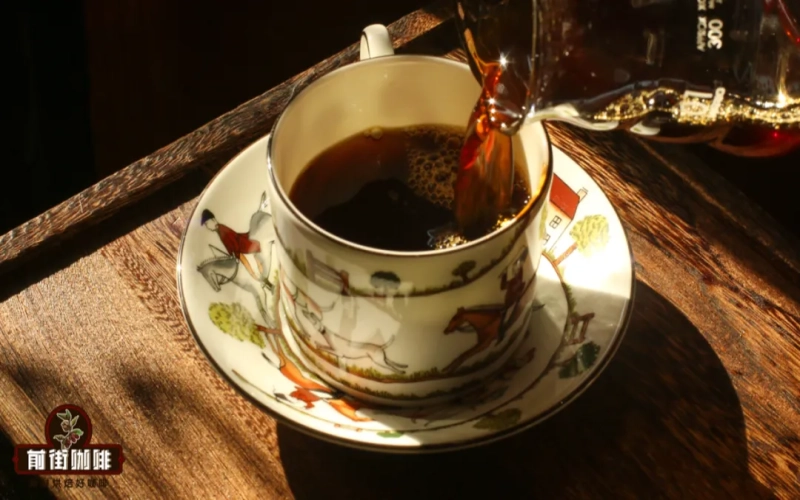
河野式点滴法完整教程:日式手冲如何攻克新鲜豆萃取难题
刚烘焙好的咖啡豆含有大量二氧化碳,直接冲煮往往导致萃取不均、风味失衡。日本人为此研发出一系列应对方案,其中河野式点滴法堪称经典。它以水滴代替水柱预浸咖啡粉,待充分排气后再切换大水流萃取,最终通过bypass调整浓度。前街本文将以PWN黄金曼特宁为例,详细拆解这套冲法的参数设置与操作步骤,帮你用新鲜豆也能冲出一杯醇厚平衡的好咖啡。 [more…]
Ethiopia Coffee | What is Yirgacheffe flavor? How can coffee beginners brew Ethiopian washed Yirgacheffe coffee beans well?
When it comes to specialty coffee beans, many friends always think of Yirgacheffe right away. This is not only because Yirgacheffe has extremely high recognition in the coffee world, but also because the coffee produced in Yirgacheffe has outstanding flavor performance, is highly recognizable, and is unforgettable once tasted. However, brewing Yirgacheffe coffee well is not a [more…]
日式手冲与意式浓缩有何不同?从冲煮手法到咖啡文化全面对比
咖啡是全世界最受喜爱的饮品之一,而日本与意大利各自发展出了截然不同的咖啡体系。日式咖啡以极深烘豆和柔和细腻的注水手法闻名,河野式、松屋式、火山式冲煮各具特色,都围绕如何萃取醇厚深烘风味而设计。意式咖啡则从16世纪威尼斯港口起步,历经蒸汽机、拉杆机的改良,最终将espresso推向全球,成为现代咖啡体系的核心。前街今天带你从冲煮方式、历史渊源到饮用习惯,全面梳理这两大流派的特点与差异。 [more…]
Blended beans from roast date to opening: hitting the right flavor window
After coffee beans leave the roaster, their aroma does not immediately reach its ideal state. The beans still contain a fair amount of carbon dioxide, so during brewing they degas vigorously, the water flow easily bypasses the coffee bed, and although the cup may have a powerful aroma, its sweetness and complexity have not yet unfolded. When choosing a blend, rather than simply assuming "the fresher the better," it is better to consider the roast date and the expected opening [more…]

Jamaican Blue Mountain Brewing | Is deep-roasted coffee beans good for pour-over coffee? What are the high-quality pour-over dark-roast single-origin beans favored by seasoned coffee enthusiasts?
The roasting levels of coffee beans are divided into many types, and in specialized terminology the roasting levels mentioned can even be subdivided into eight stages, but in daily life we only need to summarize them into three: light roast, medium roast, and dark roast. Dark-roasted coffee beans can provide a large amount of mellow flavor and caramel aroma, because the longer the dark roasting time [more…]
Ethiopian Yirgacheffe Coffee Beans | What Flavor Profile Does Yirgacheffe Kochere Coffee Have?
When it comes to specialty coffee beans, many friends always think of Yirgacheffe first. This is not only because Yirgacheffe has extremely high recognition in the coffee world, but also because the coffee produced in Yirgacheffe has outstanding flavor performance, is highly recognizable, and is unforgettable. However, brewing Yirgacheffe coffee well is not an [more…]
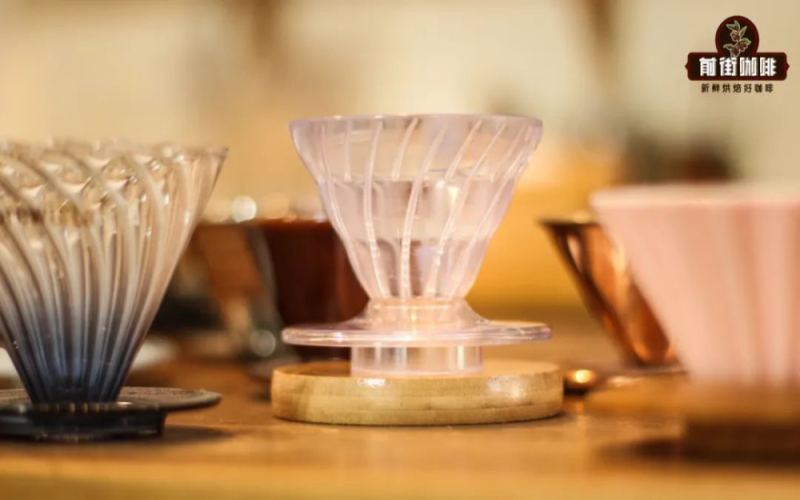
Coffee Equipment for Beginners | What kind of coffee dripper is suitable for novices learning about coffee? Which brand of V60 dripper is good? What are the advantages of the V60 dripper?
New-style drippers emerge endlessly every year. They not only come in a myriad of forms, but each has its own strengths: some drippers can change the flow rate of the water; some drippers can achieve zero bypass; some drippers can even change their shape! Although there are many kinds of drippers, in all their variety, if you were to ask a knowledgeable high-end player to recommend one to a beginner [more…]
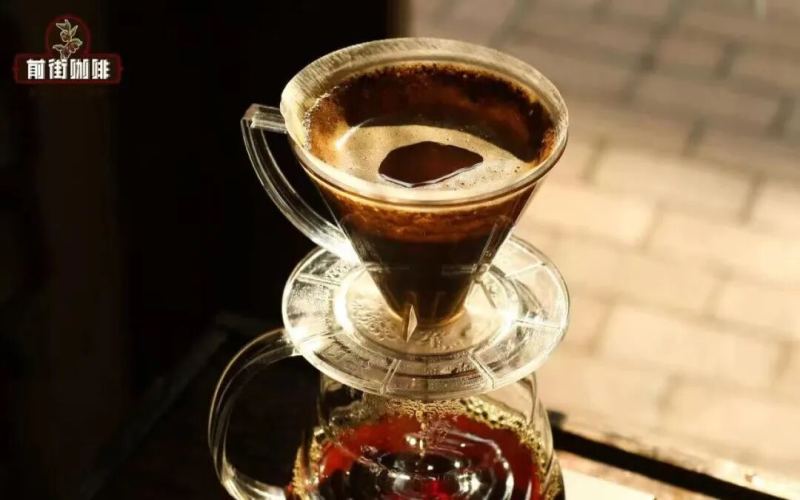
Coffee Brewing | What information is hidden in the coffee bed when making pour-over coffee? How can you judge the condition of single-origin pour-over beans from the coffee bed?
Yesterday a friend chatted with Front Street about a rather interesting phenomenon: he noticed that most people, when brewing coffee, even during the waiting intervals when they're not pouring water, still choose to fix their eyes intently on the changes in the dripper, as if trying to glean some information from the coffee bed. And you know what, there really is some truth [more…]
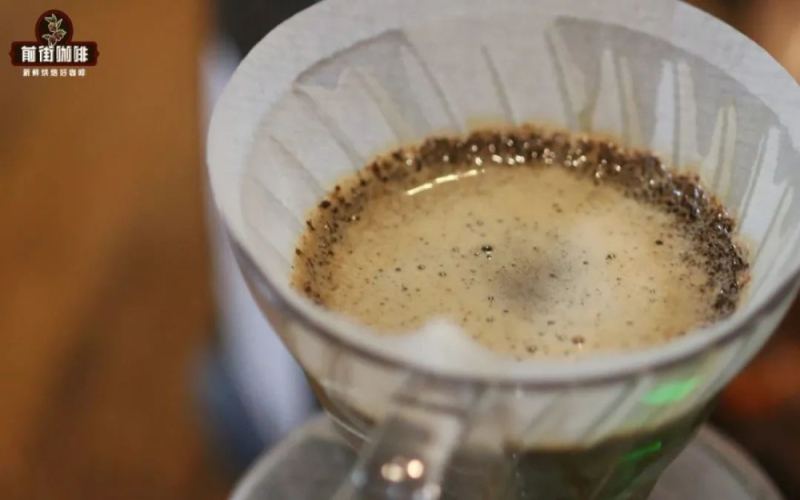
手冲咖啡冲煮过程中判断是否会出现积水的三个关键时间点
手冲咖啡时最令人头疼的问题之一就是积水,一旦在冲煮尾段出现堵塞,咖啡的风味往往会变得苦涩难咽。其实,在注水结束之前,有多个时间窗口可以提前预判积水是否会发生的迹象。只要掌握这些判断方法,就能及时调整注水策略,避免最终陷入被动。本文将围绕闷蒸膨胀程度、闷蒸后注水泡沫表现以及最后一段注水前的水位下降速度这三个关键时间点,逐一说明如何识别积水风险,并给出相应的应对措施。同时也会介绍当所有手段都无法奏效时的终极方案——截流,以及如何处理截流后咖啡浓度偏高和风味缺失的问题。 [more…]

Types of Black Coffee | What is Japanese-style Coffee? What Are the Japanese Coffee Brewing Methods? What Are the Differences Between Japanese-style and Italian-style Coffee?
Coffee is a beloved beverage all over the world and the most popular drink globally. When it comes to dedication to coffee, Japan undoubtedly stands out, because Japan's coffee culture has a very long history, and Japanese coffee craftsmen are also highly dedicated. As another mainstream representative, [more…]

Pour-Over Coffee Water Pouring Techniques | How Should Coffee Beginners Learning Pour-Over Coffee Pour Water? What Details Should Be Paid Attention to When Pouring Water in Pour-Over Coffee?
At Front Street Coffee shops, we often meet friends who have been teaching themselves pour-over coffee at home and come to discuss brewing-related questions with us. Many of them say that although the parameters they use are exactly the same as those we recommend in the shop, the coffee they brew always tastes inconsistent—sometimes good, sometimes bad—and they have no idea where the problem lies. In cases like this, [more…]
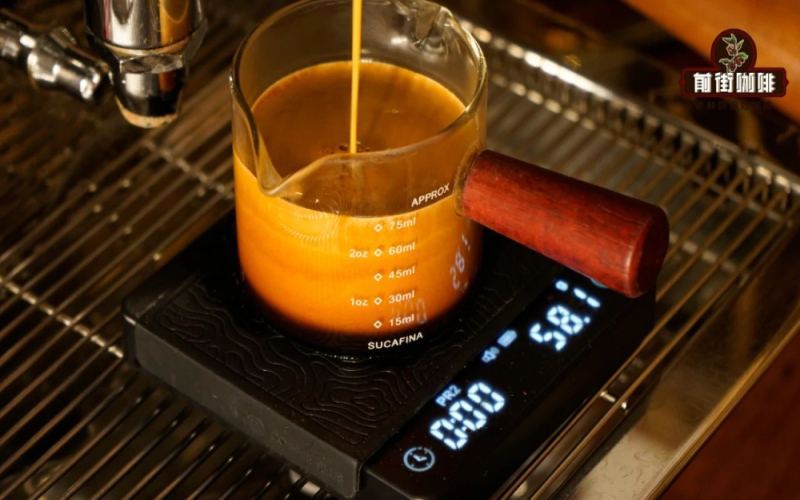
Lungo咖啡到底是什么?它与Espresso的萃取逻辑与风味差异全解析
Lungo咖啡同意式浓缩、Ristretto一样,都是意式咖啡机直接出品的基础咖啡,但它的定位与风味却常让人困惑。本文从萃取比例、浓度与萃取率的角度,梳理Lungo与Espresso、Ristretto之间的核心区别,并回溯20世纪50年代意大利咖啡平民化的历史,解释Lungo为何会诞生。前街咖啡还通过实际萃取测试,呈现Lungo的真实口感表现,并探讨这种萃取思路对今天咖啡冲煮的启发。 [more…]
意大利Lungo咖啡全解析:从Espresso到Ristretto的萃取逻辑与历史演变
在意大利咖啡体系中,Lungo是一种独特的存在——它与Espresso、Ristretto同属意式浓缩咖啡机直接萃取的饮品,却因萃取量最大而风味迥异。本文将从萃取率与浓度的角度剖析Lungo的定义,对比其与Ristretto、Espresso在粉液比和风味上的差异,并回溯上世纪50年代意大利的社会背景,解释这杯“加量不加价”的咖啡为何诞生。前街咖啡也将通过实际萃取测试,分享Lungo的真实味道表现,并探讨意式咖啡机在浓缩之外的可能性。 [more…]
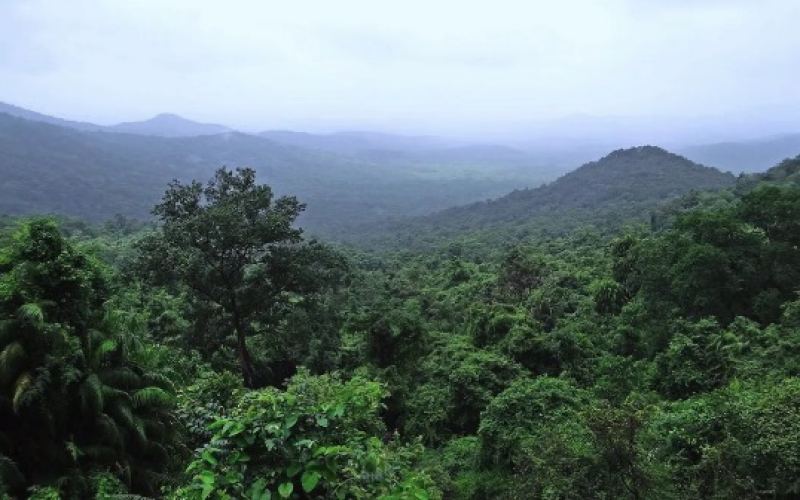
A year-on-year increase of 13%! Indian coffee exports have surged but are still affected by the Red Sea crisis.
India is the earliest country in Asia to grow coffee, and its output ranks sixth in the world. Recently, the price of coffee has continued to rise. The reason for the rise in price is that Vietnam has suffered from heat waves and droughts, affecting [more…]
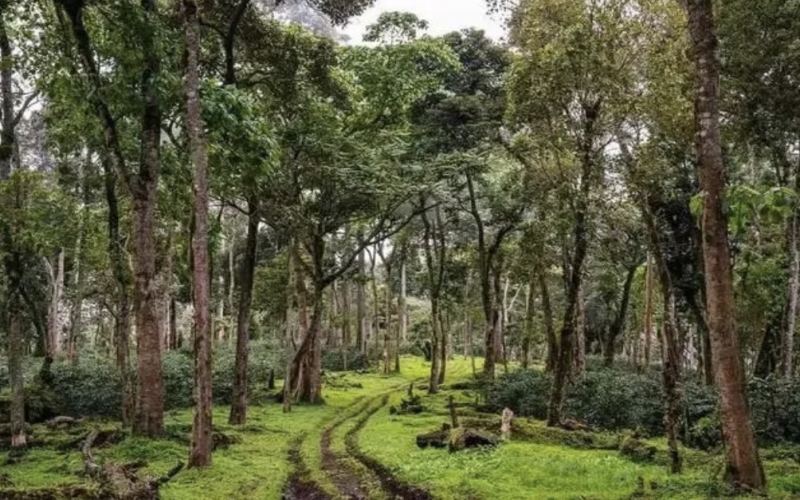
A brief description of the development history of Panama coffee bean cultivation.
Panama coffee is highly renowned in the global coffee market. At the end of the 19th century, when European immigrants settled in Panama, they brought coffee to Panama; the first area where these immigrants grew coffee was the province of Chiriquí. T [more…]