







Search Results for: bulging
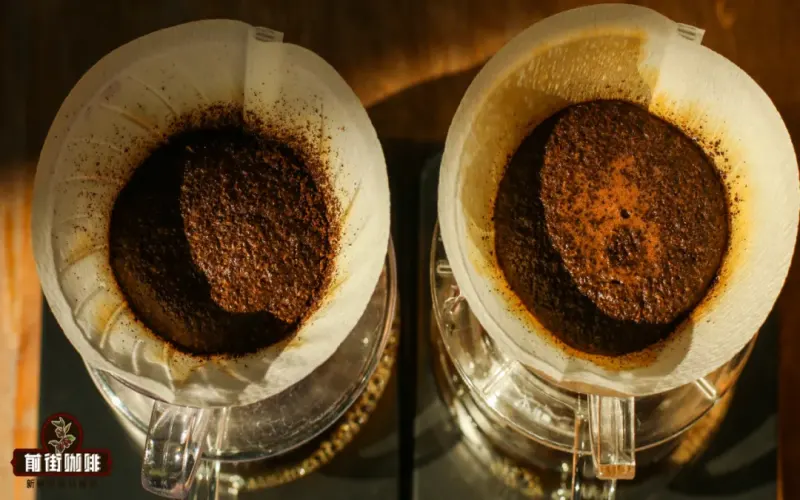
A Detailed Explanation of the Blooming Principle in Pour-Over Coffee: How to Judge Bean Freshness and Extraction Status from the Dome
In the process of pour-over coffee, blooming is a step that seems simple yet contains a wealth of information. Many enthusiasts are accustomed to judging whether coffee beans are fresh by observing the extent to which the coffee bed puffs up during blooming—the larger the puff, the fresher; the smaller, the staler. However, Front Street wants to tell everyone today that bean freshness is not the only factor affecting the size of the puff. This article will start from the working principles of blooming and deeply analyze why the coffee bed expands, as well as what variables besides freshness can lead to differences in the puff. At the same time, we will also explore how the process of carbon dioxide release after coffee beans are roasted affects extraction, helping you understand the blooming phenomenon more accurately in your daily brewing. [more…]

Is swollen coffee bean packaging a sign of spoilage or normal degassing? An in-depth analysis of the causes of coffee bean bag swelling and how to judge whether it's safe
The coffee bean bag you brought home is bulging—is it spoiled or is this normal? Many coffee lovers have encountered this question. In fact, a swollen coffee bag doesn't necessarily mean the beans have gone bad—roasted coffee beans continuously release carbon dioxide, which is the main reason the packaging expands. However, not all swollen bags are harmless; if accompanied by a musty or sour odor, that's a different story. This article will walk you through the chemistry of coffee bean degassing, the mechanism of one-way degassing valves, and why dark-roasted beans are more likely to make packaging bulge, helping you accurately judge whether the coffee beans in your hands are still safe to enjoy. [more…]

Tims' 60th anniversary limited edition ceramic mug gets criticized: recreates the paper cup seam design, silicone lid is hard to use and quality control is called poor
Tims, a Canadian coffee chain brand that has been in the Chinese market for five years, recently celebrated its 60th birthday. To mark the occasion, Tims launched a six-week promotion offering 9.9 yuan deals every week, along with a campaign where purchasing designated set meals would earn a limited-edition 60th-anniversary themed ceramic cup. Three simply designed cups attracted many fans to place orders in support. However, after receiving the actual products, some consumers discovered issues such as vertical protrusions on the cup body and silicone lids that were too tight to fit. Complaints flooded social media platforms. The official explanation stated that the protrusions were a deliberate design mimicking the seams of paper cups, but this clever idea did not gain widespread approval. Brand CEO Lu Yongchen once said the company would accelerate upgrades centered on user needs. Judging from the feedback on this anniversary gift, Tims still has room for improvement in peripheral product quality control and experience. [more…]

How Long Can Ground Coffee Be Stored? Is Refrigeration Feasible and an Analysis of Proper Storage Methods
Freshly ground coffee always has a superior aroma, but to save the step of grinding, many friends choose to have the merchant grind the coffee beans into powder in advance. So, how long can coffee grounds actually be kept? How many days is the peak flavor period? Is storing them in the refrigerator really reliable? This article will start with the optimal flavor period of coffee beans, combine Front Street Coffee's comparative experiments, and provide a detailed analysis of how the flavor of ground coffee changes over time, along with correct storage recommendations to help you preserve that precious fresh aroma as much as possible. [more…]
Identifying Varieties by Bean: Distinguishing Arabica Varieties and Flavor Differences from Coffee Bean Appearance
Different coffee varieties have their own distinctive bean appearances. In this article, Front Street Coffee starts with bean shapes to help you identify common Arabica varieties and understand the unique flavor tendencies of each. Typica beans are slender and plump, Bourbon beans are round and thick, Geisha beans are pointed at both ends and bulging in the middle, Caturra beans have a curved tail end, Catuai beans are oval and flat, SL28 and SL34 come from the Bourbon and Typica genetic groups respectively, and Ethiopian heirloom varieties vary in size due to their complex genetic diversity. By observing bean shape, bean thickness, and tail-end form, and then combining that with cupping flavor performance, you can make a preliminary judgment about which variety the coffee beans in front of you belong to. [more…]
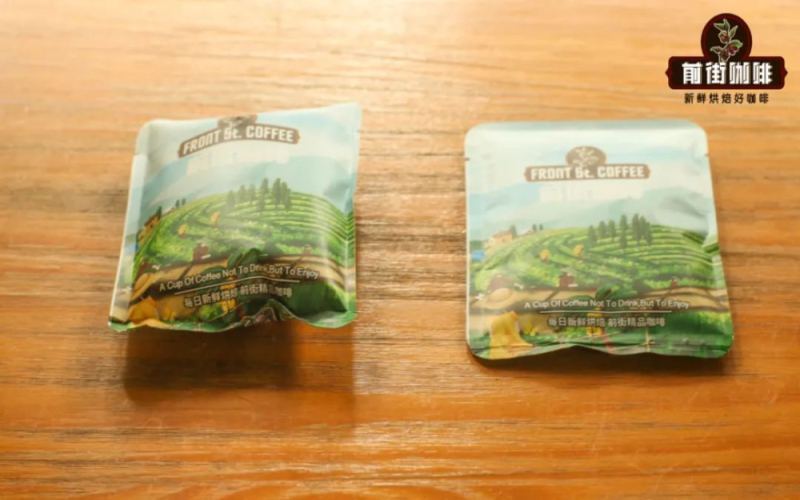
The coffee bean bag has puffed up—can it still be safely consumed? A full explanation of the causes and how to deal with it
The bag of coffee beans you just bought is bulging—is it spoiled? Can you still drink it? Actually, the reasons for coffee bean bag swelling are quite different from those for ordinary food. Ordinary food bags usually swell due to air leaks or gas produced by bacteria, but coffee beans themselves actively release carbon dioxide. When the roast date is very fresh, the roast level is on the darker side, and the bag happens to have no one-way degassing valve, swelling becomes a natural phenomenon. This article analyzes in detail the three main causes of coffee bean bag swelling, helping coffee lovers judge when they can enjoy it with peace of mind and when they should be more vigilant, and includes professional advice from Front Street Coffee. [more…]
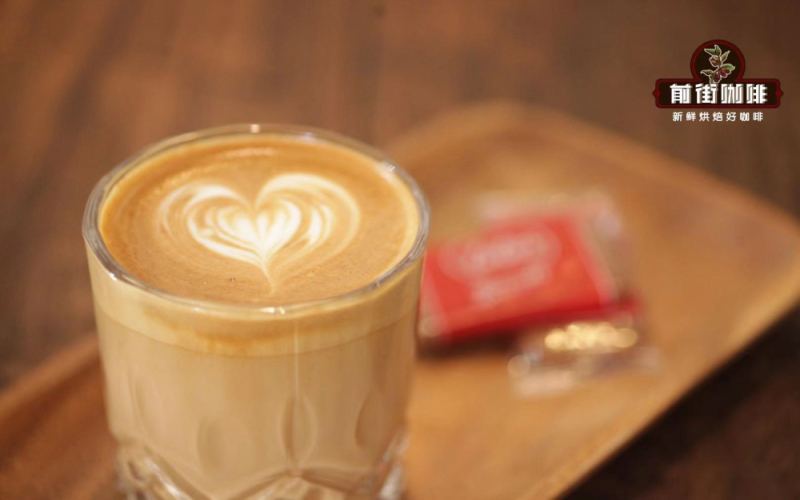
A Complete Guide to Making Flat White Coffee: From Espresso Base to Milk Foam Thickness, Master Practical Techniques for Extraction and Integration
Flat White is favored by many coffee lovers because its small cup size and low milk volume make the coffee flavor more concentrated. It originated in Melbourne, Australia, and began to gain popularity in Europe, the United States, and Australia in the 1980s. To make a delicious Flat White, the key lies in the extraction method of the espresso base, the control of milk foam thickness, and the ratio of milk to coffee. Starting from the beverage preparation process at Front Street stores, this article provides a detailed introduction to the characteristics of Flat White, its differences from latte and cappuccino, and the specific steps for making it. It also shares the flavor performance of two beans, Front Street Sunflower Warm Sun Blend and Classic Italian Blend, to help you recreate a creamy and smooth Flat White at home. [more…]

An Analysis of the Flavor and Mouthfeel Characteristics of Flat White: Core Differences from Latte and Key Preparation Points
Flat White and latte are both popular espresso-based milk coffees, but they differ clearly in milk foam thickness, milk ratio, and overall mouthfeel. Flat White uses a double ristretto as its base, with milk foam as thin as 0.3–0.5 cm, pursuing a rich, smooth, coffee-forward flavor. This article sorts out Flat White's origin background, preparation method, and comparison with latte and cappuccino, and also includes Front Street store brewing parameters and recommendations for five espresso blend beans, as a reference for coffee lovers to replicate at home. [more…]
Why is a flat white only served hot? Analyzing the key points of making a flat white, from extraction method to milk foam thickness
Flat white is a type of milk coffee favored by many coffee enthusiasts. It centers on espresso, with milk serving only as a supporting role, delivering a coffee flavor more intense than a latte. But have you noticed that flat white is only served hot in most cafés, never iced? This is closely tied to its crafting philosophy—thin microfoam, a small cup size, and a double ristretto, striving for every sip to deliver both velvety foam and rich coffee simultaneously. This article will provide a comprehensive analysis of the correct way to enjoy this "flat white," covering its differences from a latte, the New Zealand and Australian schools of preparation, the actual brewing parameters at Front Street Coffee locations, and why ice is never added—and will also touch on Dirty coffee, often called an "iced latte without ice." [more…]
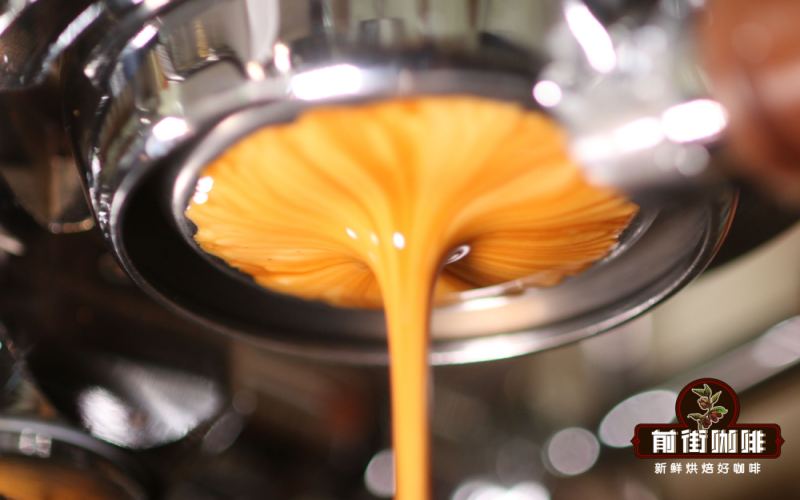
How Long After Roasting Should You Drink Coffee Beans? How Long Is the Resting Period for Espresso Beans? How Do You Rest and Awaken Single-Origin Beans? Can You Brew Coffee Beans That Haven't Rested Properly?
Have you ever had this experience: you buy coffee beans that have been roasted not long ago, can't wait to open them and brew a cup, only to find the extraction is very unstable and the flavor performance is less than ideal. A few days later, when you brew again, it tastes better. What is the reason for this? In this article, Front Street Coffee takes you through what "bean resting" means. Coffee beans [more…]
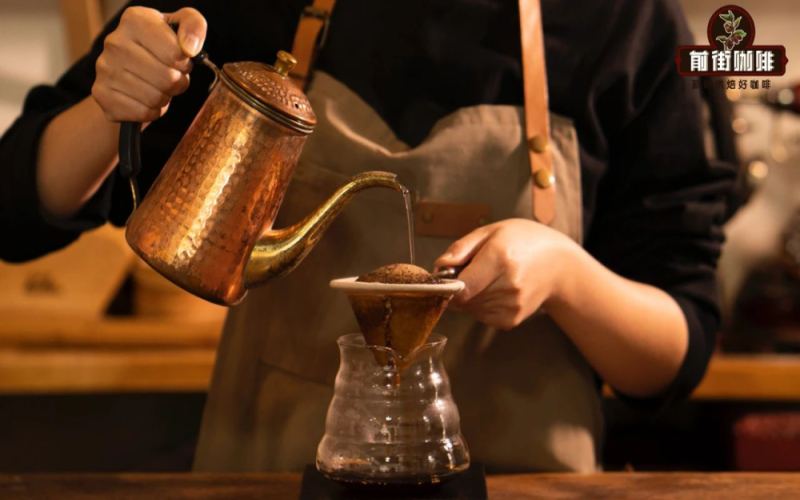
Complete Guide to Volcano Brewing: Japanese-Style Pour-Over Parameters and Sweetness Enhancement Secrets for Dark Roast Coffee Beans
Volcano pour is a highly visually striking classic technique in Japanese-style hand brewing. The coffee bed rises and falls like a volcanic eruption during pouring, and the deep-roasted coffee brewed this way has an especially abundant sweetness. Starting from the underlying logic, this article analyzes why the volcano pour can form a unique coffee-bed spectacle and why it produces such high sweetness, and provides complete brewing parameters and operating steps. It also explains the suitable bean type: deep-roasted beans with a high expansion rate and sufficient carbon dioxide, such as Front Street Sumatra·Golden Mandheling (deep roast). Finally, it includes a staged pouring scheme with a 1:12 coffee-to-water ratio, 88°C water temperature, and a Kalita trapezoidal dripper, along with dilution suggestions, to help coffee lovers recreate at home a smooth cup combining pine and spice notes, caramel sweetness, and dark chocolate aroma. [more…]

Drip Bag Coffee | What Are the Differences and Similarities Between Drip Bag Coffee and Hanging Ear Coffee? How to Brew Drip Bag Coffee? How to Brew Hot Coffee with a Hanging Ear Coffee Bag?
Speaking of drip bag coffee, this reminds Front Street of the convenient and simple hanging ear coffee, but they are not actually the same thing. In terms of steps, drip bag coffee is even simpler than hanging ear coffee—just put it into a clean container and add liquid, such as hot water, cold water or milk. [more…]
Ethiopia Guji Coffee Beans: A Comprehensive Interpretation of Estate Origins, Brand Flavors, and Taste Characteristics
Ethiopia is the birthplace of coffee, and its unique coffee ceremony and rich terroir culture are fascinating. This article begins with the traditional family coffee ceremony, taking you through the origin story of the Huakui estate coffee beans, and delves into its brand background and flavor and taste characteristics. At the same time, we will also take a look at Ethiopia's tourist scenery and festival culture, to experience the diverse charm of this ancient coffee country. The Huakui series recommended by Front Street Coffee is precisely a wonderful presentation of the flavors of this origin. [more…]
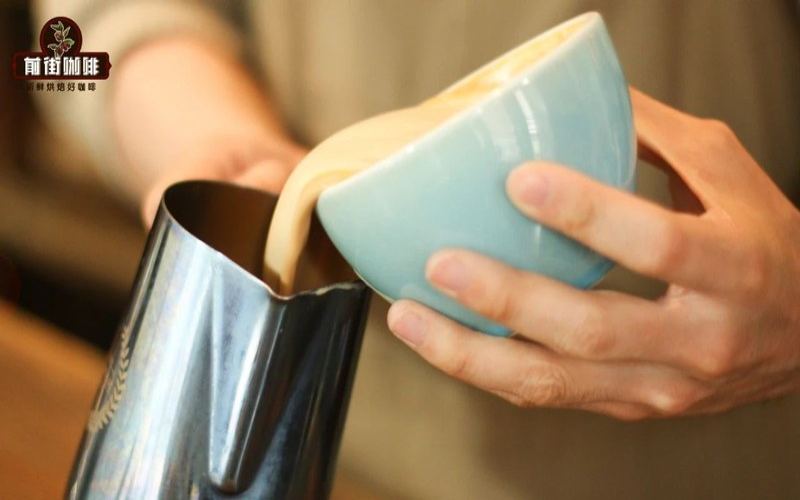
The Flavor Window and Storage Rhythm of Nutty Chocolate Coffee
The appeal of coffees with notes of nuts, cocoa, and caramel often lies in their consistent sweetness, mild acidity, and smooth entry on the palate, making them suitable for hot Americanos, milk-based coffees, or moka pot brews. However, the same bag of beans, when drunk at different times after roasting, will vary in aroma, body, and finish. When choosing this type of coffee, besides looking at the flavor description, also pay attention to the roast [more…]
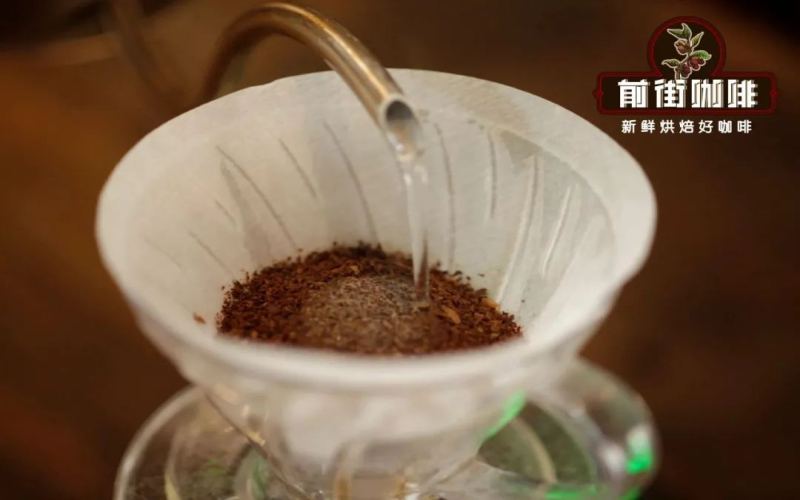
Blooming Method | What Is the Purpose and Significance of Blooming in Pour-Over Coffee? How Much Water for Blooming? Calculating Blooming Time for Coffee Extraction
In freshly roasted and freshly brewed coffee, there is a crucial small detail: baristas emphasize the need to "bloom." There is even a saying in the coffee community: "Bloom well, and brewing will be trouble-free," forming a positive link between blooming and brewing. So what is blooming, and how do you bloom? Careful [more…]

The Origin of the Flat White | Is a Flat White a Latte? How Do Starbucks Flat White, Luckin Australian White, and Costa Flat White Differ?
For more specialty coffee knowledge, please follow our WeChat official account: Front Street Coffee (FrontStreet Coffee). The espresso and milk-based Italian milk coffee—Flat White—is translated under different names at different cafes, such as Luckin's Australian White Coffee and Starbucks [more…]
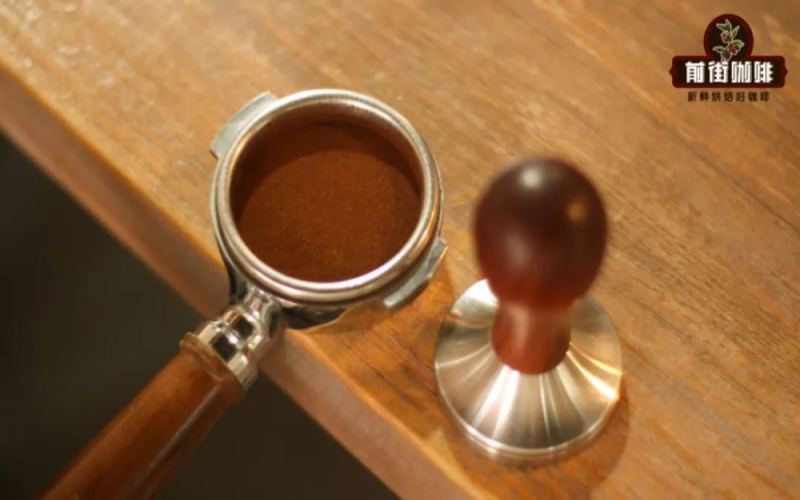
What's the right tamping pressure for espresso? A practical analysis of how grind size affects tamping
Tamping is a seemingly simple yet highly debated step in espresso making. Some people casually rotate the tamper, while others put all their strength into pressing the puck as tightly as possible. Just how much does tamping pressure affect extraction? Does the compactness of the puck really influence flow rate? Front Street Coffee answers these questions through two sets of comparison experiments with different grind sizes, using actual extraction time data. This article will guide you through the subtle relationship between tamping pressure and grind particle size, helping you find the tamping method that suits you best. [more…]
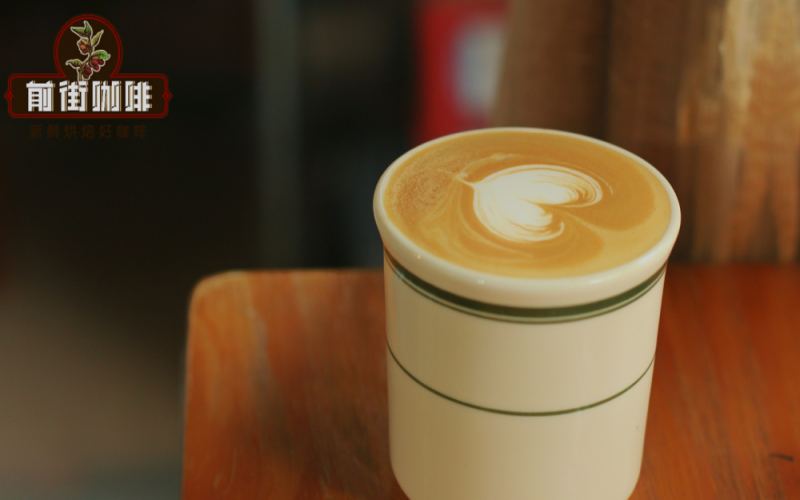
Australian White Coffee English Name Explained: A Comprehensive Comparison from Recipe to Flavor Differences with Latte
In coffee enthusiast circles, Flat White has always been a topic worth exploring in depth. It originated in Australia and New Zealand and is regarded as Oceania's localized evolution of the latte. Unlike the lattes and cappuccinos on Front Street Coffee's regular menu, the Flat White often exists as a hidden option. Starting from the English name of Flat White, this article will break down in detail its specific differences from a latte in cup size, espresso ratio, milk foam thickness, and flavor direction, and will also include Front Street Coffee's complete Flat White recipe and steps. Whether you want to understand exactly how a Flat White differs from a latte, or you want to recreate at home a cup of Flat White with thin milk foam and a prominent coffee flavor, you can find clear answers here. [more…]
How Should You Set the Water Temperature for Pour-Over Coffee? A Detailed Guide to the Ideal Brewing Temperature for Coffee Beans of Different Roast Levels
Brewing a good cup of coffee—water temperature is one of the key variables. This article uses pour-over coffee as an example to systematically explain the complete process from warming the cup and grinding the beans to blooming and brewing, and focuses on analyzing the optimal water temperatures corresponding to coffee beans of different roast levels. Deep-roasted charcoal coffee and medium-dark-roasted Front Street Blue Mountain have obvious differences in grind size and water temperature settings. The article also provides specific operational details on calculating coffee dose, equipment pairing, and blooming and brewing, helping coffee enthusiasts reliably reproduce a balanced cup of pour-over coffee at home. [more…]
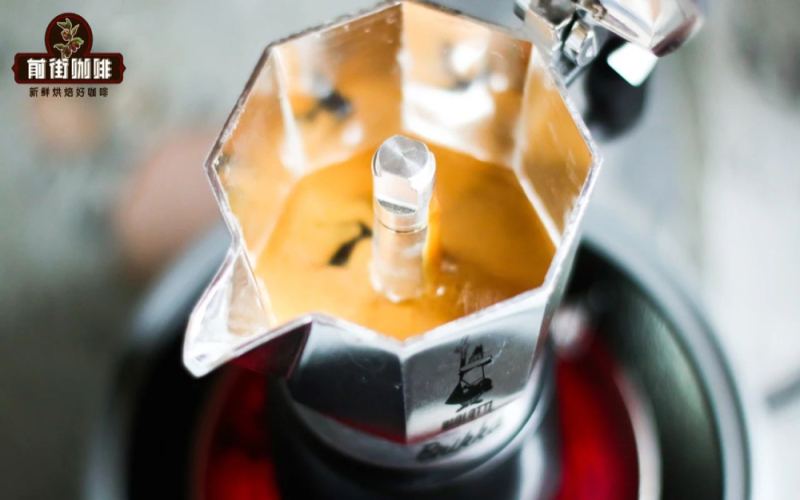
Complete Guide to Moka Pot Brewing: Single-Valve vs. Double-Valve Differences and Key Operating Points
The moka pot is a common stovetop espresso device found in Italian households, using steam pressure to brew a rich, concentrated coffee. This article starts with its structure and working principle, compares single-valve and dual-valve models in terms of crema and strength, includes capacity buying advice, and details the medium-dark roast beans recommended by Front Street Coffee along with the complete brewing steps. [more…]