







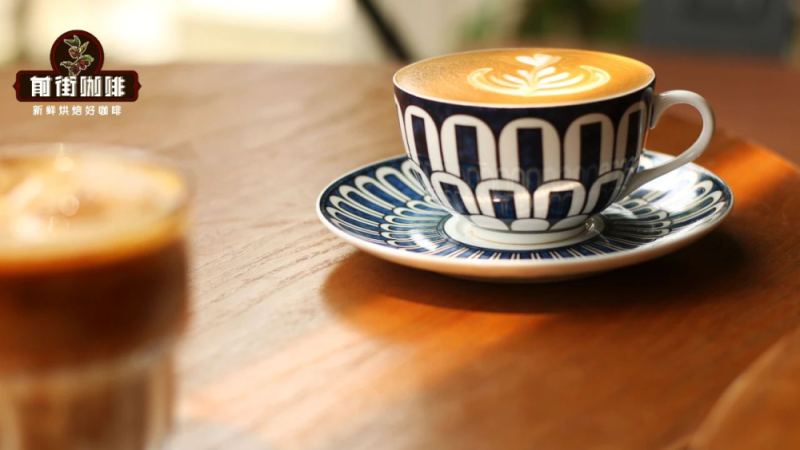
Which Espresso Coffee Beans and Milk Ratios Make a Good Latte?
A hot latte is espresso plus a larger amount of steamed milk, so the milk dominates and the drink reads as coffee-flavored milk. Pull a shot from suitable espresso coffee beans, then steam milk in two stages, first adding air and then spinning the milk into a fine, glossy microfoam before pouring it into the cup.
Bean choice, over-extraction and personal taste are the usual reasons a latte turns bitter. Blended coffee beans tend to give a steadier, sweeter base for milk drinks than a bright single origin, and grind, dose and shot time should be adjusted to avoid harshness. An iced latte skips steaming and uses cold milk instead.
Latte is one of the most popular milk coffees in the espresso system, using espresso as its base and incorporating a large amount of steamed milk, presenting a smooth mouthfeel with coffee flavor. This article will systematically explain the process of making a hot latte, including espresso extraction parameters, the two key stages of steaming milk, standards for judging milk foam thickness and quality, and the fusion and finishing techniques for a basic heart-shaped latte art. It will also compare the simple method for making iced latte, and provide an in-depth analysis of the three main reasons why latte tastes bitter—coffee bean selection, over-extraction, and sensory differences—helping coffee enthusiasts make a balanced and smooth latte at home.

The coffee wave is divided into three waves. The first coffee wave brought about instant coffee, the second coffee wave was represented by espresso, and the third is the specialty coffee wave. The concept of specialty coffee emphasizes the taste of origin, producing high-quality coffee beans through suitable processing methods adapted to local conditions. It actually does not conflict with instant coffee and espresso. Nowadays, more and more cafés are using specialty coffee beans to produce espresso, and it must also be acknowledged that espresso remains the main offering of many cafés.
The core of espresso is the espresso made under high pressure by a coffee machine, and espresso drinks are a series of coffee beverages made around espresso, mainly including Americano, latte, and others. Front Street Coffee previously shared about Americano. Americano is mainly composed of two parts: espresso and water, making it a very convenient and quick coffee.
Today we will share another basic espresso drink—latte. Unlike Americano, latte is a milk coffee. "Latte" in Italian means "milk," so if you order a latte in Italy, you will get a cup of milk without coffee. Corresponding to the Americano method of adding water to espresso, the latte method is to add milk or steamed milk to espresso. At the same time, the proportion of milk is larger, so the milk flavor dominates, making it more like coffee-flavored milk.
How do you make a latte?
Now we know that latte is composed of two parts: espresso and milk. Among them, hot latte requires the addition of steamed milk, which greatly tests the barista's milk steaming skills. Therefore, making a hot latte is divided into three parts. The first part is extracting espresso, the second part is steaming milk, and the third part is pouring the steamed milk to combine with the espresso and create latte art.
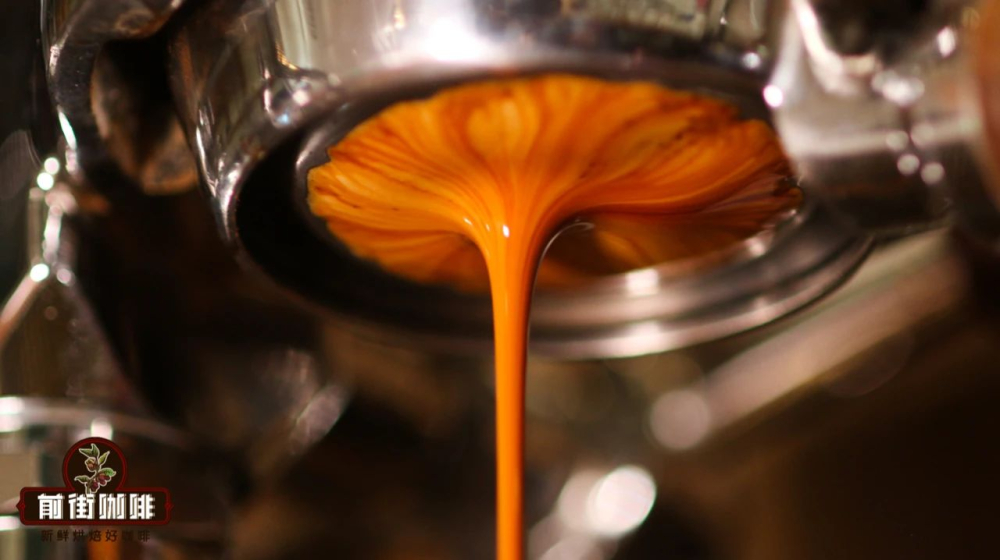
We use Front Street . Front Street Classic Espresso Blend coffee beans, which every beginner must buy. Because it uses a medium-dark roast, in order to present its butter, caramel, chocolate, and toasted bread aromas, as well as its smooth and delicate crema, after multiple adjustments we finally determined 20 grams of coffee powder, extracting 40 grams of coffee liquid, with an extraction time of 28 seconds.

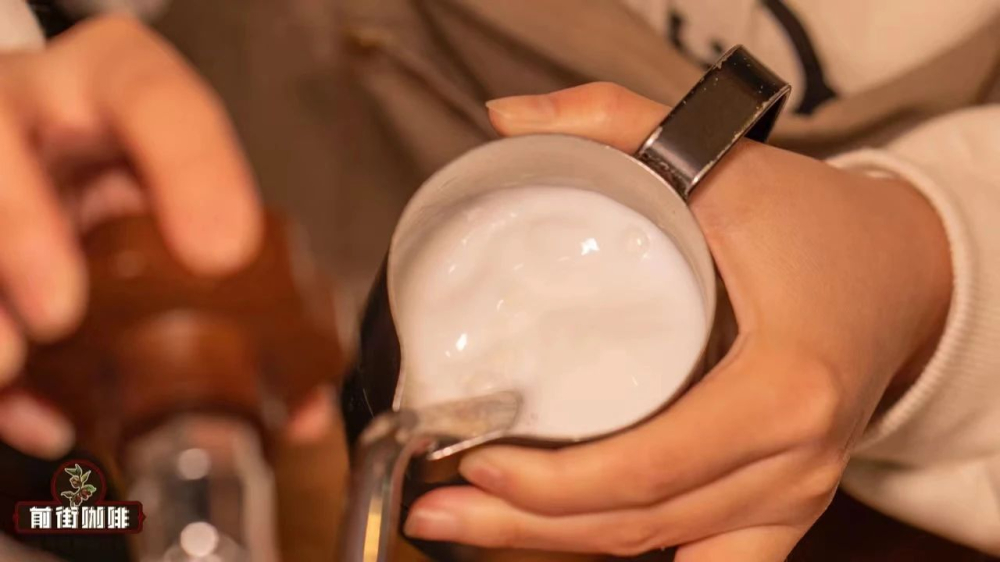
Steaming milk mainly relies on the coffee machine's steam wand. Pour an appropriate amount of milk into the milk pitcher. For example, Front Street Coffee's latte serving cup is 300 milliliters, so 280 milliliters of milk can be poured in, because after steaming the milk expands due to the air incorporated into it. Before starting to steam the milk, first slightly open the steam switch and purge it briefly to expel excess water from the steam wand, then submerge the steam tip of the wand below the milk surface and open the switch.
Steaming milk is divided into two stages. The first stage requires the steam hole to contact the milk surface. This stage is for creating milk foam, and at this time a sharp sound like tearing paper will be made. This stage determines the thickness of the milk foam. The second stage is texturing the milk. After creating enough foam, raise the milk pitcher and submerge the steam hole into the milk, letting the milk rotate and be steamed under the action of the steam. This stage determines the quality of the milk foam.

The milk foam thickness of a latte is moderate, about 1 centimeter or so. The surface of the steamed milk is glossy, without bubbles, and has a certain fluidity.
Finally, combine the steamed milk with the extracted espresso and create latte art. Before creating latte art, first integrate them. Hold the milk pitcher spout slightly higher above the cup, with some impact force, and gently combine the milk with the coffee. Combine until seven-tenths full, then lower the latte art pitcher so the spout is close to the coffee surface, reducing the impact force. The milk foam will rise due to buoyancy, so white milk foam will begin to appear on the surface. At this point, you can create a rippled pattern by moving your arm. Because the milk foam is moderate and has a certain fluidity, it will present a continuously swaying line. Finally, raise the pitcher and push forward to finish, and you can create a basic heart-shaped latte art pattern.
Compared with hot latte, iced latte is relatively simple to make. The method is the same as iced Americano, except that the water in Americano is replaced with milk. Therefore, the steps for making an iced latte are: pre-chill the cup with ice cubes, pour in 100 grams of ice cubes, 180 grams of milk, and finally pour in espresso. Of course, do not forget to stir evenly when drinking.
What are the reasons why latte tastes bitter?
Although latte has a large amount of milk added to dilute the coffee flavor, many enthusiasts report that the latte they drink outside or make themselves still tastes bitter. So where exactly is the problem?
Reason one: Coffee beans
Latte is composed of two parts: milk and espresso. So in terms of raw materials, one thing that affects the taste of latte is milk, and the other is coffee beans.
The bitterness in latte mostly comes from coffee beans. One possible reason is that the roast level is too dark. The darker the roast level, the more obvious the roasted flavor and bitterness of the coffee beans. Therefore, when Front Street customizes roasting curves for coffee beans, first, it must consider not making them too light, which would cause instability, and second, it must not roast them too dark, which would cause the coffee beans' own flavors to be covered by roasted flavors.
If you want coffee that is not so bitter, then choose Front Street . Strawberry Candy Espresso. This is an espresso recipe launched specifically for friends who like floral and fruity aromas. It combines three major origins: Costa Rica, Colombia, and Ethiopia. It has aromas of roses, citrus, grapes, and dried blueberries, and when made into an Americano it has a sweet flavor like fruit gummies.
We know that coffee variety has a very important influence on coffee flavor. Take Geisha as an example. Its delicate tea and floral flavor made Geisha famous. In espresso coffee beans, in order to increase the body and crema of the coffee, some blended coffee beans add Robusta coffee beans. Robusta coffee beans have twice the chlorogenic acid content of Arabica coffee beans, which is one of the reasons why Robusta coffee beans are more bitter and astringent.
Therefore, choosing a suitable coffee bean can fundamentally reduce the production of bitterness in coffee.
Reason two: Extraction
Setting aside the reasons from the coffee beans themselves, coffee extraction also has a profound influence on coffee flavor. One of the most direct and obvious reasons is over-extraction. Front Street Coffee previously shared that brewing or making coffee is actually an extraction process. Water extracts coffee substances from coffee grounds, and these substances are the source of coffee flavor. Calculated by weight, about 30% of coffee beans can be extracted, while the remaining 70% is fibrous material that cannot be extracted.
But it is not the case that the more of this 30% is extracted, the better. In fact, the extraction yield of a cup of coffee is most suitable between about 18% and 22%. Above 22% we call it over-extraction, because the substances over-extracted in the later stage are large-molecule substances that make us feel bitter and astringent, and these large-molecule substances easily cover the small-molecule flavor substances extracted in the earlier stage. So once over-extracted, bitterness easily covers most of the pleasant flavors.
Therefore, the barista's skill in extracting espresso and the setting of espresso parameters are crucial. Front Street Coffee must make multiple adjustments every day before opening to determine that day's espresso parameters to ensure product consistency.
Reason three: Sensory acceptance
Finally, there are sensory differences. Everyone's senses are actually different. For various reasons, each person's sensitivity to and acceptance of taste will be more or less different. Some people are extremely sensitive to bitterness, and may find even latte a bit bitter, which is understandable. The barista's responsibility is to ensure high-quality output while also making adjustments according to the customer's preferences and level of acceptance.
If you are also someone who is relatively sensitive to bitterness, you might as well ask the barista to readjust the extraction parameters or the ratio of milk to coffee for you. These are relatively advisable solutions.
The above content is compiled by CoffeeHunters, a coffee news website.


