







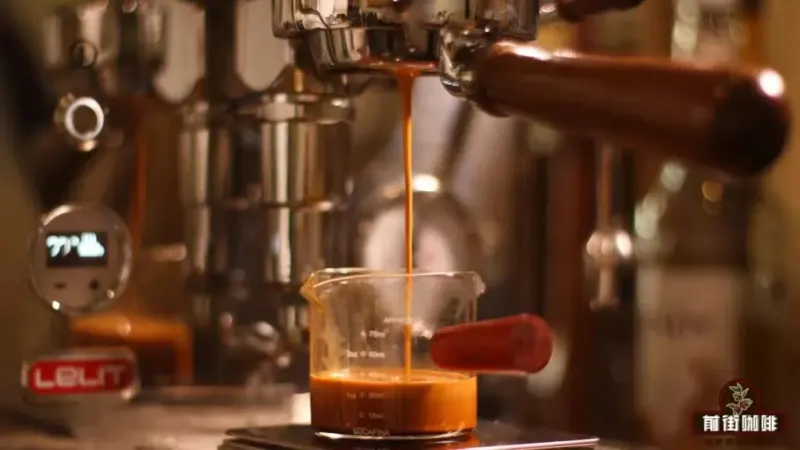
How does pre-infusion change espresso coffee quality?
Pre-infusion wets the coffee bed with a small amount of hot water or low-pressure flow before the main extraction, letting the grounds degas and expand. It pursues two things: higher extraction yield and more even extraction. The effect is not automatic, but in specific situations it can improve coffee quality and reduce channeling in the puck.
Dry coffee grounds repel water, so under 9 bar of pressure water tends to rush toward areas of lower resistance. If tamping is uneven, those paths become channels, over-extracting the grounds inside them. Saturating the puck first limits that imbalance. It works like the blooming phase in pour-over, and results depend on the roast and the process of coffee beans used.
Pre-infusion is a frequently discussed feature in espresso extraction. Simply put, it involves using a small amount of hot water or low-pressure water flow to wet the coffee bed before the main high-pressure extraction begins, giving the coffee grounds time to degas and expand. Many people feel their espresso is already good enough and that pre-infusion seems optional, but in specific scenarios, it can genuinely improve extraction quality. This article starts from the principles of pre-infusion, explaining how it increases extraction yield, reduces channeling, and which coffee beans are suitable for using the pre-infusion function.
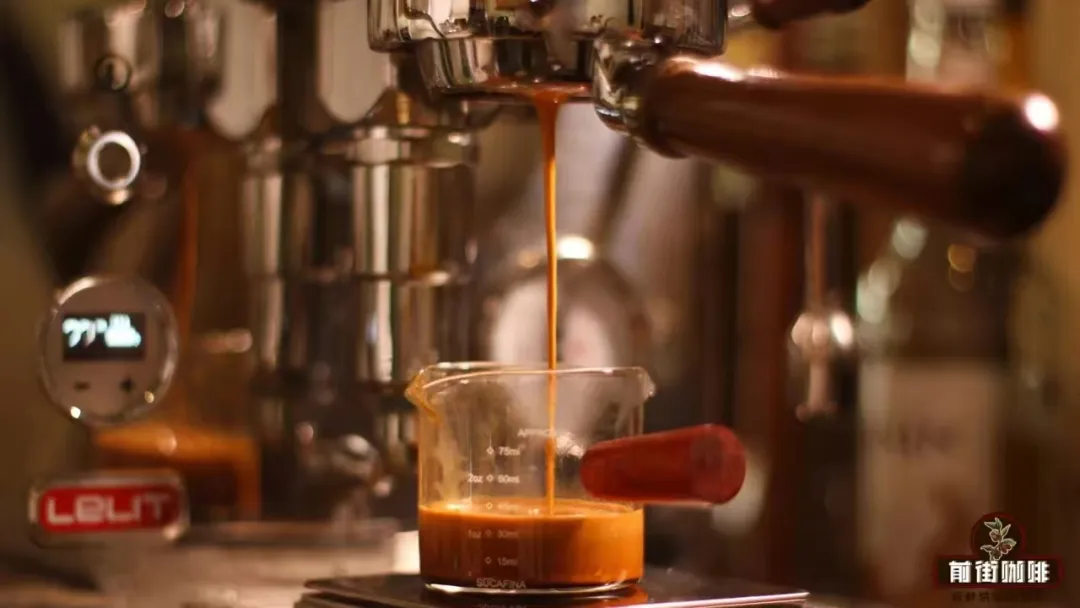
Pre-infusion refers to injecting a small amount of hot water to wet the coffee bed before the main extraction, or reducing pressure to the minimum, giving the coffee grounds a period of saturation. Once this phase ends, the espresso machine then increases pressure and water flow to dissolve the flavor compounds from the coffee. Its core purpose is not complicated—it simply allows the coffee grounds to be wetted by water and release gases. This is why people often compare it to the blooming phase in pour-over brewing. However, many people wonder: the espresso pulled directly is already quite tasty, so is pre-infusion still necessary?
Under 9 bar of high-pressure extraction, espresso can indeed largely overcome the interference caused by carbon dioxide and extract the flavor compounds. But the fact that a feature has been retained suggests it addresses a real need. Under certain specific conditions, pre-infusion can indeed help improve coffee quality. To figure out when to use pre-infusion, you first need to understand what it actually does.
The Purpose of Pre-infusion
Pre-infusion mainly pursues two things: first, increasing extraction yield; second, reducing uneven extraction. The most common negative phenomenon in espresso extraction is channeling. Dry coffee grounds are hydrophobic, and this characteristic makes water, which has strong inertia, more likely to flow toward areas of lower resistance.

If the puck is tamped evenly enough, the impact is actually minimal. But once tamping is uneven, channels of lower density form within the puck. Under the combined effect of pressure and inertia, hot water rushes toward these locations, and channeling forms as a result. The coffee grounds within the channels are over-extracted, while the coffee grounds outside the channels are under-extracted.
(The holes appearing in the puck in the image below are all channels.)
With pre-infusion, the puck can be fully wetted and expanded before the large volume of hot water arrives, reducing its hydrophobicity and making channeling less likely to occur. At the same time, once the coffee grounds are saturated, carbon dioxide is released early, making subsequent hot water extraction more efficient and the flow rate faster. (The presence of carbon dioxide slows down the flow rate.) This means we can also grind finer, allowing extraction efficiency to continue improving.
How to Use Pre-infusion
From the analysis above by Front Street Coffee, it's not hard to see which beans pre-infusion is suitable for. That's right—both light-roasted and freshly roasted coffee beans can be considered for pre-infusion.
Light-roasted coffee beans have higher density and are harder to extract, so they typically need to be ground finer to increase the contact area between grounds and water, thereby improving extraction yield. But grinding too fine can easily make the flow rate too slow, making the whole process harder to control.
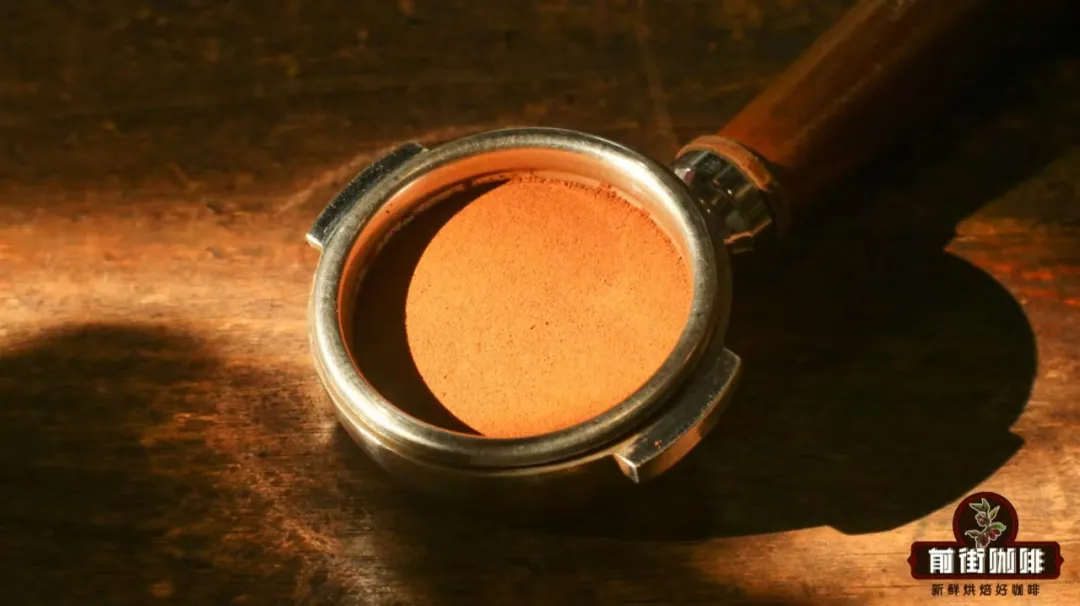
In this case, using pre-infusion can speed up the flow rate while making extraction more efficient; the same reasoning applies to freshly roasted coffee beans, except that Front Street Coffee recommends letting them rest for a period to degas before using them.
Every bean and every machine has different characteristics, so there is no universal standard for pre-infusion time and pressure—you'll need to adjust them based on your own equipment and beans~
- END -
The above content is compiled by CoffeeHunters, a coffee news website.


