







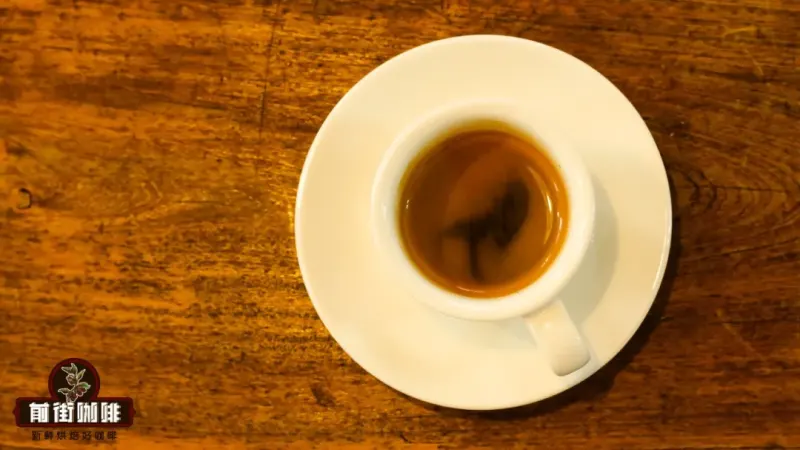
Why Do Moka Pots and Espresso Machines Produce Thin Crema?
Thin crema from moka pots and espresso machines comes down to two things: the carbon dioxide left in the coffee beans and the pressure reached during extraction. Crema is emulsified coffee lipids wrapping carbon dioxide bubbles, not fat. Beans that are stale or lightly roasted hold less gas, and low pressure or a coarse grind releases what remains too slowly to build foam.
Because crema is mostly trapped gas and foam, its thickness says more about bean freshness and roast level than about coffee quality. Dose and grind size set how much resistance the puck offers, which in turn sets the pressure. Adjusting the moka pot coffee grind finer and filling the basket evenly usually restores some crema without changing the bean itself.
Many friends who use moka pots or espresso machines encounter the situation where the espresso they extract has thin crema. In fact, the so-called coffee crema is not real fat, but a milky foam called Crema, formed by coffee lipids wrapping carbon dioxide bubbles. There are two core factors affecting the richness of crema: the carbon dioxide content of the coffee beans themselves, and the pressure applied during extraction. The carbon dioxide content depends on the roast level and freshness, while the pressure is closely related to the dose and grind size. This article will analyze the reasons for thin crema one by one, explain why the amount of crema does not directly equate to coffee quality, and provide recommendations for Front Street Coffee beans suitable for moka pots and espresso machines, helping everyone adjust their extraction plans accordingly.
A similar phenomenon is also common among espresso machine users, with friends often reporting that the Espresso they extract lacks crema.
This problem is not complicated to address. Since pressurized extraction cannot produce crema, in most cases there are only two reasons: one is factors related to the coffee beans themselves, and the other is insufficient pressure during extraction.
The Nature of Crema
Whether it is the crema produced by a moka pot or the crema on the surface of espresso, it is essentially not real fat, but a kind of "milky foam."
Under high temperature and high pressure, the lipids naturally present in coffee are emulsified and dispersed into the water, then wrap around the carbon dioxide released by the coffee grounds, forming tiny bubbles. The coffee crema we see is precisely an appearance formed by countless such tiny bubbles gathering together.

Therefore, it is ultimately foam, scientifically called "Crema," and only due to translation and understanding deviations is it habitually called "crema" in China.
Whether the crema is rich mainly depends on two conditions, namely the coffee beans themselves and the pressure during extraction, as mentioned earlier.
Reason One for Thin Crema: Insufficient Carbon Dioxide Content in Coffee Beans
Carbon dioxide is the main filler of the bubbles, and its amount directly determines the richness of the crema. Keeping other parameters consistent, the more carbon dioxide the coffee beans contain, the thicker the extracted coffee crema will be; conversely, the less carbon dioxide the coffee beans contain, the thinner the resulting crema will be.
There are two main factors affecting the carbon dioxide content in coffee beans: one is the roast level. The darker the roast, the higher the carbon dioxide content, and vice versa; the other is freshness. The fresher the coffee beans, the more carbon dioxide they retain, and vice versa.
So, when the coffee beans we use are not fresh enough, or the roast level is on the lighter side, the extracted coffee crema will not be too thick.
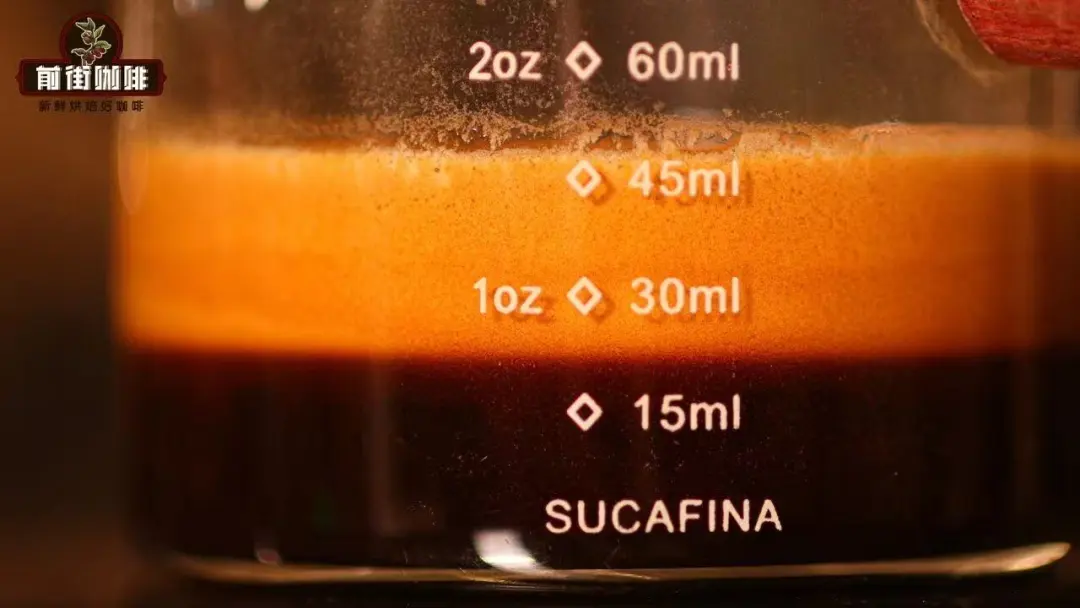
If you want to obtain rich coffee crema, you can choose to use relatively fresh coffee beans or coffee beans with a darker roast level. For example, in the Front Street Coffee bean list, Front Street Espresso Classic/Commercial/Many Baristas' Recommended Espresso Moka Pot Coffee Beans - Front Street Black Cocoa Blend, all have relatively dark roast levels, can extract rich crema, and are quite suitable for moka pots and espresso machines. Due to the darker roast, the acidity is not obvious, and after the espresso made from it is turned into milk coffee, the taste will not have an abrupt feeling.
But we need to be clear about one point: whether the crema is rich or not has no direct connection with the taste or quality of the coffee. Because the amount of carbon dioxide content, as Front Street Coffee said earlier, has little relationship with coffee quality. So many times Front Street Coffee does not recommend everyone unconditionally pursue the richness of crema, because it does not have a very intuitive impact on coffee taste.
Reason Two for Thin Crema: Insufficient Pressure
As Front Street Coffee mentioned earlier, this layer of golden crema is a product unique to pressurized extraction, because only when sufficiently high pressure is applied during extraction can the lipids be fully emulsified and stable foam formation be promoted. When the extraction pressure is not high enough, the lipids cannot be fully emulsified, and the carbon dioxide released in a short time will not be that much, so naturally it is impossible to make rich and lasting crema. Therefore, sufficient pressure is very important.
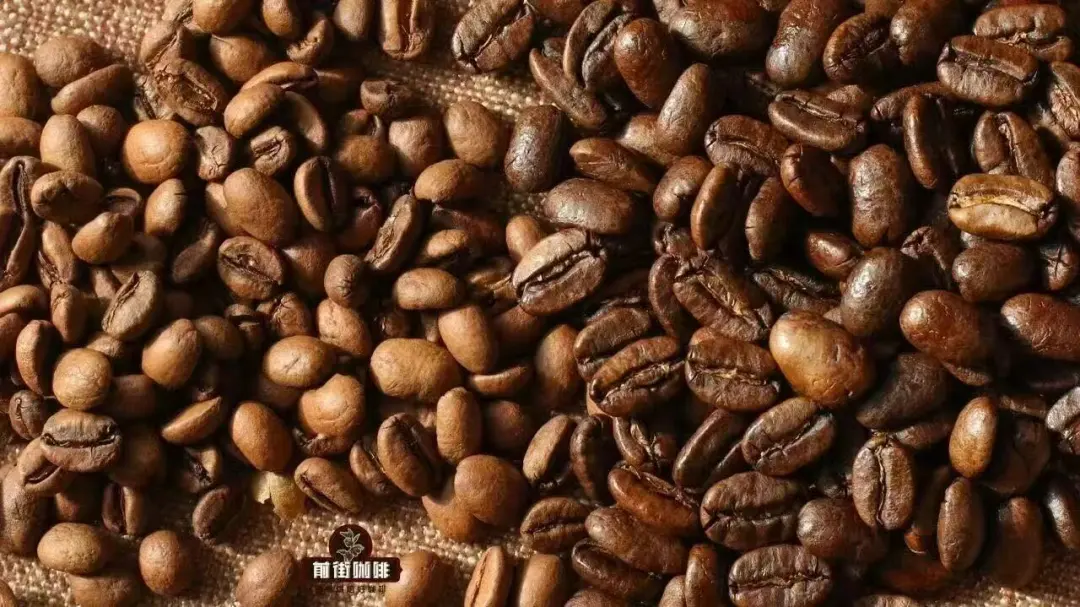
There are many factors that can affect extraction pressure. Without changing the extraction parameters of the coffee machine, they include dose and grind. Among them, the grind size of the coffee grounds is the most critical factor determining the pressure value. Why? Because the amount of pressure applied by the coffee machine or moka pot largely depends on the resistance of the puck.
The greater the resistance of the puck, the greater the pressure needed for water to pass through, and at this time the coffee machine will apply higher pressure to complete the extraction, and vice versa. The main factor determining puck resistance is the grind size of the coffee beans: the finer the coffee is ground, the greater the final puck resistance, and the greater the pressure applied by the coffee machine during extraction.
In other words, when the crema you extract is not rich enough, but the beans are both fresh and dark-roasted, you can observe the flow rate. If the flow is very fast, it means the grind is too coarse. To get a rich crema, you need to adjust the grind finer and increase puck resistance.
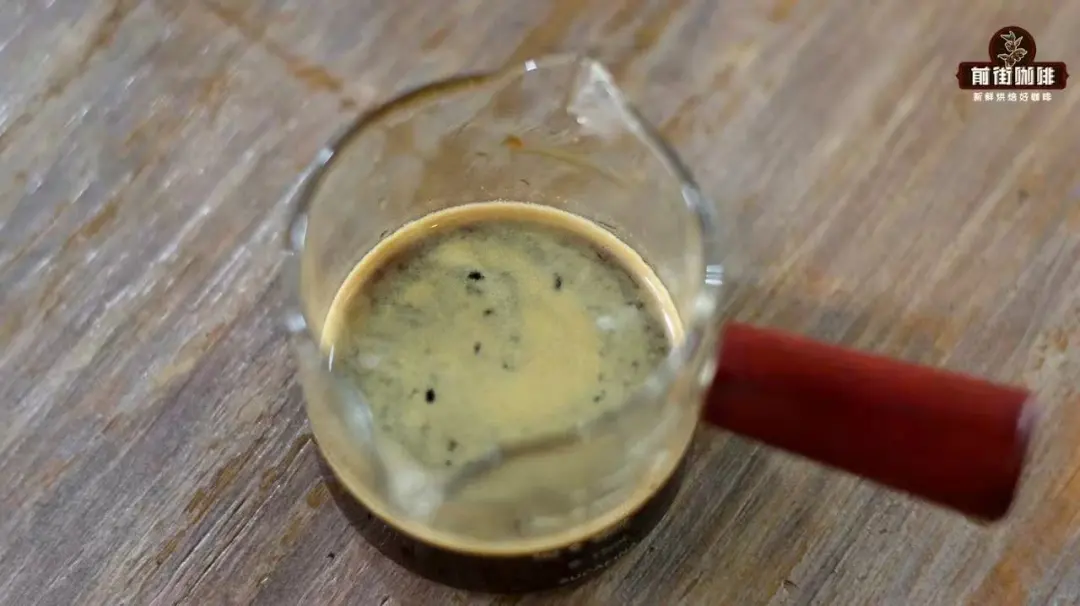
But there are two points to note: the first point is what Front Street Coffee mentioned earlier, crema is not linked to coffee taste or quality, and more crema does not equal better-tasting coffee; the second point is that when the coffee grounds are ground fine to a certain extent, the crema thickness will instead decrease, because the extraction speed is too slow, the formation of crema will be delayed, and relatively speaking there will be less of it.
The above are the main reasons why the crema extracted with moka pots and coffee machines in daily life is not rich enough. If you also want to extract a coffee with rich crema, why not take a look at what areas you need to adjust~
- END -
The above content is compiled by CoffeeHunters, a coffee news website.


