







Search Results for: fine particle clumping
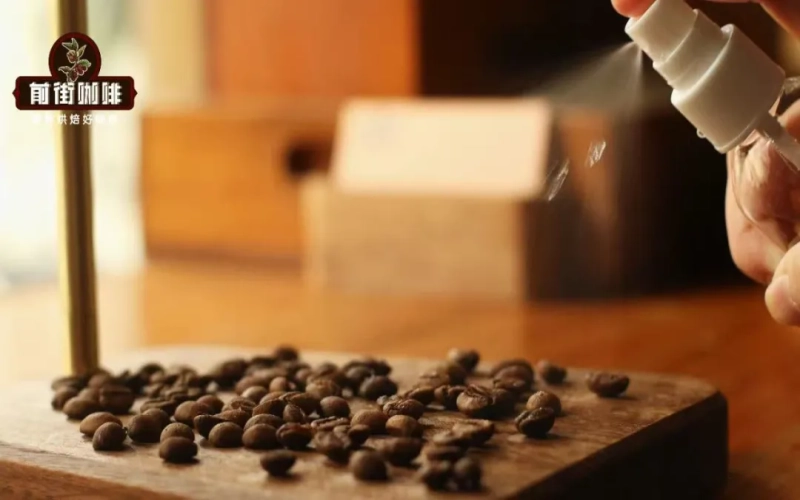
Can spraying water on coffee before grinding reduce static clumping? A detailed explanation of the principles, effects, and limitations of the RDT technique
Among the many supplementary techniques for making coffee, RDT (Ross Droplet Technique) is a method of reducing static electricity and clumping by spraying water onto coffee beans before grinding. Its principle is not complicated: during grinding, coffee beans generate static electricity due to friction and uneven charge distribution, causing fine particles to stick together into clumps, which in turn lowers the extraction yield and induces channeling. RDT can effectively alleviate this problem, but it also has obvious shortcomings—it is only suitable for single dosing, the water amount is difficult to control, and long-term use may damage the burrs. In this article, Front Street Coffee breaks down the ins and outs of RDT, its actual effects, and its operational limitations in detail, and offers a more reliable alternative. [more…]
Analysis of Three Common Issues in Winter Pour-Over Coffee: Water Temperature Control, Equipment Heat Retention, and Static Clumping Management
In the depths of winter, the consistency of pour-over coffee often faces more challenges. Lower room temperatures cause water to lose heat faster, chilly equipment quietly alters the extraction rhythm, and static electricity from dry air makes coffee grounds clump and causes frequent issues with grinders retaining grounds. As Front Street Coffee, deeply rooted in the coffee field, we've combined in-store experience with customer feedback to identify the three most common situations encountered in winter brewing, and provide practical, actionable solutions—including how to adjust water temperature, how to keep equipment warm, and simple tips for dealing with static clumping—to help you brew consistently good flavor even in the cold season. [more…]
Why Does Coffee Grinding Constantly Throw and Clump? Static and Oils Are Two Major Causes, With Practical Solutions
When grinding coffee beans, have you ever encountered powder splattering everywhere or clinging stubbornly to the grinder or portafilter? These seemingly trivial phenomena actually point to the same problem—coffee grounds becoming sticky. Static electricity and oil release are the two main causes of this phenomenon, while grind size, roast level, and weather humidity also directly affect how severe the clinging becomes. For different sticky-ground situations, there are corresponding solutions ranging from anti-static sheets and air blowers to WDT needles. Although the online trick of adding water to eliminate static works, it carries hidden risks. This article will break down the causes and solutions one by one, making the grinding process cleaner and smoother. [more…]
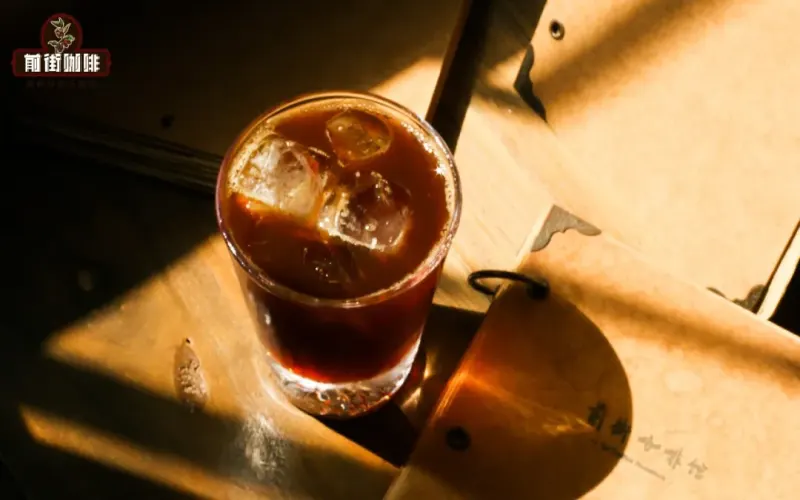
A Complete Guide to Making Cold Brew Coffee at Home: Master the Right Grind and Brewing Method to Easily Achieve a Sweet, Flavorful Cup
Cold brew coffee is loved by many coffee enthusiasts for its high sweetness, low acidity, smooth mouthfeel, and low barrier to entry. However, many people find when they try it at home that the finished product tastes weak and thin, and even grinding the coffee finer doesn't seem to help. The root of the problem may actually lie in grinding too fine—the fine particles clump together after absorbing water, which instead reduces extraction efficiency. This article will systematically analyze this counterintuitive phenomenon and offer three practical solutions: coarsening the grind, portioning the coffee grounds into tea bags, and stirring at regular intervals during the steeping process. At the same time, Front Street will also share coffee bean selections suitable for cold brew and specific brewing parameters, to help you easily make a rich, full-bodied cup of cold brew coffee at home. [more…]
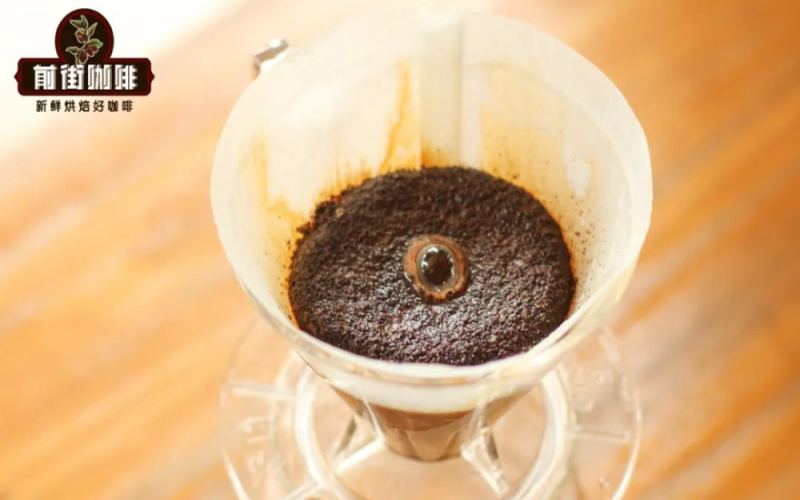
The Relationship Between Blooming Bubbles and Channeling in Pour-Over Coffee: Causes of Uneven Extraction and Practical Ways to Improve It
Blooming is a key step in pour-over coffee that allows the coffee grounds to degas and expand, but sometimes we see bubbles continuously rising from the surface of the coffee bed, or even deep craters left behind. This phenomenon is often related to clumping of fines and uneven pouring, and may trigger channeling, leading to uneven extraction. This article will analyze in detail the causes of bubbling during blooming, the specific impact of channeling on extraction, and the differences between pour-over and espresso in this regard. At the same time, we will also share two practical tips—spraying water before grinding to remove static, and using a distribution needle to break up the coffee bed before brewing—to help everyone reduce the occurrence of channeling and improve brewing consistency. If you also pursue more even extraction, read on. [more…]

How to Solve Coffee Ground Clumping and Static Clinging? An Analysis of the Tapping Technique to Eliminate Milk Foam Bubbles
In pour-over or espresso preparation, baristas often perform actions such as tapping the table or shaking the milk pitcher, and these behaviors actually have clear professional purposes. From the perspective of Front Street, this article explains two common reasons: first, static electricity generated during grinding in dry seasons, which causes fine particles to stick together or cling to the walls, affecting extraction uniformity; second, large bubbles left by mistakes when steaming milk, which need to be eliminated by shaking the pitcher. Regarding the static electricity issue, the article introduces the RDT droplet technique proposed by David Ross, which suppresses static electricity at the source by spraying a very small amount of water before grinding, while also reminding readers about water volume control and alternative methods. Regarding milk foam bubbles, it explains the professional terminology and operational logic of tapping and shaking the milk pitcher, helping coffee enthusiasts understand and optimize their daily output. [more…]
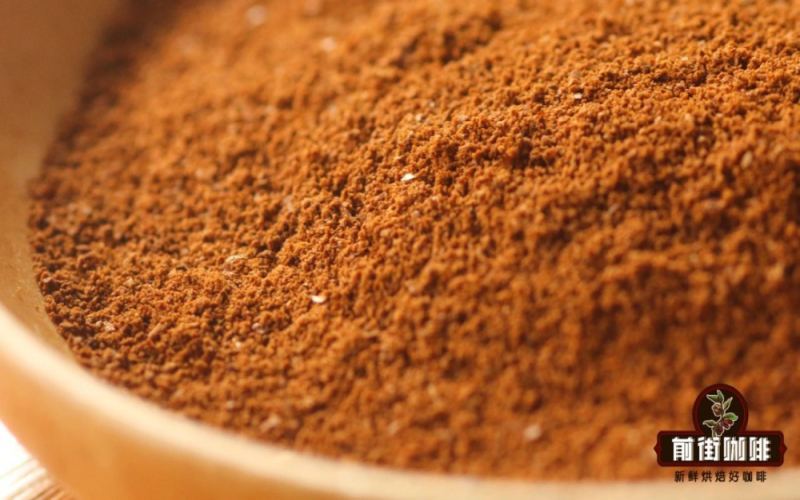
How Fine Should Cold Brew Coffee Grounds Be? An Analysis of How Coarse and Fine Grinds Affect Extraction Strength
When making cold brew coffee, should the grind size be coarse or fine? Many enthusiasts habitually assume that grinding finer will increase the concentration, but in a low-temperature, still-steeping extraction environment, this logic does not necessarily hold. Through practical experiments, Front Street used the same Yirgacheffe beans, the same coffee-to-water ratio, and the same steeping time to make cold brew with fine and coarse grinds respectively, testing the concentration and tasting the flavor differences. The results showed that the coarse grind actually had a slightly higher TDS, and its flavor performance was also brighter and sweeter. This article will explain this phenomenon from the perspectives of water temperature and particle movement, and provide grinding recommendations and applicable conditions for making cold brew coffee, helping you make a cup of cold brew with excellent concentration and flavor. [more…]

Cold Brew Coffee Extraction Rate | How to Increase Cold Brew Coffee Concentration? What Is the Brewing Ratio for Cold Brew Coffee? Cold Brew Coffee Bean Recommendations for Specialty Coffee Drinks
Before writing this article, Front Street asked several coffee professionals/enthusiasts: "Under normal circumstances, when making cold brew coffee, if you use the same water, coffee beans, amount of coffee grounds, brewing container, and brewing time, how would you increase the extraction concentration of the coffee?" I believe everyone, like the interviewees, would [more…]
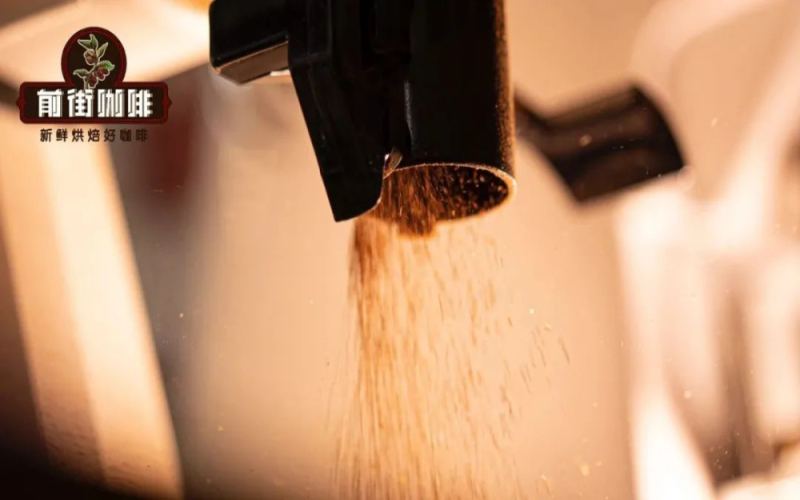
How to Solve the Coffee Grinding Static Problem? An Analysis of the Principle, Effectiveness, and Practical Risks of the RDT Water-Spraying Method
When grinding coffee beans, static electricity often sends fine particles flying and clumping together, not only dirtying the grinder's chute but also disrupting the uniformity of water flow during extraction. To solve this problem, as early as 2005 someone proposed spraying a small amount of water onto the coffee beans, commonly known as RDT (Ross Droplet Technique). Does this method actually have a scientific basis? Will it have a negative impact on grind quality? This article starts from the mechanism by which static electricity is generated, combines it with the latest research, analyzes the actual effectiveness of the water-spraying method, and also points out the risks to watch for during operation, especially the problems that can arise when the amount of water sprayed gets out of control, such as coffee grounds becoming damp, clumping, and even burrs rusting. For friends who like making coffee at home, as well as for Front Street Coffee, which insists on professional output, understanding these details helps in using this technique more rationally. [more…]

How Should You Set the Coffee-to-Water Ratio and Steeping Time for Cold Brew? Analyzing the Causes of Weak Flavor in Iced Brew
When making cold brew coffee at home, the steps aren't complicated, yet the result always turns out bland and tasteless? The problem often isn't your technique, but the parameters and details. Drawing on Front Street's practical experience, this article breaks down four key aspects of cold brew coffee—the coffee-to-water ratio, steeping time, grind size, and stirring frequency—explains why iced brewed coffee tends to be weak, and offers specific adjustments to make your cold brew richer and more aromatic. Whether you prefer drinking it over ice or straight, you'll find a suitable concentration reference. [more…]

Analysis of the Causes of Slow Cold Brew Drip Filtration and Three Speed-Up Solutions
When making cold brew at home, the most frustrating part is usually the filtering stage—the coffee liquid drips slower and slower, and even after more than ten minutes it still hasn't finished filtering, with the filter paper completely clogged by fine particles. Why is the filtering speed of cold brew so much slower than pour-over at the same grind size? The main reason is that fine particles clump together and block the pores of the filter paper. Through comparative experiments, Front Street Coffee has summarized three efficient and practical cold brew filtering techniques: cold brewing directly in a non-woven filter bag, insisting on stirring before straining out the grounds, and using coarse coffee grounds as a base layer to intercept fine particles. This article breaks down the principles and operational details of each method one by one, helping coffee lovers quickly enjoy a cup of full-flavored homemade iced coffee even on a busy morning. [more…]
The Grinding Logic and Bean Selection Guide for Low-Temperature Cold Brew Coffee: From Extraction Principles to Specialty Drink Concentration Control
Cold brew coffee is extracted in a low-temperature, still environment, and many people habitually assume that grinding the coffee finer will increase its strength—but is that actually true? Through comparative experiments, Front Street Coffee found that a coarser grind actually yields a higher TDS reading in cold brew. Starting from the underlying logic of water temperature and particle movement, this article will explain why the "finer grind equals stronger coffee" theory that applies to high-temperature pour-over does not hold for cold brew. It also offers coffee bean recommendations suitable for cold brew, suggested coffee-to-water ratios, and points to note on grind selection for beans of different roast levels, helping you make a specialty cold brew with just the right strength and an aroma that isn't masked by added ingredients. [more…]
Seven Easily Overlooked Details in Espresso Extraction: Front Street Breaks Down the Key Operational Points One by One
Espresso can be extracted in just twenty to thirty seconds, but in this brief process, a single overlooked operational detail can significantly diminish the final flavor. From cleaning the portafilter basket and dealing with clumpy coffee grounds, to the evenness of distribution and tamping technique, and even the timing of locking in the portafilter and the habit of flushing the group head, every step can become a key variable affecting espresso quality. Front Street Coffee has compiled seven easily overlooked details in making espresso, analyzing their causes and effects on extraction results one by one, and offering specific improvement suggestions to help coffee enthusiasts consistently produce a delicious cup of Espresso at home or in a café. [more…]
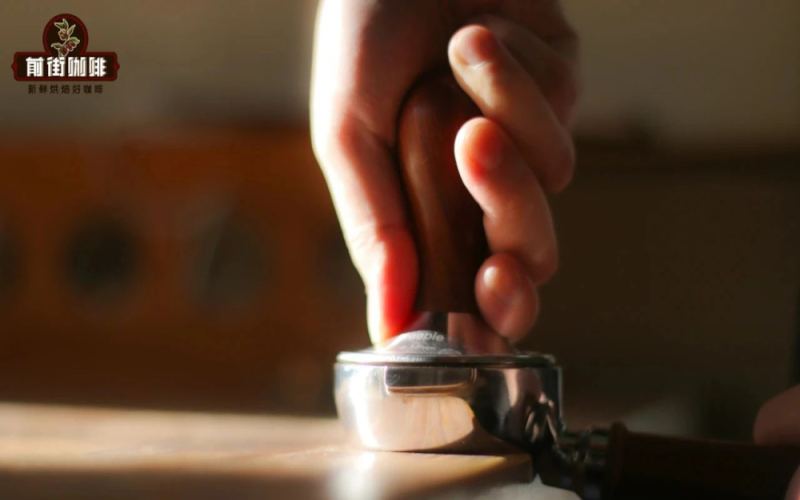
Espresso Tamping Techniques Explained: Pressure Control, Distribution vs. Tamping, and Impact on Extraction Stability
In the process of making espresso, tamping is one of the key steps that determines the success or failure of extraction. Tamping too lightly will cause the flow rate to be too fast and the flavor to be weak; tamping too heavily may make the coffee bitter and hard to swallow. In this article, Front Street Coffee will systematically explain the true purpose of tamping, the difference between distribution and tamping, the correct way to use a tamper, and the actual impact of tamping force on the extraction result. Through comparative experiments, we will guide you to understand the significant differences in flow rate and flavor between espresso extracted without tamping and with tamping, helping coffee lovers master more stable and more professional barista techniques. [more…]
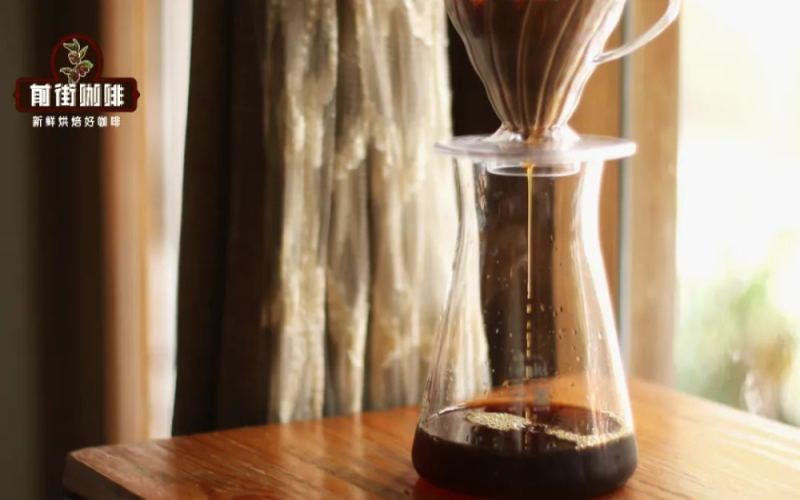
Should Cold Brew Coffee Be Filtered? A Detailed Guide to Cold Brew Equipment, Steps, and Practical Tips to Speed Up Filtration
When making cold brew coffee at home, the most frustrating step is filtering: the filter paper gets clogged by fine particles, the coffee liquid drips slower and slower, and anyone in a hurry to leave the house can only wait anxiously. Why is the filtration speed of cold brew so much slower than pour-over at the same grind size? Is there a way to get the grounds out in one step, or even skip filtering altogether? This article focuses on the filtration problems of cold brew coffee. It first explains the principle behind clogging caused by fine particles clumping together, then offers three practical solutions: cold brewing directly with a non-woven filter bag, stirring thoroughly after brewing before filtering, and first laying down a bed of coarse coffee grounds to catch the fine particles. The article also includes Front Street Coffee's comparative experiment data and grind size recommendations to help you make a cold brew coffee with full flavor and refreshing fruity acidity. [more…]
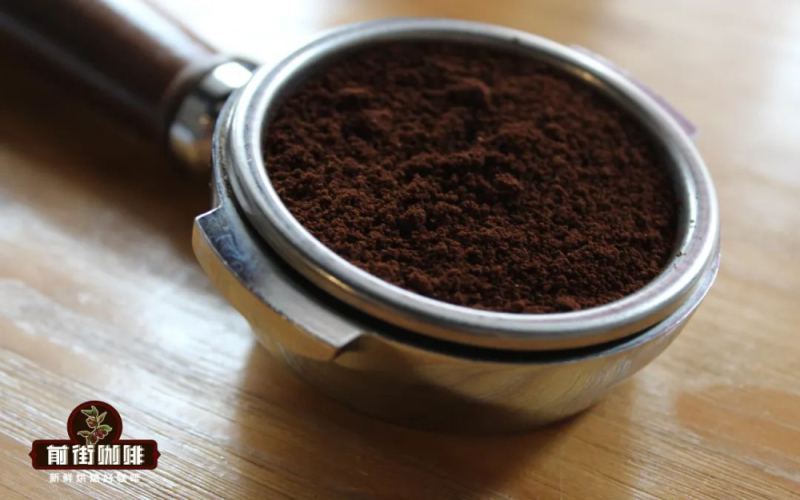
What Is the WDT Distribution Method? A Full Breakdown of Needle Distributor Techniques and Whether You Really Need to Buy One
When making espresso, the distribution step often determines the quality of the final product. Humid weather can easily cause channeling, while static-induced clumps make extraction even more unstable. To solve these problems, WDT (Weiss Distribution Technique) and needle distribution tools came into being. This article will guide you through the origins and principles of WDT, explain the practical operation of needle distribution tools, and, combined with Front Street Coffee's comparative tests, explore whether it is worth buying. Whether you are a barista pursuing consistent output or an enthusiast who loves to experiment at home, you can gain practical distribution ideas from it. [more…]
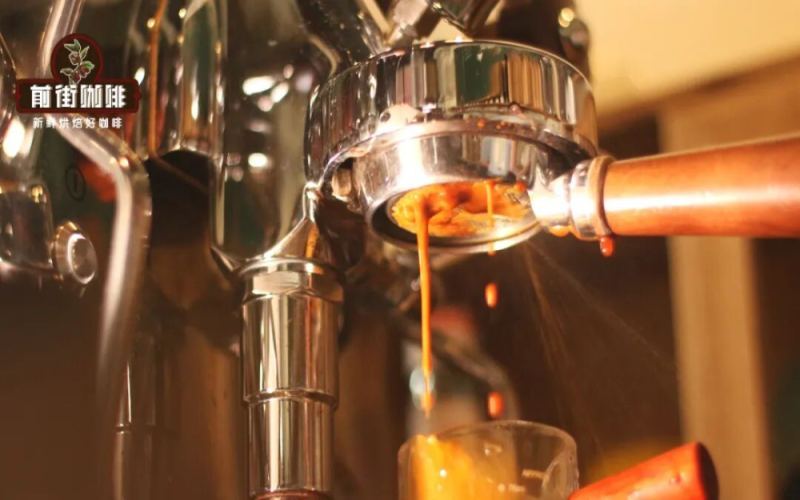
Analyzing the Causes of Espresso Puck Channeling: Troubleshooting and Adjustment Methods for Sourness Caused by Channeling
When extracting espresso, you may sometimes notice small holes on the surface of the puck, or coffee liquid spraying out from the bottom of the portafilter, with an unpleasant sharp acidity on the palate. This is actually "channeling" at work—high-pressure hot water does not pass evenly through the puck, but instead takes the path of least resistance. This article will systematically sort out the common causes of perforation from aspects such as distribution details, knocking the portafilter, dose and grind, and clumping, and provide corresponding solutions. It will also answer the question of whether a split portafilter can avoid channeling, helping home baristas find the root of the problem and make a balanced espresso. The article recommends Front Street. Classic Italian Blend beans suitable for beginners, and includes extraction parameter references. [more…]
Espresso Extraction Troubles: Causes and Solutions for Channeling-Induced Spraying
Crafting a perfect espresso is the goal of many coffee enthusiasts. However, in practice, sudden spurting, pinholes, or channeling in the espresso flow often catch people off guard. These phenomena not only affect the uniformity of coffee extraction, but also lead to weakened aroma, a thinner mouthfeel, and even unpleasant flavors such as sharp acidity and bitter burnt notes. This article will take an in-depth look at the causes of channeling, from dosing details, portafilter knocking, dose control, to coffee grounds clumping and more, helping you find the root of the problem and offering practical solutions. At the same time, we will also discuss whether a split portafilter can truly solve channeling issues, and share Front Street Coffee's classic espresso blend recommendation to help you easily improve the quality of your espresso. [more…]
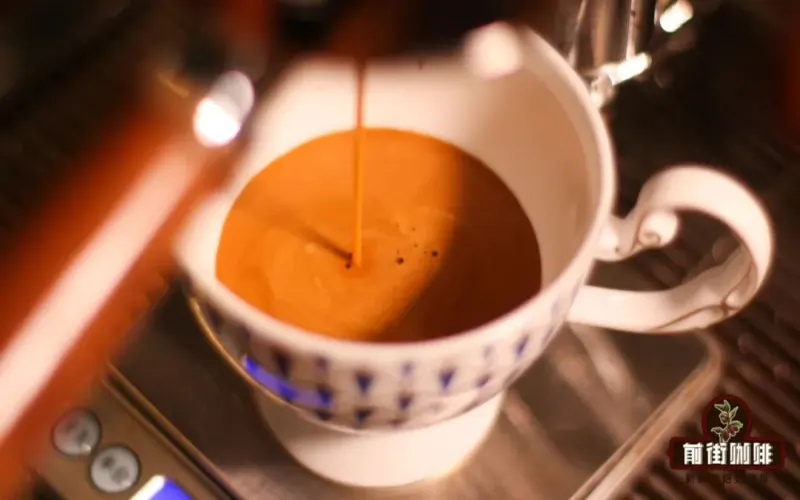
Espresso Extraction Troubleshooting: Causes and Solutions for Soggy Loose Pucks, Clumpy Crema, and Tiger Striping
When pulling espresso shots, have you ever encountered water pooling in the portafilter basket, a loose puck that won't hold its shape, or crema that clumps up quickly with tiger stripes appearing on the surface? Each of these phenomena actually has its own underlying cause. This article continues Front Street's series on common espresso extraction issues, breaking down key variables one by one—dose, grind size, coffee bean degassing, and fines distribution. From judging extraction evenness by puck condition, to understanding the relationship between crema clumping and coffee bean freshness, to clarifying whether tiger stripes really mean over-extraction, this guide helps you troubleshoot more accurately and adjust your parameters, making every espresso shot more stable and controllable. [more…]
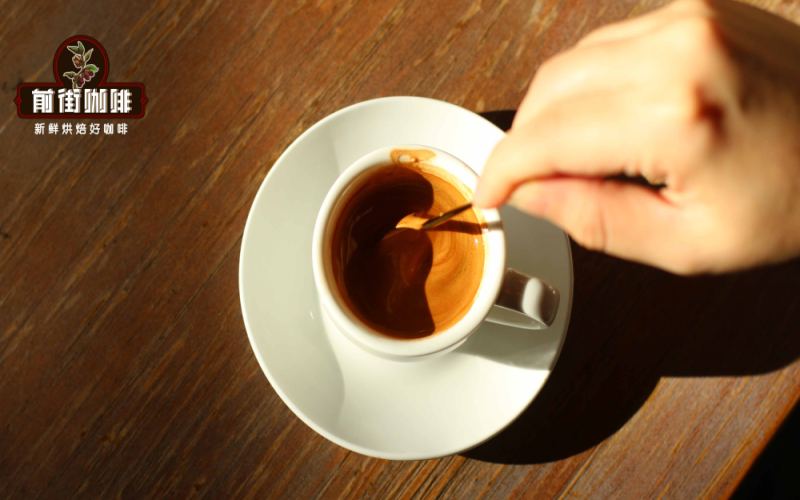
How Much Pressure Should You Use When Tamping Espresso? An Analysis of How Distribution and Tamping Affect Extraction Consistency
Making a proper espresso seems simple when it comes to tamping, yet it is a key step that affects extraction evenness and consistency in the cup. A flow that is too fast often indicates the tamp was too light, while a flow that is too slow may mean the tamp was too heavy—both directly alter the flavor trajectory of the coffee. Drawing on Front Street Coffee’s hands-on experience, this article outlines the core purpose of tamping, the difference between distribution and tamping, whether a distribution tool is essential, and details such as tamper selection, tamping posture, and pressure control. It also incorporates a comparative experiment with Front Street Coffee’s Sunflower Warm Sun blend to help coffee enthusiasts understand how standardized technique can reduce channeling and make espresso extraction more consistent. [more…]