







Does the RDT Water Spray Really Fix Coffee Grinding Static?
Static during coffee grinding throws fine particles against the chute and forms clumps that disturb water flow. The Ross Droplet Technique, proposed in 2005, sprays a small amount of water on the beans before grinding. Research published in the journal Matter by a University of Oregon team supports the idea: a controlled spray suppresses static and can improve coffee extraction efficiency.
The risk is water volume. Too much moisture makes grounds damp and sticky, encourages clumping, and over time can rust steel burrs. A single mist from a spray bottle, roughly one spritz per dose, is the usual starting point. Pairing RDT with WDT distribution gives a more even bed, which matters most when a grinder produces a wide spread of coffee particles.
When grinding coffee beans, static electricity often sends fine particles flying and clumping together, not only dirtying the grinder's chute but also disrupting the uniformity of water flow during extraction. To solve this problem, as early as 2005, someone proposed spraying a small amount of water onto coffee beans, commonly known as RDT (Ross Droplet Technique). Does this method actually have a scientific basis? Will it negatively affect grind quality? This article will start from the mechanisms of static electricity generation, combine the latest research, analyze the actual effects of the water-spraying method, and point out the risks to watch out for during operation, especially issues such as coffee grounds becoming damp, clumping, or even burrs rusting due to uncontrolled water spraying. For friends who enjoy making coffee at home, as well as Front Street Coffee, which insists on professional output, understanding these details helps in applying this technique more rationally.
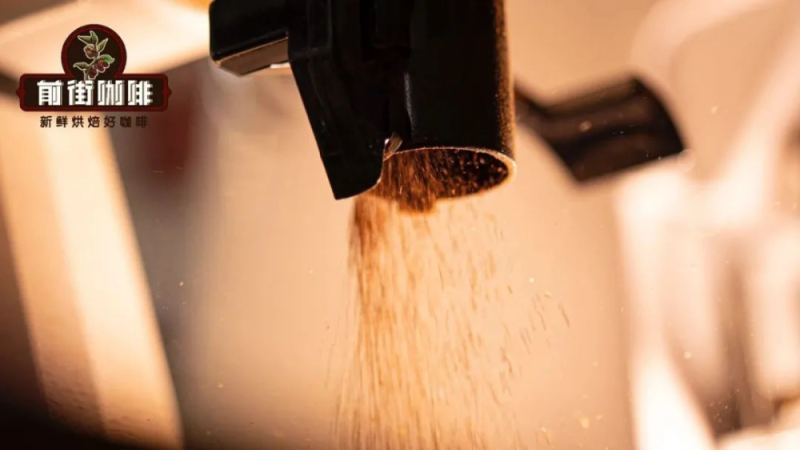
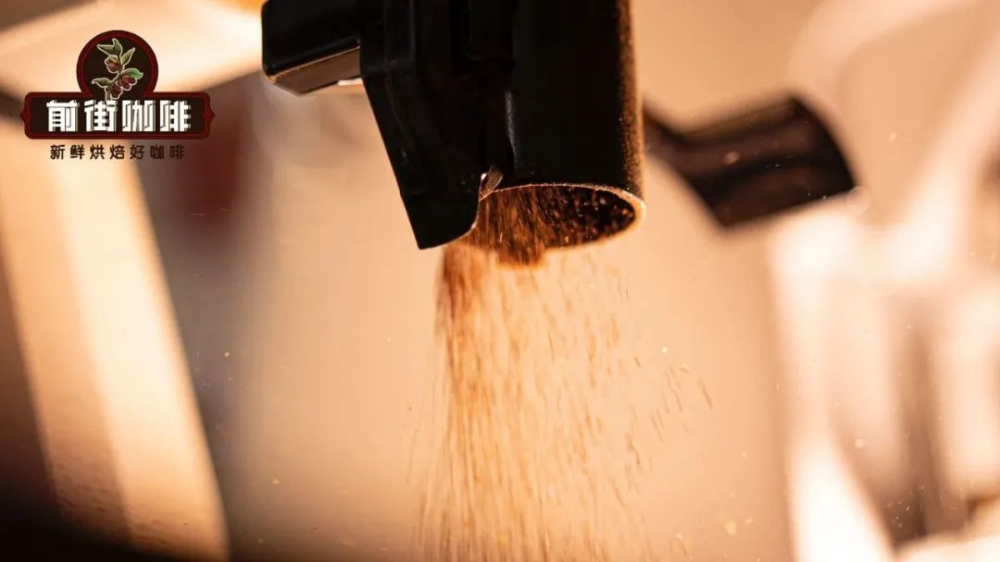
Static electricity is an obstacle in the pursuit of uniform grinding of coffee beans; it not only causes a large amount of fine powder to adhere to the inner walls of the grinder's chute, but also often makes subsequent extraction tricky due to the formation of clumps.
The proposer of this method was named David Ross, and it first appeared in 2005 in a coffee discussion forum called "Alt.Coffee," so the industry usually calls it the "Ross Droplet Technique," abbreviated as RDT.

From a principle perspective, these larger clumps reduce the effective contact area between coffee particles and water, while also causing uneven distribution when hot water passes through the coffee bed, thereby disrupting the extraction rhythm of soluble substances, which is what we often refer to as "channeling," often accompanied by splashing and perforation phenomena.
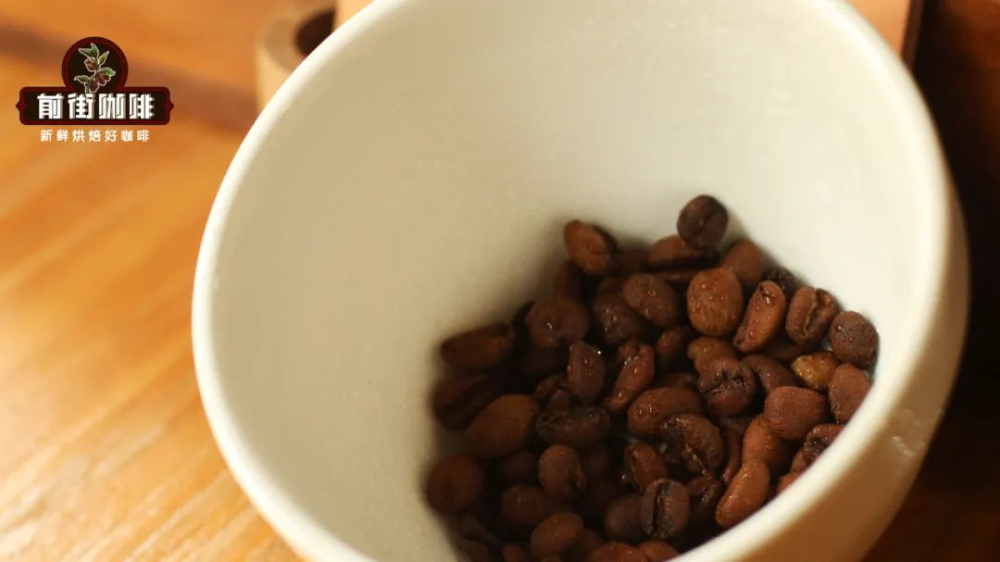
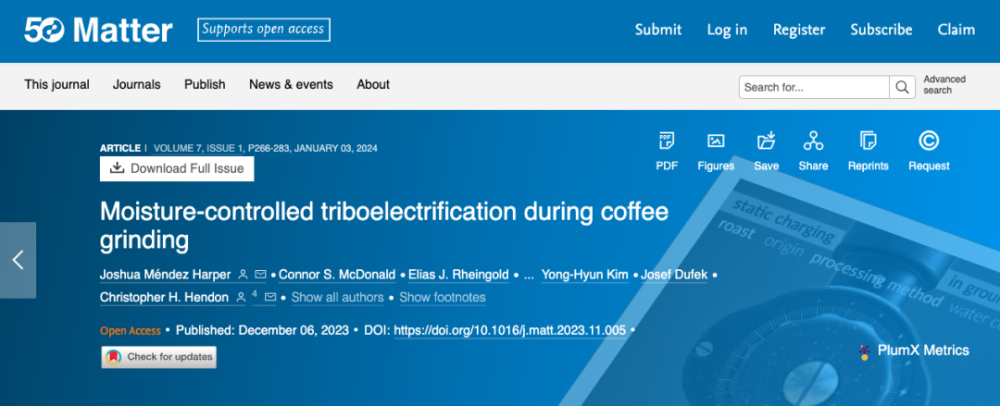
At the end of last year, a latest paper published by the University of Oregon in the journal "Matter" also supported this view. After synthesizing multiple experiments, the research team pointed out that spraying an appropriate amount of water onto coffee beans before grinding can indeed effectively suppress the generation of static electricity and improve coffee extraction efficiency.
For many years, RDT, like WDT (Weiss Distribution Technique), has been popular among many home coffee enthusiasts, who have long been proficient in incorporating this technique into their daily brewing routines. However, in café bar operations, this practice is rarely seen—why is that?
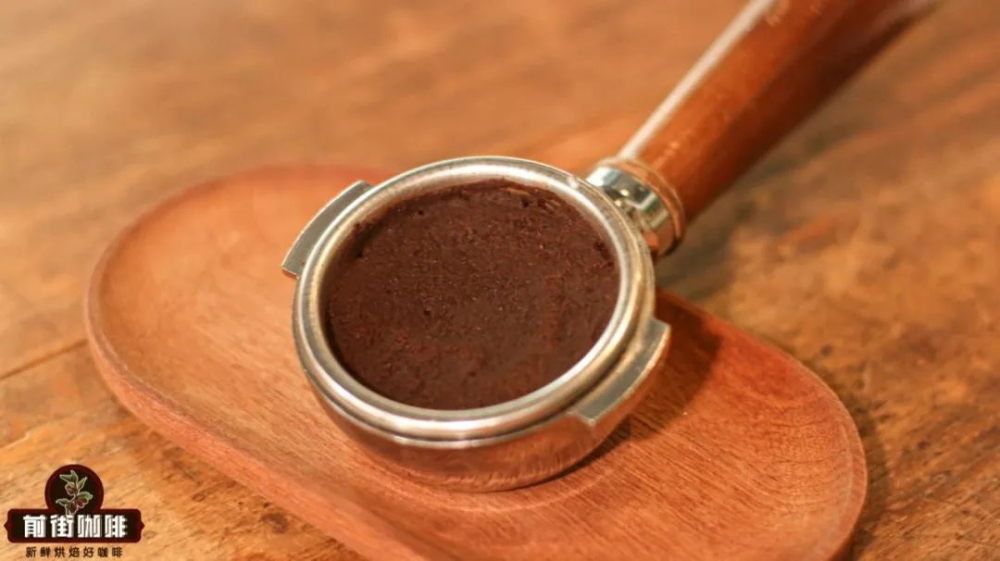
As a long-time "veteran" in coffee work, Front Street believes that using this method carries certain risks; once too much water is sprayed inadvertently, it can easily cause coffee grounds to absorb moisture and clump. If water droplets mix in over the long term, the possibility of burrs rusting also increases. In other words, if not controlled properly, it may very well backfire.
Front Street Coffee
No. 10, Bao'an Qian Street, Yandong Road, Dongshankou, Yuexiu District, Guangzhou, Guangdong Province
The above content is compiled by CoffeeHunters, a coffee news website.


