








Can the Coffee Grinding Process Avoid Static Clumping With RDT?
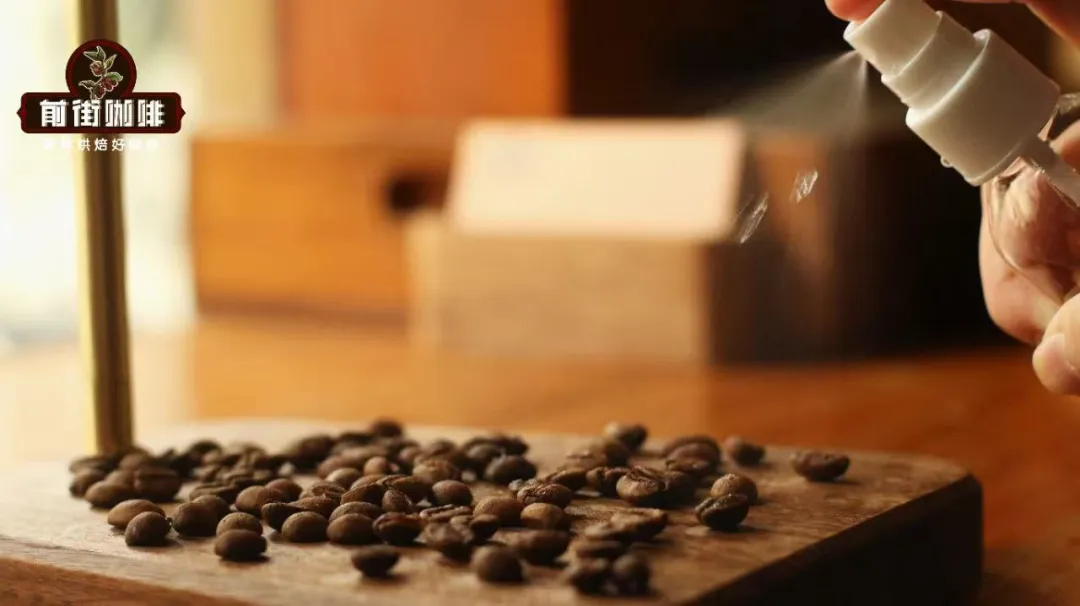
RDT, the Ross Droplet Technique, sprays a small amount of water onto coffee beans before grinding. Friction between beans and burrs, plus uneven charge distribution as beans fracture, builds static that makes fine particles clump. Clumps reduce the grounds' contact area with water, lowering extraction yield and causing channeling, especially in espresso. RDT eases this, but it is not a complete fix.
The technique suits single dosing only, the water amount is hard to control, and long-term use may damage the burrs. Static increases with darker roasts, which hold less moisture, and with finer grind settings. Alternatives such as the WDT tool offer more consistent results within the coffee grinding process, keeping coffee extraction even without the risks RDT carries.
Among the many辅助手段 for making coffee, RDT (Ross Droplet Technique) is a method of reducing static and clumping by spraying water onto coffee beans before grinding. Its principle is not complicated: during grinding, coffee beans generate static electricity due to friction and uneven charge distribution, causing fine particles to stick together into clumps, which lowers extraction yield and induces channeling. RDT can effectively alleviate this problem, but it also has obvious shortcomings—it is only suitable for single dosing, the water amount is difficult to control, and long-term use may damage the burrs. In this article, Front Street Coffee breaks down RDT in detail—its origins, actual effects, and operational limitations—and offers more reliable alternatives.
In addition to those common辅助手段 in daily use, there is also an operation called "RDT" that can likewise help us make a delicious cup of coffee.
Everyone knows that coffee beans are especially prone to generating static electricity during grinding. This is mainly caused by friction between the beans and the burrs, and uneven charge distribution when the beans fracture. The darker the roast (the lower the moisture content) and the finer the grind setting, the more static electricity is generated during grinding. Once static electricity is present, coffee grounds become attractive, and some fine particles with small diameter and light weight adhere to the surface of larger particles and cluster together.
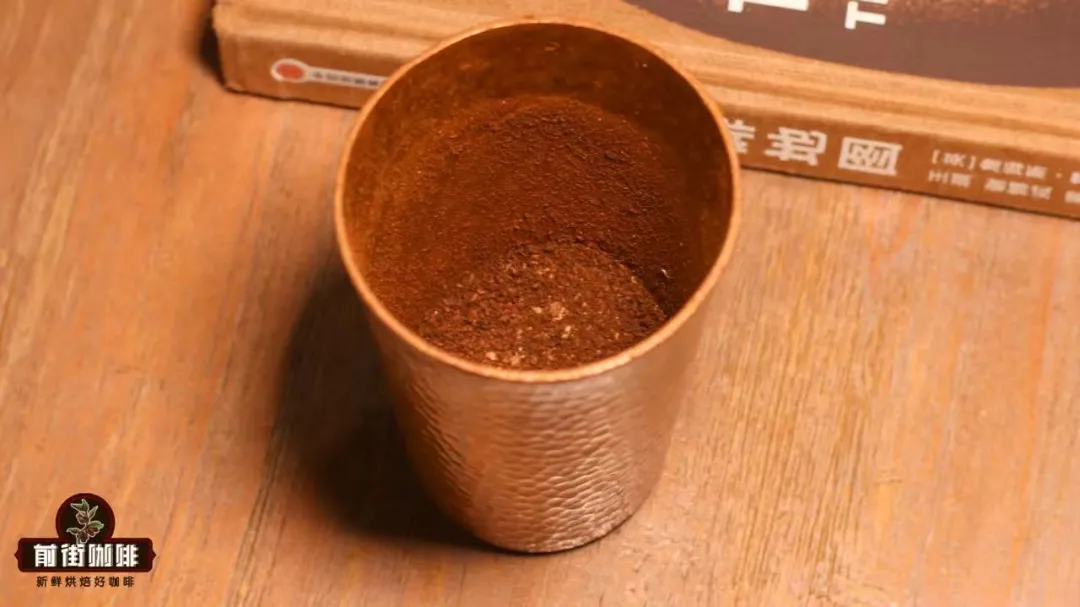
After coffee grounds clump together, their contact area with water decreases, which directly lowers the coffee's extraction yield. At the same time, clumped grounds can easily cause channeling, especially in espresso extraction, where the water flow is likely to bypass the clumped areas and concentrate on passing through the looser surrounding areas. As a result, the coffee extraction becomes extremely uneven, which is what we commonly call channeling. If there are really too many clumped coffee grounds, then to consistently make a good cup of coffee, we need to use some auxiliary methods to eliminate the effects of static electricity. In addition to the WDT tool previously introduced by Front Street Coffee, another method is to perform "RDT" before grinding the coffee beans.
RDT is the abbreviation of Ross Droplet Technique, translated into Chinese as "罗斯液滴技术," and first appeared in 2005 on a coffee forum called Alt.Coffee. Although the name sounds quite advanced, the actual operation is nothing more than spraying a little water on the coffee beans, or getting the beans moist. Through just this simple operation, it can reduce the production of clumped coffee grounds and lower the probability of channeling during extraction. Because the inventor of this method was named David Ross, people named it the Ross Droplet Technique, abbreviated as RDT.
At the end of the year before last, a latest paper published by the University of Oregon in the journal Matter also verified this claim. Front Street Coffee also confirmed through actual testing that after spraying coffee beans with water, clumping and the adhesion of coffee grounds can indeed be effectively reduced. This shows that RDT is indeed a feasible optimization solution. However, RDT also has certain drawbacks, which prevent it from being well applied in the daily output of cafés. There are mainly two reasons. First, RDT is only suitable for "single-dose" coffee beans and is difficult to operate in batches. Because from the moment water contacts the coffee beans, the beans have already become damp. Even if the process is slow, the flavor substances in the beans begin to decompose, which requires us to grind and use this damp batch of coffee grounds within a short time; otherwise, the coffee's aroma will be greatly reduced.
Therefore, RDT is difficult to use in scenarios with large cup output, because it adds a lot of time cost to coffee preparation and significantly reduces efficiency. What's more, it is mainly espresso that is affected by clumped coffee grounds, and cafés that dose only a "single dose" of coffee beans at a time for espresso are very few, so it is better to just use a WDT tool, which is more practical.
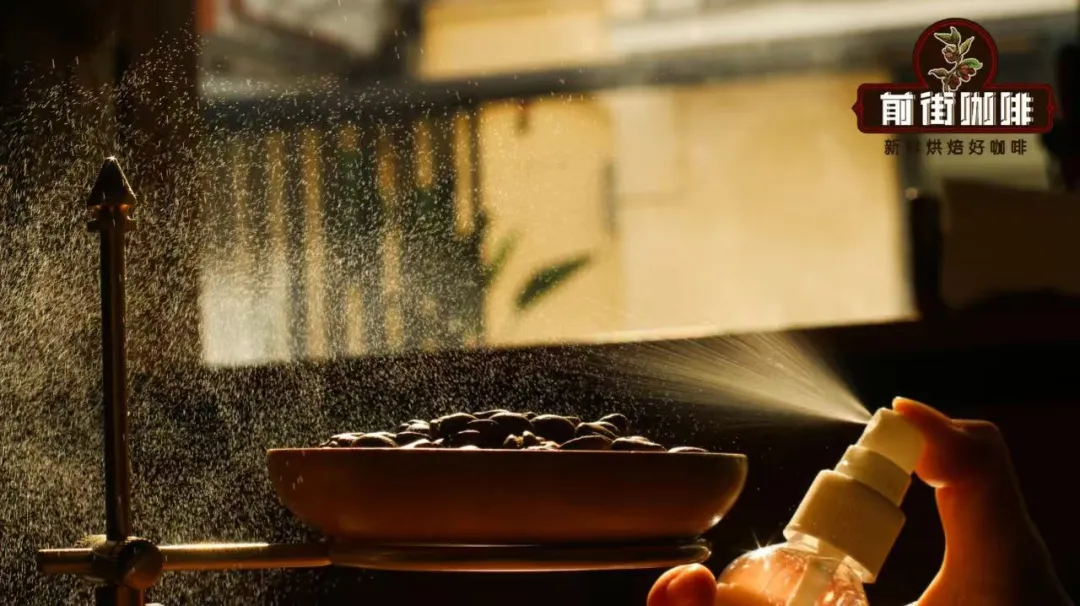
Second, RDT actually places quite high demands on water control. Spray too little and it does not have much effect; spray too much and the coffee grounds become more likely to clump together due to moisture, and the negative effects of this clumping are even greater than those caused by static electricity. In addition, if the burrs are exposed to water for a long time without timely cleaning, they may also rust. In other words, if operated improperly, it is easy to lose more than you gain. Therefore, Front Street Coffee does not recommend using RDT without safeguards. If the amount of clumped coffee grounds is truly very large and RDT is indeed needed to reduce clumping, then Front Street Coffee more recommends the method shared by coffee legend James Hoffmann: dip the handle of a spoon into water, then use the wet spoon handle to quickly stir the coffee beans. Once the coffee beans are roughly evenly coated, you can begin grinding. If not, a WDT tool is still more reliable~
- END -
The above content is compiled by CoffeeHunters, a coffee news website.


