








Why Do Coffee Beans for Hand Brew Produce Clumping Grounds?
Static electricity during grinding, common in dry autumn and winter air, makes fine particles attract each other into clumps and stick to containers, which disrupts extraction consistency. Baristas tap the table or shake the basket to break the clumps apart and shake off adhered grounds, a motion that gets louder and more frequent with darker roasts.
A practical fix is the Ross Droplet Technique, or RDT, proposed by David Ross: spray an extremely small amount of water onto coffee beans before grinding to suppress static at the source. Separately, shaking the milk pitcher after steaming removes the large bubbles that show up as foam on coffee drinks, which is the reason behind that second habit.
In pour-over or espresso preparation, baristas often tap the table or shake the milk pitcher—actions that actually serve clear professional purposes. From Front Street Coffee's perspective, this article explains two common reasons: first, static electricity generated during grinding in dry seasons, which causes fine particles to clump or stick to surfaces, affecting extraction consistency; second, large bubbles left behind by mistakes when steaming milk, which need to be eliminated by shaking the pitcher. For the static issue, the article introduces David Ross's RDT droplet technique, which suppresses static at the source by spraying a tiny amount of water before grinding, while also noting water control and alternatives. For milk foam bubbles, it explains the professional term and operating logic behind tapping and shaking the pitcher, helping coffee enthusiasts understand and improve their daily brewing.

Actually, the original intention behind these actions is to make the coffee taste better. But when the motions are too large, they inevitably disturb the people nearby. So today Front Street Coffee will talk about why baristas do this, and what more appropriate ways there are to handle it.
Reason One for Tapping the Table: The Impact of Static Electricity
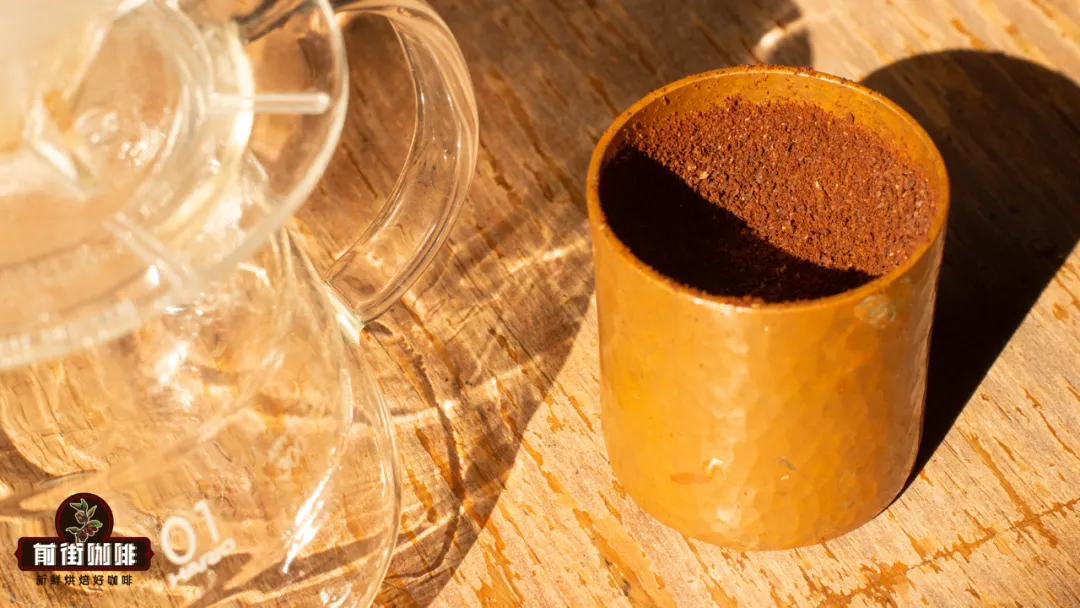
As autumn and winter arrive, the tapping sounds increase noticeably, especially when making pour-over coffee. Dry air makes coffee grounds more prone to picking up static electricity from friction during grinding. Static not only causes finer particles to attract each other into clumps, becoming an obstacle during extraction, but also makes coffee grounds stick to the container. So baristas tap to break apart and shake off the clumped or adhered coffee grounds.
The darker the roast of the coffee beans, the stronger the static attraction, and the more time and repetitions are needed to knock the grounds loose—which really does disturb the people around. For this reason, Front Street Coffee offers a solution, one we frequently mention—use RDT!
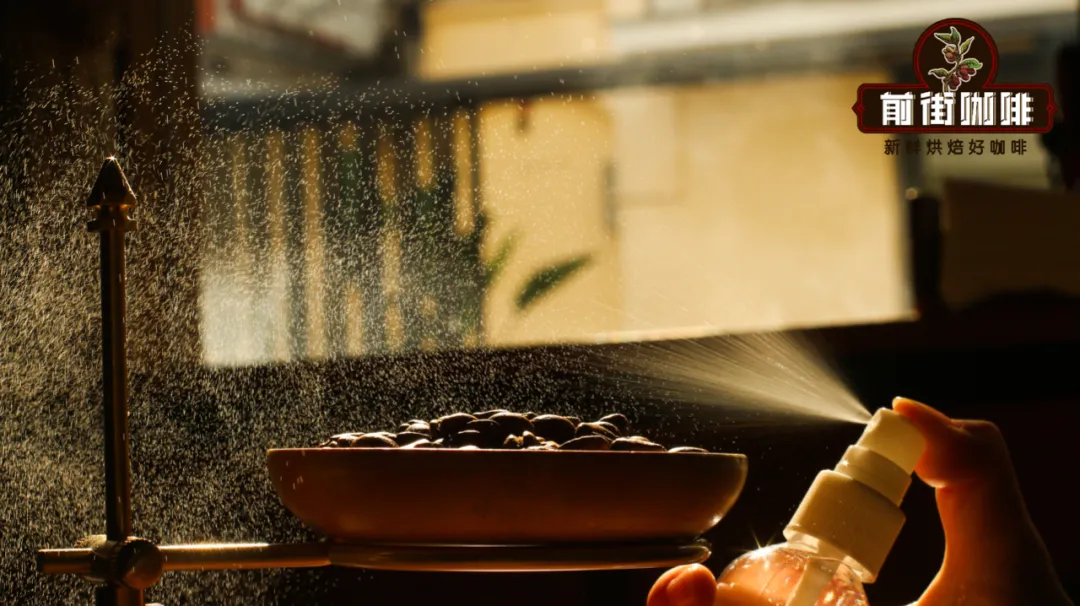
RDT is an anti-static method proposed by David Ross, whose full name is the Ross Droplet Technique, abbreviated as RDT. The method is not complicated: since static comes from excessive dryness, causing coffee grounds to attract and clump together, you address it directly at the source. Before grinding, spray an extremely small amount of water onto the coffee beans, the dryness problem is alleviated, and static is less likely to form.
However, when doing this, note that it is best to use a tool that can atomize water, so the amount is easier to control. Once too much water is sprayed, it will adversely affect the flavor of the coffee beans and the grinder's burrs. So the amount of water must be very small. If you don't want to add water, you can also tap on a softer surface, such as placing a cloth or rubber mat on the table~
Reason Two for Tapping the Table: Eliminating Bubbles
There is another situation that makes baristas tap the table: when making hot milk coffee, the milk foam was not steamed well. If the technique is wrong or a mistake occurs while steaming milk, many large bubbles will remain on the surface. At this point, the vast majority of baristas will shake the milk pitcher to "pop" these bubbles, and this action also has a professional name—"shaking the pitcher."
The above content is compiled by CoffeeHunters, a coffee news website.


