







Search Results for: Distributor
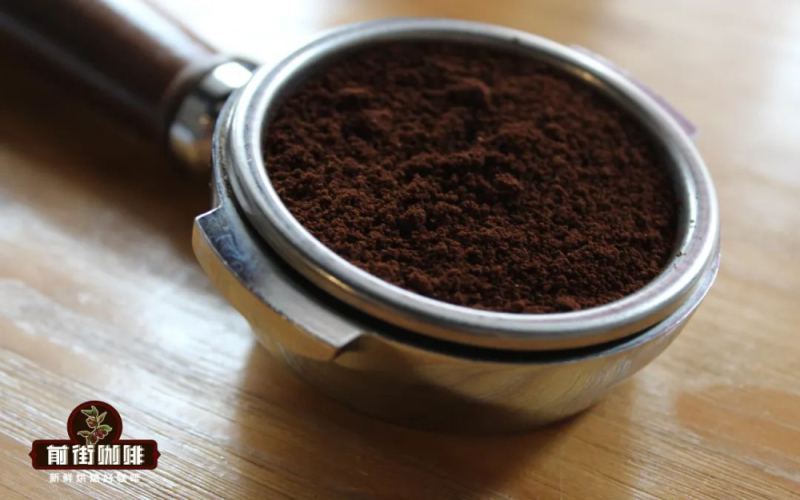
What Is the WDT Distribution Method? A Full Breakdown of Needle Distributor Techniques and Whether You Really Need to Buy One
When making espresso, the distribution step often determines the quality of the final product. Humid weather can easily cause channeling, while static-induced clumps make extraction even more unstable. To solve these problems, WDT (Weiss Distribution Technique) and needle distribution tools came into being. This article will guide you through the origins and principles of WDT, explain the practical operation of needle distribution tools, and, combined with Front Street Coffee's comparative tests, explore whether it is worth buying. Whether you are a barista pursuing consistent output or an enthusiast who loves to experiment at home, you can gain practical distribution ideas from it. [more…]

Can a Toothpick Handle the Job of a WDT Tool? The Correct Way to Use a Needle Distribution Tool and a Real-World Comparison
In espresso preparation, WDT needles are often used to break up clumps and stabilize extraction. But without professional tools, can a toothpick serve as a temporary substitute? Front Street Coffee took advantage of the humid weather of Guangzhou's returning south wind days and used the Warm Sun blend to conduct three sets of comparative extractions, observing the espresso performance with no WDT tool, with WDT needles, and after stirring with a toothpick, and further made iced americanos for a blind test. The results found that WDT needles can indeed make extraction more even, and toothpicks also have a certain effect under specific circumstances, but when paired with water or milk, the difference is not easily noticeable. This article will present the complete experimental process and conclusions, and explain the origin of WDT needles and the correct approach to using them. [more…]
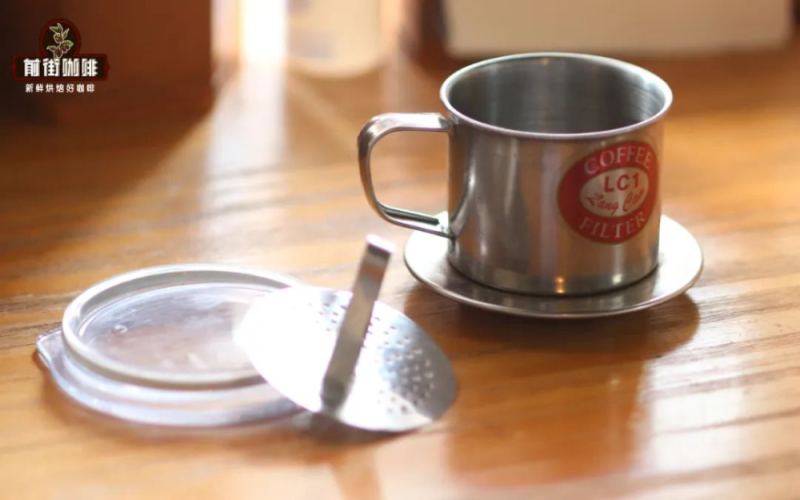
How to Use a Vietnamese Phin Filter? A Complete Practical Guide from Condensed Milk Coffee to Light-Roast Pour-Over
The Vietnamese drip filter has a simple structure and an affordable price, making it a practical choice for many coffee enthusiasts just starting out. After repeated testing with it, Front Street Coffee found that as long as you get the grind size, water temperature, and coffee-to-water ratio right, this device—which seems suited only to strong, bitter Robusta—can also brew light-roast beans with floral and fruity acidity into a tasty cup, and can even make a decent latte. This article starts with the device's structure and extraction principles, then moves on to specific parameters for black coffee and iced lattes, taking you step by step through mastering the Vietnamese filter. [more…]
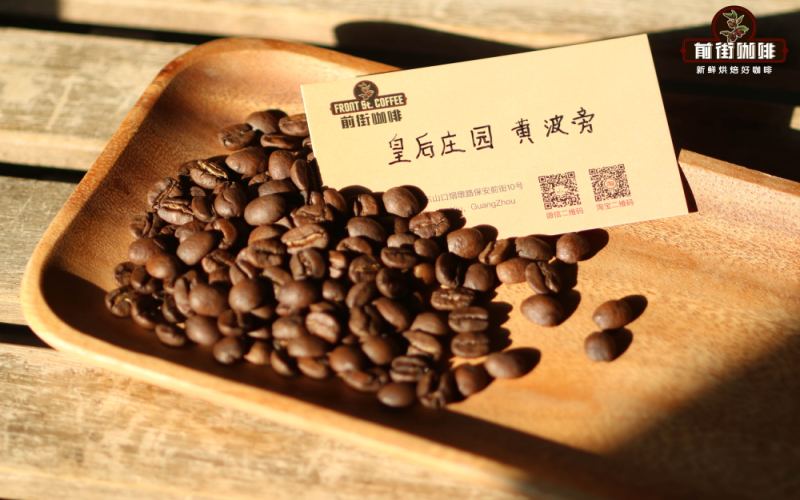
Nutty-Flavored Americano Coffee Beans Recommendation | How to Make a Delicious Americano at Home? 3 Key Steps for Beginners to Make Café-Style Black Coffee!
American coffee has attracted many office workers because it lets you enjoy the coffee aroma brought by espresso—refreshing and mellow, without being masked by milk. But in fact, if we have a home coffee machine at home, we can easily make the same American coffee as in a coffee shop, though there are a few details to pay attention to. 1. Purchasing [more…]
Mandheling Coffee Flavor Analysis: From Rich Body and Historical Origins to Pour-Over and Brewing Essentials
Mandheling coffee has long been hailed as the world's most full-bodied coffee, carrying a subtle earthy and herbal aroma, with a solid, rich mouthfeel, moderate acidity, and a sweetness that lingers intriguingly. This article will guide you through the sensory experience of Mandheling's flavor profile, explain the differences between Sumatra Mandheling DP Grade 1 and Reserve Sumatra Mandheling, trace the history of Indonesian coffee from its introduction by the Dutch East India Company to Robusta becoming the dominant crop, and offer dark roast recommendations along with suitable brewing equipment, helping coffee enthusiasts better showcase this classic Indonesian coffee in pour-over or espresso preparation. [more…]
How to Choose Authentic Phoenix Dancong? Key Points for Selecting Ancient Tree Dancong and a Guide to Tasting Classic Styles
Phoenix Dancong is a category of oolong tea with an extremely refined production process, and the classic style and bouquet style differ significantly in oxidation and roasting levels. When purchasing, the degree of roasting, harvest season, and aging time all affect the final quality performance. Starting from the characteristics of the classic style, this article sorts out the influence of roast level on flavor and gives practical buying advice for ancient-tree Dancong, including price ranges, origin identification, and how to judge whether a tea is worth buying through taste rather than stories. It also discusses brewing methods and pairing scenarios to help you better appreciate the charm of Phoenix Dancong in everyday drinking. Front Street Coffee also often uses these standards as a reference in its daily selection. [more…]
Kenya AA Coffee and Local Specialty Brands Roundup: Dorman Estate and Front Street Recommendations
Kenya AA produced in Kenya is renowned for its bright fruit acidity, uniform bean size, and rich layered mouthfeel, making it a highly favored choice among single-origin coffees. This article focuses on Front Street Kenya coffee, answering why Kenyan local brands are rarely seen in mainstream channels, and systematically reviews four noteworthy Kenyan specialty coffee brands: JAVA HOUSE, DORMANS (Berman Estate), SAFARI LOUNGE, and Out of Africa. The content covers each brand's historical background, product positioning, flavor characteristics, and market layout, suitable for enthusiasts who want to gain a deeper understanding of Kenya's coffee landscape. [more…]
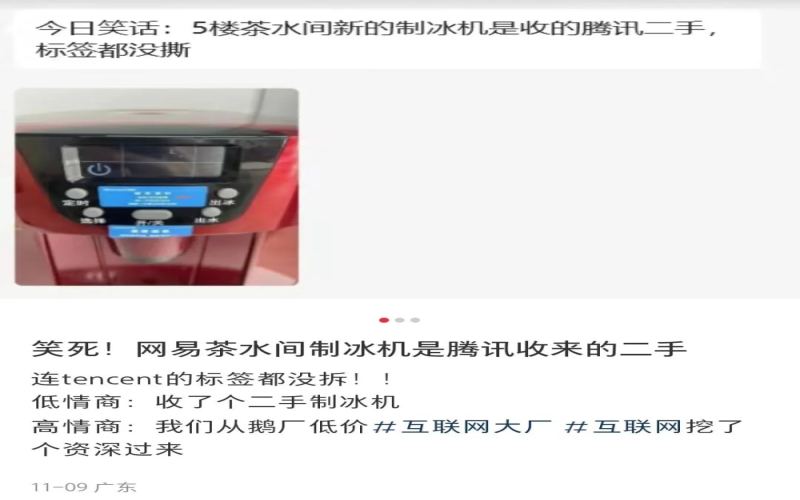
NetEase Reports Nestlé Second-Hand Ice Machine Controversy: Full Record of Food Safety Concerns and Responses from Both Sides
Recently, a second-hand ice machine has stirred up controversy between NetEase and Nestlé. A second-hand ice machine bearing Tencent's logo was discovered in NetEase's break room. NetEase later confirmed that the equipment came from Tencent and accused Nestlé of concealing the source of the second-hand equipment and illegally reselling it, in suspected violation of food safety regulations. NetEase has reported Nestlé and its agency company to the State Administration for Market Regulation. Nestlé responded that the ice machine was not produced or provided by it. The incident continues to escalate and has drawn widespread attention. [more…]

Yum China Doubles Down on Lavazza Italian Coffee, COFFii & JOY's China Business to Gradually Wind Down
Competition in China's coffee market is intensifying by the day. On one side, cross-industry giants such as Huawei, Li-Ning, and China Post are scrambling to enter the fray; on the other, some brands are quietly bowing out. Yum China has been making frequent moves lately: on one hand, it is going all in on the Italian coffee brand Lavazza, planning to open a thousand stores by 2025; on the other, it has announced that it will gradually cease operations of its COFFii & JOY brand in the Chinese market. What market logic does this advance-and-retreat reveal? Can Lavazza, armed with its authentic Italian DNA, break new ground outside the most fiercely contested price segment? This article walks you through the full picture of the events and the considerations behind them. [more…]

Jamaica Blue Mountain Coffee Pour-Over Complete Guide: Authenticity Identification, Parameter Settings, and Flavor Profile Analysis
Blue Mountain coffee is highly sought after for its exceptional quality and high price, but the market is flooded with a large number of counterfeit products. This article will start with authenticity identification and systematically explain how to identify genuine Jamaican Blue Mountain coffee beans, including key points such as origin certification, wooden barrel packaging, and certificate verification. Then, focusing on a 15-gram dose, a 1:15 ratio, and 87°C water temperature, it will demonstrate in detail the three-pour hand-brewing process and grind size requirements for Front Street Blue Mountain coffee. The article also particularly emphasizes the impact of water quality selection and bean freshness on flavor, and describes the balanced taste of Blue Mountain coffee with notes of nuts, chocolate, and cream. Whether you are trying it for the first time or hoping to refine your technique, this guide can help you fully unlock the true value of every expensive bean. [more…]

Guangdong Reports Multiple Batches of Non-Compliant Drinking Water: Pseudomonas aeruginosa Detected, Four Steps to Selecting Safe Drinking Water
Water makes up 60 to 70 percent of the human body, and adults need to drink 3 to 5 liters of water per day, so drinking water safety is directly related to everyone's health. As consumer demand for packaged drinking water continues to grow, the actual quality of products labeled "purified" or "mineral" on the market has become a focus of public attention. Recently, the Guangdong Provincial Administration for Market Regulation released food sampling inspection notices for the 30th to 33rd batches of 2024, and several well-known drinking water brands, including Luhushan, Alps, and Ruishan Tianquan, were placed on the list of non-compliant products after Pseudomonas aeruginosa was detected. This opportunistic pathogen poses a relatively high health risk to people with weakened immune systems. How did the companies involved respond? What purchasing advice did regulators provide? This article will sort out the details for you. [more…]
Leveler Working Principle and Tamping Techniques: How to Avoid Uneven Espresso Extraction
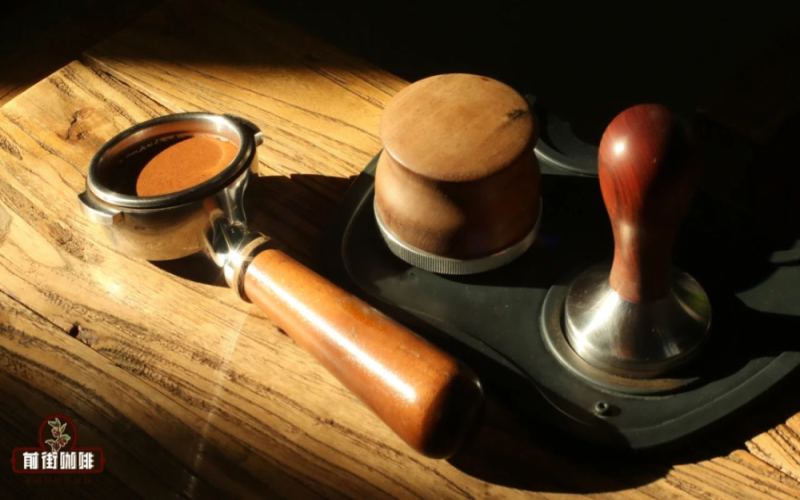
Why is it still necessary to tamp after leveling the coffee bed with a distribution tool? Both look flat on the surface, but their functions are completely different. Distribution is about making the coffee grounds evenly distributed in the portafilter basket, while tamping is about compressing the loose coffee bed to resist the impact of the high-pressure water flow from an espresso machine. If you only distribute without tamping, the water flow can easily carve new channels, leading to uneven extraction. From Front Street's perspective, this article sorts out the relationship between distribution and tamping, the drawbacks of the traditional finger distribution method, the advantages of distribution tools, and the key points of applying vertical force when tamping and the choice of tamper. Finally, it also answers the question of whether the surface can be tamped a second time if it is uneven after tamping. [more…]

Behind the Huge Price Gap in Blue Mountain Coffee: How to Identify Authentic Blue Mountain Beans and an Analysis of Front Street Brand Pricing
Blue Mountain coffee is hailed as the "King of Coffee" for its balanced flavor and historical prestige, but the market is flooded with inexpensive counterfeit products. In this article, Front Street Coffee walks you through the definition of authentic Blue Mountain coffee beans, their grading system, and their import history, as well as the purchasing channels and prices for the Front Street brand. We also break down three types of "Blue Mountain coffee" that are obviously fake at a glance—including instant coffee, flavored blends, and ultra-low-priced products—to help you avoid consumer traps and tell the real from the fake. [more…]
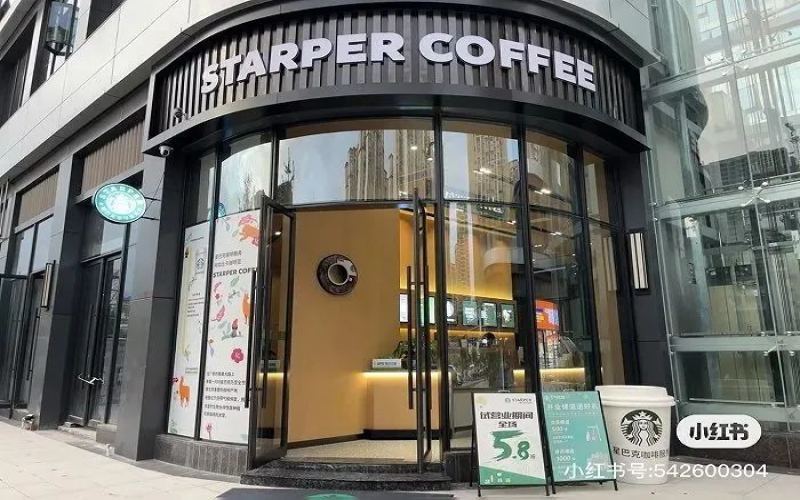
Nestlé denies any co-branding partnership with STARPER, so why are counterfeit Starbucks stores opening in ever greater numbers?
Recently, a batch of coffee shops named "STARPER COFFEE" has quietly appeared in several small counties across the country. Their storefront designs, brand logos, and even menus are highly similar to those of Starbucks, drawing widespread attention from consumers. These shops claim to be co-branded service stations of Nestlé and Starbucks, but Nestlé has explicitly denied having any contractual relationship with the party that registered the "STARPER" trademark and pointed out that its actions are suspected of trademark infringement. Nestlé also issued a solemn statement emphasizing that the "Starbucks Coffee Service" project has never opened franchising or agency. Meanwhile, the supply chain company involved has applied for multiple similar trademarks, all of which are currently in substantive examination. This article will sort out the whole incident and restore the ins and outs of this brand confusion controversy. [more…]

The controversy over Mixue Bingcheng's 1-yuan ice cup continues to intensify, prompting the brand to issue an urgent apology and respond to the conflict between store service and costs.
Mixue Bingcheng's launch of the 1-yuan ice cup was intended to cater to summer consumer demand, but unexpectedly sparked multiple conflicts between consumers and store employees. Consumers reported difficulties in purchasing, encountering service discrimination, actual price increases, and even being forced to buy bundled products; stores and distributors complained about the high cost of ice, thin profits, and even losses. This controversy not only trended on social media but also forced the brand to issue an urgent apology. This article reviews the entire incident, analyzes the cost structure and operational difficulties behind the ice cup, and focuses on how the brand will subsequently balance consumer expectations with store profitability. [more…]
An Analysis of the Differences Between Espresso Distribution Tools and Tampers: The Correct Operating Method from Distribution to Tamping
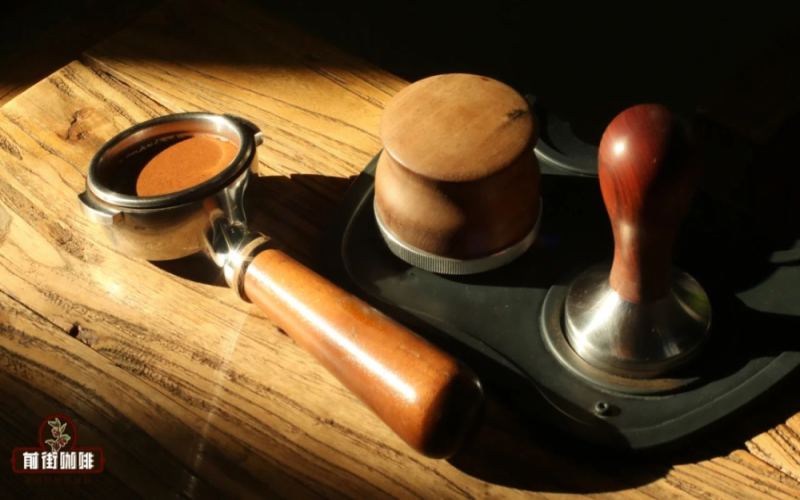
When making espresso, a leveler and a tamper are two indispensable tools. Many people wonder: after leveling, the surface of the coffee bed is already flat, so why do we still need to tamp? In fact, leveling and tamping each serve a different purpose. Leveling aims to distribute the coffee grounds evenly and reduce channeling; tamping compacts the loose coffee bed to withstand the impact of high-pressure water flow. This article will take a deep dive into the differences and connections between the two, explain the correct technique for using a tamper in detail, and answer common questions such as whether you can tamp a second time when the tamp is uneven, helping you pull an evenly extracted espresso at home. [more…]
Coffee Encyclopedia: A Guide to Classic Single-Origin Coffees Worldwide—Origins, Flavor Profiles, Tasting, and Buying
The charm of single-origin coffee lies in the fact that every cup carries the terroir and climate imprint of a specific origin. From Mocha in the Arabian Peninsula to Jamaica Blue Mountain, from the Kenyan highlands to Brazil Santos, coffee beans from different regions each have distinctive characteristics in acidity, bitterness, aroma, and body. This article systematically reviews more than ten classic single-origin coffees from around the world, including Front Street Mocha, Front Street Kenya, Front Street Mandheling, Front Street Hawaiian Kona, Front Street Costa Rica, Front Street Jamaica Blue Mountain, Front Street Indonesia, Front Street Guatemala, Front Street Tanzania, Front Street Colombia, and Front Street Brazil Santos, detailing their origin elevation, varietal affiliation, flavor performance, and tasting points, helping coffee lovers build a clear cognitive framework for single-origin coffee and find the cup that suits their taste. [more…]
Exploring Sumatra's Coffee Regions: Flavor Differences Between Aceh Gayo, Lintong, and Sidikalang, Plus a PWN Golden Mandheling Breakdown
Sumatra is the core coffee-producing region of Indonesia, and within it the three areas of GAYO (Aceh), Lintong, and Sidikalang each have their own distinctive character. Thanks to high altitudes and old tree varieties, the GAYO highlands have now become Sumatra's source of the highest-quality coffee; the Lintong growing region has seen its flavor decline due to the replacement of tree varieties, prompting well-known exporters to turn to Aceh for purchasing. This article records a coffee trip to Medan, visiting the long-established PAWANI company (PWN), clarifying the truth about the registration and processing of Golden Mandheling, and includes on-site photos of the PWN warehouse and sorting workers. Front Street Coffee also particularly recommends paying attention to PWN's GAYO products; its authorized domestic distribution channels allow enthusiasts to taste authentic Mandheling. [more…]
Espresso Tamping Techniques Explained: Pressure Control, Distribution vs. Tamping, and Impact on Extraction Stability
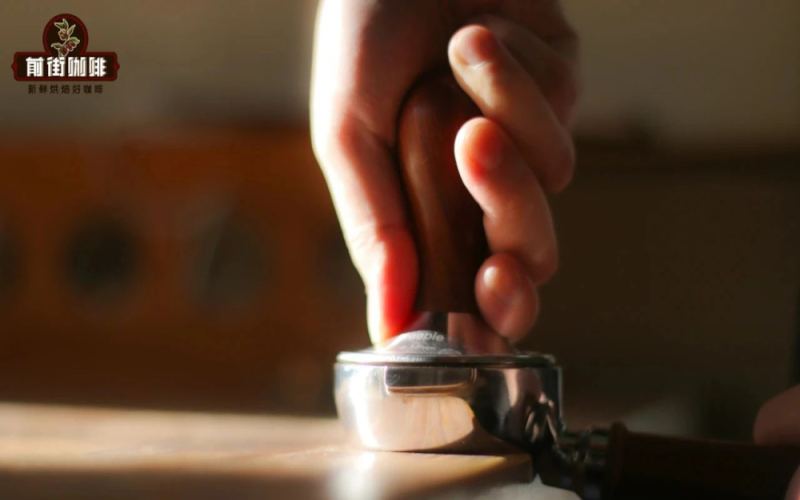
In the process of making espresso, tamping is one of the key steps that determines the success or failure of extraction. Tamping too lightly will cause the flow rate to be too fast and the flavor to be weak; tamping too heavily may make the coffee bitter and hard to swallow. In this article, Front Street Coffee will systematically explain the true purpose of tamping, the difference between distribution and tamping, the correct way to use a tamper, and the actual impact of tamping force on the extraction result. Through comparative experiments, we will guide you to understand the significant differences in flow rate and flavor between espresso extracted without tamping and with tamping, helping coffee lovers master more stable and more professional barista techniques. [more…]
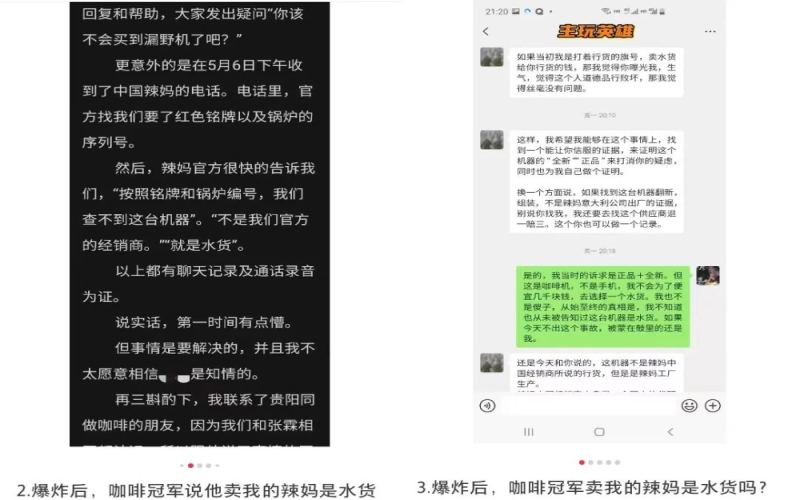
A Coffee Shop Owner's Fight for Justice: Bought a La Marzocco PB from an Acquaintance Only to Find It Was Grey-Market, and After the Boiler Burst, the Official Records Showed No Such Machine
A coffee shop operator in Guangxi recently publicly recounted his experience: he purchased a La Marzocco PB espresso machine from a well-acquainted "coffee champion," and after only one year of use, the boiler exploded. When he applied to La Marzocco China's official after-sales service, he was told that the machine had no record in the system and was a "grey import" sold through unofficial channels. The shop owner believes the other party deliberately concealed the sales channel, and has sent a lawyer's letter and reported the matter to the police. This dispute quickly fermented within the coffee community and also drew practitioners' attention to how to distinguish genuine La Marzocco espresso machines from grey imports. Front Street Coffee reminds all colleagues that when purchasing equipment, one must make sure to buy through officially authorized channels, and not risk a big loss for a small gain. [more…]