
Before writing this article, Front Street asked several coffee professionals/enthusiasts: "Under normal cold brew conditions—using the same water, coffee beans, coffee dose, brewing vessel, and extraction time—how would you increase the extraction strength of the coffee?" I'm sure everyone, like the interviewees, would answer: "Definitely by grinding finer!"
Indeed, ever since we started getting into coffee brewing, the theory we've been taught is: the finer the coffee grounds, the stronger the taste; the coarser the coffee grounds, the weaker the taste. But this information comes with a precondition—high-temperature extraction / a state where the coffee bed is agitated. For cold brew coffee, which is a low-temperature static extraction, this theory doesn't apply. Why?The impact of water temperature & particle movement on coffee extractionThe higher the water temperature during extraction, the more heat increases molecular motion. When the thermal motion of molecules contends with the attractive forces between solid molecules, the solid molecules disperse. At the same time, thermal motion increases the number of contacts between water molecules and solid molecules (coffee particles), so when coffee is ground finer, the solid molecules dissolve faster & more completely.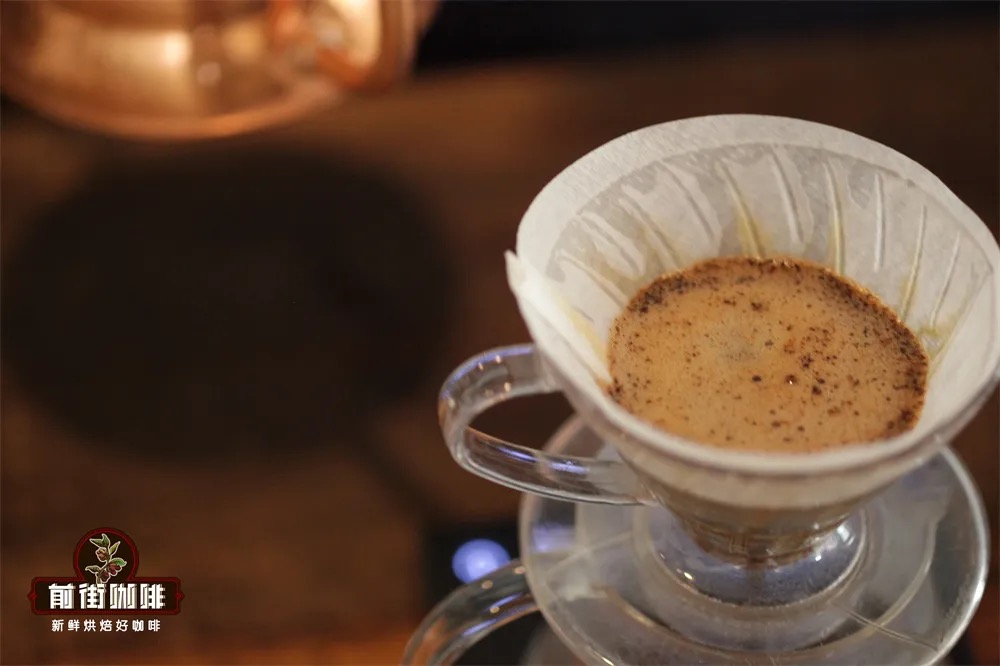
But when water temperature is near room temperature/near zero for extraction, molecular motion also decreases/ceases. Without the thermal motion of molecules contending with the attractive forces between solid molecules, coffee particles tend to "clump together"—that is, form lumps. So when coffee is ground finer, the clumping becomes more pronounced, to the point that the coffee grounds in the middle of the clump cannot be fully extracted.
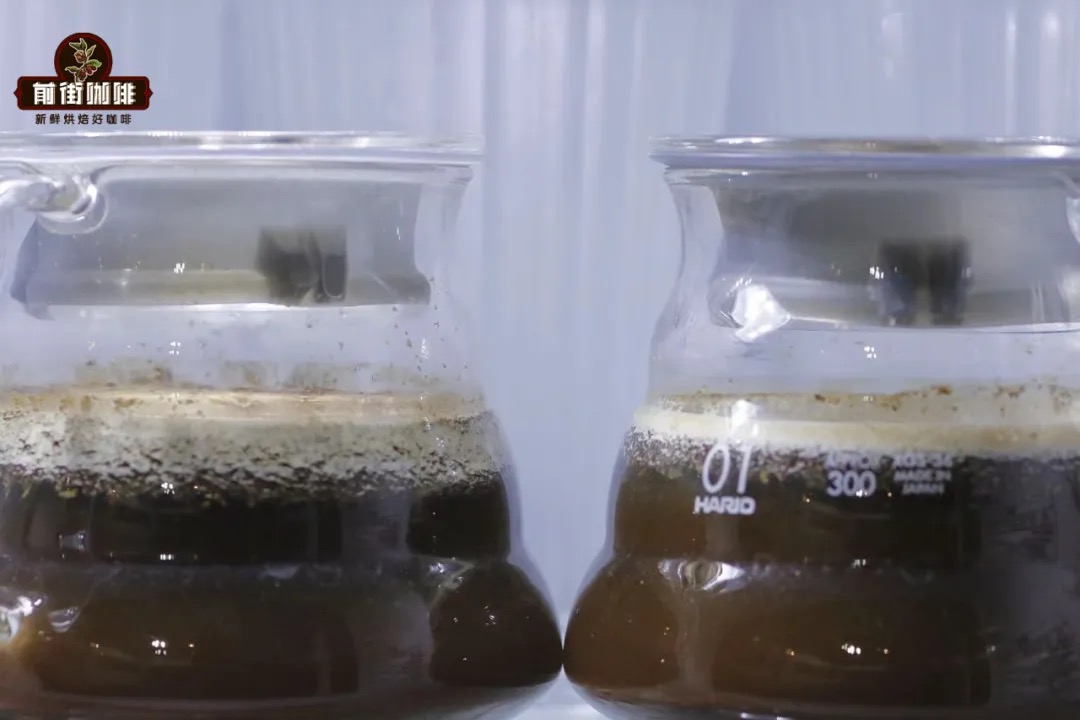
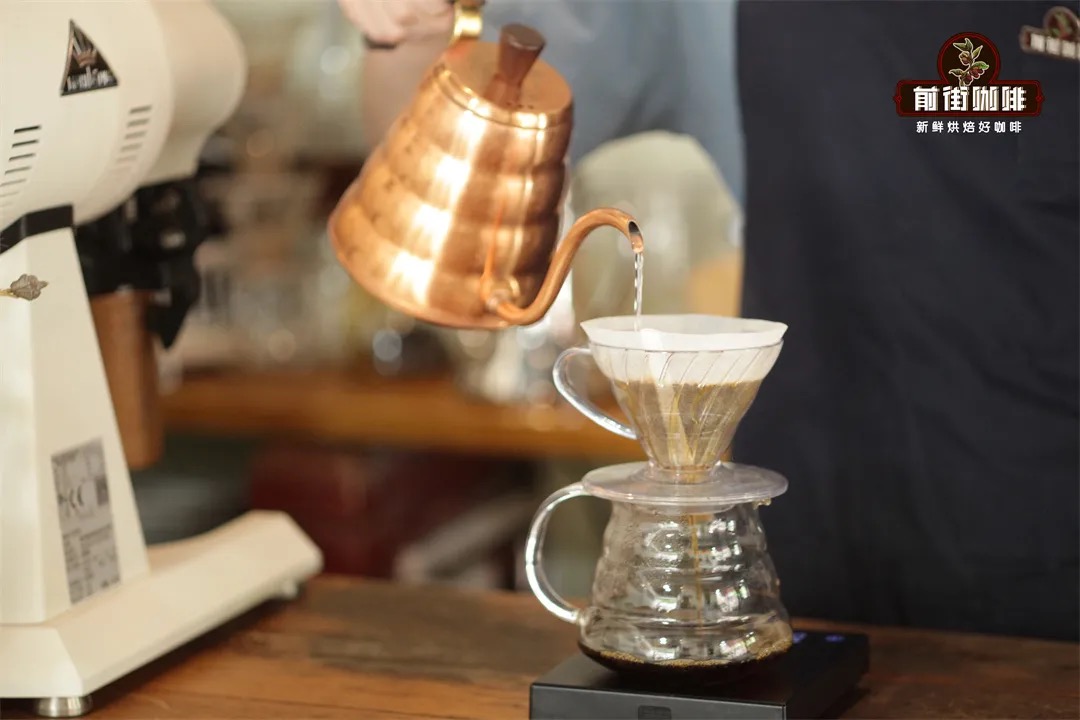
In pour-over coffee, high water temperature plus the impact of the water stream during pouring keeps the coffee bed constantly tumbling, so the extraction rate rises rapidly. If the coffee is ground too fine under these conditions, over-extraction easily occurs.
In cold brew/cold steep coffee, we need to add water, stir evenly, and then let it sit in the refrigerator for 12 hours or more, during which the temperature stays low the whole time. So even after stirring evenly, some particles still undergo "clumped" extraction, meaning that during the entire coffee extraction process, a small portion of the coffee grounds does not get effectively extracted.
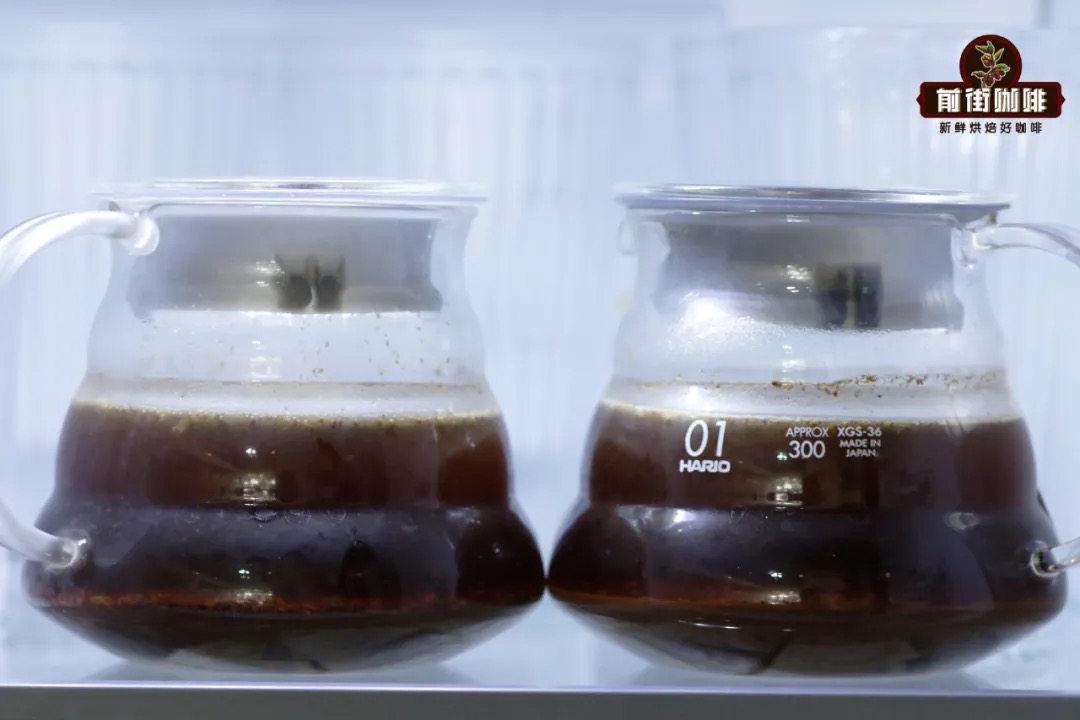
Can adjusting to a coarser grind effectively increase the extraction yield of cold brew coffee?
Front Street did a small experiment~This time, the cold brew coffee was made using Front Street Yirgacheffe Gedeb Gotiti Cooperative coffee beans from Ethiopia. Using the same container & room-temperature water of the same quality, 30g of coffee grounds were steeped at a 1:10 coffee-to-water ratio. One batch used EK43s #9 (fine grind) and the other EK43s #10.5 (coarse grind), then both were uniformly steeped at low temperature in the refrigerator for 16 hours.
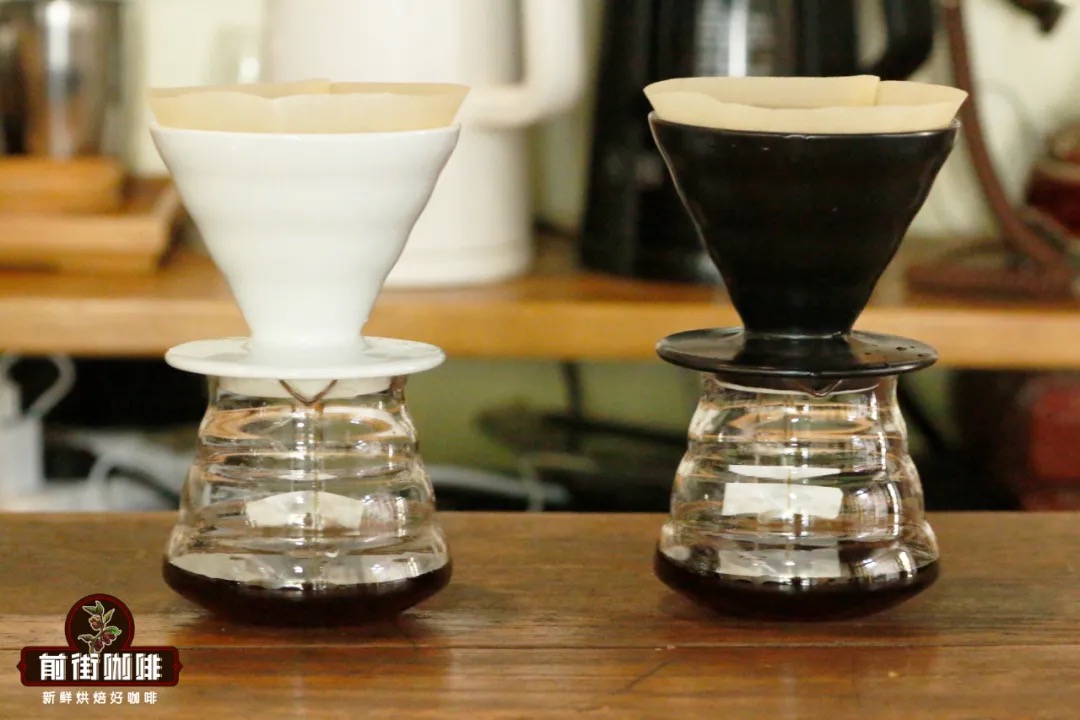
After extraction was complete, the coffee liquid was filtered using a room-temperature dripper, dry filter paper, and a clean room-temperature container, then tested for strength using a TDS (total dissolved solids) meter.
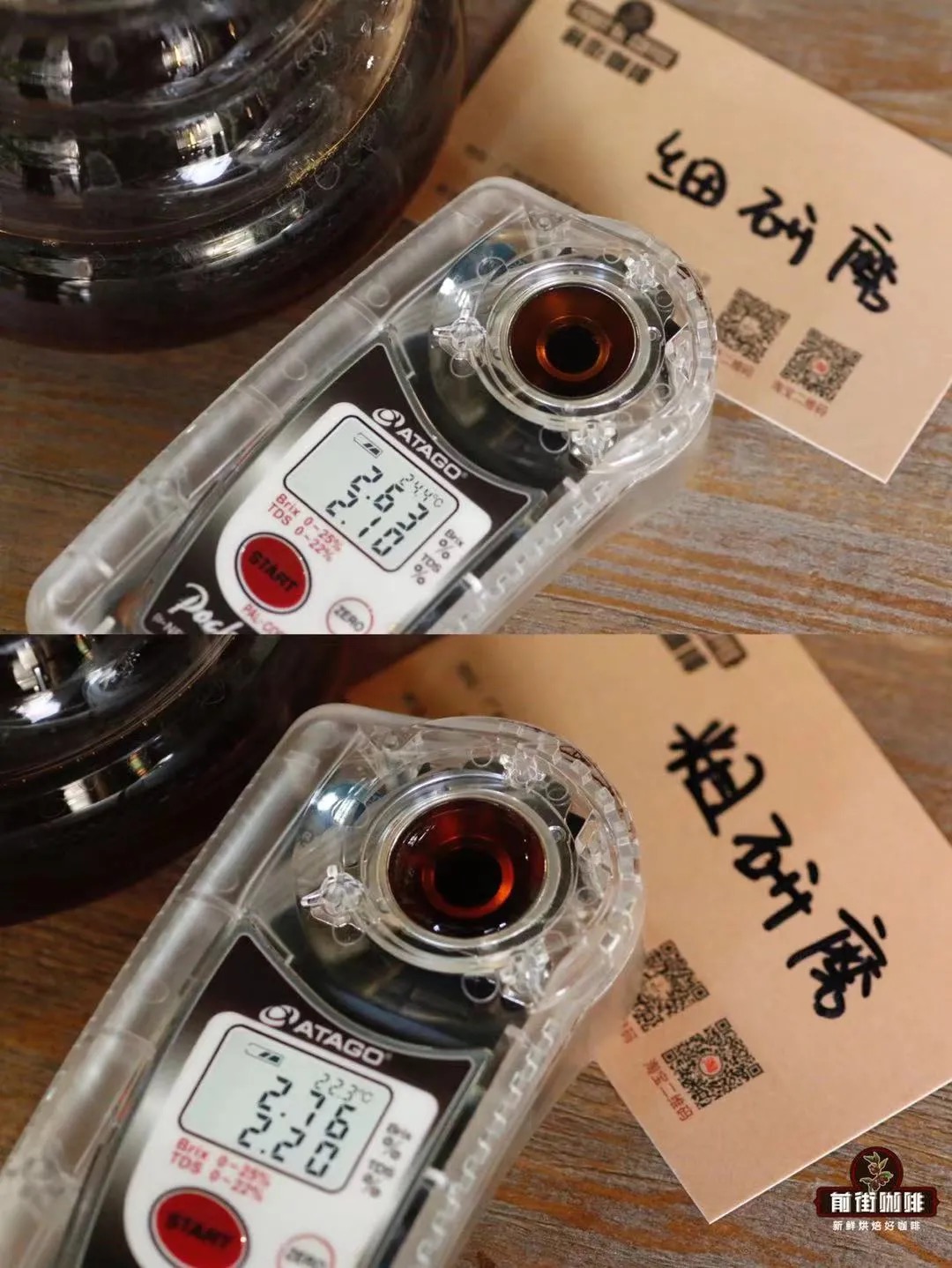
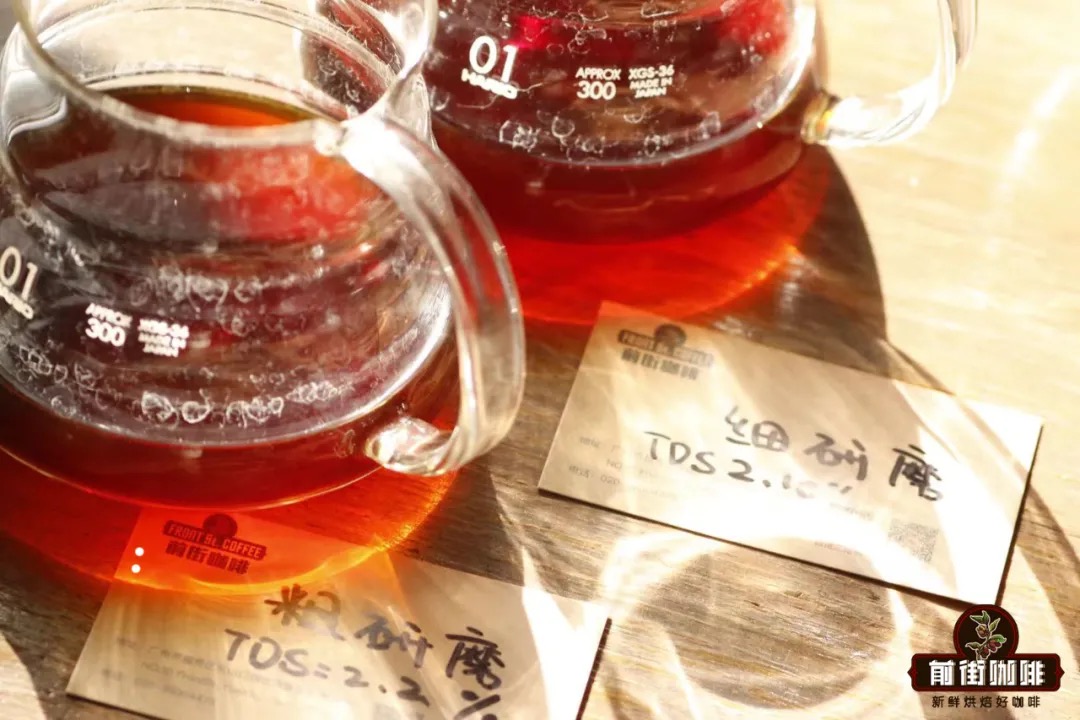
The final test results: the TDS of the fine-grind cold brew was 2.10%, and the TDS of the coarse-grind cold brew was 2.20%. The fine-grind cold brew tasted of bright citrus acidity, honey, and a slight tea-like note; the coarse-grind cold brew showed even brighter citrus acidity, with sweetness and tea-like notes also more pronounced—it felt like unsweetened lemon tea~
This experiment was mainly because quite a few friends asked Front Street how to make cold brew coffee stronger for making specialty coffee drinks, but without wanting other ingredients to overly mask the coffee's aroma and flavor. If you want to extract cold brew coffee at just the right strength without dilution, Front Street recommends using a fine grind with a 1:13–1:15 coffee-to-water ratio.Although adjusting to a coarser grind can increase extraction yield & strength,not all coffee beans/cold brew methods are suited to doing this!
Coffee beans that are very light or on the darker side of roasting cannot use this method to increase extraction yield and strength, because it easily produces sharp acidity or unpleasant bitterness.
There are electric cold brew bottles on the market that can make cold brew coffee in a short time; the principle is that the device continuously shakes the filter basket up and down to keep the coffee bed moving. In this case, it's more suitable to use a fine grind for extraction.
- This experiment was conducted based on the common cold brew coffee method -
The above content is compiled by CoffeeHunters, a coffee news website.










