







How Does Coffee Extraction Cause a Soggy, Loose Puck?
A wet, loose espresso puck that leaves standing water in the basket usually points to two causes: too small a coffee dose or too fine a grind. When the dose sits well below the basket's rated capacity, a large gap forms above the puck, so more hot water enters the basket than pressure release can pull back out.
Grinding too fine raises puck resistance, slowing how fast water moves through the coffee bed. Residual water then stays behind at the end of the shot, leaving the puck soft and high in moisture. Puck condition reflects the coffee bean structure and how evenly water traveled through the bed, so it is a useful check on extraction.
When extracting espresso, have you ever encountered standing water in the portafilter basket, a loose puck that won't hold its shape, or crema that quickly clumps and shows tiger-stripe patterns on the surface? Each of these phenomena actually has its own cause. This article continues Front Street's series on common espresso extraction issues, breaking down key variables one by one: dose, grind size, coffee bean degassing, and fines distribution. From judging extraction uniformity by puck condition, to understanding the relationship between crema clumping and coffee bean freshness, to clarifying whether tiger stripes equal over-extraction, we'll help you troubleshoot more accurately, adjust parameters, and make every shot of espresso more stable and controllable.
It's been over half a year since the article "Common Problems in Espresso Extraction '1.0'" was published. As for why the second one took so long, there must be a reason—it's definitely not that Front Street forgot about it.

The issues compiled this time are also ones Front Street has previously written about individually, so here we'll again only give brief answers and attach the corresponding article links in the titles. Those troubled by related issues can click the links for detailed content. Without further ado, let's dive into today's sharing.
Common Problem 6: After extraction, why does water accumulate in the portafilter basket? Why is the puck wet, soft, and loose, unable to hold its shape?
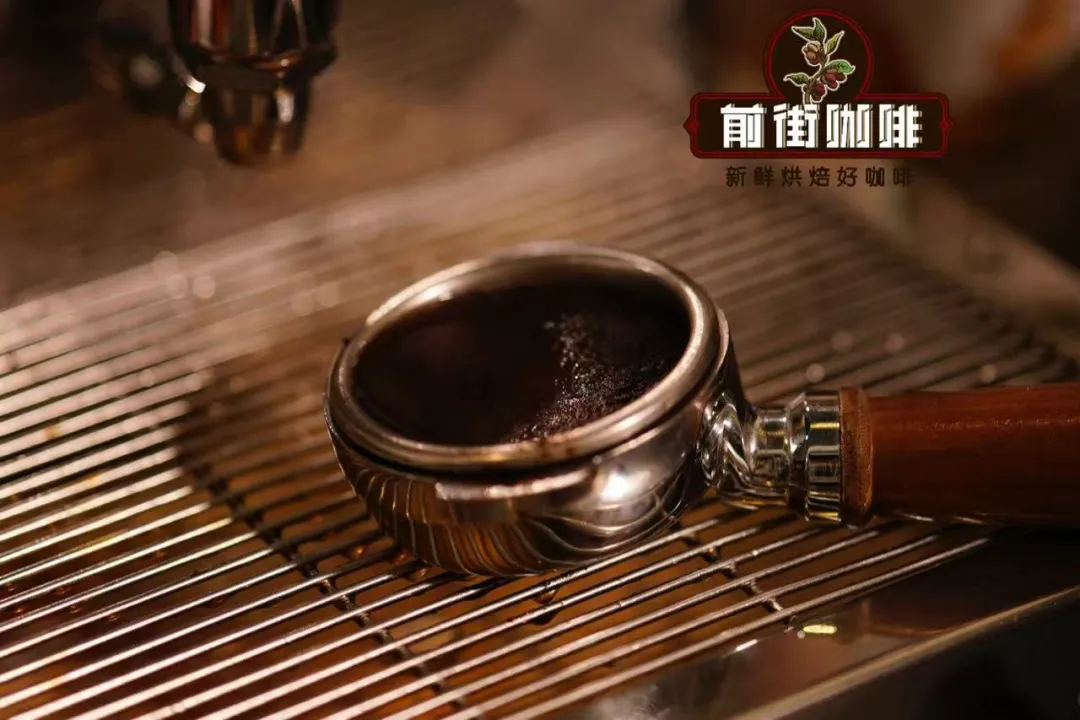
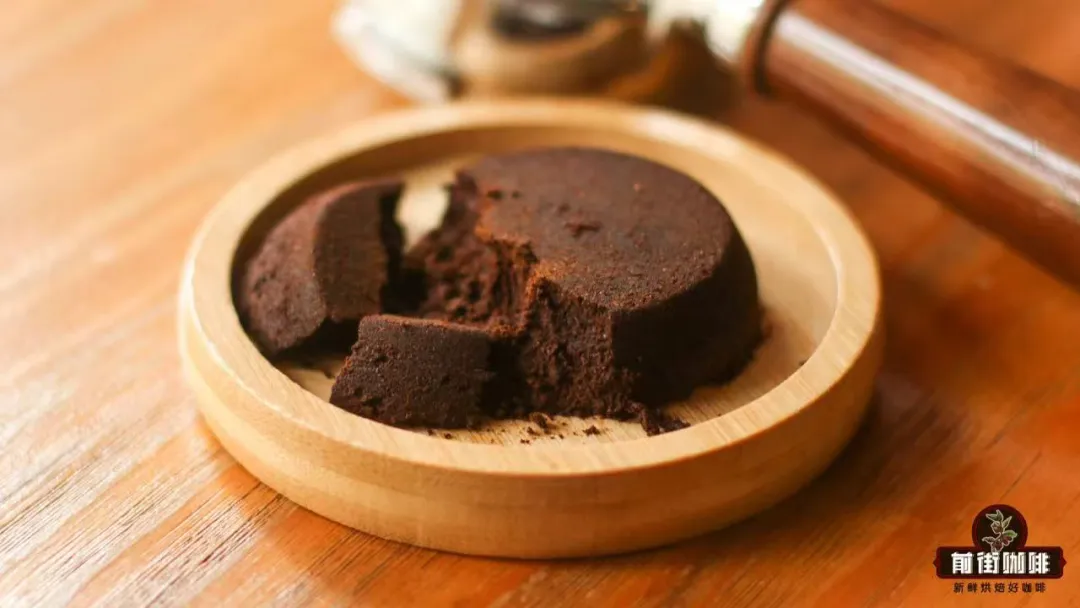
Normally, after extracting espresso and removing the portafilter, the puck should be relatively dry with not too much moisture. But sometimes we find that after removing the portafilter, quite a bit of water has pooled in the basket, the puck is soaking wet, loose in structure, and completely unable to hold its shape.
This situation is mainly related to using too little coffee dose. When the actual dose is far below the basket's recommended capacity, a large gap remains between the puck and the group head, requiring more hot water to start extraction. As a result, when extraction ends, the suction from pressure release isn't enough to draw out all the hot water in the basket, so residual hot water stays in the basket, and the puck naturally crumbles and can't hold its shape when knocked out.
Another common cause is grinding coffee too fine. Too fine a grind means increased puck resistance, slowing the rate at which hot water passes through the coffee bed. After extraction ends, some water hasn't yet passed through the bed before being discharged during pressure release, leaving the puck with high moisture content and a wet, muddy appearance.
Common Problem 7: Why is the puck incomplete and unable to hold its shape after extraction?
Many people want to know how to judge extraction quality by puck condition—actually, Front Street has shared this in previous articles. The method is simple: after extraction ends, knock out the puck and observe whether it's intact and holds its shape.
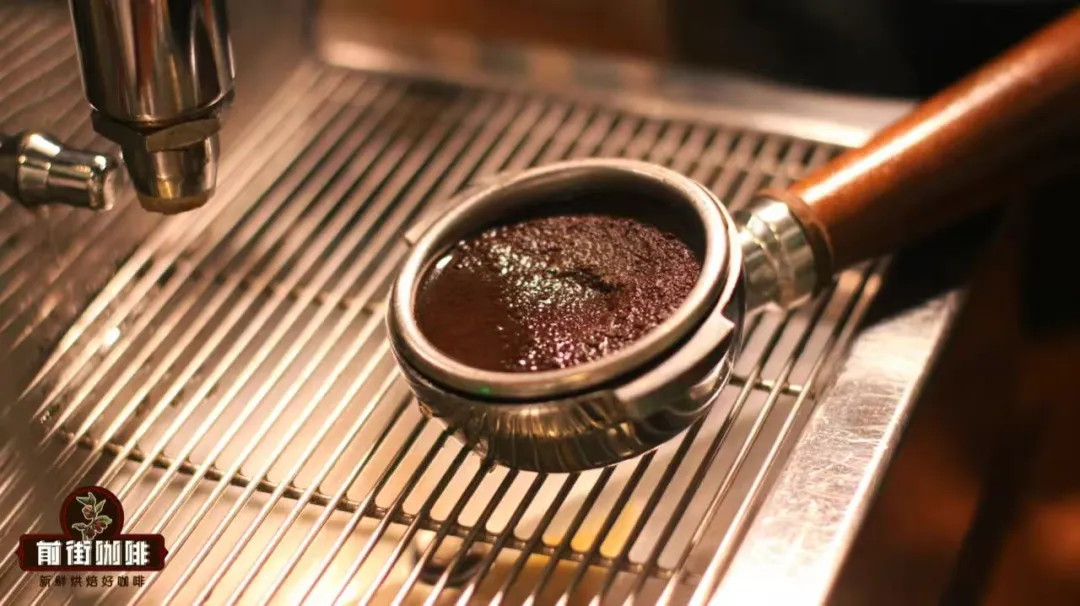
If the puck surface is covered with small holes, crumbles easily when knocked out, and shows obvious color differences in different areas, then you can basically conclude that extraction uniformity is poor. The reason is that these are typical signs of channeling. (See "What Is Channeling?")
Those small holes are actually channels, formed when hot water concentrates and exits through these spots; the puck not holding its shape is because hot water penetrates unevenly during extraction, leaving some coffee grounds inside insufficiently wetted and unable to form effective connections with surrounding grounds, so it cracks easily when knocked out; the same logic applies to large color differences. Coffee extraction itself is never absolutely uniform—grounds in different positions will show some color variation, but not too dramatically. Once extraction is uneven, the color differences are amplified, making the distinction between grounds more obvious.
Common Problem 8: Why does espresso crema clump?
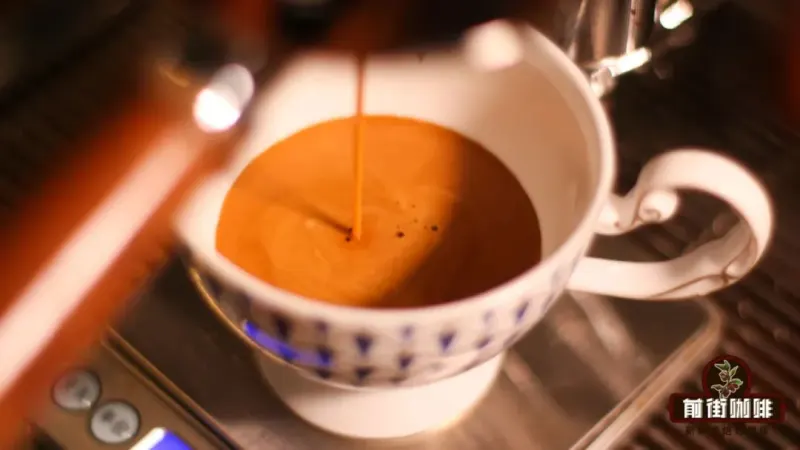
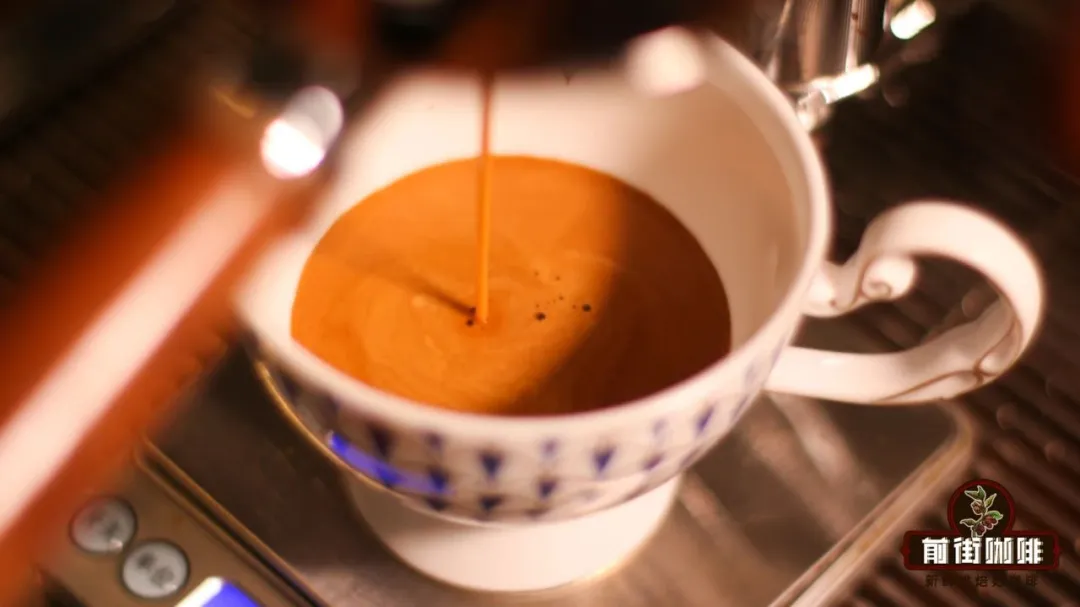
Many people have encountered clumpy crema: when espresso is first extracted, the crema is thick, but before long it starts clumping, hardening, and becoming very poor in flow, seriously hindering latte art. The main reason for this phenomenon is that the coffee beans are too fresh.
As everyone knows, overly fresh coffee beans contain a large amount of carbon dioxide inside, which makes the extracted espresso crema appear exceptionally thick. But this kind of crema has a rough texture because it's formed from countless tiny bubbles stacked together—the bubbles are filled with carbon dioxide and also composed of lipids from the coffee beans. The amount of coffee lipids is fixed: the more carbon dioxide, the more bubbles, and the less lipid wrapping each bubble. Thus bubbles rupture faster, and the crema hardens due to the collapse of large numbers of bubbles—what's called clumping—which then affects latte art.
The solution is simple: let the coffee beans rest for a period, wait for some carbon dioxide to be released before extracting, and the resulting crema will be fine and less prone to clumping. At the same time, as carbon dioxide decreases, the coffee's flavor becomes richer—killing two birds with one stone.
Common Problem 9: Does "tiger striping" on espresso mean over-extraction?
Sometimes extracted espresso crema shows obvious black streaks, looking like tiger stripes. Many people take this "skin" as a sign of over-extraction, because it usually only appears during long extractions.
Actually, tiger stripes are not an exclusive feature of over-extraction, because they're not burnt coffee crema—they're coffee grounds that were already in the portafilter basket. The portafilter basket of an espresso machine is itself a filtering tool, just with less precision than filter paper, so certain substances besides coffee liquid can also pass through the basket's holes and be pressed out—such as coffee oils and coffee fines. The black streaks on the crema surface are coffee grounds pressed out from the basket that, being small and light, float on the crema surface.
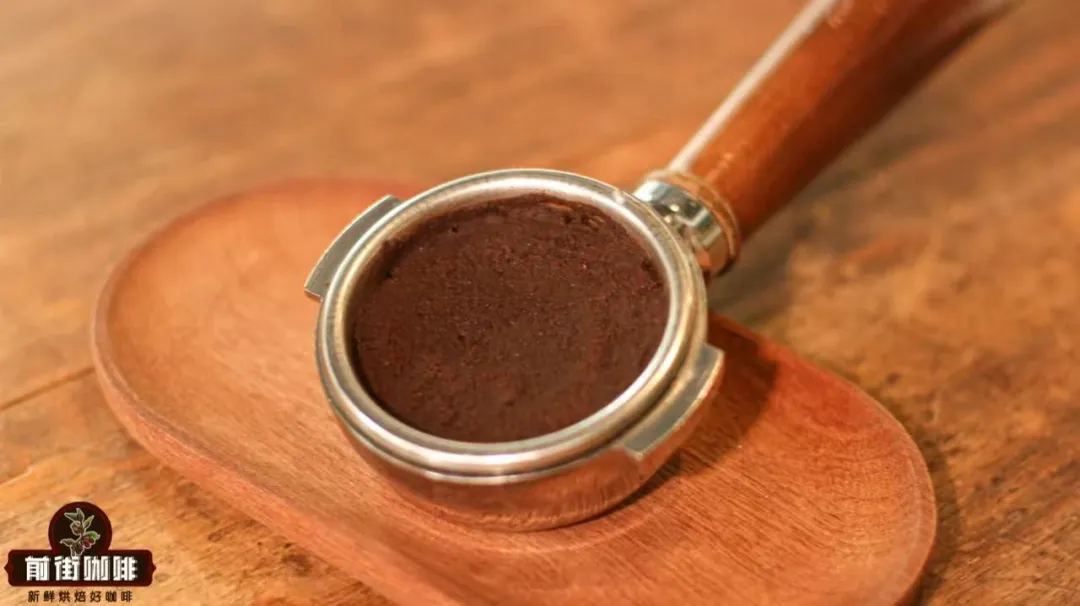
Typically, extracted espresso won't have obvious streaks, meaning there aren't many fines. Tiger stripes appear mainly for two reasons: first, grinding too fine. The finer the grind, the more fines produced, and at the same time puck resistance increases and extraction time lengthens, making it easier for more fines to be pressed out through the basket. Second, over-shaking during distribution, causing extremely fine particles to sink to the bottom of the basket and be easily carried out during extraction. Fines have pros and cons: the benefit is they can enhance the coffee's body and intensity; the downside is they mainly increase bitterness concentration, and when there are too many fines, the bitterness becomes especially pronounced, making it taste like over-extraction.
That's all for this round of common espresso extraction problems. If you have other questions, feel free to leave a comment, and Front Street will open a new topic next time to share with everyone.
- END -
The above content is compiled by CoffeeHunters, a coffee news website.


