







How Do Coffee Particles Behave in Low-Temperature Cold Brew?
In low-temperature cold brew, a coarser grind can actually yield a higher TDS than a fine grind. Comparative experiments by Front Street found that grinding finer does not increase strength the way it does in high-temperature pour-over. Because the water is cold and static, fine particles compact together and restrict flow, while coarser particles let water move through the bed and dissolve more solids.
The classic rule that a finer grind extracts more holds when the coffee bed is hot or agitated. Cold brew is a static, low-temperature method, so particle movement and water contact differ. Bean choice matters too: floral lots like Huakui and Guodingding suit beginners, while honey-processed or anaerobically fermented beans such as Strawberry Candy and Mozart give fruit-wine character.
Cold brew coffee is extracted in a low-temperature static environment. Many people habitually assume that grinding the coffee finer will increase its strength, but is that actually true? Through comparative experiments, Front Street found that coarse grinding actually yields a higher TDS value in cold brew. This article starts from the underlying logic of water temperature and particle movement to explain why the "finer grind equals stronger brew" theory that applies to high-temperature pour-over does not hold for cold brew. It also offers coffee bean recommendations suitable for cold brew, suggested coffee-to-water ratios, and considerations for grind selection with beans of different roast levels, helping you make a specialty cold brew with just the right strength and an aroma that isn't masked by added ingredients.
Before putting pen to paper, Front Street deliberately posed a question to several coffee professionals and enthusiasts: assuming the water, beans, coffee dose, container, and steeping time all remain identical, what would you do to make cold brew coffee extract at a higher strength? As expected, the respondents answered almost in unison—just grind finer.
This intuition is not without basis. Ever since we started brewing coffee, the classic theory we've repeatedly absorbed is: the finer the grind, the more substances dissolve out, and the stronger the taste naturally becomes; conversely, the coarser the grind, the weaker the taste. However, this rule carries a hidden precondition—it applies to high-temperature extraction, or scenarios where the coffee bed is in a state of agitation. Cold brew coffee takes the low-temperature static extraction path, and this logic does not work here. Why is that?
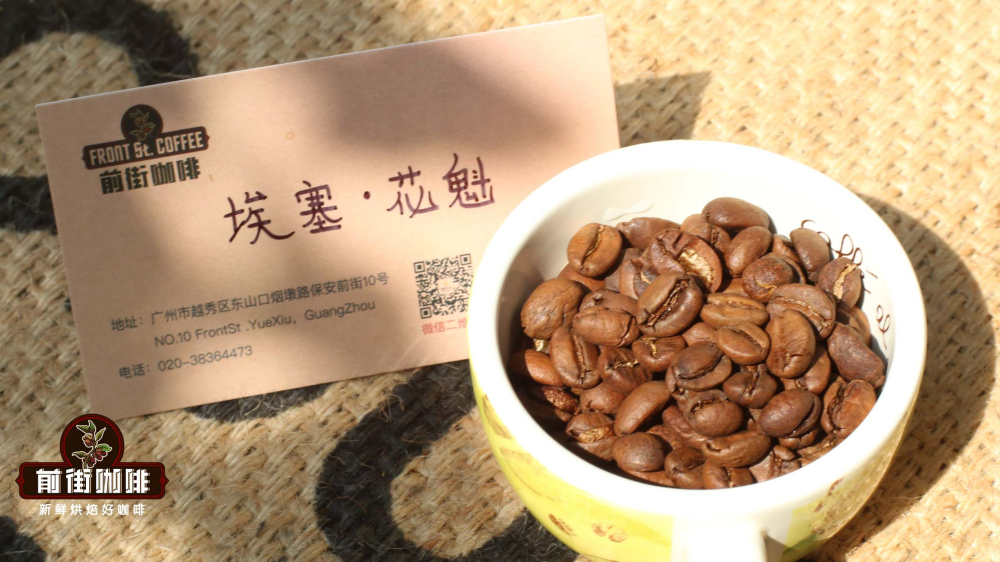
What beans are more suitable for cold brew? Generally speaking, as long as you choose the right beans, cold brew output will rarely disappoint; just pick according to personal taste preference and budget. For beginners just starting out, Front Street Huakui and Front Street Guodingding are two beans with excellent value for money—you can experience abundant floral notes without spending much;
If you're after an iced coffee experience reminiscent of fruit wine, you can prioritize Front Street Strawberry Candy, Front Street Blackberry, and Front Street Mozart. These beans are either honey-processed or use anaerobic fermentation, carrying rich tropical fruit aromas of their own; after long low-temperature steeping, the final cup tastes much like wine;
Of course, those who aren't fond of acidity also have options, such as the full-bodied, richly aromatic Front Street PWN Golden Mandheling, and the balanced, nutty Front Street Queen's Estate.
How Water Temperature and Particle Movement Affect Extraction
The higher the water temperature, the greater the kinetic energy heat imparts to molecules. When the force of molecular thermal motion is enough to overcome the attractive forces between solid molecules, the solid molecules gradually disperse. At the same time, thermal motion increases the collision frequency between water molecules and the surface of coffee particles. Therefore, under high-temperature conditions, grinding coffee finer accelerates the dissolution rate of solid substances and increases the amount dissolved.
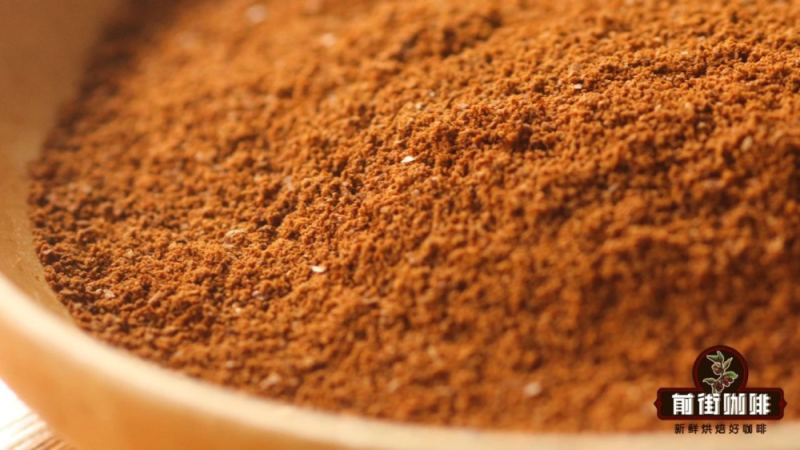
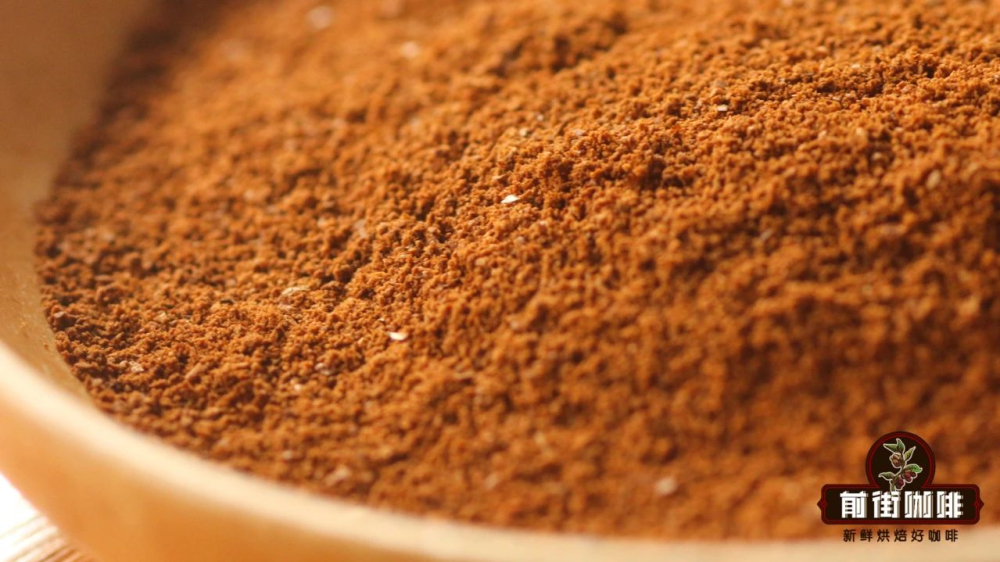
Conversely, when the water temperature drops to room temperature or even near zero, molecular motion weakens dramatically or nearly stalls. Without thermal motion to counteract the attractive forces between solid molecules, coffee particles tend to clump together—what we commonly call caking. The finer the grind, the more severe the clumping, and the coffee grounds at the center of the clumps never contact water, so they naturally cannot be effectively extracted.
The situation with pour-over coffee is entirely different. High water temperature plus the impact force of the pouring stream keeps the coffee bed constantly tumbling, so extraction efficiency climbs rapidly. In this environment, if the grind is too fine, over-extraction easily occurs.
But the method for cold brew or cold steep is: add water, stir evenly, then put it in the refrigerator and let it sit for more than twelve hours, with the temperature staying low throughout. Even if you stir as evenly as possible, some particles will still participate in extraction in "clumped" form, which means that during the entire extraction process, a small portion of the coffee grounds is actually not effectively utilized.
Can Coarsening the Grind Really Increase Cold Brew's Extraction Yield?
Front Street specifically conducted a set of comparative experiments for this.
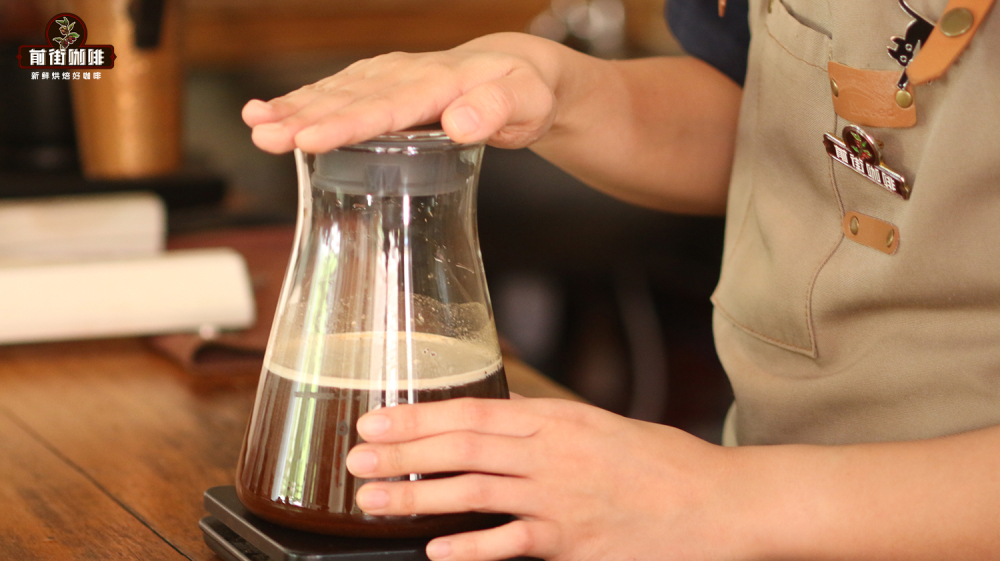
The experiment used coffee beans from the Front Street Guodingding Cooperative in Ethiopia's Yirgacheffe region, using the same container and room-temperature water of the same quality, steeping 30 grams of coffee grounds at a 1:10 coffee-to-water ratio. Two grind settings were used: one group at EK43s#9 (fine grind), the other at EK43s#10.5 (coarse grind), then both were placed together in the refrigerator's cold compartment for 16 hours of low-temperature steeping.
After steeping, the coffee liquid was filtered using a room-temperature dripper, dry filter paper, and a clean room-temperature container, then measured for strength with a TDS meter.
The final data showed: the cold brew liquid from the fine-ground Front Street Guodingding had a TDS of 2.10%, while the coarse-ground cold brew liquid had a TDS of 2.20%. In terms of flavor expression, the fine-ground cold brew presented bright citrus acidity, honey sweetness, and a faint tea-like quality; the coarse-ground cold brew had more prominent citrus acidity, with sweetness and tea notes also more distinct, drinking overall like a glass of unsweetened lemon tea.
The reason for doing this experiment was that quite a few friends asked Front Street: how can cold brew be made stronger for mixing specialty drinks, while not wanting other ingredients to overpower the coffee's own aroma and flavor. If you want the extracted cold brew to have just the right strength without dilution, Front Street's suggestion is to use a fine grind and extract at a coffee-to-water ratio of 1:13 to 1:15.
Although coarsening the grind can raise extraction yield and strength, it is not suitable for all beans or all cold brew methods.
Coffee beans roasted too light or too dark are not suited to using this method to boost extraction yield and strength, because it easily brings out sharp, harsh acidity or unpleasant bitterness.
There are also electric cold brew bottles on the market that can make cold brew quickly; their working principle is to continuously shake the filter basket up and down via a device, keeping the coffee bed in motion. In this case, a fine grind is actually more suitable for extraction.
- This experiment was conducted based on the conventional cold steep coffee method -
The above content is compiled by CoffeeHunters, a coffee news website.


