







How Does Cold Weather Affect Coffee Brewing?
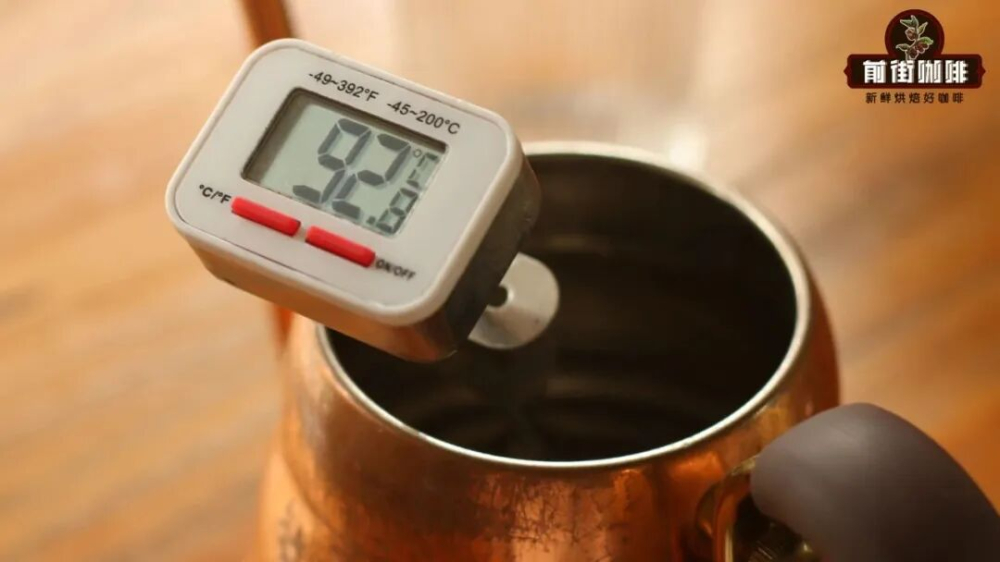
Winter pour-over coffee runs into three common problems: brewing water cools faster, the dripper and kettle lose heat, and dry air creates static that makes grounds clump and stick in the grinder. In one store test, 92°C water fell to 84°C after a two-minute brew in winter, compared with 88–89°C in summer, which can leave the cup tasting more sour or flat.
Raising the brewing temperature by about 2°C offsets the drop, so a Kenya lot normally brewed at 92°C goes to 94°C in winter. Preheating the kettle and dripper with hot water, pouring a larger volume than usual, and managing static during the coffee beans process help keep extraction steady when room temperatures are low.
In the cold winter months, the consistency of pour-over coffee often faces more challenges. Lower room temperatures cause water to lose heat faster, chilled equipment quietly alters the extraction rhythm, and static electricity from dry air makes coffee grounds clump and causes grinder retention issues. As Front Street Coffee, deeply engaged in the coffee field, we've combined in-store experience and customer feedback to identify the three most common situations encountered during winter brewing, and provide specific, actionable solutions—including how to adjust water temperature, how to keep equipment warm, and simple techniques for dealing with static clumps—to help you brew consistently good coffee even in the cold season.
The most troublesome thing in winter, for Front Street Coffee as longtime locals of Guangdong, besides agonizing over which clothes to wear, is occasionally running into the annoyance of "coffee tasting off." Finding the underlying cause and addressing it quickly becomes especially important.
Today, Front Street Coffee will draw on daily store operations and real customer feedback to discuss a few frequently encountered issues in winter pour-over coffee brewing.
1. Water temperature drops faster
Now that it's winter, the topic of water temperature is unavoidable. With low indoor temperatures, whether it's a kettle or a pour-over kettle, hot water loses heat much faster than in other seasons.
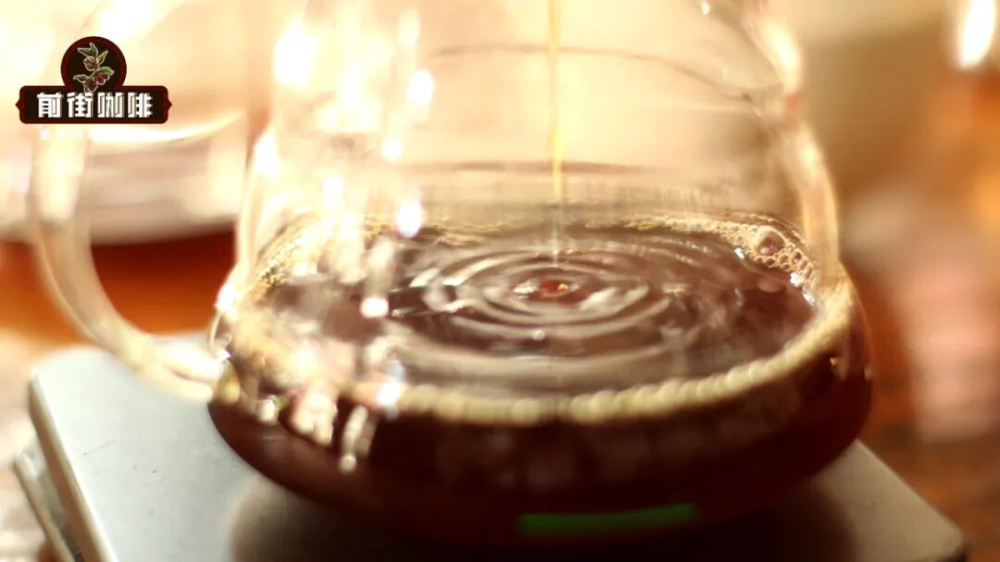
Front Street Coffee conducted an actual test: in summer, brewing a pot of coffee with 92°C water in 2 minutes left the remaining water in the kettle at 88–89°C; in winter, after the same 2-minute extraction, the remaining hot water in the kettle dropped from 92°C to 84°C. Not only does the water in the kettle lose heat faster, but the dripper, constantly exposed to air, also drops 1–3°C throughout the extraction process. This directly results in a lower actual extraction temperature in winter compared to summer, and the brewed coffee often tastes more sour or flat.
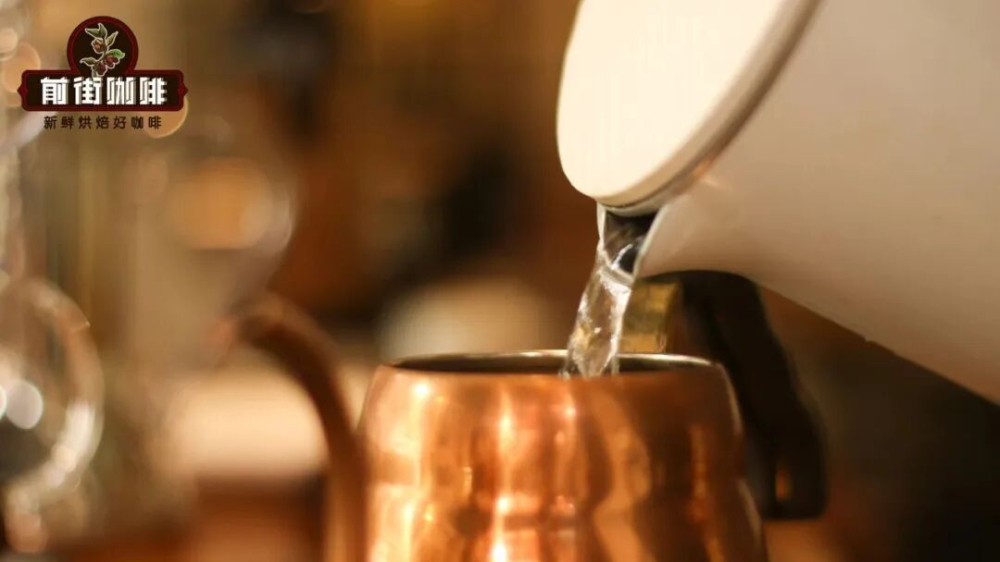
To address this, Front Street Coffee recommends raising the brewing temperature directly by 2°C. For example, if you normally brew Kenya Little Tomato at 92°C, in winter switch to 94°C to offset the effects of the cold room temperature. If you're not using a temperature-controlled kettle, remember to first pour out the cold water, then preheat with a small amount of boiling water, and only then add your brewing water and start measuring the temperature. It's best to pour more water than usual so the temperature drops more slowly.
2. Some tips for heat retention
In fact, low winter room temperatures not only make brewing water cool faster, but various extraction vessels placed in a cold environment are basically ice-cold, so extraction performance naturally differs from other seasons. Front Street Coffee shares a few heat-retention tips here for your reference.
Compared to resin materials, ceramic, glass, and metal drippers have stronger heat absorption capacity, drawing more heat from the hot water to raise their own temperature. If you also use this type of dripper, Front Street Coffee recommends using at least 50g of hot water to wet the filter paper—this reduces the dripper's theft of coffee heat and also preheats the server at the same time.
A pour-over kettle differs from other kettles in that it has a "long thin neck" that normally stays at room temperature. During blooming, hot water passing through the neck loses some heat, so the actual extraction temperature may well be lower than the preset value. To minimize this, you can first pour out a little water from the pour-over kettle to preheat the spout, then begin pouring in earnest.
Although pouring technique is one of the most variable parameters, one thing is clear: the higher the stream is pulled, the larger the contact area with air, and the lower the water temperature when it hits the coffee bed, easily causing under-extraction. So in winter, you can lower your pouring height as appropriate. For example, Front Street Coffee's usual pouring height is 4–5cm with a slow, gentle circular motion; in winter, switch to a height of 2–3cm and pour in a slightly faster circular motion.
3. Coffee ground static electricity problems stand out
We all learned in school that friction generates static electricity, and static is especially frequent in dry environments—coffee grounds are no exception. Every winter, Front Street Coffee crackles with static, a "signal" sent by winter that also reminds us to watch out for two coffee-ground-related issues: clumping and grinder retention.
When grinding coffee beans, you can observe that heavier particles fall directly into the grounds bin, while lighter coffee grounds tend to cling to the edges of the grinder. In warm seasons with humid air, fine particles fall along with the larger particles; in dry winter, static causes a large amount of fine particles to be "swallowed" by the grinder, so you end up with less coffee grounds. The solution is to buy a dedicated coffee bellows or keep a clean brush handy to sweep off the coffee grounds stuck to the inner walls.
Also affected by static, the finer the coffee is ground, the more easily the particles attract each other and clump tightly together, forming lumps of various sizes. Such clumps will obviously lead to uneven extraction during brewing.
Actually, there's no need to worry too much when this happens—just use a toothpick or a needle-type distribution tool to break up the clumps.
The above content is compiled by CoffeeHunters, a coffee news website.


