







Why do coarser coffee particles extract better in cold brew?
For cold brew, a coarse grind usually performs better than a fine one. In a low-temperature static extraction, fine particles pack together and slow the water's movement, while coarse particles leave channels open. In tests with the same Yirgacheffe beans, ratio, and steeping time, the coarse batch showed slightly higher TDS and tasted brighter and sweeter.
The reason lies in water temperature and particle movement. Heat drives molecular motion, so near-boiling water dissolves fine coffee fast. At room temperature or colder, that force is weak, and the finer grind mainly compacts the bed. Coffee particles in a settled bed therefore release flavor more evenly when they are coarse, which is why cold brew recipes call for a grind closer to sea salt.
When making cold brew coffee, should the grind size be coarse or fine? Many enthusiasts habitually assume that a finer grind will increase concentration, but in a low-temperature static extraction environment, this logic doesn't necessarily hold. Front Street conducted actual experiments using the same Yirgacheffe beans, the same coffee-to-water ratio, and the same steeping time, making cold brew with fine and coarse grinds respectively, then tested the concentration and tasted the flavor differences. The results showed that the coarse grind actually had a slightly higher TDS, and its flavor was brighter and sweeter. This article will explain this phenomenon from the perspective of water temperature and particle movement, and provide grind size recommendations and applicable conditions for making cold brew coffee, helping you make a cup of cold brew with both excellent concentration and flavor.
Before formally putting pen to paper, Front Street asked several coffee industry professionals and seasoned enthusiasts a question: "If you used exactly the same water, beans, coffee dose, container, and steeping time to make cold brew, how would you increase the extraction concentration of the coffee liquid?" As expected, everyone's answer was almost identical: "Just adjust the grind finer."
This intuition is not without basis. Since we first came into contact with coffee brewing, the principle we have repeatedly received is: the finer the grind, the stronger the taste; the coarser the grind, the weaker the taste. However, this rule holds only under certain conditions—it applies to high-temperature extraction or situations where the coffee bed is in a state of agitation. Cold brew coffee belongs to low-temperature static extraction, and the above theory does not apply here. Why?
How water temperature and particle movement affect extraction
The higher the water temperature, the more intense the thermal motion of molecules, and heat accelerates molecular movement. When the force of thermal motion exceeds the attractive forces between solid molecules, the solid molecules disperse. At the same time, thermal motion increases the frequency of contact between water molecules and the surface of coffee particles, so the finer the grind, the faster and more completely the solid molecules dissolve.

But when the water temperature drops to room temperature or even close to zero, molecular movement is greatly weakened or even nearly stops. Without the contest between thermal motion and the attractive forces of solid molecules, coffee particles instead "clump" together—that is, they form clumps. The finer the grind, the more severe the clumping, and the coffee grounds at the center of the clumps cannot be fully extracted at all.
The situation with pour-over coffee is different. High water temperature combined with the impact force of the water stream during pouring keeps the coffee bed continuously tumbling, so extraction efficiency naturally rises rapidly. Under these conditions, if the grind is too fine, over-extraction easily occurs.
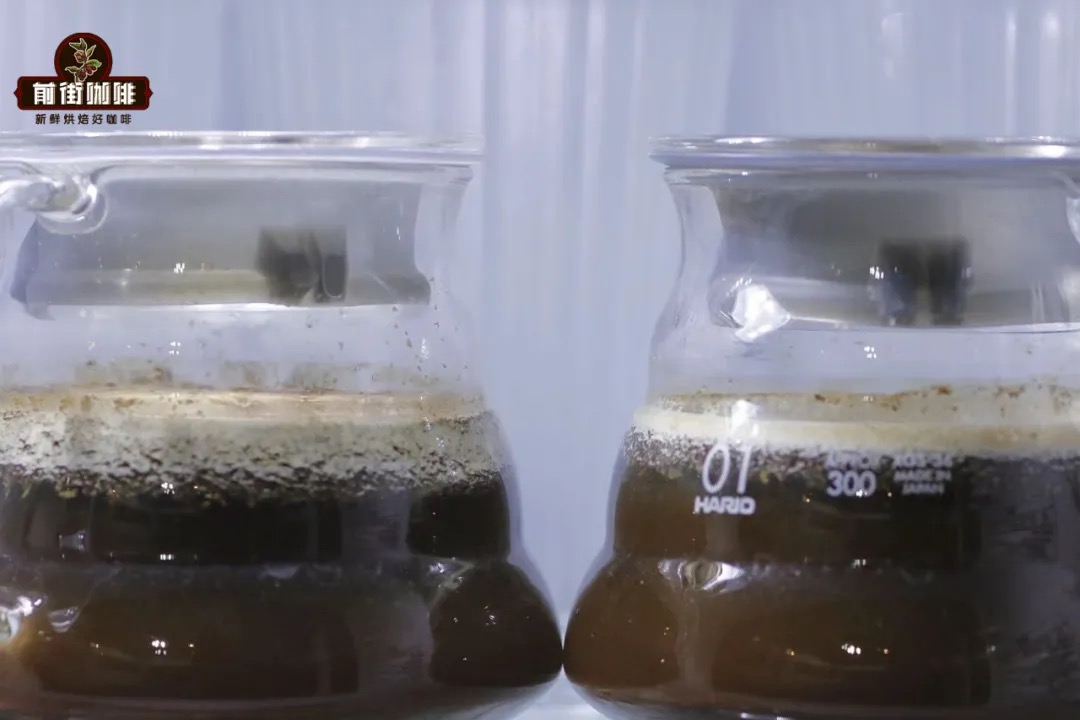
The method for cold brew or cold steep coffee is to add water, stir evenly, then place it in the refrigerator to steep for more than 12 hours, maintaining low temperature throughout. Even if stirred very evenly, some particles remain in a "clumped" extraction state, which means that during the entire extraction process, a small amount of coffee grounds is not effectively extracted.
Can adjusting the grind coarser really improve cold brew extraction yield?
Front Street conducted a small experiment to verify this.
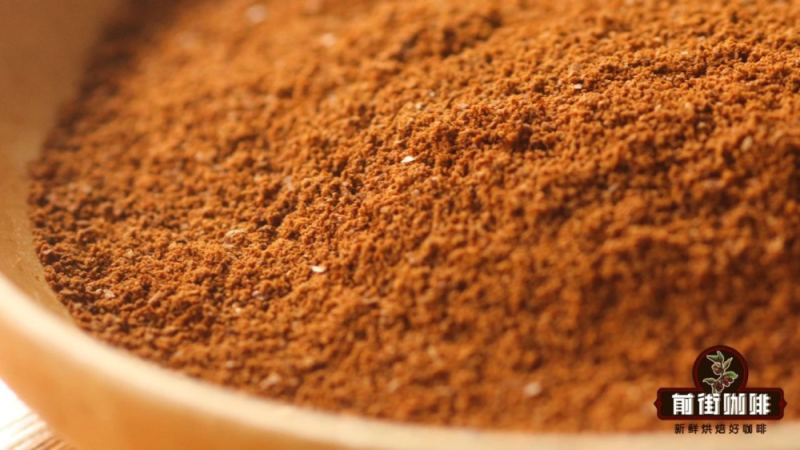
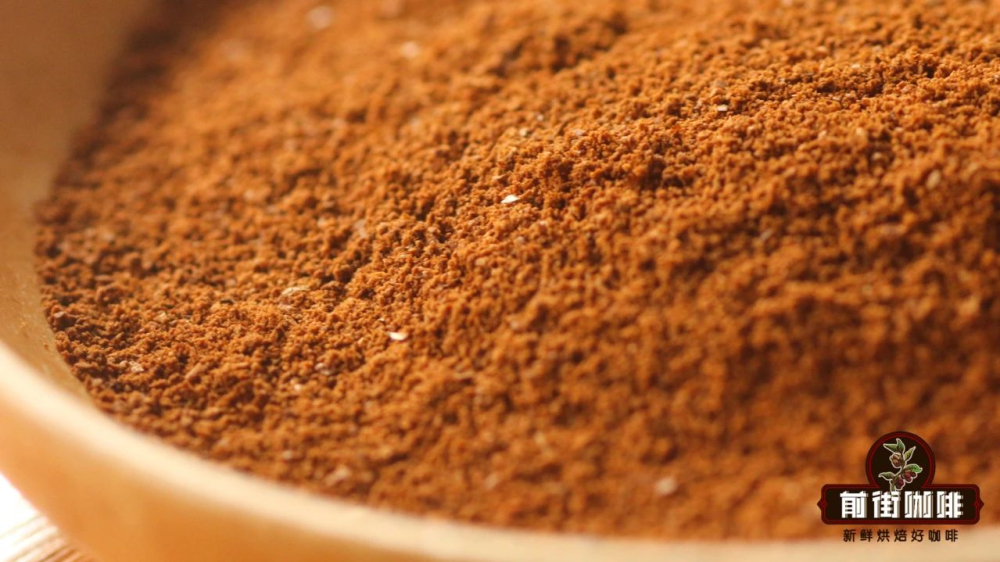
For this cold brew, we selected Front Street Yirgacheffe Gedeb Guddina Cooperative coffee beans from Ethiopia, using the same container and room-temperature water of the same quality, steeping 30g of coffee grounds at a 1:10 coffee-to-water ratio. One grind setting was EK43s#9 (fine grind), and the other was EK43s#10.5 (coarse grind), after which both were placed uniformly in the refrigerator to steep at low temperature for 16 hours.
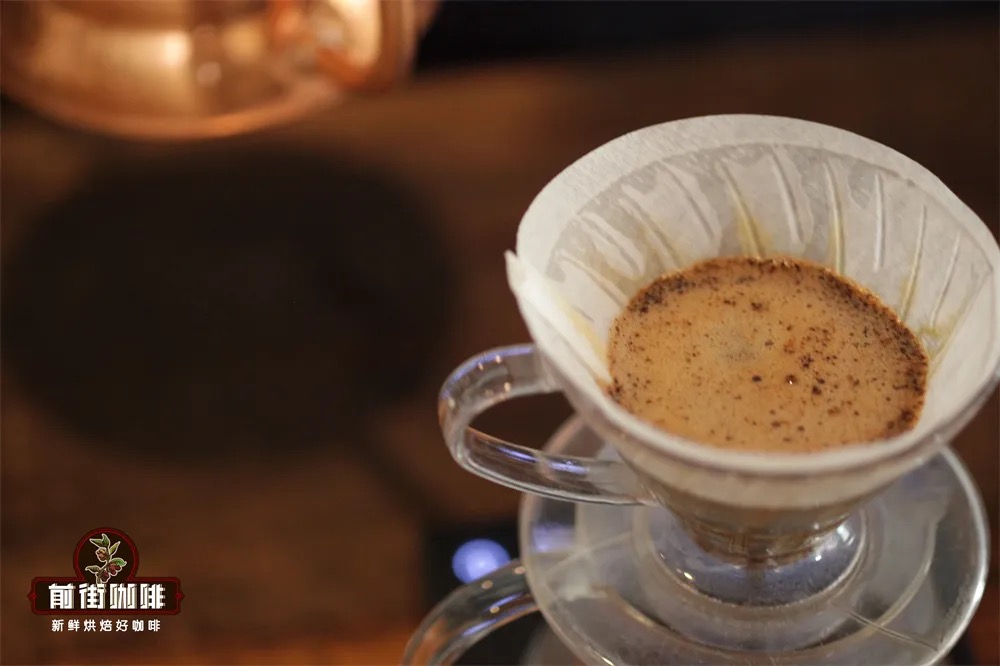
After extraction was completed, the coffee liquid was filtered using a room-temperature dripper, dry filter paper, and a clean room-temperature container, and then the concentration was measured with a TDS meter. The final data was: the TDS of the fine-grind cold brew was 2.10%, and the TDS of the coarse-grind cold brew was 2.20%. In terms of tasting, the fine-grind cold brew presented bright citrus acidity, honey, and a faint tea note; the coarse-grind cold brew had even brighter citrus acidity, with sweetness and tea notes also more prominent, overall like a cup of unsweetened lemon tea.
The reason for this experiment was that quite a few friends asked Front Street how to brew cold brew coffee more concentrated in order to make specialty drinks, while also not wanting other ingredients to overly mask the coffee's own aroma and flavor. If you want the extracted cold brew coffee to reach a suitable concentration without dilution, Front Street recommends using a fine grind and extracting at a coffee-to-water ratio of 1:13 to 1:15.
Although adjusting the grind coarser can improve extraction yield and concentration, not all coffee beans or cold brew methods are suitable for doing so. Coffee beans that are roasted too light or too dark are not suitable for improving extraction yield and concentration this way, otherwise sharp acidity or unpleasant bitterness easily develops.
There are electric cold brew bottles on the market that can quickly make cold brew coffee, and their principle is to continuously move the filter mesh up and down through a device, setting the coffee bed in motion. In this case, it is more suitable to use a fine grind for extraction.
- This experiment was conducted based on the common cold brew coffee method -
The above content is compiled by CoffeeHunters, a coffee news website.


