







Search Results for: stirring

An In-Depth Analysis of Pour-Over Coffee Stirring Techniques: From Champion Methods to Extraction Effects
In the process of pour-over coffee, the action of stirring the coffee bed has attracted increasing attention from enthusiasts in recent years. Some hope to enhance the sweetness and flavor layers of coffee through stirring, while others remain skeptical of its effects. This article, from the perspective of Front Street, reviews the origins and representative figures of stirring techniques, analyzes the different roles of stirring during the blooming stage and the main extraction stage, and, combined with practical comparative experiments, explores the impact of stirring on extraction results, as well as issues that need attention such as fine particle clogging and bean quality, helping coffee enthusiasts make a more rational judgment on whether to stir and how to stir. [more…]
Analyzing the Differences Between American-Style Pour-Over and Japanese-Style Pour-Over: Coffee-to-Water Ratio, Grind Size, and Chemex Iced Coffee Brewing Method
There are obvious differences between American-style pour-over and Japanese-style pour-over in technique, roast level, grind size, and water temperature. Among them, the unique stirring motion and relatively high water temperature of American-style pour-over bring out a rich and bitter flavor. This article analyzes in detail the process of making iced coffee with a Chemex, and further explores the four key extraction points: grind size, time, stirring, and temperature. At the same time, it compares through experiments the flavor differences among the direct pouring method, the standard blooming method, and the blooming-with-stirring method. The article also specifically recommends related products from Front Street Coffee, providing a practical reference for coffee lovers. [more…]

ChaPanda's hand-stir-fried brown sugar pearl fresh milk receives mixed reviews, with its freshly stir-fried craft and quality control challenges sparking heated discussion.
Tea Baidao recently launched a new product, "Hand-Stir-Fried Brown Sugar Pearl Fresh Milk," and footage of store employees tossing and stir-frying pearls in the back kitchen sparked attention on social media. This new item, which involves stir-frying brown sugar syrup and pearls on site, has been regarded by some milk tea fans as the "top-tier among pearls," attracting many people to place orders and try it as soon as possible. However, the first wave of consumer reviews showed clear polarization: some were won over by the soft, chewy, caramelized texture, while others bluntly said the pearls tasted as if they had been soaked for too long, with some even detecting a disinfectant-like taste. The controversy centers on the quality of the semi-finished pearls, unstable quality control caused by differences in operations across stores, and whether the on-site stir-frying format can truly improve the experience. This article compiles feedback from multiple sources, explores the craftsmanship and quality control challenges behind this cup of freshly stir-fried pearl milk tea, and includes related recommendations from Front Street Coffee. [more…]
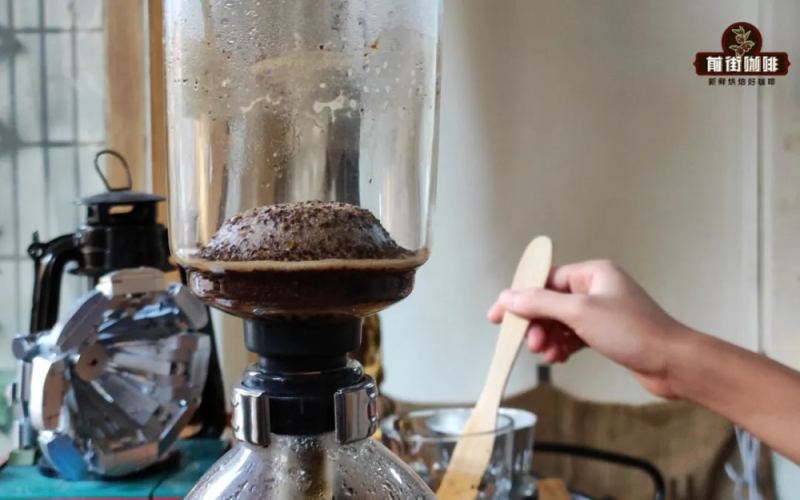
Analysis of the Causes of the Final Small Hill in Siphon Coffee: A Comprehensive Explanation of Stirring Techniques and Common Misconceptions
When brewing siphon coffee, after turning off the heat, stir with a stirring rod in one direction; as the coffee liquid flows back down into the lower chamber, the grounds layer in the upper chamber often rises into a rounded "little hill." Many people regard this action as an essential finishing move in siphon brewing, and some even say, "the taller the hill, the better the taste." Front Street Coffee will break down this phenomenon from the level of principle: what exactly is the purpose of stirring in one direction? How does the little hill form? And what factors affect its height? It will also explain that the presence or absence of the hill is not a criterion for judging whether coffee tastes good. It is essentially just one of many siphon techniques, and understanding the logic behind it is more important than blindly imitating it. [more…]

How should you drink espresso to get it just right? A full breakdown of when to stir and when to take big sips
When a cup of coffee is placed in front of you, should you stir it or just take a big gulp? There is no uniform answer to this question—the key lies in the drink's own design intent. In this article, Front Street Coffee sorts out two categories of drinking methods: espresso, iced latte, flavored coffee, and the like need to be stirred before drinking because of their layers, otherwise they will either taste thin, or one sip will be all syrup; while Dirty, Con Panna, hot latte, cappuccino, and espresso-derived small-cup products emphasize not stirring and taking a big mouthful, so that you can simultaneously experience the double contrast between espresso and milk in temperature and flavor, or take in the milk foam and cream along with it. The article also explains the principle behind how the layers form, and the aromatic and sweet lingering aftertaste brought by the retronasal breath after swallowing a big mouthful. Finally, Front Street also reminds us that there is no fixed rule for how to drink—just follow your own preference. [more…]
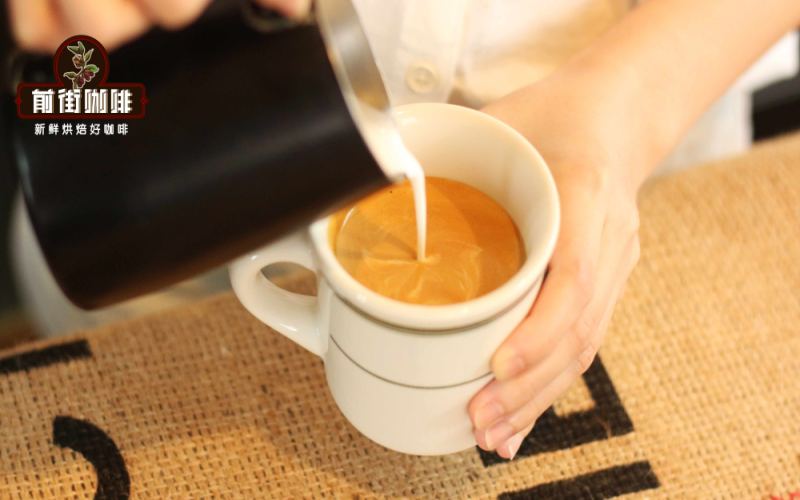
How Is Stirred Integration Different from Pre-Integration? An Analysis of Two Integration Techniques Every Latte Art Enthusiast Must Know
Before creating latte art, there is an often-overlooked yet crucial preparatory step—incorporation. The quality of incorporation directly determines whether the latte art pattern is neat and beautiful, as well as whether the flavor is balanced and unified when the coffee is tasted. For milk coffees that require milk foam, mastering the correct incorporation method can greatly reduce the difficulty of operation. This article will focus on two mainstream incorporation techniques: the classic stirring incorporation, and the recently emerging pre-incorporation. The former suits most scenarios but demands a high level of skill proficiency, while the latter can effectively handle tricky situations such as poor crema quality or latte art in takeaway cups. The article will also combine Front Street Coffee's espresso bean recommendations to explain the impact of coffee bean selection on incorporation and latte art, helping coffee enthusiasts flexibly choose the appropriate incorporation method based on actual conditions. [more…]
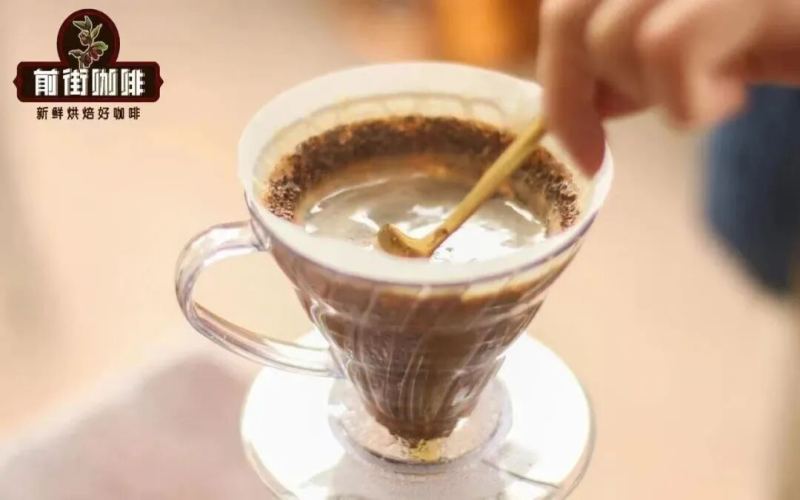
Iced Pour-Over Coffee | Can the Finest Grind and Highest Water Temperature Produce a High-Sweetness Iced Pour-Over? How to Make Iced Pour-Over Coffee with Kenyan Cherry Tomatoes
Regarding the making of iced pour-over, Front Street Coffee has already shared many different brewing methods. However, for beginners, it is still somewhat difficult to master most of these methods. This is because most iced pour-over methods require the use of ice cubes to achieve a rapid cooling effect, and we also need to make it by reducing the amount of water. [more…]
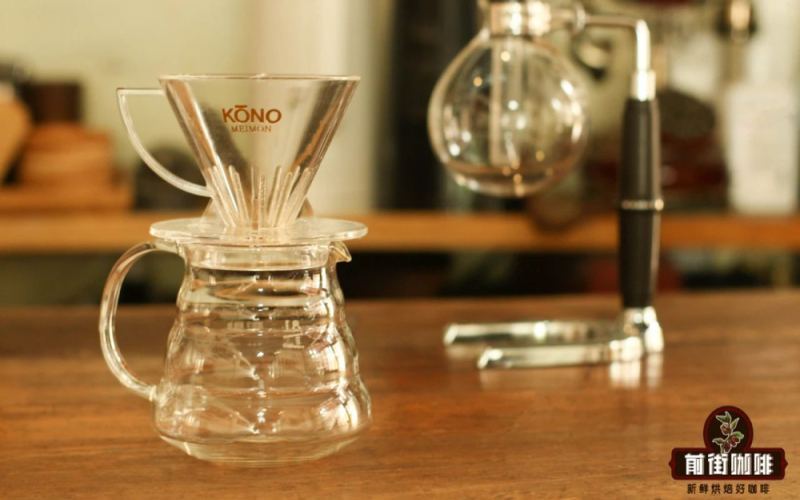
Siphon Brewing Comparison: How Stirring and Immersion Methods Affect Coffee Flavor and Extraction Rhythm
There is more than one way to extract with a siphon brewer. With the same set of equipment, switching your approach to stirring or steeping will steer the flavor in the cup in a different direction. This article starts from Front Street Coffee's brewing experiments, using the Costa Rica Canet Estate Mozart, a raisin honey-processed bean, to compare the stirring method and the steeping method. In the stirring method, a cross-shaped stir is performed 30 seconds after the coffee grounds contact the water to break the crust, the heat is removed at 56 seconds, and the total extraction time is 1 minute 8 seconds; in the steeping method, the coffee grounds are left to sit for 1 minute before the heat is removed, and the total extraction time is 1 minute 32 seconds. The two approaches each emphasize different aspects of aroma, mouthfeel, and sweet-tart expression, suiting different taste preferences. The article also covers the working principle of the siphon brewer, parameter suggestions, and key points for maintaining the cloth filter, helping coffee enthusiasts brew a cup of rich, full-bodied, aromatic coffee more consistently. [more…]
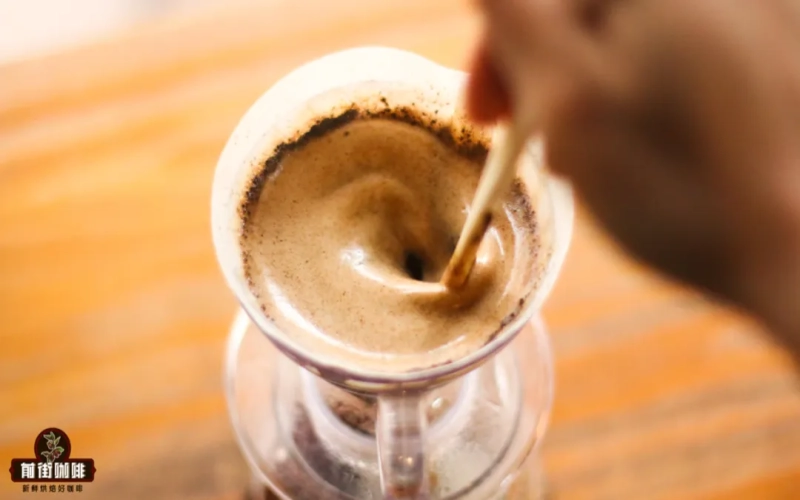
Pour-Over Coffee Stirring Method Iced Coffee Tutorial: Parameters, Steps, and Kenyan Coffee Bean Flavor Sharing
Why does the stirring method for brewing iced pour-over coffee bring out a richer flavor? This article will analyze the essential difference between the stirring method and conventional pouring from the perspective of extraction efficiency, and share in detail the complete parameters and steps for Front Street Coffee's iced pour-over made with Kenyan Little Tomato coffee beans, using a V60 dripper paired with the stirring method. If you are also interested in this fun brewing technique, why not follow along with this article and give it a try at home, experiencing the full-bodied juiciness and rich flavor that the stirring method brings. [more…]

Coffee Tasting | Espresso, Latte, Dirty Coffee — What's the Etiquette for Drinking Them? Why Do Some Coffees Need Stirring While Others Are Meant to Be Gulped?
Although you can drink coffee however you like, doing so can easily cause you to miss out on some of its distinctive flavors. The character of a coffee lies not only in its taste but also in the experience it brings when you drink it—just like a Dirty. If you stir it before drinking, it is almost no different from [more…]

What Grind Size Is Suitable for Siphon Coffee? A Complete Guide to Coffee-to-Water Ratio, Stirring Technique, and Brewing Time
The siphon is a coffee brewing device full of retro charm. Although it is no longer commonly seen in coffee shops today, a group of loyal enthusiasts still insist on using it to make coffee. This article will start with the structure and principle of the siphon, then introduce the choice between cloth filters and paper filters, a comparison of heat sources, recommended coffee beans, and how to judge the order of adding grounds, the grind setting, the coffee-to-water ratio, the stirring method, and when to turn off the heat. It also includes Front Street Coffee’s usual complete operating procedure to help beginners get started quickly and make a cup of siphon coffee with rich aroma and a full-bodied taste. [more…]
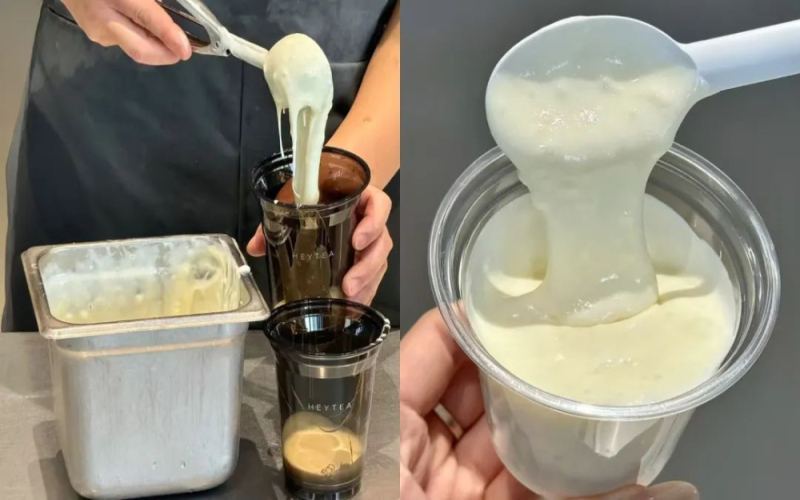
HEYTEA's New Topping "Cheese Nuonuo" Sparks Discussion: The Rice Paste Stretching Process Is So Complex That Staff Say Their Arms Ache from Stirring
New-style tea brand Heytea has recently launched a new product, "Longjing Cheese Nuonuo," across its stores nationwide, combining Longjing tea, cheese cloud top, and milk, along with a brand-new topping called "Cheese Nuonuo." However, this topping, made by mixing and whipping glutinous rice paste with the classic cheese, has sparked collective complaints from store employees due to its cumbersome production process, which requires continuous stirring for seven minutes and easily burns at the bottom, prompting them to exclaim that their "arms are about to break." This article reviews the highlights of the new product formula, the topping production process, and genuine feedback from frontline staff, taking you behind the scenes of the lesser-known preparation story of this "super filling" drink. [more…]
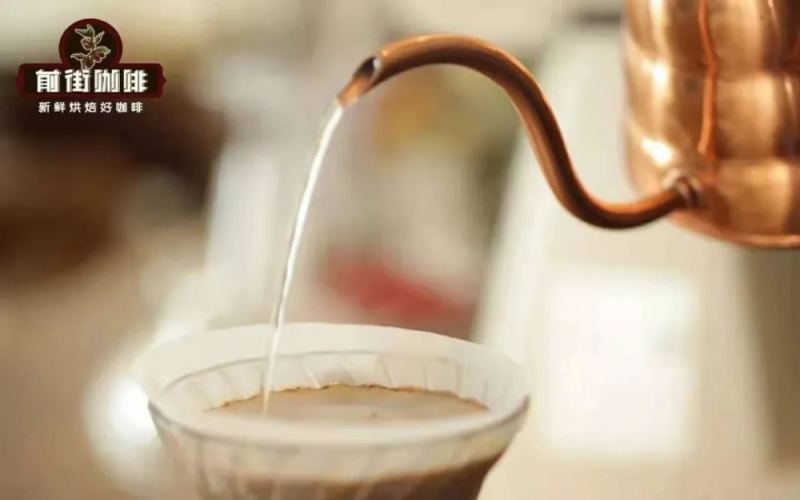
A Detailed Guide to Six Pour-Over Coffee Brewing Techniques: One-Pour, Three-Stage, 4:6 Method, Variable Temperature, Volcano Pour, and Stirring Method
The charm of pour-over coffee lies in the diversity of brewing methods, as different pouring techniques bring out entirely different flavor expressions. This article systematically sorts through six common pour-over techniques—single-pour, three-stage, 4:6 method, Santuario variable-temperature brewing, volcano pour, and stirring method—analyzing each one by one from the logic of pouring, parameter ratios to flavor characteristics, and explaining their respective applicable scenarios and operational difficulties. Using specific parameters such as 15g coffee to 225ml water and 20g coffee to 300ml water as examples, the article helps readers understand the extraction principles behind each technique. At the same time, it retains Front Street Coffee's practical experience with the three-stage method and grind adjustment for coffee enthusiasts to refer to and compare. [more…]
Jamaica Blue Mountain Coffee Siphon Brewing Guide: A Complete Parameter Breakdown from Coffee Dose and Water Temperature to Stirring Rhythm
Brewing Jamaican Blue Mountain coffee with a siphon looks full of ritual, but in reality every step hides variables that affect flavor. From the coffee dose and grind size to water temperature control and stirring technique, any deviation in any step can cause this top-tier coffee to lose the cleanliness and balance it should have. This article takes Front Street Jamaican Blue Mountain coffee as an example and fully breaks down the eleven operating steps of siphon extraction, explaining in detail the recommended amount per cup, grind fineness, lower chamber heating method, timing for inserting the upper chamber, the rhythmic differences between cross and spiral stirring, and how to use a wet cloth to cool things down so the coffee liquid can return smoothly. The article also particularly points out easily overlooked details such as the fit of the filter and the distance between the stirrer and the filter cloth, and gives an intuitive sign for judging successful extraction—whether the center of the coffee bed rises like a small hill. It is suitable as a reference for coffee lovers who want to consistently reproduce Blue Mountain flavor with a siphon. [more…]
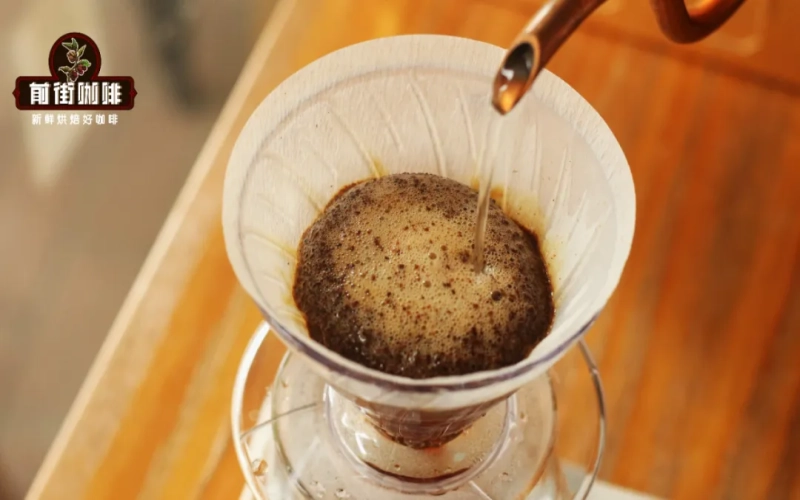
What are the advantages of the stirring blooming method in pour-over coffee? An in-depth analysis of the practical techniques of the Mad Barista stirring method
In the world of pour-over coffee, the agitation method is a more aggressive extraction technique than water-stream agitation. It acts directly on the coffee bed through a tool, accelerating the release of soluble flavor compounds. Front Street Coffee shared this method last year, but did not elaborate on the specific steps. This article will systematically sort out the three major application scenarios of the agitation method—the blooming stage, remedial action when extraction efficiency is insufficient, and its use when actively adjusting parameters—and provide an in-depth analysis of the key details to note when using agitation, such as grind size, agitation force, and number of agitations, helping coffee enthusiasts master this technique more precisely. [more…]
A Detailed Guide to Six Pour-Over Coffee Brewing Methods: Flavor Comparison of One-Pour, Three-Pour, 4:6 Method, Three-Temperature, Volcano Pour, and Stirring Method
The charm of pour-over coffee lies in the diversity of brewing methods; different pouring techniques directly affect the flavor expression and mouthfeel layers of the coffee. This article systematically sorts out six common pour-over techniques: the one-pour method, the three-stage method, the 4:6 method, the three-temperature brewing method, the volcano pour, and the stirring method. From the number of pouring stages, coffee-to-water ratio, extraction time, to grind adjustment, it analyzes one by one the principles and applicable scenarios behind each method, helping coffee enthusiasts understand the release order of sour, sweet, and bitter substances, and choose the most suitable brewing strategy according to the characteristics of the beans, so as to consistently brew a good cup of coffee that suits their own taste. [more…]
Should Cold Brew Coffee Be Filtered? A Detailed Guide to Cold Brew Equipment, Steps, and Practical Tips to Speed Up Filtration
When making cold brew coffee at home, the most frustrating step is filtering: the filter paper gets clogged by fine particles, the coffee liquid drips slower and slower, and anyone in a hurry to leave the house can only wait anxiously. Why is the filtration speed of cold brew so much slower than pour-over at the same grind size? Is there a way to get the grounds out in one step, or even skip filtering altogether? This article focuses on the filtration problems of cold brew coffee. It first explains the principle behind clogging caused by fine particles clumping together, then offers three practical solutions: cold brewing directly with a non-woven filter bag, stirring thoroughly after brewing before filtering, and first laying down a bed of coarse coffee grounds to catch the fine particles. The article also includes Front Street Coffee's comparative experiment data and grind size recommendations to help you make a cold brew coffee with full flavor and refreshing fruity acidity. [more…]

Australian Coffee Culture Explained: Why You Shouldn't Stir a Latte or Flat White, and What to Know When Ordering
In Australia, when a cup of milk coffee with latte art is served, if you stir it before drinking, you might attract puzzled looks from those around you—this is not making a fuss over a trivial matter, but rather an interesting detail in Australian coffee culture. This article starts with the experience of an American boyfriend in an Australian café, guiding you to understand why Australian coffee has developed its own style, from Flat White and Piccolo to SOE, from milk foam handling to customized ordering, and further to the pursuit of flavor by specialty brands like Front Street Coffee, helping you understand the differences in coffee-drinking habits across regions, and allowing you to be more at ease when ordering in a café. [more…]

Sharing the Five Major Pour-Over Coffee Techniques | Does the Pouring Technique Affect Coffee Extraction? Flavor Comparison and Differences of Pour-Over Coffee Using the Three-Stage Volcano Pour Stirring Method
Compared to other single-origin coffees, pour-over coffee has a great many brewing methods. For example: one-pour, three-stage, volcano pour, variable-temperature brewing, stirring, and so on. Today let's get to know some of the brewing methods that commonly appear in pour-over coffee~ 1. One-pour The one-pour method and the single-pour method are still [more…]
Analysis of Six Major Pour-Over Coffee Extraction Methods: Comparing the Characteristics of One-Pour, Three-Stage, 4:6 Method, Santai Warm, Volcano Pour, and Stirring Method
The charm of pour-over coffee lies in its ever-changing brewing methods, where different techniques bring out completely different flavor expressions. This article will systematically break down six common pour-over techniques—one-pour, three-stage, 4:6 method, three-temperature brewing, volcano pour, and agitation method—analyzing each one from water-pouring logic and parameter settings to flavor direction. Whether you're a beginner just getting into pour-over or an advanced player looking for a breakthrough, you'll find a key that suits you. At the same time, Front Street Coffee will also share its most commonly used three-stage brewing experience, helping you understand the underlying principles of flavor release, so you can draw inferences and apply them flexibly. [more…]