







Why Does Cold Brew Coffee Filtering Clog So Easily?
Cold brew filtering slows down because fine particles cluster together and block the filter paper, so the liquid drips more and more slowly even at the same grind size used for pour-over. Cold water immersion tolerates wide parameters, but those fines still settle into the paper. Three fixes work: brew directly in a non-woven filter bag, stir thoroughly before filtering, or lay a base of coarse grounds to catch the fines.
Stirring after brewing lifts particles off the paper before they pack down, and a coarse ground bed at the bottom intercepts fines before they reach the filter. Front Street's comparative tests and grind size recommendations back these steps, aimed at a cold brew with rich flavor and refreshing fruit acidity rather than a long wait while a pot refuses to finish dripping.
When making cold brew coffee at home, the most frustrating step is filtering: the filter paper gets clogged by fine particles, and the coffee liquid drips slower and slower, leaving those in a hurry to go out helplessly anxious. Why is the filtering speed of cold brew so much slower than pour-over at the same grind size? Is there a way to remove the grounds in one step, or even skip the filtering altogether? This article focuses on the filtering issues of cold brew coffee, first explaining the principle of fine particles clustering and causing clogs, then offering three practical solutions: using non-woven filter bags for direct cold brewing, stirring thoroughly after brewing before filtering, and first laying a base of coarse coffee grounds to intercept fine particles. It also includes Front Street's comparative experimental data and grind size recommendations to help you make cold brew coffee with rich flavor and refreshing fruit acidity.
For more specialty coffee knowledge, please follow our WeChat official account: Front Street Coffee (FrontStreet Coffee)
Cold brew is refreshing to drink, but filtering it can be a hassle that takes ages.
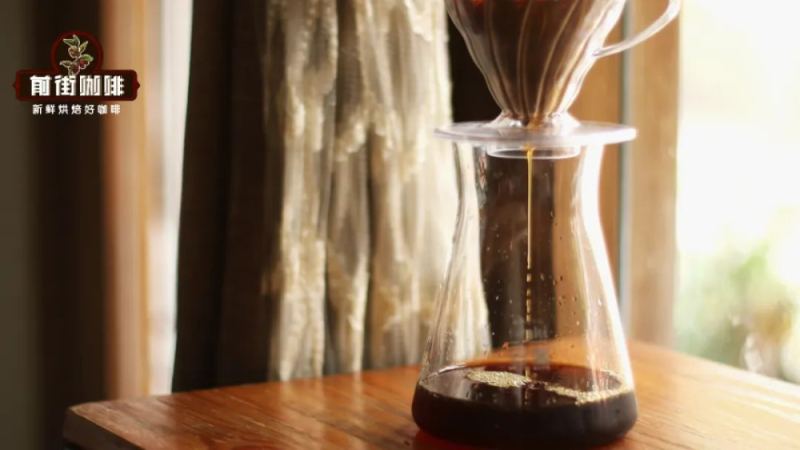
Friends who love making cold brew at home have probably all encountered this annoying situation: originally planning to save some effort by brewing it the night before and drinking it directly the next day, but when it comes to removing the grounds, the coffee liquid flows slower and slower. After more than ten minutes, a pot of cold brew still hasn't finished dripping. No need to guess—the filter paper is likely clogged with fine particles again... So what should be done?
The problem of slow cold brew filtering really drives many people crazy. Office workers in a hurry to leave watch themselves about to be late, but the liquid level refuses to go down. In the end, they can only dig out more filter papers and filter holders to take turns, barely managing to filter the whole pot of cold brew clean.
At the same grind size, why is the filtering speed of cold brew so much slower than pour-over?
Compared to the rigorous parameters required for high-temperature hot water extraction, cold water immersion is actually very tolerant. Under low-temperature static conditions, unless the grind size changes significantly, the coffee concentration will fluctuate noticeably; otherwise, slight differences in coarseness have an insignificant impact on the final flavor.
Generally speaking, for the coarseness of coffee grounds used in cold brew, Front Street recommends referring to the grind setting for pour-over, that is, a medium-fine degree (about 70-85% passing rate through a No. 20 sieve, 9-10.5 on an EK43s grinder, and about 20-22 on a C40 hand grinder).
Using such a coarseness for pour-over, the dripping time is usually easy to control. For example, with 15 grams of coffee grounds, a 1:15 coffee-to-water ratio, and three-stage pouring, the coffee can usually finish dripping within 2 minutes and 20 seconds. But with the same grind size in the cold brew filtering step, it takes far longer. Why is that?
I wonder if everyone remembers a comparative experiment Front Street did: using two different grind settings of coffee grounds for cold water immersion separately, with all other parameters kept the same, the final measured coffee concentration was actually lower for the finer grind group.
The reason is that the lighter fine particles absorb water first, then stick to each other and clump together. As a result, the extraction efficiency is reduced first, making the coffee taste weaker; when it comes to filtering out the grounds, the clumped fine particles block the filter paper pores first, so the flow naturally becomes slower and slower.
Is there any way to solve this?
1. Use non-woven filter bags for cold brewing
Making cold brew ultimately involves just a few steps: grinding coffee, adding water, stirring, sealing, refrigerating, and filtering out the grounds. If you want to wake up the next day and easily enjoy a cup of iced coffee without waiting, you need to skip the time-consuming filtering step. Based on Front Street's cold brew experience, using a non-woven filter bag to hold the coffee grounds for immersion is a good method.
Compared to waiting slowly for filtration after brewing, using a filter bag for cold brew is indeed much more convenient. Front Street conducted comparative experiments, and the coffee brewed with filter bags also had a full flavor profile, with even better fruit acidity than direct immersion. Note that the amount of powder for a single tea-bag-style immersion should not be too much, preferably within 30 grams, otherwise water cannot fully contact the internal particles, and the coffee will end up bland.
2. Can you skip stirring and directly filter the upper layer of coffee liquid?
Since the biggest culprit for slow cold brew filtering is fine particles, some might think: then before filtering, don't stir the grounds, just pour out the lighter-colored upper liquid—wouldn't that solve it? To verify this claim, Front Street brewed two more pots of coffee to see if "no stirring" really works.
Coffee beans: 25 grams Santa Vini Water: 250 grams room temperature water (Nongfu Spring) Grind size: EK43s grinder setting 9.5 Steeping time: 8 hours Before steeping: stir both After steeping: one pot stirred a few times then filtered / one pot not stirred, directly filtered
Comparing the two cold brews side by side, it's clear that the one not stirred and directly filtered is noticeably lighter than the stirred one, and the measured concentration results confirm this (stirred group: 2.07%, unstirred group: 1.75%).
Left is the stirred group, right is the unstirred group
In terms of taste, the unstirred Santa Vini cold brew has a flat aroma, a watery feel, and almost no coffee flavor; while the stirred and then filtered cup has a noticeably fuller mouthfeel, with the sweet and sour notes of passion fruit, grape, starfruit, and lemon, plus a rounded tea-like sensation. Drinking it with ice makes the refreshing fruit acidity more prominent. It's clear that to make cold brew flavor stand out, the "stirring" step cannot be skipped.
3. First lay coffee grounds at the bottom, then filter
This is a little trick Front Street found while searching for materials, from a netizen with rich cold brew experience. The principle is to use larger coffee grounds as a medium to intercept fine particles, keeping the filter paper pores open, so it naturally won't clog as badly.
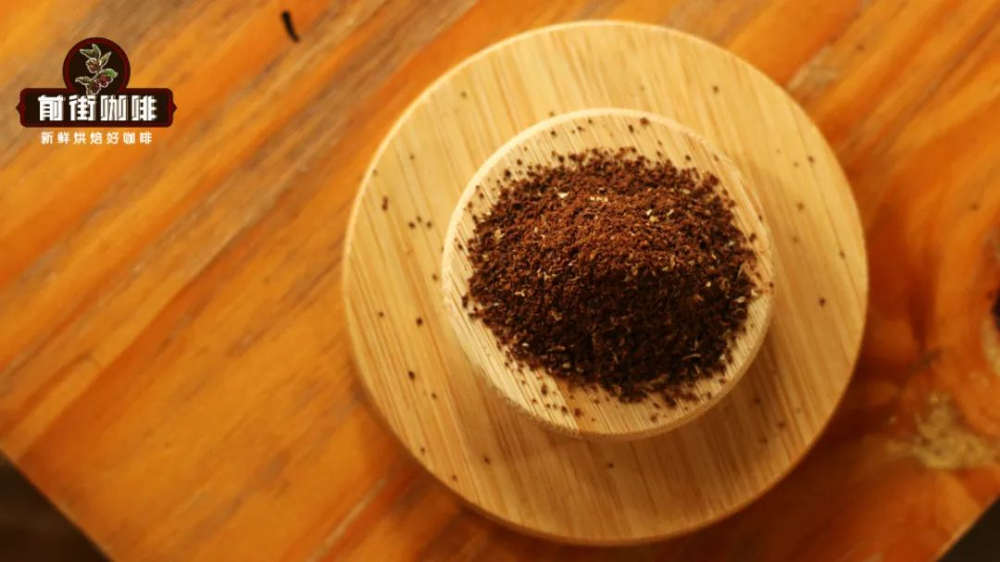
The steps are not complicated: after brewing the cold brew, stir it thoroughly, then let it sit for a moment until most of the grounds settle at the bottom, then pour the upper liquid into a clean container, exposing the coffee grounds at the bottom. Next, scoop out 2-3 spoons of grounds and spread a layer inside the filter paper, then pour all the liquid into the filter holder and wait for it to filter.
After trying it, Front Street found that this method is indeed much faster than directly pouring the coffee slurry to filter. A pot of cold brew with fine sugar grind size, about 250ml total, can be fully filtered in about one minute.
The above content is compiled by CoffeeHunters, a coffee news website.


