







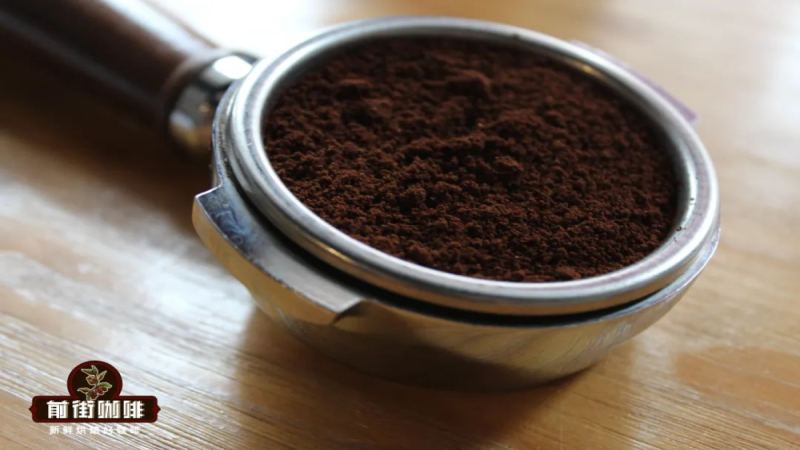
Breaking Coffee Clumps: What Is the WDT Distribution Method?
WDT, the Weiss Distribution Technique, is a stirring method that uses a fine needle to break up clumps in the espresso basket before tamping. John Weiss introduced it in 2005 after noticing severe clumping from a home grinder. Loosening the grounds makes the density of the coffee bed more even, which reduces channeling and gives a more consistent extraction.
Channeling happens when water takes the path of least resistance through an uneven puck, over-extracting some areas and under-extracting others, which usually shows up as bitterness. Grinding fine particles creates static, and static causes clumps. Stirring with a needle distributor, or breaking coffee grounds apart with a simple tool, addresses that before tamping. Whether a dedicated tool is worth buying depends on how often channeling appears.
When making espresso, the distribution step often determines the quality of the final product. Humid weather easily triggers channeling, and static-induced clumps make extraction unstable. To solve these problems, WDT (Weiss Distribution Technique) and needle distributors have emerged. This article will guide you through the origins and principles of WDT, explain the practical operation of needle distributors, and, combined with Front Street Coffee's comparative tests, discuss whether it is worth getting. Whether you are a barista pursuing consistent output or an enthusiast who loves experimenting at home, you can gain practical distribution insights from it.
Distribution is a basic skill every barista cannot avoid. Behind a perfect Espresso lie countless details, yet ruining a cup of coffee happens in an instant.
On rainy days, Front Street Coffee's espresso is especially prone to channeling in high-humidity conditions.
The extraction principle of Espresso is that high-pressure hot water passes through the coffee puck, bringing out soluble flavor compounds. Once the internal density of the puck is uneven, when water flows through areas of different resistance, it will choose the path of least resistance to "squeeze" through.
From Front Street's bottomless portafilter, you can clearly see the water spraying out, which is the most typical manifestation of channeling. After channeling occurs, the areas the water passes through are over-extracted, while the areas it bypasses are under-extracted, and the final Espresso usually has a prominent bitter taste.
Making espresso requires a relatively fine grind. During grinding, fine particles rub against each other and generate static electricity, which is what causes coffee grounds to clump together. Even if the puck surface is then leveled and tamped, during extraction the water will still "bypass" those compact clumps and flow through the looser areas.
To solve the trouble caused by static electricity in espresso preparation, the Weiss Distribution Technique (WDT) and needle distributors have taken the stage.
In 2005, John Weiss discovered severe clumping when using a home grinder, so he invented WDT. The specific method is to use a fine needle or similar tool to stir the coffee grounds in the basket, breaking up clumps and making the density distribution of the coffee bed more uniform.
Many early commercial grinders were equipped with anti-static screens to break up larger clumps, and the coffee grounds falling into the basket were already relatively uniform, so after WDT came out, it did not quickly become widespread among baristas.
As specialty coffee culture grew stronger, baristas continuously explored various methods of extracting Espresso. By measuring and analyzing the pressure and flow rate within the puck, they summarized many techniques for making extraction more stable, and WDT is one of them. Especially in coffee competitions, contestants use WDT quite frequently.
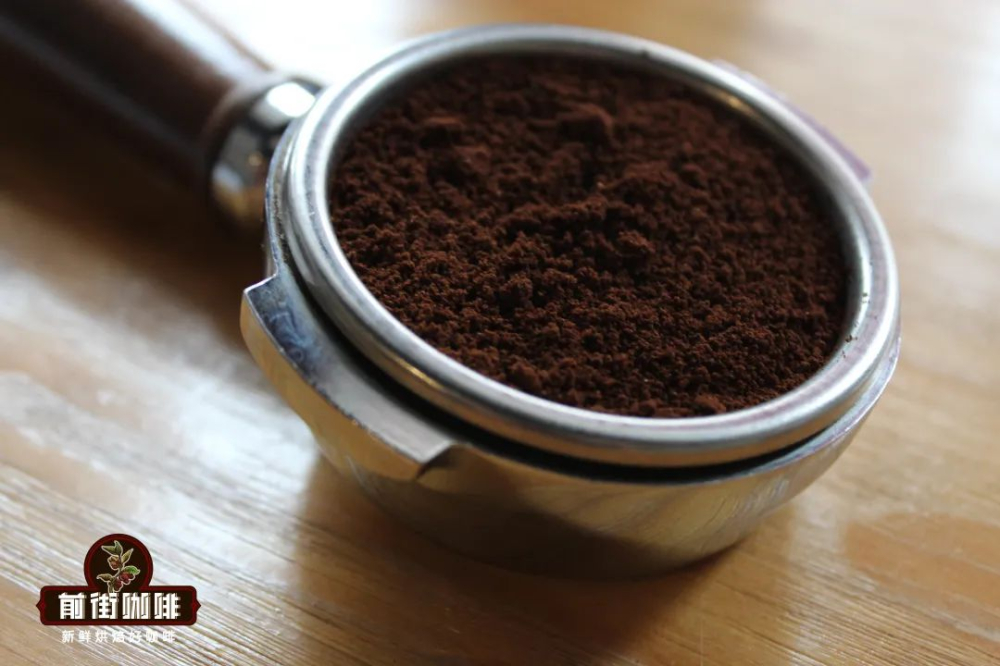
WDT tools generally use metal fine needles with a diameter of about 1 millimeter. For example, the one Front Street has is a simple and compact design.
Some distributors are larger and have more fine needles, and their appearance can even look as "exaggerated" as a porcupine.
During operation, simply use the portafilter with a dosing funnel to catch the coffee grounds, then use the needle structure to break up the coffee bed, thereby eliminating clumping and unevenness caused by static electricity, while also keeping the coffee surface from becoming too uneven. Because the contact area between the needles and the grounds is very small, this type of distributor hardly retains any grounds.
Front Street compared extraction before and after using a needle distributor and found that after using it, the puck extraction was stable, and the espresso stream remained steadily centered in the basket throughout.
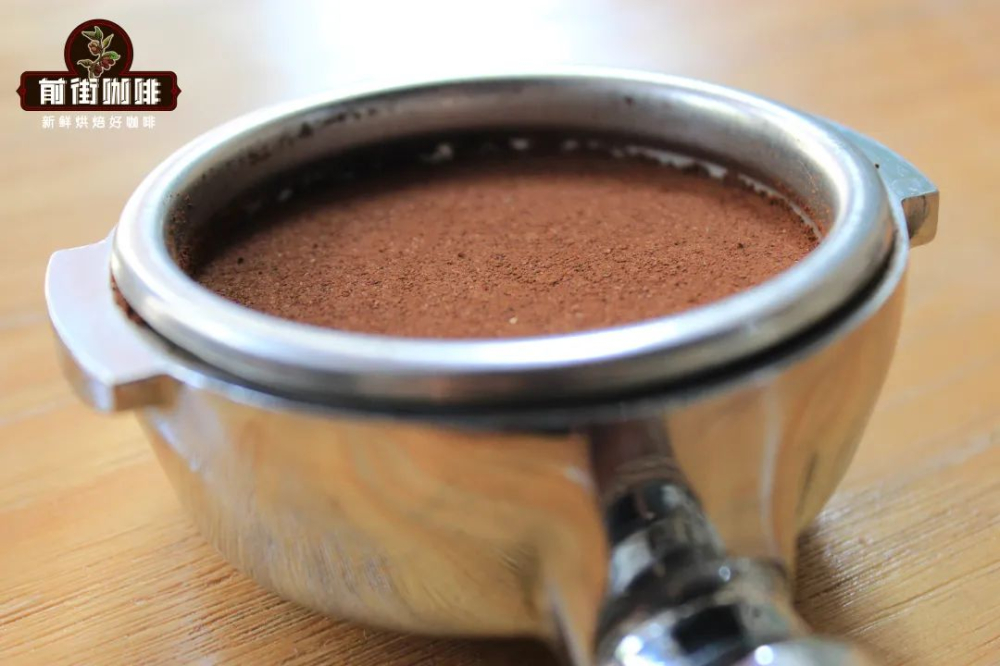
In the cup without it, during the middle and late stages of extraction, the espresso stream jumped and deviated from the center, and the liquid color also appeared less uniform.
Through operation, Front Street concluded that a needle distributor can break up coffee clumps, redistribute the coffee bed from top to bottom, and steadily improve the quality of the extracted Espresso. In addition, when stirring, the motion should be vertical and gentle to avoid spilling coffee grounds due to excessive force or causing uneven density in the coffee bed.
In the daily output of a coffee shop, speed and consistency are crucial, so fully promoting WDT tools still faces certain difficulties.
Adding a WDT step prolongs the preparation time for each espresso, which somewhat conflicts with the high efficiency that espresso itself pursues.
At present, coffee distribution tools in the coffee world are constantly emerging. I believe that in the near future, comprehensive distributors integrating WDT functions will appear, helping every barista get rid of the troubles caused by channeling.
For professional coffee knowledge exchange and more coffee bean information, please follow Coffee Workshop (WeChat public account cafe_style)
For more specialty coffee beans, please add the private WeChat of Front Street Coffee (FrontStreet Coffee), WeChat ID: qjcoffeex
The above content is compiled by CoffeeHunters, a coffee news website.


