







Why Do Coffee Particles Clump Together in Cold Brew?
Cold brew that tastes weak and thin is usually the result of grinding the coffee too fine, not too coarse. Fine coffee particles absorb water, stick together in clumps, and cut down contact between water and grounds, which lowers extraction efficiency. Three practical fixes are coarsening the grind, portioning the grounds into tea bags, and stirring the mixture periodically during steeping.
Making cold brew requires no professional equipment, which is part of its appeal to almost any coffee enthusiast. Combine ground coffee with room-temperature water in a sealable container, mix well, seal it, and refrigerate for 8 to 12 hours before straining out the grounds. Choosing beans suited to cold brewing and matching the right parameters also helps produce a rich, full-bodied cup with the sweetness and low acidity the method is known for.
Cold brew coffee is loved by many coffee enthusiasts for its high sweetness, low acidity, smooth mouthfeel, and low barrier to entry. However, many people who try making it at home find that the result tastes weak and thin, even when they grind the coffee finer. The root of the problem may actually be grinding too fine—the fine particles clump together after absorbing water, which in turn reduces extraction efficiency. This article will systematically analyze this counterintuitive phenomenon and offer three practical solutions: coarsening the grind, portioning the coffee grounds into tea bags, and stirring periodically during the steeping process. At the same time, Front Street will also share coffee bean selections suitable for cold brew and specific brewing parameters to help you easily make a rich, full-bodied cold brew at home.
Cold brew coffee is known for its high sweetness, low acidity, and mild bitterness, with a rich aroma on the palate, and the making process is quite simple. Even without any professional coffee equipment at home, you can easily make a delicious cold brew. For this reason, Front Street has always highly recommended making cold brew at home—it's easy to do, and the flavor doesn't suffer.
However, making cold brew coffee isn't entirely without its challenges. Front Street often receives feedback from friends saying that the cold brew they make at home tastes weak and thin, and even when they adjust the grind finer, the flavor still doesn't come through. They keep asking Front Street which step is going wrong.
In response to this situation, Front Street has actually explained it many times. The answer may sound a bit counterintuitive, but the reason your cold brew tastes weak is most likely that the coffee grounds are ground too fine.
When making pour-over or espresso, the finer the grind, the larger the total surface area of the coffee grounds, and the faster substances usually dissolve—and vice versa. But in cold brew coffee, sometimes too fine a grind can actually cause both extraction yield and concentration to drop, ultimately producing a cold brew that tastes thin and weak.
The reason this "counterintuitive phenomenon" occurs is mainly related to the extremely simple way cold brew coffee is made.
How simple is making cold brew? All you need is a sealable container, pour in the ground coffee and an appropriate amount of room-temperature water, mix well, seal it, refrigerate for 8 to 12 hours, then remove and strain out the coffee grounds, and your cold brew coffee is done. Pretty simple, right? No complicated steps and no need for expensive, fancy equipment—you can easily get a delicious cup of cold brew.
What coffee beans are best for cold brew? Generally speaking, as long as you choose good beans, the cold brew will taste fine, and you can buy according to your own preferences and budget. For beginners just starting out, the highly cost-effective Front Street Huakui and Front Street Fruit Ding Ding are recommended—at an affordable price, you can enjoy rich floral notes;
If you want to make iced coffee that resembles fruit wine, the top choices are Front Street Strawberry Candy, Front Street Blackberry, and Front Street Mozart. They undergo honey processing or anaerobic fermentation, carrying rich tropical fruit aromas, and after long low-temperature fermentation, they present a wine-like mouthfeel;
Of course, for those who don't like acidity, there are plenty of options too, such as the rich and full-bodied Front Street PWN Golden Mandheling and the balanced, nutty Front Street Queen's Estate.
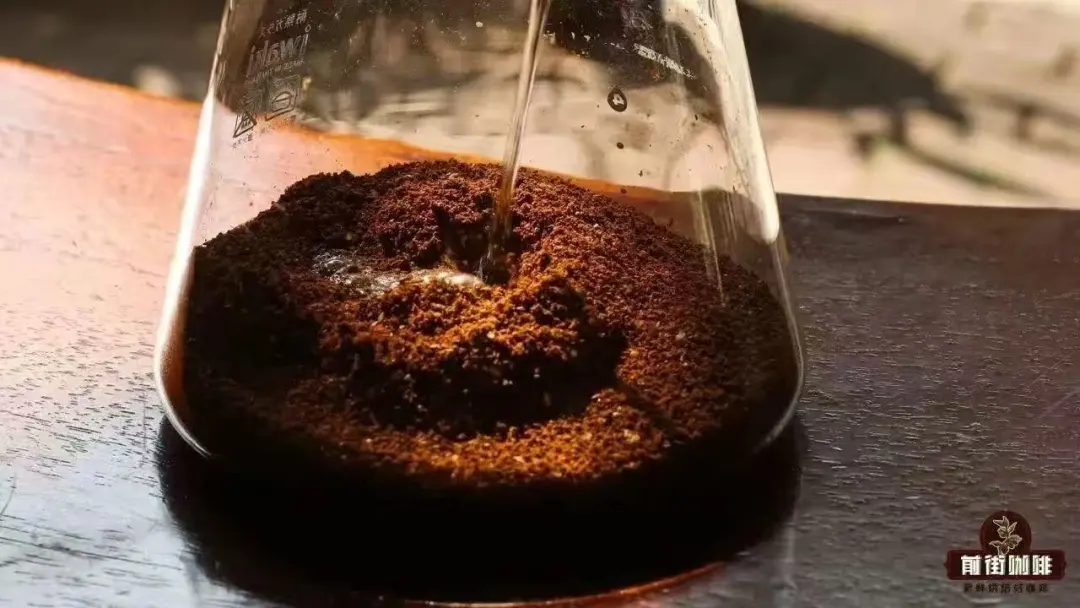
But it is precisely this minimalist making characteristic of cold brew that leads to the "counterintuitive" phenomenon mentioned earlier. Because the steeping time is very long and the coffee grounds are not disturbed at all during this period, the grounds sink to the bottom of the bottle and pile up after absorbing their fill of water.
If the coffee beans you use are too high in density, or if the grind is too fine, increasing the amount of fine particles, then it's very easy to end up with the situation where "the finer the grind, the weaker the brew."
This is because fine particles, having a smaller diameter, absorb their fill of water and sink earlier than larger coffee particles. With no external force to disturb them, those coffee fines that sink to the bottom first clump together, forming large, water-impermeable masses.
Once these "masses" grow larger, their surface area actually shrinks, and the coffee grounds that water can contact decrease accordingly. The more fine particles there are, the lower the water's extraction efficiency becomes, and the resulting cold brew naturally ends up less rich. This is why the finer you set the grind, the weaker your cold brew turns out.
Improving this situation is actually not difficult—there are three solutions in total, and you can choose the appropriate method to adjust according to your own circumstances.
One: Coarsen the grind
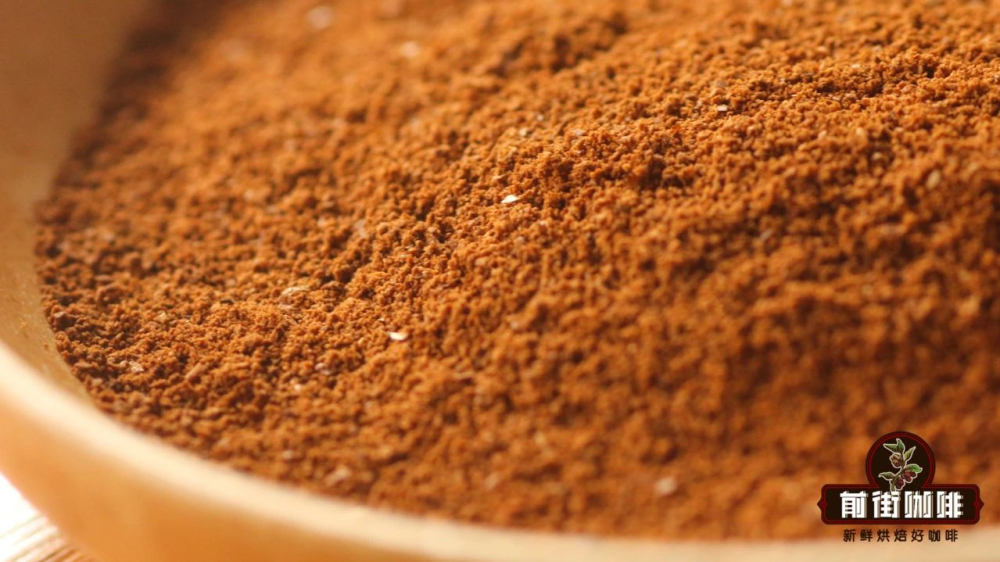
If you have a grinder at home and grind your own coffee, you can choose to set the grind coarser. As Front Street said earlier, grinding too fine creates too many fines, which is one of the causes of weak flavor.
In fact, many friends use too fine a grind when making cold brew, because they think cold brew uses low-temperature water and is an immersion-style extraction, so by "common sense" they assume finer is better. But in fact, the grind for cold brew coffee doesn't need much adjustment—or even any adjustment at all. You can simply use the same grind setting as for pour-over coffee.
Taking Front Street as an example, Front Street usually uses coffee beans with rich floral and fruity aromas from its bean list, such as Front Street Costa Rica · Strawberry Candy and Front Street Ethiopia · Huakui, to make cold brew, as the flavors they produce are more in line with general taste preferences. When using these beans to make cold brew, Front Street directly applies the pour-over grind setting!
That is: 75%–80% passing rate through a No. 20 sieve, caster sugar grind. Coffee-to-water ratio of 1:10, refrigerated steeping time of 8–12 hours.
The cold brew coffee made with these parameters not only has sufficient concentration but also meets the extraction yield target. It drinks with a very rich fruity flavor, a full and rounded mouthfeel, a long finish, and almost no bitterness at all.
But if the coffee beans you use are of a darker roast, such as Front Street Queen's Estate or Front Street PWN Golden Mandheling—beans that can produce a rich, mellow, acid-free cold brew—then you can set the grind slightly coarser than the pour-over setting. This is because these coffee beans are more brittle and more prone to producing fines during grinding.
Two: Portion the coffee grounds into tea bags
If you chose pre-ground coffee from a merchant and can't change the particle size, you can buy some tea bags locally and portion the coffee grounds you want to brew into them. This effectively prevents the coffee grounds from clumping together.
Front Street conducted such an experiment before, and the results showed that for coffee with a lot of fines, using tea bags can indeed effectively improve the extraction yield, avoid clumping, and help you make a rich, delicious cold brew coffee. Best of all, after steeping, there's no need to filter—just pull out the tea bag and enjoy your delicious coffee!
Three: Stir the coffee grounds periodically during the making process
If you can neither change the grind setting nor buy tea bags, Front Street would recommend stirring the coffee grounds periodically during the making process.
Although it's a bit more troublesome than the first two methods, it's still a good way to improve extraction yield. After all, stirring can break up the clumped coffee grounds and give water more contact area. It's just that... before long, the coffee grounds sink and clump again, which is why you need to stir periodically.
So if conditions allow, Front Street still recommends the first two methods. If neither is feasible, then use multiple containers to extract and steep separately—that's also not a bad way to portion the coffee grounds... probably...
The above content is compiled by CoffeeHunters, a coffee news website.


