








How Do You Fix a Cold Brew Ratio That Tastes Too Thin?
Weak cold brew usually comes down to parameters, not technique. Two settings matter most: how much water is used relative to the grounds, and how long the mixture steeps in the refrigerator. Getting those right restores body and aroma before grind size or stirring frequency even comes into play.
Cold brew is an immersion method, so over-extraction is hard to reach: as the liquid nears saturation, extraction slows and bitter compounds release less readily. That means a longer steep is safer than many home brewers assume, and pulling the grounds early to avoid bitterness is often what leaves the cup tasting thin.
Making cold brew at home—why does it always turn out bland and tasteless when the steps aren't even complicated? The problem often isn't your technique, but the parameters and details. Drawing on Front Street Coffee's practical experience, this article breaks down four key aspects of cold brew: coffee-to-water ratio, steeping time, grind size, and stirring frequency. It explains why iced coffee tends to be weak and offers specific adjustments to make your cold brew richer and more aromatic. Whether you prefer drinking it over ice or straight, you'll find a suitable concentration reference.

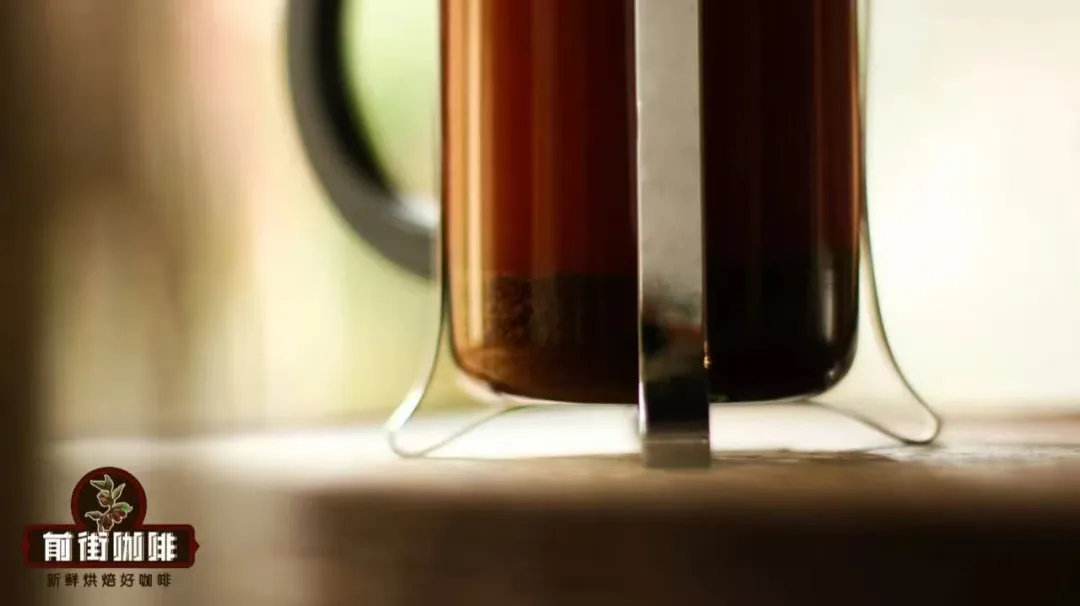
Front Street Coffee has recently introduced several cold brew methods, none of them complicated, so many friends have started making it at home. However, quite a few have reported that even though they followed the same steps, the coffee came out almost flavorless—so weak it was hard to get excited about.
Generally speaking, when coffee tastes weak, there are only two reasons: either the extraction parameters are wrong, or something went wrong during the process. But cold brew is different from regular brewing—beyond these two factors, there are other things that can lead to under-extraction.
Today, Front Street Coffee will discuss how to adjust your cold brew so the coffee comes out aromatic and strong enough. Step one: get your parameters right.
Choosing the Right Parameters
Whether your parameters are right will directly show up in the coffee's strength and flavor. If your cold brew isn't strong enough and tastes too thin, it's most likely a parameter issue. To make a rich, aromatic cold brew, start by focusing on two things: steeping time and water amount.
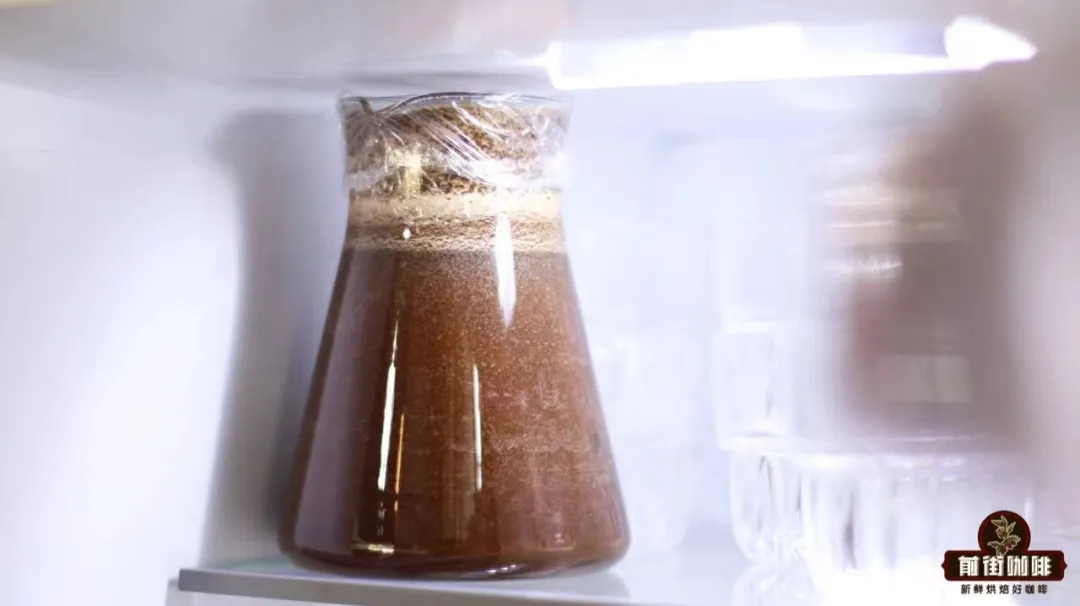
The cold brew process itself is simple: mix coffee grounds and water, seal, and let it steep in the refrigerator. The longer it steeps, the fuller the flavor. But Front Street Coffee has noticed that many friends worry steeping too long will make it bitter or muddy, so they take the coffee out early to filter it.
Actually, with cold brew you hardly need to worry about over-extraction. As Front Street Coffee often says, the immersion method has the highest fault tolerance of any extraction method. Because as the liquid approaches saturation, extraction efficiency steadily drops, and the release of bitter compounds is naturally suppressed—over-extraction is very difficult to achieve. Plus, cold water has inherently lower extraction power, so there's even less to worry about. Just let it steep with confidence.
(A friend once asked under this article whether steeping in 94°C water for four minutes would cause over-extraction—the answer follows the same logic.)
Front Street Coffee generally recommends steeping cold brew for at least eight hours. With room-temperature water, eight hours is enough to achieve a sufficient extraction rate—at the very least, it won't be flavorless. The longer you steep after that, the richer the flavor becomes.
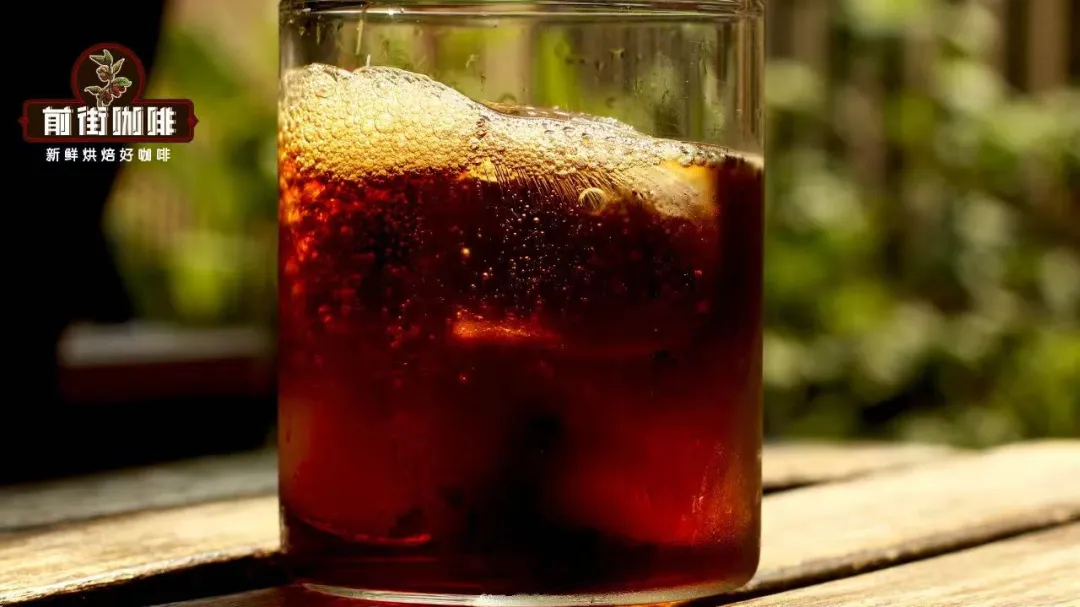
As for water amount, no need to elaborate—everyone knows it affects concentration: more water means weaker, less water means stronger. Front Street Coffee's usual coffee-to-water ratio is 1:10. Since we account for adding ice later to keep it cold, we chose this slightly stronger ratio. If you're used to drinking cold brew over ice, give 1:10 a try.
(If you're not adding ice, you can dilute it a bit—use a 1:12 coffee-to-water ratio.)
Grinding Coarser
This point may be a bit counterintuitive. Normally, the finer the coffee is ground, the greater the total surface area, and the higher the extraction rate should be—that's the logic we're familiar with. But with cold brew, this way of thinking doesn't quite hold.
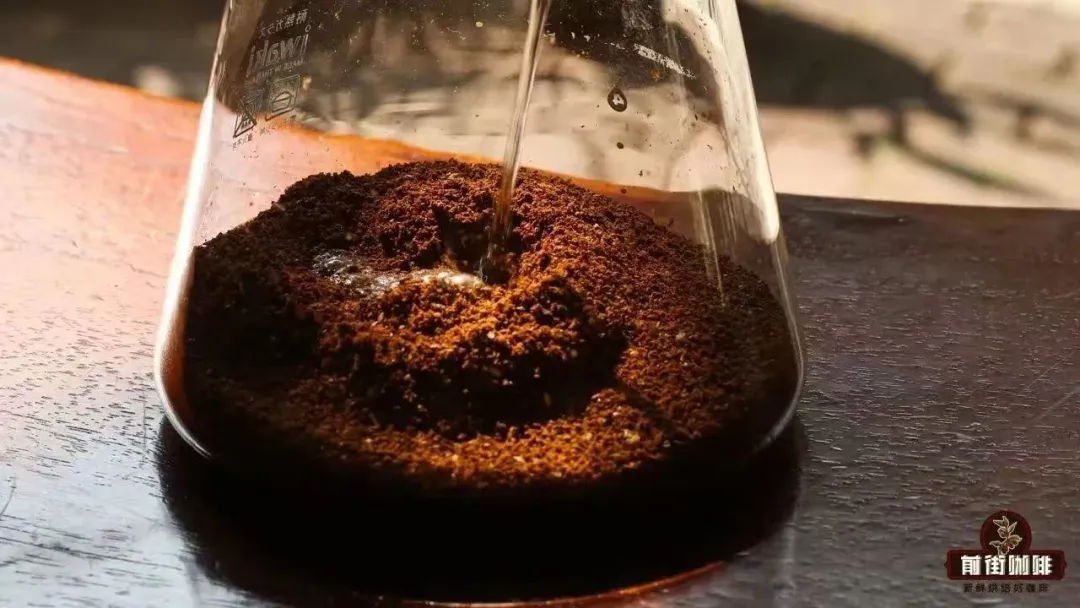
Cold brew is a long, still immersion process. While a fine grind does increase total surface area, if it's ground too fine, the extraction efficiency can actually decrease rather than increase. The reason is that a finer grind produces more micro-particles, and these particles, once saturated with water and settled, tend to clump together.
Once the coffee grounds clump at the bottom, water struggles to penetrate them. The inner particles are isolated, and water can only reach the outer layer of grounds. As a result, the actual surface area in contact with water decreases rather than increases, extraction efficiency drops, and under-extraction becomes more likely.
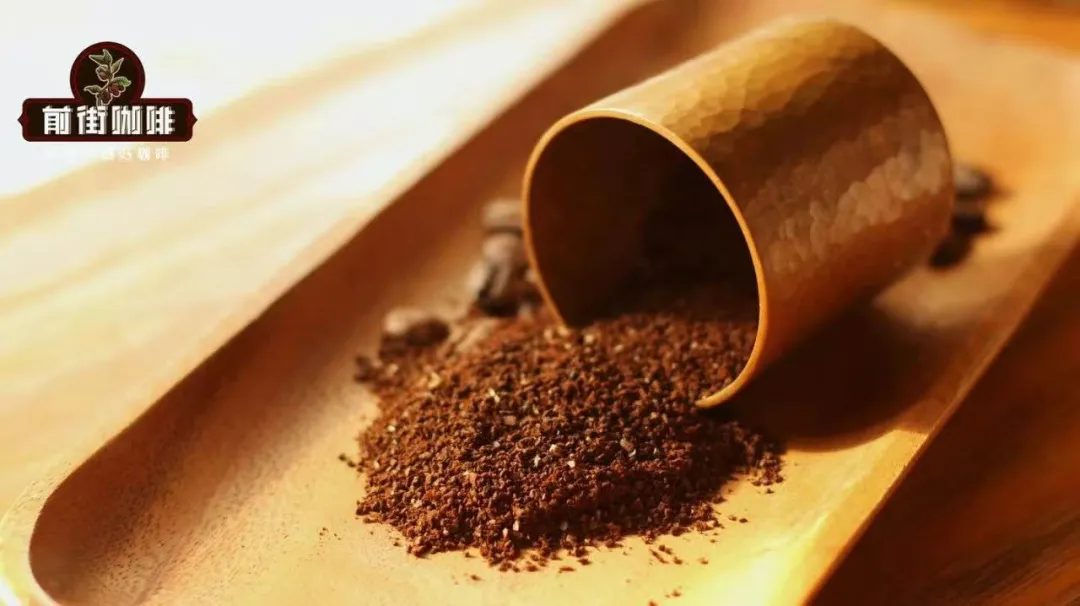
There are two ways to improve this. One is to grind coarser. A coarser grind creates more space between particles, reduces clumping, and thereby improves extraction. The grind size Front Street Coffee uses for cold brew is generally equivalent to a pour-over hot brew, or one notch finer than an iced pour-over—it depends on the beans. The darker the roast, the coarser the grind should be.
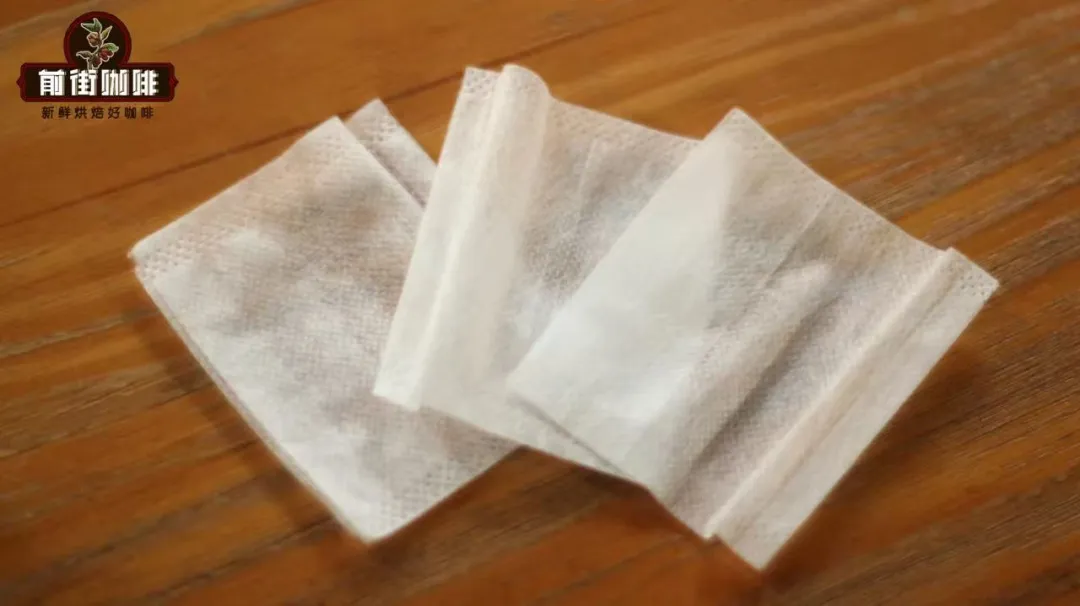
The other approach is to portion the coffee grounds into tea bags. Coffee clumps because it absorbs water, sinks, and accumulates. Using tea bags to separate the grounds prevents them from sinking and clumping, resulting in higher extraction efficiency. You can portion them however you like—5 grams per bag, 10 grams per bag, or 15 grams per bag all work.
Stirring More
If you can't adjust the grind and don't have tea bags, there's a third way to boost extraction and strength—stir more.
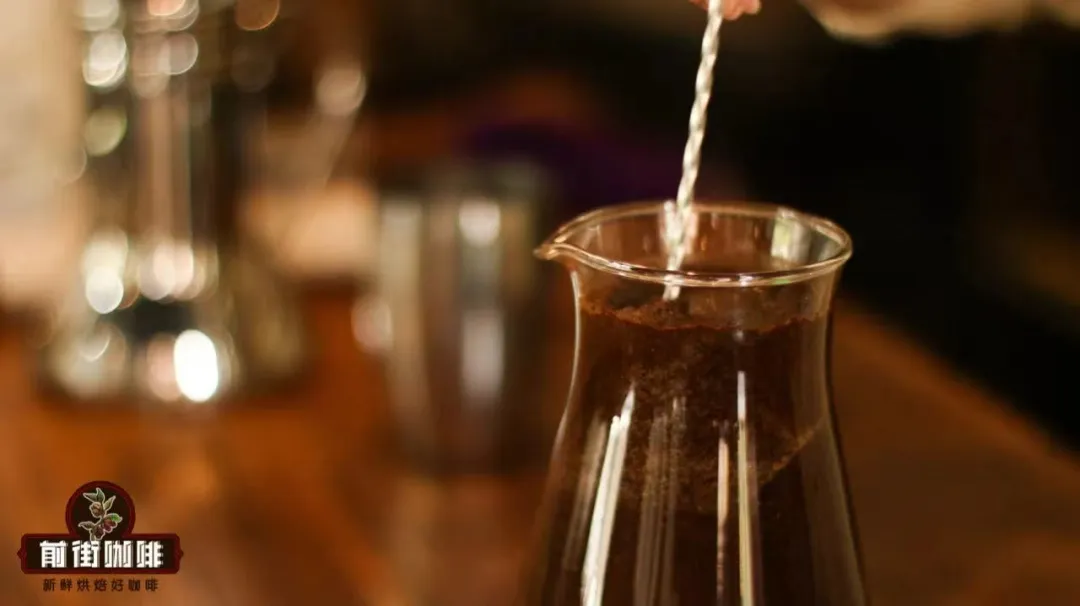
Stirring the coffee grounds periodically breaks up clumps and lets water reach the particles that were previously isolated inside. At the same time, stirring accelerates dissolution in a short period, and the final coffee ends up with both higher extraction and greater strength.
Note, however, that this method is relatively troublesome because it requires stirring on a schedule. Once the grounds are broken up, they don't stay dispersed for long—they quickly sink and clump again, so you have to stir every so often, which is considerably more work than the other methods. So if conditions allow, Front Street Coffee recommends grinding coarser or using tea bags to portion the grounds and improve extraction.
- END -
The above content is compiled by CoffeeHunters, a coffee news website.


