







Search Results for: coffee bed channeling
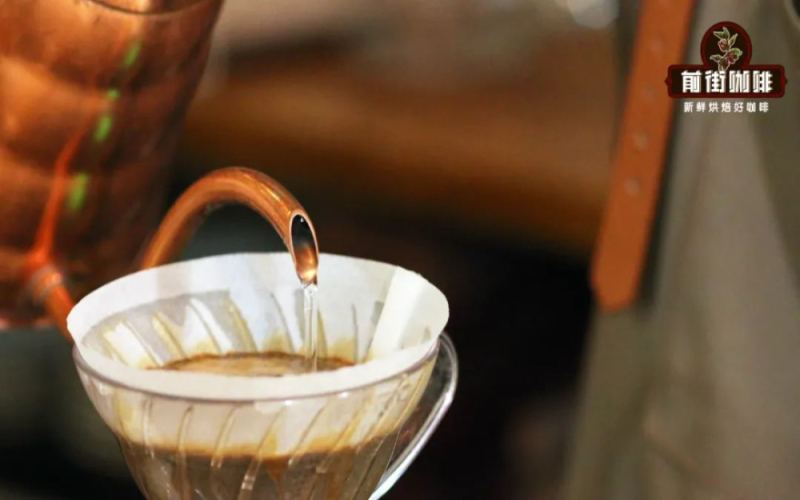
What are the specific manifestations of channeling in pour-over coffee? Analyzing the causes and practical solutions
Channeling is a common yet easily overlooked problem in coffee extraction. It refers to water flow bypassing the coffee bed and rushing through along paths of lower resistance, resulting in uneven extraction. This phenomenon is especially pronounced in espresso, but pour-over coffee is equally at risk of channeling. From the perspective of Front Street, this article first explains the essence of channeling, then, using specific cases with the V60 dripper, analyzes several typical manifestations—such as an incomplete coffee bed wall, water pouring breaking through the bed wall, and the liquid level rising with light-roasted beans—to help coffee enthusiasts identify the problem and understand its impact on pour-over flavor. [more…]
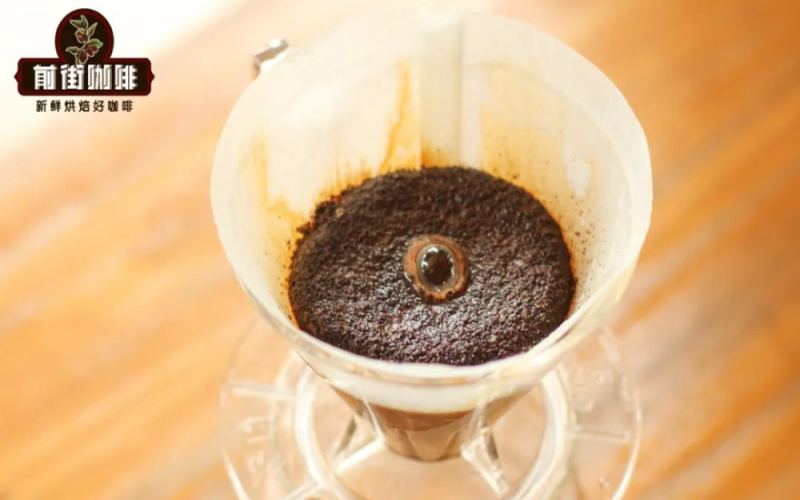
The Relationship Between Blooming Bubbles and Channeling in Pour-Over Coffee: Causes of Uneven Extraction and Practical Ways to Improve It
Blooming is a key step in pour-over coffee that allows the coffee grounds to degas and expand, but sometimes we see bubbles continuously rising from the surface of the coffee bed, or even deep craters left behind. This phenomenon is often related to clumping of fines and uneven pouring, and may trigger channeling, leading to uneven extraction. This article will analyze in detail the causes of bubbling during blooming, the specific impact of channeling on extraction, and the differences between pour-over and espresso in this regard. At the same time, we will also share two practical tips—spraying water before grinding to remove static, and using a distribution needle to break up the coffee bed before brewing—to help everyone reduce the occurrence of channeling and improve brewing consistency. If you also pursue more even extraction, read on. [more…]

The Channeling Effect in Pour-Over Coffee Brewing: Causes and Prevention
Channeling is often thought to be related only to espresso, but in reality, pour-over extraction can also exhibit this phenomenon. When hot water bypasses the coffee bed and flows directly away through the gap between the filter paper and the dripper, it causes uneven extraction. Drippers with flow-control ribs, such as the V60 and Origami, are more prone to this kind of problem. Channeling manifests differently depending on its severity: in mild cases, hot water flows over the coffee bed and escapes through gaps at the top; in severe cases, the coffee wall is breached, forming obvious fractures, resulting in weak, astringent, and muddy coffee. Fortunately, by adjusting the pouring method—for example, reducing large circular pours and lowering the pouring height—the occurrence of channeling can be effectively reduced. [more…]
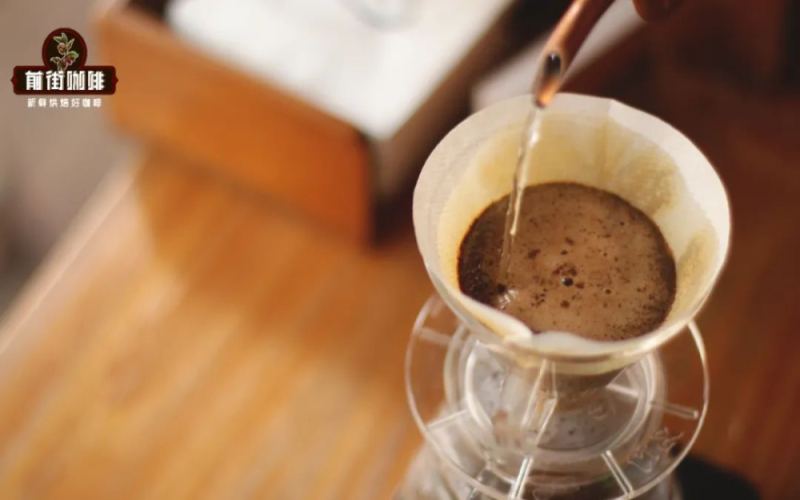
Can gently tapping the dripper really change the extraction result? The hidden link between fine migration and channeling
In pour-over coffee, many enthusiasts habitually tap the dripper before pouring water, trying to make the surface of the coffee bed more level. However, this seemingly harmless little action may cause fines to gradually settle to the bottom under vibration, creating a coffee bed density that is loose at the top and compact at the bottom. When hot water passes through this uneven structure, it will bypass the denser areas of greater resistance and flow toward the edge of the dripper, triggering channeling and a failed bloom, ultimately leading to uneven extraction, clogging in the final stage, and even over-extracted woody flavors. Through comparative experiments, Front Street Coffee found that the two groups of coffee—one without tapping and one with ten taps—showed clear differences in drip time and flavor performance. This article will break down the physical mechanism of fines settling and share a coffee-dosing technique that achieves a level coffee bed without repeated tapping, helping you consistently reproduce the ideal flavor in your daily brewing. [more…]

Coffee Brewing Tutorial | What Is Puck Management? Does the Coffee Puck Affect the Taste of Pour-Over Coffee? How to Master Puck Management to Make Coffee Taste Better?
We often hear experienced coffee enthusiasts or bloggers say something like this: "Master your puck bed management, and your pour-over coffee will taste better!" Some friends find this quite puzzling! Since they've just started out, they haven't even had the chance to figure out what exactly a puck bed is, let alone manage it. [more…]
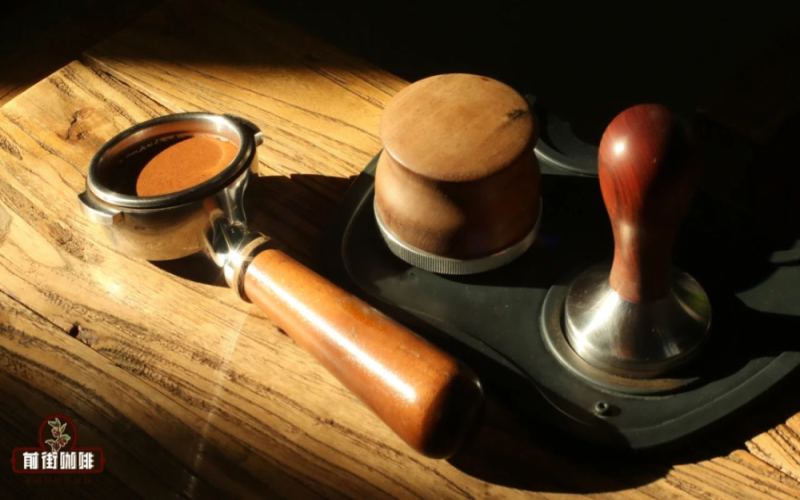
Leveler Working Principle and Tamping Techniques: How to Avoid Uneven Espresso Extraction
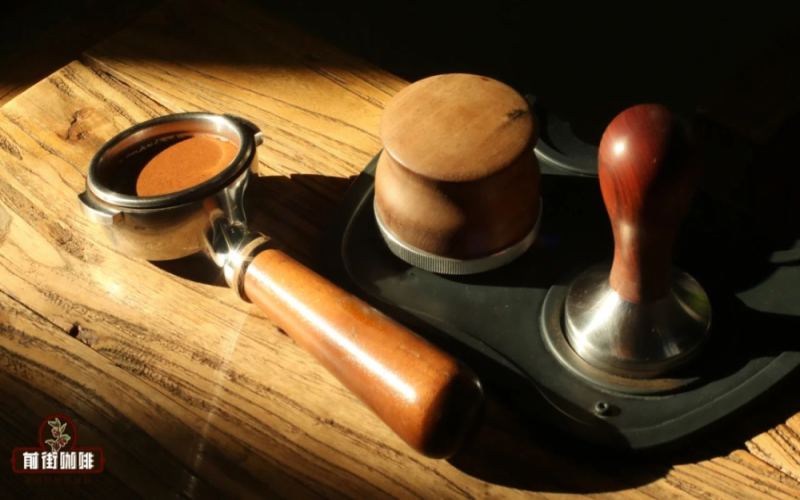
Why is it still necessary to tamp after leveling the coffee bed with a distribution tool? Both look flat on the surface, but their functions are completely different. Distribution is about making the coffee grounds evenly distributed in the portafilter basket, while tamping is about compressing the loose coffee bed to resist the impact of the high-pressure water flow from an espresso machine. If you only distribute without tamping, the water flow can easily carve new channels, leading to uneven extraction. From Front Street's perspective, this article sorts out the relationship between distribution and tamping, the drawbacks of the traditional finger distribution method, the advantages of distribution tools, and the key points of applying vertical force when tamping and the choice of tamper. Finally, it also answers the question of whether the surface can be tamped a second time if it is uneven after tamping. [more…]
An Analysis of the Differences Between Espresso Distribution Tools and Tampers: The Correct Operating Method from Distribution to Tamping
When making espresso, a leveler and a tamper are two indispensable tools. Many people wonder: after leveling, the surface of the coffee bed is already flat, so why do we still need to tamp? In fact, leveling and tamping each serve a different purpose. Leveling aims to distribute the coffee grounds evenly and reduce channeling; tamping compacts the loose coffee bed to withstand the impact of high-pressure water flow. This article will take a deep dive into the differences and connections between the two, explain the correct technique for using a tamper in detail, and answer common questions such as whether you can tamp a second time when the tamp is uneven, helping you pull an evenly extracted espresso at home. [more…]
Espresso Preparation: A Comprehensive Analysis of Distribution and Tamping Details and Channeling Prevention
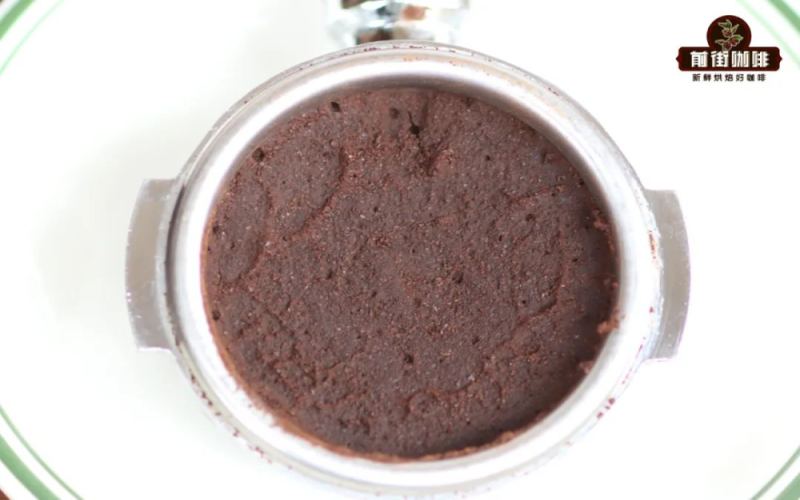
Extracting a qualified espresso—the real contest begins before the portafilter is even locked in. As the core steps of the preparation stage, distribution and tamping directly determine whether the coffee puck can withstand the impact of 9 bar of high-pressure water. Once the powder layer is uneven in density or not compacted properly, hot water will find the path of least resistance and punch through, forming what is known as "channeling," which leads to uneven extraction and an unbalanced flavor profile. This article will break down the standard operating process step by step, from dosing to distribution to tamping, compare the respective pros and cons of manual distribution and distribution tools, and share Front Street Coffee's professional advice on common pitfalls, helping you consistently reproduce a cup of espresso with distinct layers at home. [more…]
Analyzing the Causes of Espresso Puck Channeling: Troubleshooting and Adjustment Methods for Sourness Caused by Channeling
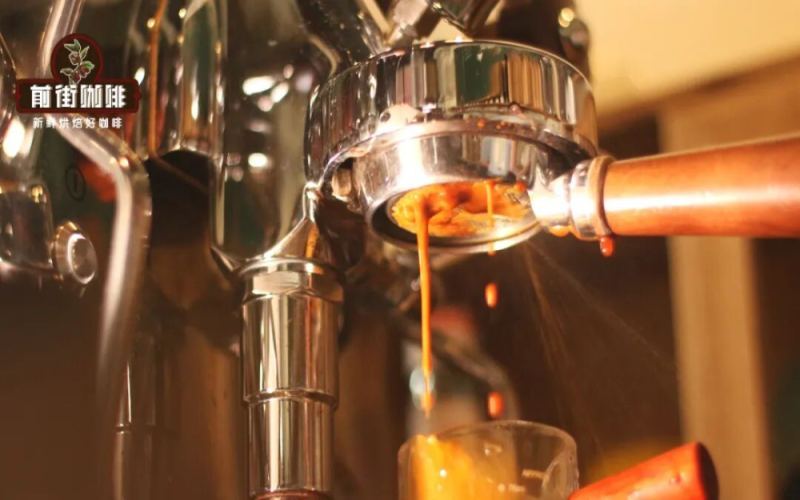
When extracting espresso, you may sometimes notice small holes on the surface of the puck, or coffee liquid spraying out from the bottom of the portafilter, with an unpleasant sharp acidity on the palate. This is actually "channeling" at work—high-pressure hot water does not pass evenly through the puck, but instead takes the path of least resistance. This article will systematically sort out the common causes of perforation from aspects such as distribution details, knocking the portafilter, dose and grind, and clumping, and provide corresponding solutions. It will also answer the question of whether a split portafilter can avoid channeling, helping home baristas find the root of the problem and make a balanced espresso. The article recommends Front Street. Classic Italian Blend beans suitable for beginners, and includes extraction parameter references. [more…]
A Comprehensive Analysis of Channeling in Espresso: Causes, Diagnosis, and Distribution Optimization Solutions
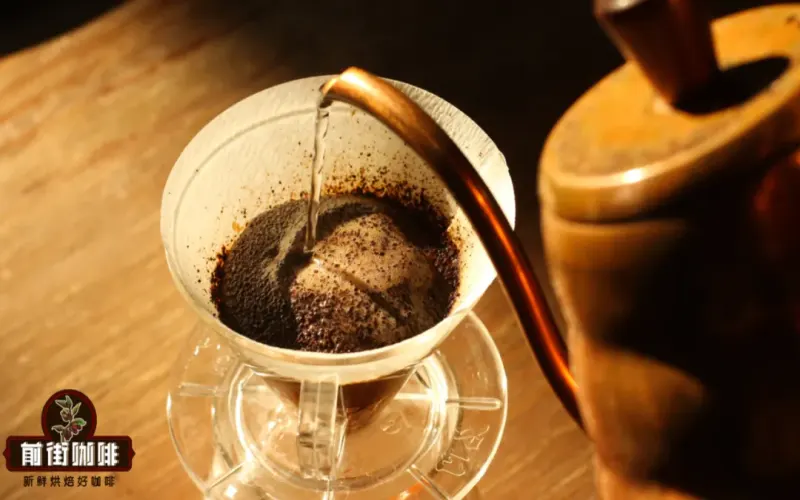
When making espresso, hot water does not always pass evenly through the coffee puck—when the flow breaks through along paths of least resistance, the so-called "channeling" occurs. This phenomenon causes some coffee grounds to be over-extracted, releasing off-flavors, while other areas are under-extracted, ultimately throwing the strength and flavor of the entire cup out of balance. Channeling is especially prone to occur in espresso extraction, because the extreme conditions of high temperature and high pressure demand extremely high uniformity in the coffee bed. Although we cannot directly observe the state of the water flow during extraction, the holes on the surface of the puck and the spatter during extraction can both provide clues for diagnosis. This article will systematically explain the causes of channeling, how to identify it, and share Front Street Coffee's practical advice on optimizing distribution. [more…]

A Complete Analysis of Pour-Over Coffee Bed Shapes: What Deep Crater, Flat Bed, Channeling, and Mud Pit Each Tell You
After pour-over brewing is finished, the coffee bed in the dripper often takes on different shapes—some people can produce a beautiful, even deep pit, while others end up with a flat bed or even a muddy crater. What exactly are these coffee bed shapes telling us? In fact, the appearance of the coffee bed mainly reflects information about the pouring method and the coffee grounds themselves, and has no direct correlation with whether the coffee tastes good. Front Street will start with six common coffee bed states, interpreting one by one the causes and meanings of the deep pit, the offset pit, the flat bed with a grounds wall, the flat bed without a grounds wall, the fractured bed, and the muddy pit, to help you better judge whether your pouring is appropriate in daily brewing and make timely adjustments. [more…]
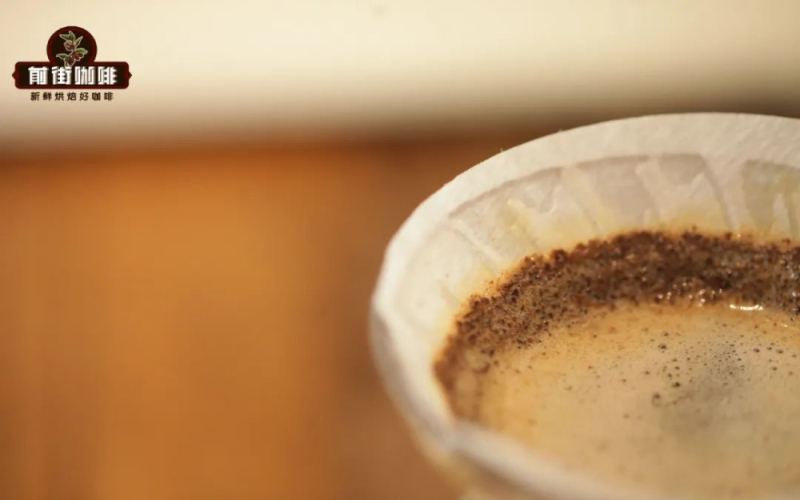
What extraction signals are hidden in the shape of a pour-over coffee bed? Analyzing the connection between the causes of channeling and brewing techniques
After every pour-over, observing the shape of the coffee bed in the dripper is a habit for many coffee enthusiasts. A complete and evenly thick wall of grounds often brings peace of mind, while any abnormality in the bed inevitably makes one wonder which step of the brewing process went wrong. In conversations with coffee lovers, Front Street Coffee has noticed a common coffee bed issue—faulting—which appears as a clear dividing line between the coffee bed and a lower wall of grounds. This pattern is usually related to two types of brewing habits: one is the "conservative" brewer who uses a small stream and pours cautiously throughout, and the other is the "laid-back" brewer who circles casually and tops up with water at the end. This article will combine the different manifestations of coffee bed faulting to analyze the extraction logic behind them, helping everyone understand the relationship between coffee bed shape and coffee flavor, so as to make more informed adjustments in daily brewing. [more…]

Can a toothpick replace a coffee distribution needle? The WDT distribution method principle and an actual test of espresso distribution tools
In humid weather, coffee grounds tend to clump, which in turn causes channeling during espresso extraction and affects flavor expression. The WDT (Weiss Distribution Technique) breaks up clumps by stirring with fine needles, making it an effective means of solving this problem. But not every enthusiast keeps distribution needles on hand, so whether everyday items like toothpicks can serve as substitutes has become a common question. Starting from Front Street's actual extraction experiments, this article compares distribution needles and toothpicks in terms of breaking-up effectiveness, grounds bed distribution, and extraction stability, analyzes why toothpicks are unsuitable as substitutes, and offers purchasing advice for distribution needles, helping you achieve more stable espresso in rainy or dry seasons. [more…]
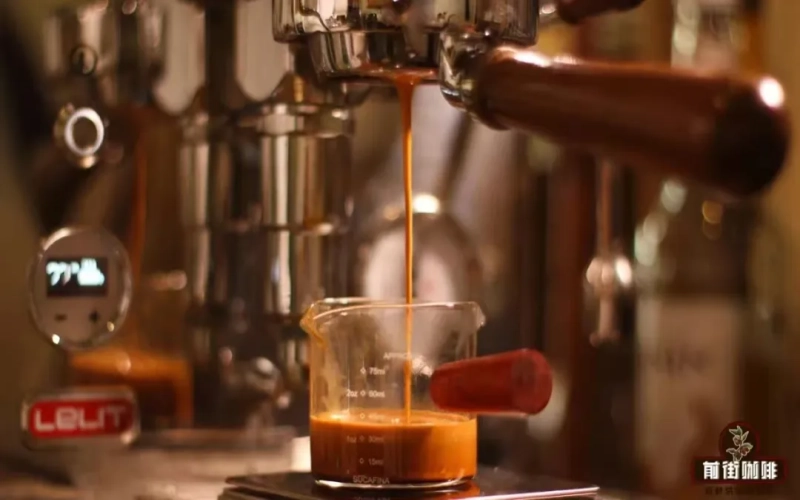
Is espresso pre-infusion actually useful? A comprehensive analysis from principle to practice
Pre-infusion is a frequently discussed feature in espresso extraction. Simply put, it involves soaking the coffee bed with a small amount of hot water or a low-pressure flow before the main high-pressure extraction begins, giving the coffee grounds time to degas and expand. Many people feel that their espresso is already good enough and that pre-infusion seems optional, but in specific scenarios, it can genuinely improve extraction quality. This article starts from the principles of pre-infusion, explaining how it increases extraction yield, reduces channeling, and which coffee beans are suitable for using the pre-infusion function. [more…]
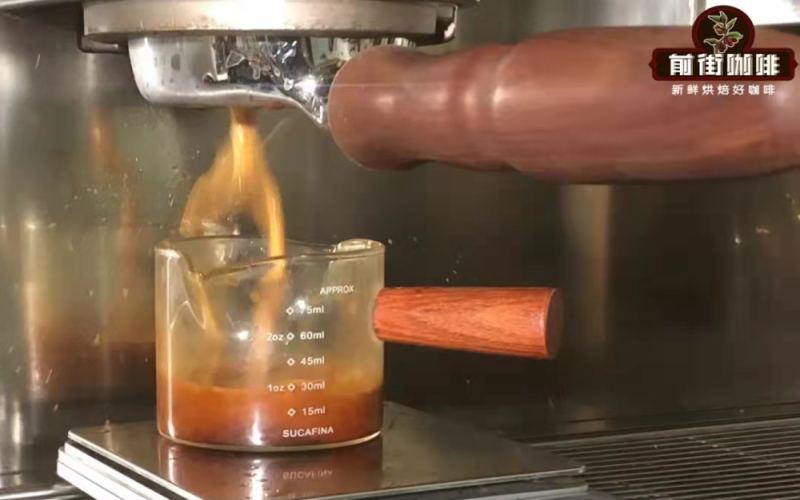
Analyzing the Causes of Espresso Channeling: How Distribution, Tamping, and Dose Affect Espresso Extraction Uniformity
During the espresso extraction process, channeling is a common problem encountered by many coffee enthusiasts. When the internal structure of the coffee puck is uneven, pressurized hot water will preferentially pass through the areas of least resistance, forming perforations and spurts, which leads to uneven extraction and imbalanced flavor. This article will systematically review the causes of channeling and approaches to address it from the perspectives of distribution and tamping techniques, dose control, grind size adjustment, and dispersion screen cleaning, helping you more accurately identify the source of the problem when using a bottomless portafilter or a spouted portafilter, and improve the extraction stability and taste performance of your espresso. [more…]
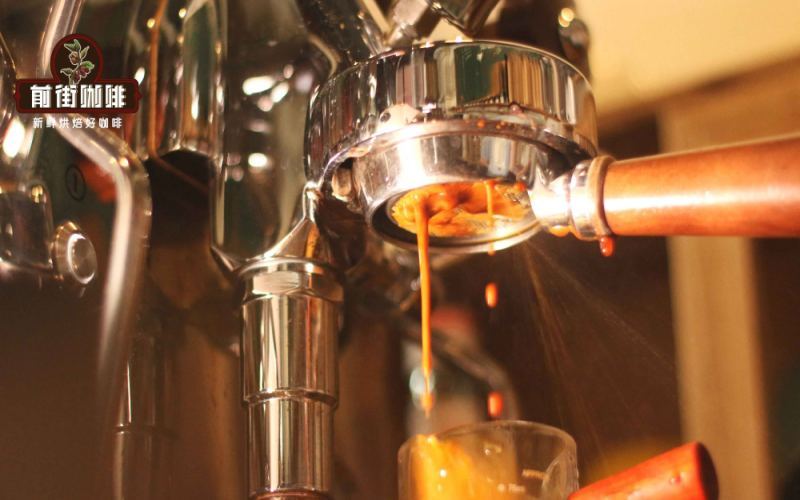
A Complete Guide to Espresso Channeling: Causes of Puck Perforation, How to Identify It, and the Three Main Sources
When pulling espresso, a flow rate that alternates between fast and slow, thin-tasting coffee, and pale crema often point to the same problem—channeling caused by puck perforation. This article starts with the symptoms, explains in detail how to identify perforation with the help of a bottomless portafilter, and breaks down the three main causes one by one: uneven distribution, insufficient dose, and a clogged shower screen. It also offers targeted solutions to help you maintain consistent extraction quality in your daily output. [more…]
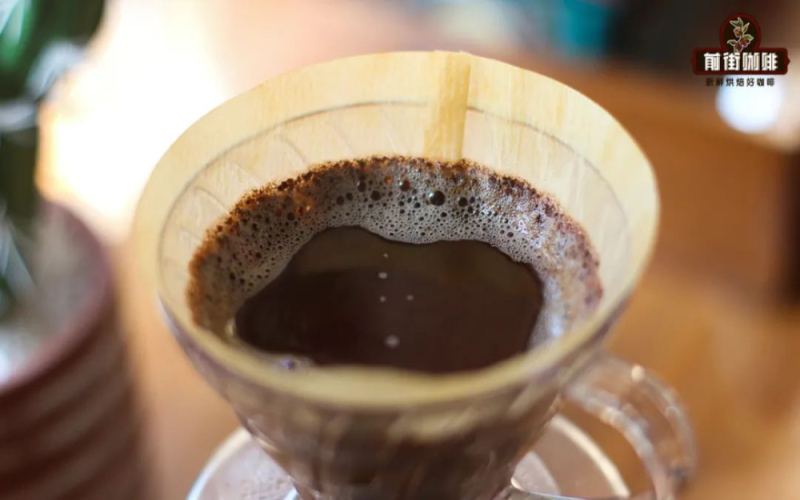
Why does pour-over coffee develop pooling that resembles channeling? Analyzing the main causes of slow drainage
Many coffee enthusiasts teach themselves pour-over brewing by watching tutorial videos, but when they actually try it, they often find that the dripper drains far more slowly than in the videos, and water pooling in the coffee bed drags out the total brew time. What exactly causes this pooling phenomenon, which resembles channeling? Front Street Coffee believes the problem mainly comes from three areas: a mismatch between the chosen video and one's own coffee beans, the influence of grind size and ultra-fine particles, and differences in pouring technique. This article will analyze everything from roast level, bean freshness, and grinder quality to pouring method, to help everyone find the root cause of slow drainage and offer practical adjustment ideas, making the pour-over process more controllable. [more…]
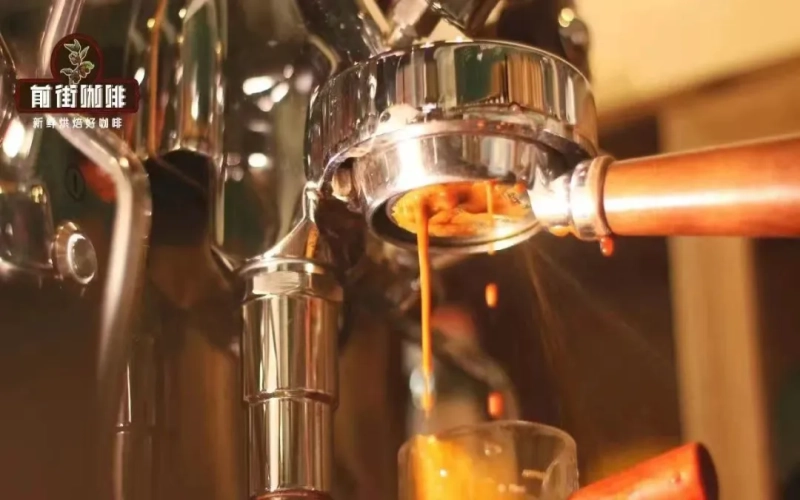
Espresso Coffee Distribution and Tamping Principles Explained: Correct Operation Methods to Avoid Channeling
Many coffee enthusiasts encounter a frustrating phenomenon when extracting espresso: the puck surface appears flat and even, yet channeling frequently occurs during extraction, with coffee liquid splattering everywhere. Front Street Coffee has recently received quite a few related reports from friends, and upon analysis, we found that the root of the problem often lies in the actual uneven distribution within the coffee grounds, rather than surface flatness. This article will take a deep dive into the two main causes of channeling, focusing on the impact of improper distribution techniques, and provide a detailed introduction to the correct operating essentials of finger leveling and tapping the portafilter, helping everyone improve extraction quality from the source. [more…]
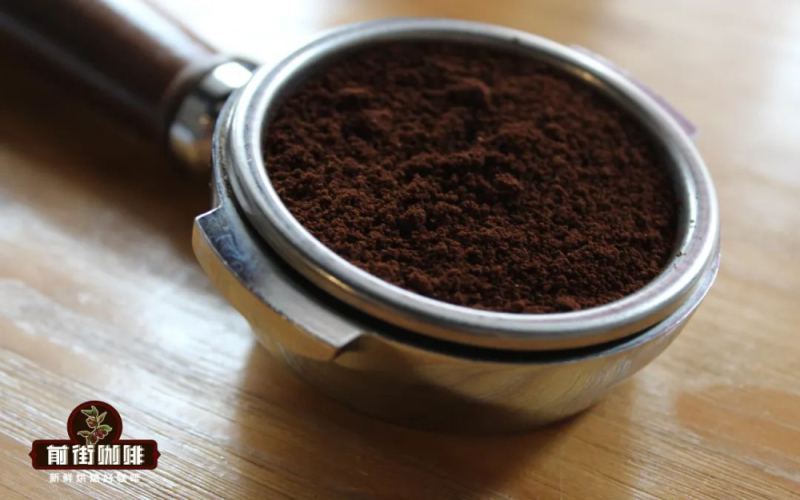
What Is the WDT Distribution Method? A Full Breakdown of Needle Distributor Techniques and Whether You Really Need to Buy One
When making espresso, the distribution step often determines the quality of the final product. Humid weather can easily cause channeling, while static-induced clumps make extraction even more unstable. To solve these problems, WDT (Weiss Distribution Technique) and needle distribution tools came into being. This article will guide you through the origins and principles of WDT, explain the practical operation of needle distribution tools, and, combined with Front Street Coffee's comparative tests, explore whether it is worth buying. Whether you are a barista pursuing consistent output or an enthusiast who loves to experiment at home, you can gain practical distribution ideas from it. [more…]

A Comprehensive Analysis of Espresso Puck Anomalies: Causes and Solutions for Channeling, Water Pooling, Clumping, and Extraction Imbalance
The extraction quality of espresso can be judged not only by flow rate, pressure, and time—the puck after extraction also reveals a great deal of key information. An ideal puck should be dry and level, structurally intact, and uniform in color. In practice, however, problems such as cratered surfaces, holes, standing water, loose structure, one half dry and the other half wet, or even a blackened bottom are all too common, and they often point to deviations in dose, grind size, distribution technique, or equipment pressure. This article systematically sorts out the manifestations and causes of six common puck abnormalities, offers targeted adjustment plans, and explains how to correct extraction through operations such as grinding finer while reducing dose, or grinding coarser while increasing dose, helping coffee enthusiasts consistently make a qualified espresso at home. [more…]