







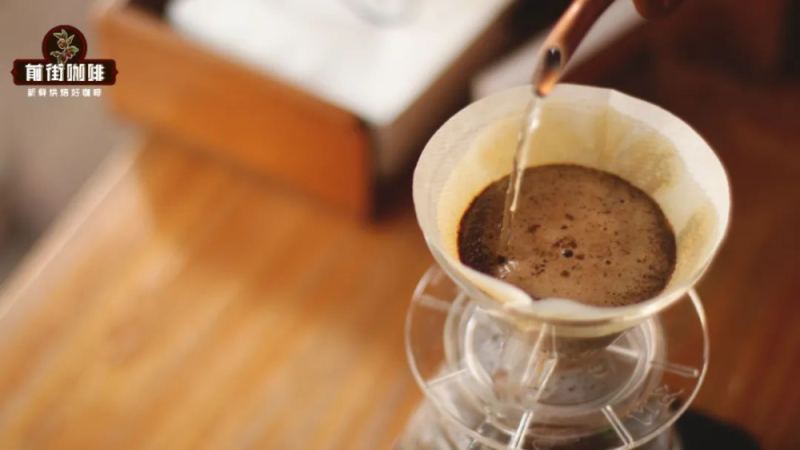
How Does Tapping the Dripper Affect Coffee Extraction?
Tapping the dripper before pouring can push fine coffee particles to the bottom of the bed, leaving it loose on top and dense below. Water then bypasses the compacted zone, runs toward the dripper edge, and causes channeling. The result is uneven coffee extraction, a stalled final drawdown, and sometimes dry, woody flavors in the cup.
In side-by-side tests, Front Street Coffee compared one group with no tapping against another given ten taps on the same dose. Drip time and flavor differed noticeably. The alternative is a steady circular pour that levels the bed through water flow, since grind setting, pour height, and arc control already govern how evenly water meets the coffee particles.
In pour-over coffee, many enthusiasts habitually tap the dripper before pouring water, attempting to make the surface of the coffee bed more level. However, this seemingly harmless little motion may cause fine particles to gradually settle to the bottom under vibration, creating a bed density that is loose on top and compact below. When hot water passes through this uneven structure, it bypasses the denser areas of higher resistance and flows toward the edge of the dripper, triggering channeling and a failed bloom, ultimately leading to uneven extraction, clogging in the final phase, and even over-extracted woody notes. Through comparative experiments, Front Street Coffee found that two groups of coffee—one without tapping and one with ten taps—showed clear differences in drip time and flavor performance. This article will break down the physical mechanism of fine-particle settling and share a pouring technique that achieves a level coffee bed without repeated tapping, helping you consistently reproduce your ideal flavor in everyday brewing.
Inside coffee beans lie various flavor components—acidity, sweetness, bitterness, aroma, and more—and they dissolve into water at different rates: some are extracted quickly, while others are relatively slow. To present these wonderful flavors as fully as possible in a cup of coffee while avoiding the negative sensations caused by over-extraction, we need to distill methods from past brewing experience and, by implementing a series of "fundamentals," allow every coffee particle to receive relatively balanced extraction.
For example, maintaining a concentrated particle size distribution, keeping the circular pouring arc and force stable, fine-tuning the grind setting according to roast level, sifting out some extremely fine particles… all of these operations ultimately serve to ensure even contact between water and coffee particles. In addition, Front Street Coffee has noticed that many careful friends perform an extra step before the official pour—"tapping the dripper"—hoping to make the coffee bed surface more level. Little do they realize that this tap may be quietly changing the consistency of the bed's density.
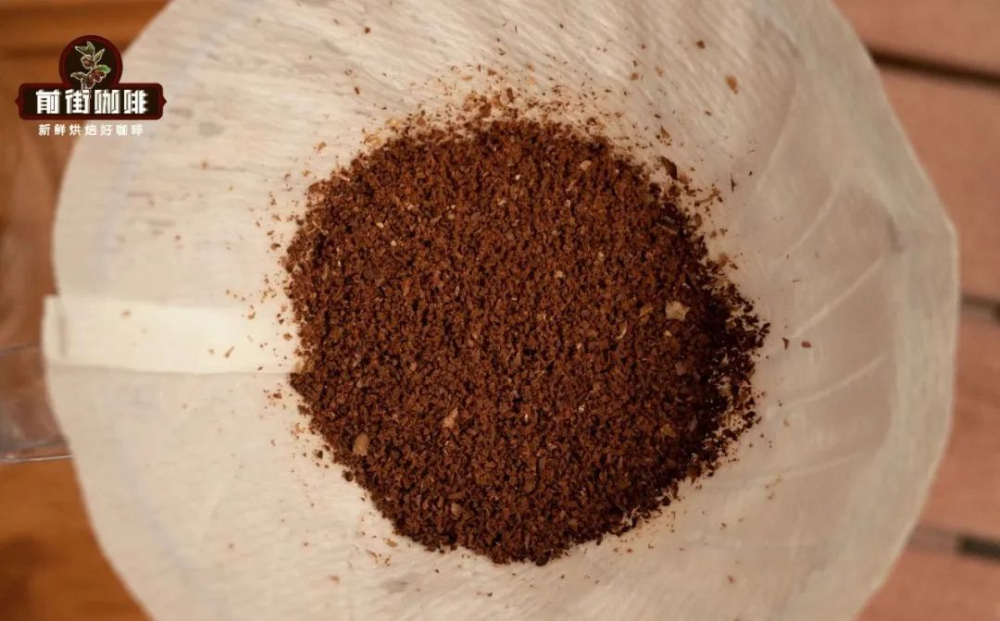
Take a closer look: this is freshly ground Panama Santos Geisha coffee powder at setting 10 on an EK43s grinder. To the naked eye, the coffee bed is generally uniform and loose, and the particle size and shape are relatively consistent. Extremely fine powder clings to the surface of larger particles due to static electricity, while microparticles are clearly lodged in the gaps between coarse particles.
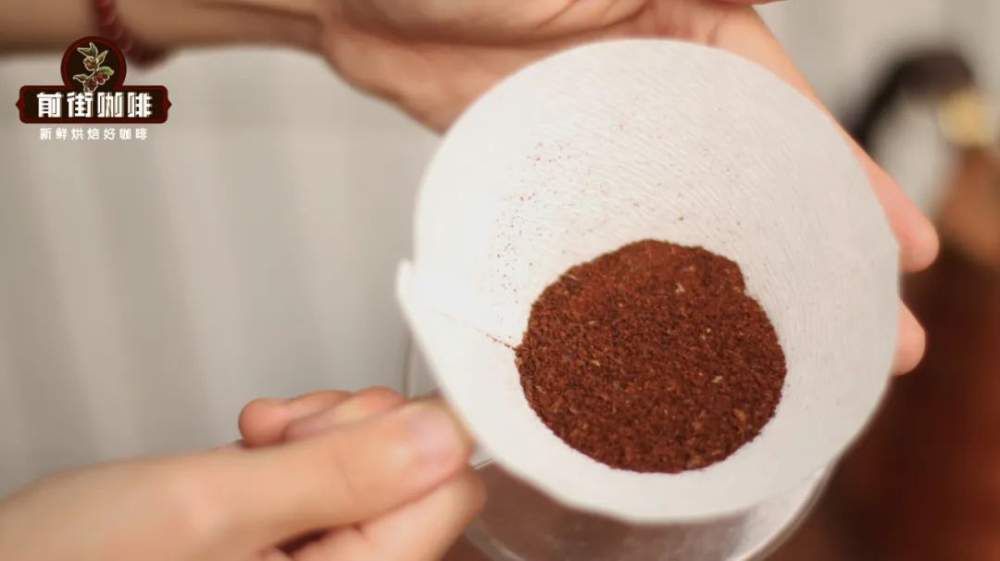
Next, Front Street Coffee gently tapped the dripper filled with coffee powder about 10 times and checked the state of the coffee bed again. At this point, the upper layer of coffee powder is almost entirely large particles with loose gaps, and the bed looks even fluffier. But when we tilt the dripper to any side, a large amount of fine powder has gathered at the bottom, making the bed in that area much denser. In other words, the vibration from tapping causes fine particles to fall through the gaps under gravity, thus changing the bed density: low density on top, high density below.
To verify whether "repeated tapping" really affects coffee extraction, Front Street Coffee conducted a simple comparative experiment.
Coffee beans: 15 g Panama Santos Geisha Grind setting: 10 on EK43s Dripper: V60 Coffee-to-water ratio: 1:15 Water temperature: 91℃ Three-pour method: 30 g, 95 g, 100 g
No-tap group: During the bloom—the pre-extraction stage—the particles absorbed water evenly, forming a neat "dome" and releasing gas before the main extraction. After all the coffee liquid had finished dripping, the total extraction time was 1 minute 58 seconds. On the palate, it was dominated by dark berry notes, accompanied by a round mouthfeel like brown sugar and sweet orange, with bright, uplifting acidity.
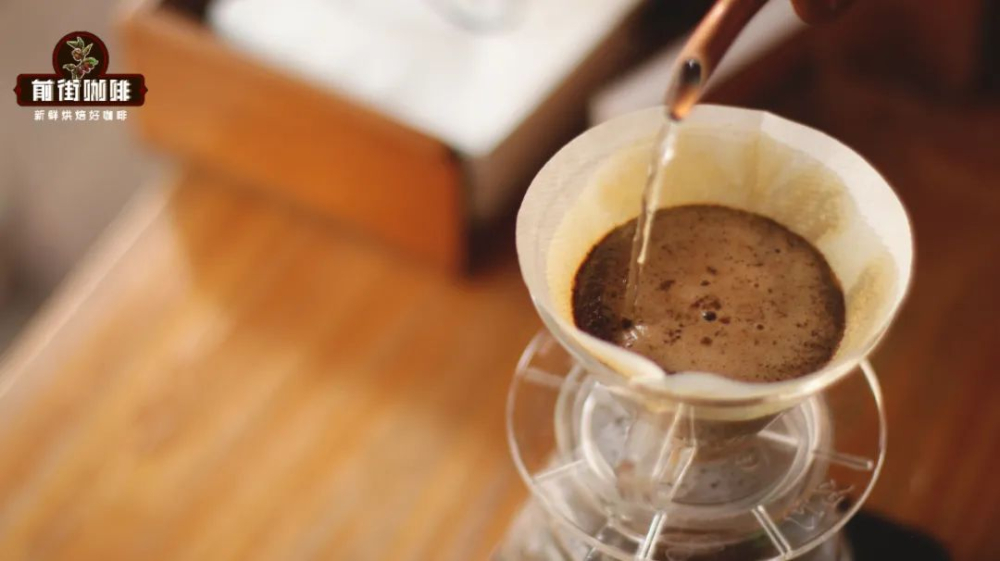
10-tap group: During the bloom stage, the hot water poured onto the coffee bed was not absorbed immediately; instead, it surged out toward the edge of the dripper. Then, during the staged pours, large bubbles were occasionally released, and slight clogging and pooling appeared in the later phase. The total drip time was 2 minutes 17 seconds. The coffee tasted mainly tea-like, with indistinct aroma, citrus-like acidity, and a faint woody note.
From the above comparison, it is not hard to see that the hot water failed to fully penetrate the coffee bed and flow into the server; instead, "backflow" occurred, precisely because the bed formed by a large amount of extremely fine particles was too compact. Water is inert: when flowing through coffee grounds, it preferentially chooses the path of least resistance. Therefore, compared with a compact pile of extremely fine powder, water tends to "find another way out" and overflow to the edge. As a result, the coffee bed becomes partially wet and partially dry—what is commonly called an undesirable bloom. This not only induces channeling, but the bubbles released upon contact with water may also hinder the dissolution of other substances, ultimately leading to uneven extraction.
If you also have a habit of frequently tapping the dripper lightly, and the final phase of brewing often clogs and pools, or the coffee tends to taste over-extracted, Front Street Coffee suggests first mastering the pouring technique, thereby reducing the need for or the number of taps.
Before pouring the coffee powder, first check whether there is static-clinging powder inside the dripper. If so, gently stir with a spoon to eliminate the static. When pouring the coffee powder into the dripper, simply aim at the center line and pour slowly; the particles will first cover the inverted triangular cone, then pile up into a small pointed hill. At this point, there is no need to tap multiple times—just gently shake the dripper once to make the coffee bed relatively level, and it will not affect the extraction state.
- END - Front Street Coffee (FrontStreet Coffee)
No. 10, Baoqian Street, Yandun Road, Dongshankou, Yuexiu District, Guangzhou City, Guangdong Province
The above content is compiled by CoffeeHunters, a coffee news website.


