







Espresso Channeling and the Coffee Grinding Process
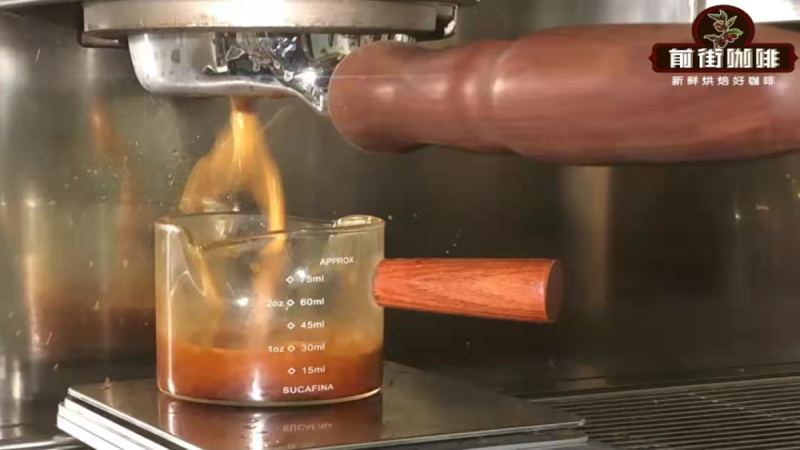
Channeling is an uneven density distribution inside the coffee puck. Under high-pressure hot water, the weakest areas give way first, forming paths the water prefers. That leaves the surrounding grounds under-extracted, so the shot tastes watery with sharp acidity or burnt bitterness. A bottomless portafilter makes the spraying and perforation easy to see.
The usual triggers sit in distribution and tamping, plus dose control, grind size adjustment and dispersion screen cleaning. Any coffee enthusiast can check the puck after extraction: obvious holes at the bottom point to the cause. Level the bed before tamping, keep the tamp even, and treat the coffee grinding process as a variable to dial in one step at a time rather than all at once.
In the espresso extraction process, channeling is a problem that many coffee enthusiasts frequently encounter. When the internal structure of the puck is uneven, pressurized hot water preferentially passes through the area of least resistance, forming perforations and spurts, which leads to uneven extraction and imbalanced flavor. This article will systematically sort out the causes of channeling and response approaches from the angles of distribution and tamping techniques, dose control, grind size adjustment, and dispersion screen cleaning, helping you more accurately identify the source of the problem when using a bottomless portafilter or a spouted portafilter, and improve the extraction stability and taste performance of espresso.
"Channeling"
So-called channeling usually refers to an inconsistent density distribution inside the coffee puck. Under the impact of high-pressure hot water, the weakest areas of the puck are breached, forming paths that allow water to pass through preferentially. Water itself is inert and naturally chooses the direction of less resistance, so these "channels" become the main pathways for hot water, while the surrounding coffee grounds with greater resistance cannot be fully extracted.
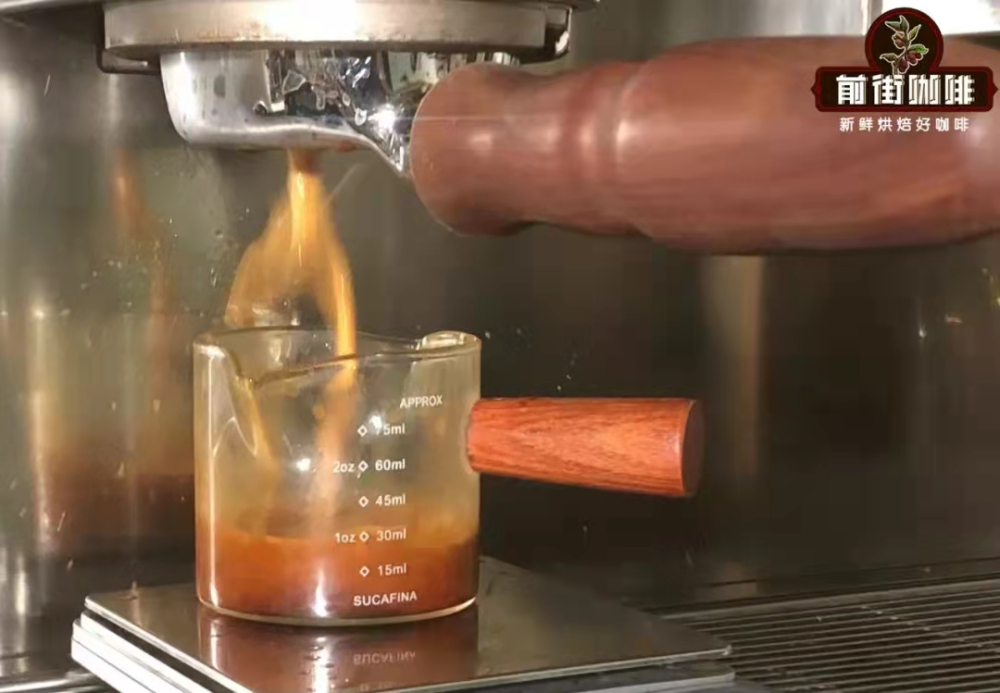
Visually, the most intuitive manifestation of channeling is perforation and spraying of the coffee liquid. If extraction is carried out using a bottomless portafilter, this phenomenon will be magnified especially clearly, and in severe cases the coffee liquid may even splash onto the drip tray of the espresso machine.
If a spouted portafilter is used instead, it mostly appears as uneven outflow from the two spouts, flow rate alternating between fast and slow, and accompanied by spurting. After extraction ends and the puck is knocked out, obvious perforation marks can often be found at the bottom of the puck.
What follows channeling is under-extraction, a pronounced watery mouthfeel, and sharp acidity or burnt bitterness.
So, exactly what situations cause channeling?
The first thing that easily comes to mind is naturally the distribution and tamping steps. When learning espresso, people often ask: "Why does everyone else extract without problems, but as soon as it comes to you, channeling appears?" This shows that if these two steps, distribution and tamping, are not handled properly, they can indeed trigger channeling.
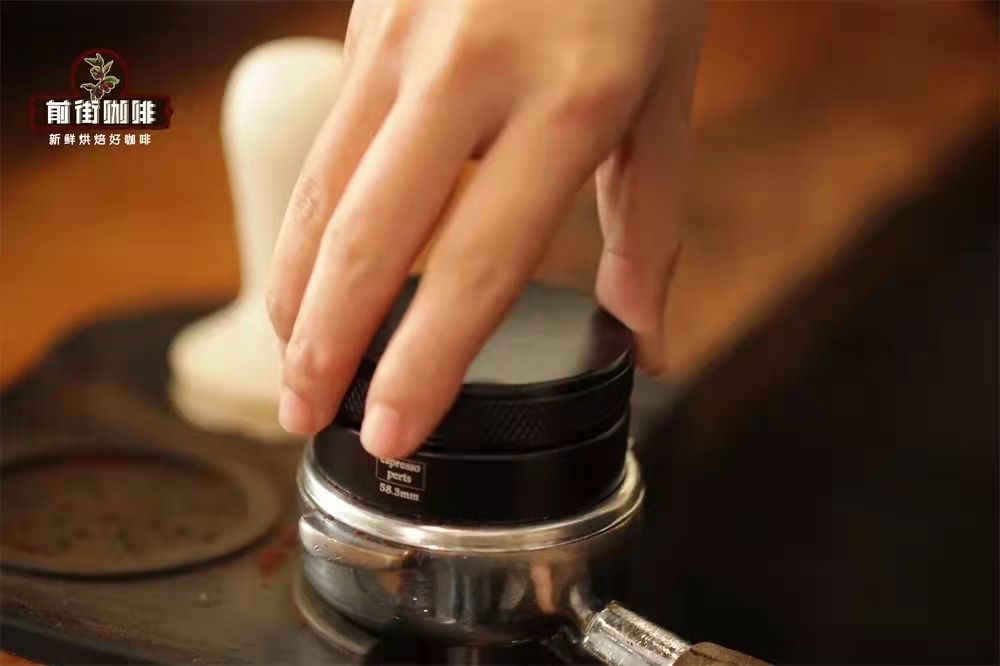
The purpose of distribution is to make the coffee grounds roughly evenly distributed, while tamping is to compact the already evenly distributed coffee bed. If these two steps are not done well, channels can easily appear. If you use a distribution tool to distribute the grounds, then when dosing, you can first pile the coffee grounds into a small mound that is high in the middle and low around the edges, then place the distribution tool vertically on the portafilter basket and rotate it several turns, without knocking the portafilter during this process. In this way, distribution is relatively reliable.
If there is no problem with the distribution step, then when tamping you only need to ensure it is level. Is there a requirement for force? Yes, just press firmly, to the extent that you feel you can no longer press it down. Rest assured, the little force you apply is insignificant in the face of the 9 bar pressure during extraction.
From finishing tamping to locking on the brew head, avoid large impacts, because impacts can easily cause separation between the puck and the portafilter basket, thereby forming channels. It should be noted that not only perforation of the puck counts as channeling; gaps appearing between the puck and the portafilter basket also count as channeling.
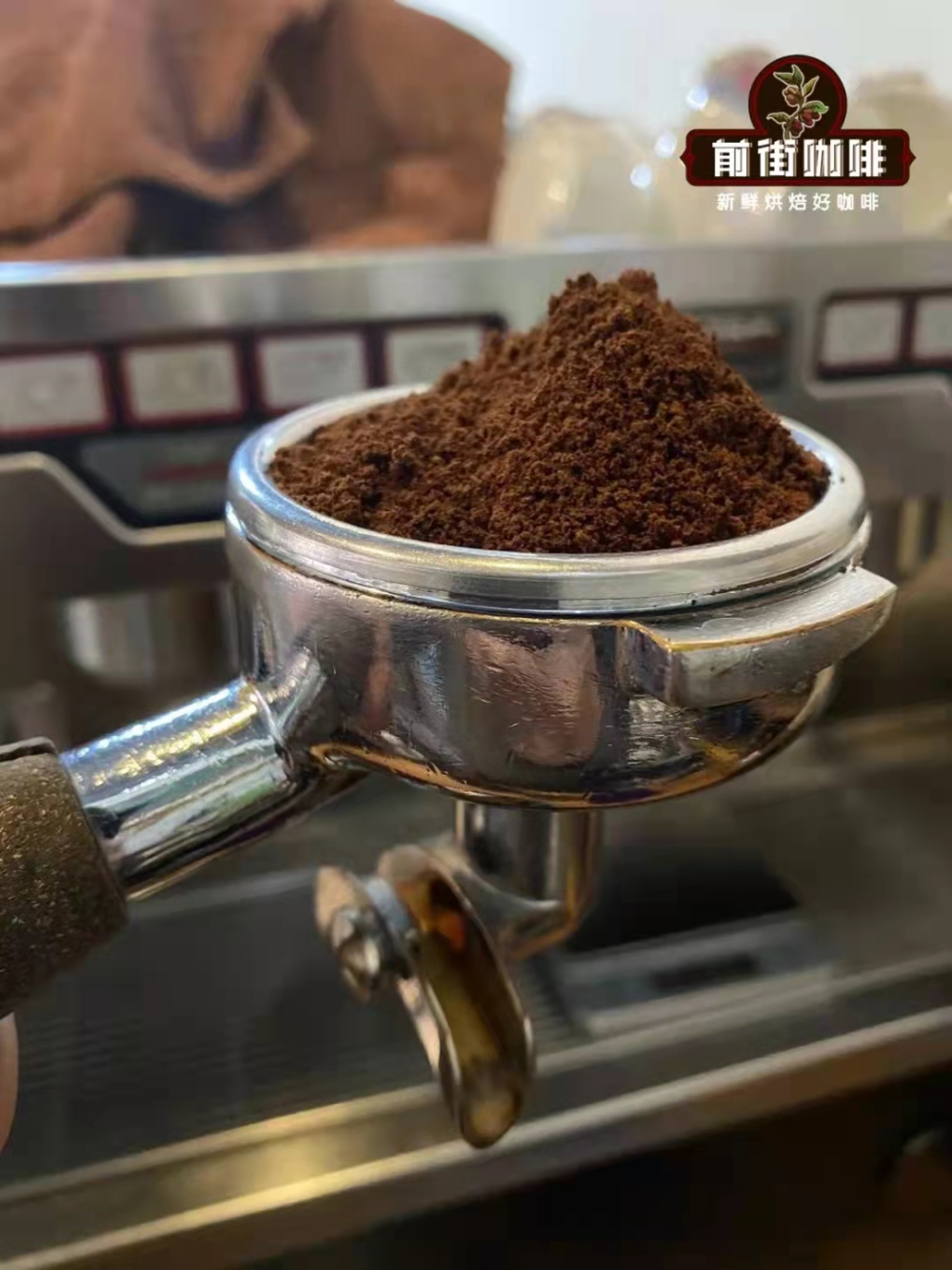
The next possible cause may be insufficient dose or grinding too fine. An insufficient dose will be reflected in the distance between the puck and the brew head. Normally, when the dose is obviously too much, the portafilter cannot be locked onto the brew head; the amount that can barely be locked on is when the surface of the puck just makes zero-distance contact with the dispersion screen. The way to judge is to first lock on the portafilter, then remove it, and observe whether coffee grounds have stuck to the dispersion screen.
There is also another situation where the dose is too small, and there is a certain gap between the puck and the dispersion screen, so during extraction the surface layer of coffee grounds may tumble. Once the surface structure is broken down, the resistance distribution is no longer consistent, and channeling can occur at any time. After extraction ends, remove the portafilter, and you can see that the surface coffee grounds are muddy and accompanied by perforation.
Generally, original baskets have an outward concave warning line. After tamping, the puck should not exceed this line, nor should it be too far from this line.
The third place to check is whether the dispersion screen is clogged. Remove the dispersion screen, press the extraction button, and if what comes out is a strong single stream of water, it indicates that the dispersion screen may not be functioning normally. The function of the dispersion screen is to disperse the water flow evenly, but during extraction fine particles are sometimes sucked back in and get stuck in the dispersion screen, causing uneven water flow distribution. During extraction, pressure on one side may be too great and break through the coffee bed. Therefore, it is very necessary to regularly remove the dispersion screen for cleaning.
The above content is compiled by CoffeeHunters, a coffee news website.


