







How does coffee grind level affect espresso channeling?
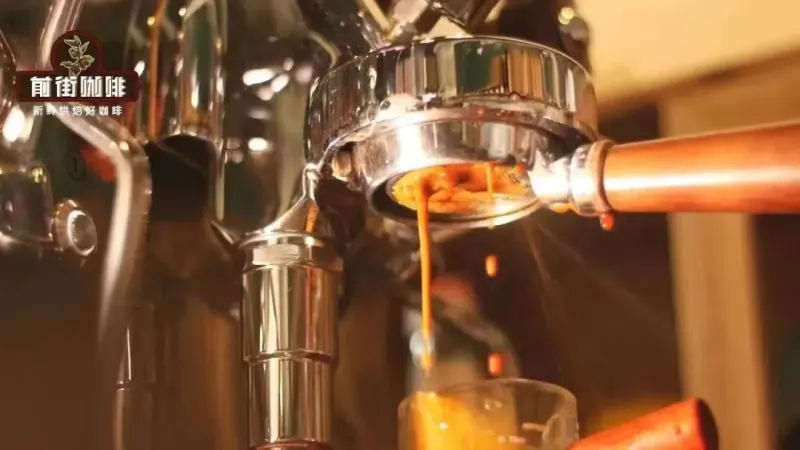
A flat-looking puck can still channel during espresso extraction. The surface reads even only because tamping pressed grounds of different depths to the same height, while density inside the basket varies. Water takes the path of least resistance, flowing through looser zones and forming channels that spray coffee liquid across the counter.
Two causes dominate: clumped grounds and distribution motions that push coffee out of alignment. Poor technique is seen more often, especially when coffee is ground straight into the portafilter. Loading through a dosing funnel or grinding directly into the basket each carries trade-offs, and the way grounds settle affects the coffee grind level the burrs should target.
Many coffee enthusiasts encounter a frustrating phenomenon when extracting espresso: the puck surface looks flat and even, yet channeling frequently occurs during extraction, with coffee liquid splattering everywhere. Front Street has recently received feedback from quite a few friends on this issue, and after analysis, we found that the root cause often lies in the actual uneven distribution inside the coffee grounds, rather than the surface flatness. This article will take a deep dive into the two main causes of channeling, focusing on the impact of improper distribution techniques, and will explain in detail the correct methods for leveling with your finger and tapping the portafilter, helping everyone improve extraction quality from the source.

Recently, quite a few friends have reported to Front Street a headache-inducing situation: their pucks look quite flat in appearance, giving the impression of even distribution, yet during extraction, channeling repeatedly occurs, with espresso liquid spraying and splashing everywhere, making a mess of the countertop.
The reason for this phenomenon is actually just one thing—a problem Front Street has emphasized repeatedly before—the coffee grounds are not evenly distributed inside the basket. The puck appears flat simply because tamping pressed coffee grounds from different areas to the same height, but the density of the coffee grounds actually varies from place to place inside the basket—some areas have more grounds, others fewer. Areas with more grounds are naturally denser, while areas with fewer grounds are looser, so during extraction, hot water preferentially passes through the looser areas with less resistance, and that is how channels form.
There are two main causes of this uneven distribution. First, too many clumped coffee grounds (Front Street has discussed this before); second, incorrect distribution motions that cause the coffee grounds to be misaligned. According to Front Street's observations, cases of channeling caused by the latter are more common, because many people are used to grinding directly into the portafilter.
Before performing distribution, you first need to load the ground coffee into the basket. There are only two ways to get the coffee grounds into the basket: using a dosing funnel, or grinding directly into the portafilter.
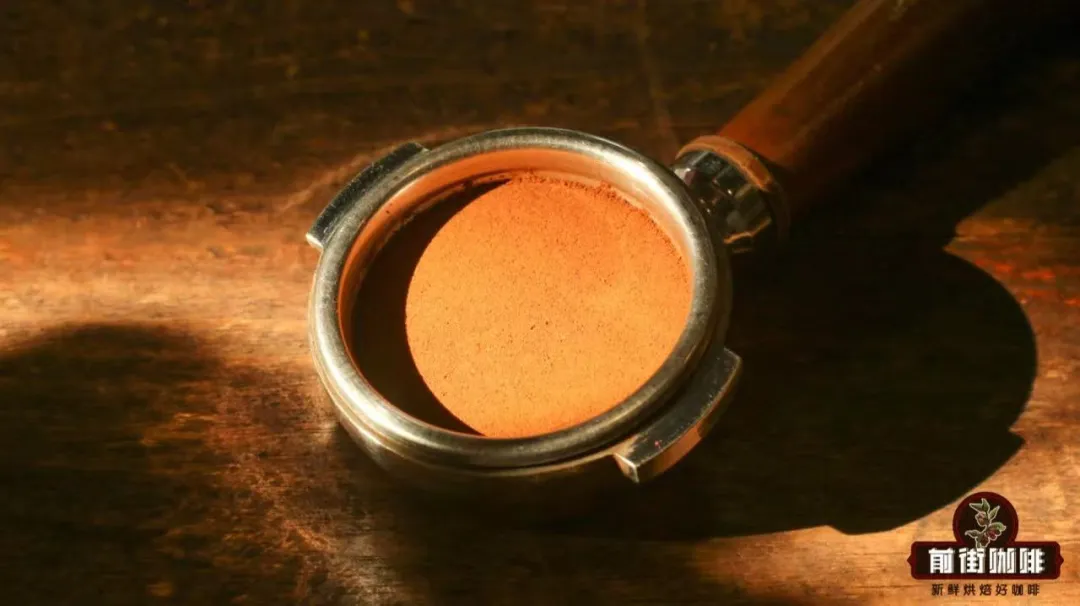
Each method has clear pros and cons. The advantage of a dosing funnel is that it allows the coffee grounds to fall more evenly into the basket, but the downside is that it adds a step, and the time to make a cup of coffee is extended accordingly; grinding directly into the portafilter is faster, but during collection the coffee grounds tend to pile up in one spot and gradually form a mound, after which you need to rely on your finger or shaking the basket to level the surface.
However, as long as you handle the leveling step improperly, the coffee grounds will concentrate toward the spot where they first piled up. For example, if the coffee grounds initially pile up in the middle, after incorrect leveling motions, you end up with more grounds in the middle and fewer around the edges, which then triggers channeling. Don't worry—next, Front Street will share how to level coffee grounds correctly~
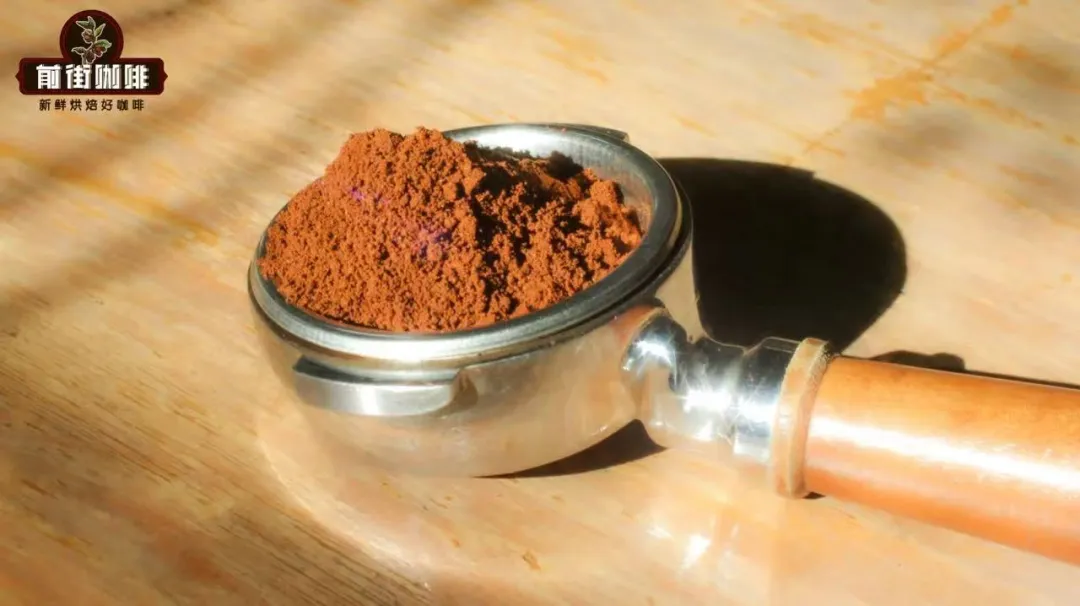
Leveling coffee grounds with your finger is arguably the most traditional distribution method. After the coffee grounds are poured into the basket, we use our index finger or the web between thumb and index finger to push and sweep the coffee grounds that rise above the basket back and forth, so that the grounds at higher points fill into the lower gaps as much as possible, completing a fairly basic distribution of the coffee bed.
There is one key point to note during leveling: your finger should only push the coffee grounds forward, and must never apply downward pressure. Because once your finger presses down, the area being pressed will be compacted first, and afterward it becomes very difficult to redistribute the grounds there to other spots by shaking or tapping. There is also one more reminder—remember to wash your hands first.
.
After using your finger to do a preliminary distribution of the coffee grounds, you still need to shake or gently tap the portafilter to redistribute the coffee bed a second time, and this step is exactly where many friends make mistakes most easily!

Many people at this stage grip the portafilter tightly and then tap hard. What does this cause? All the coffee grounds gather in the direction you tap. Although this does make the surface look level in a short time, that is only on the surface! Because the vast majority of the coffee grounds have actually concentrated at the spot you tapped, which likewise triggers channeling!
Therefore, when tapping the portafilter by hand, try not to grip or tap with too much force. Only then can the coffee grounds be distributed as evenly as possible through the shaking, thereby improving extraction quality.
- END -
The above content is compiled by CoffeeHunters, a coffee news website.


