







Reading the Coffee Bed: Faulting and Extraction
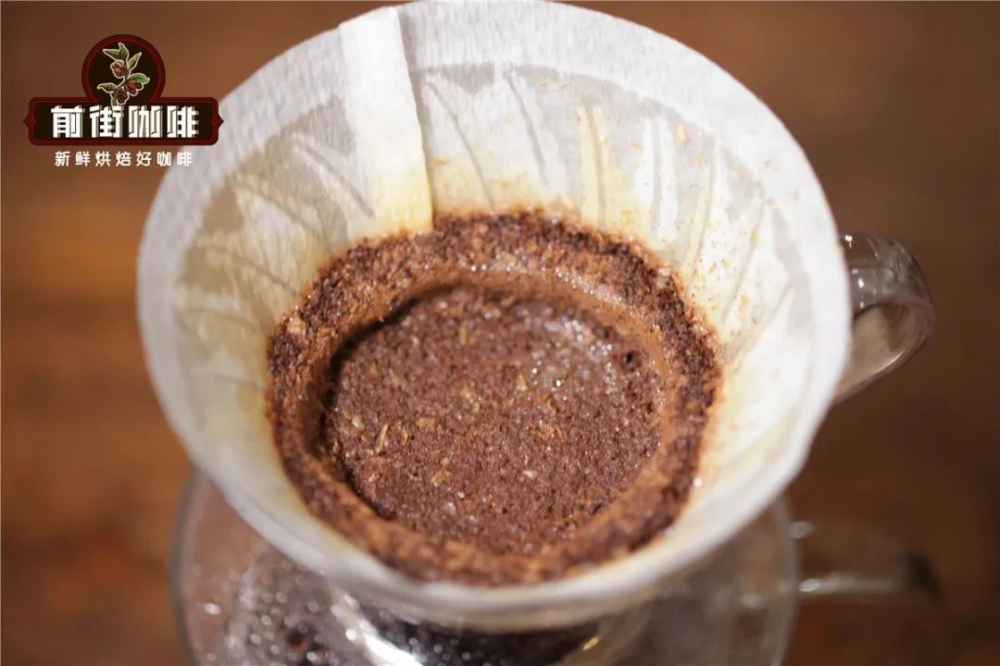
After brewing a pour-over, the shape of the coffee bed tells a story. A full, even wall of grounds suggests stability. But when grounds pile at the bottom and a clear line separates them from a short wall, that is faulting. It often comes from a conservative pour: a thin stream kept in a small circle. This can over-extract the center and under-extract the edges, leaving the cup concentrated and dull. Understanding this helps you adjust your technique.
To avoid faulting, vary your pour. Start with a gentle spiral to saturate all grounds, then pour in wider circles that reach the edges. This keeps the whole bed active and promotes even extraction. If you already see faulting, try a slightly higher pour or a gentle stir. Small changes in water flow and pattern can balance flavor and improve your daily brew.
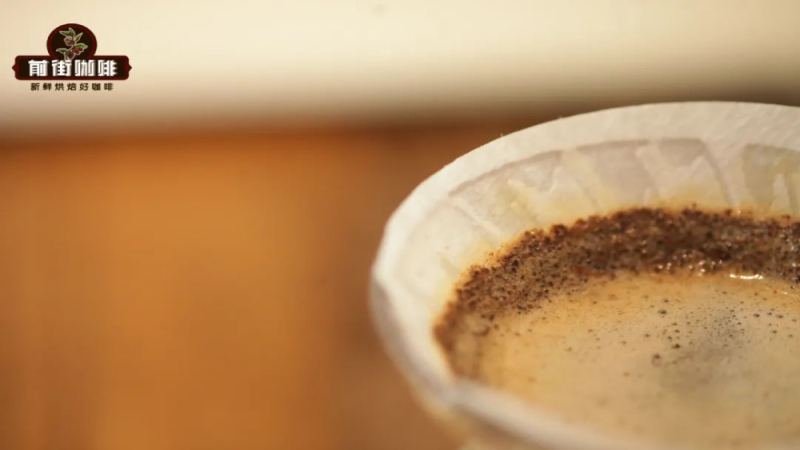
After each pour-over, observing the shape of the coffee bed in the dripper is a habit for many coffee enthusiasts. A complete and evenly thick wall of grounds often brings peace of mind, while an abnormal bed inevitably makes one wonder which part of the brewing process went wrong. When chatting with coffee lovers, Front Street Coffee has noticed a common coffee bed issue—faulting—which appears as a clear boundary between the coffee bed and a shorter wall of grounds. This shape is usually related to two types of brewing habits: one is the "conservative" type who uses a small stream and pours cautiously throughout, and the other is the "casual" brewer who circles arbitrarily and adds water at the end. This article will combine the different manifestations of coffee bed faulting to analyze the extraction logic behind it, helping everyone understand the connection between coffee bed shape and coffee flavor, so as to make more evidence-based adjustments in daily brewing.
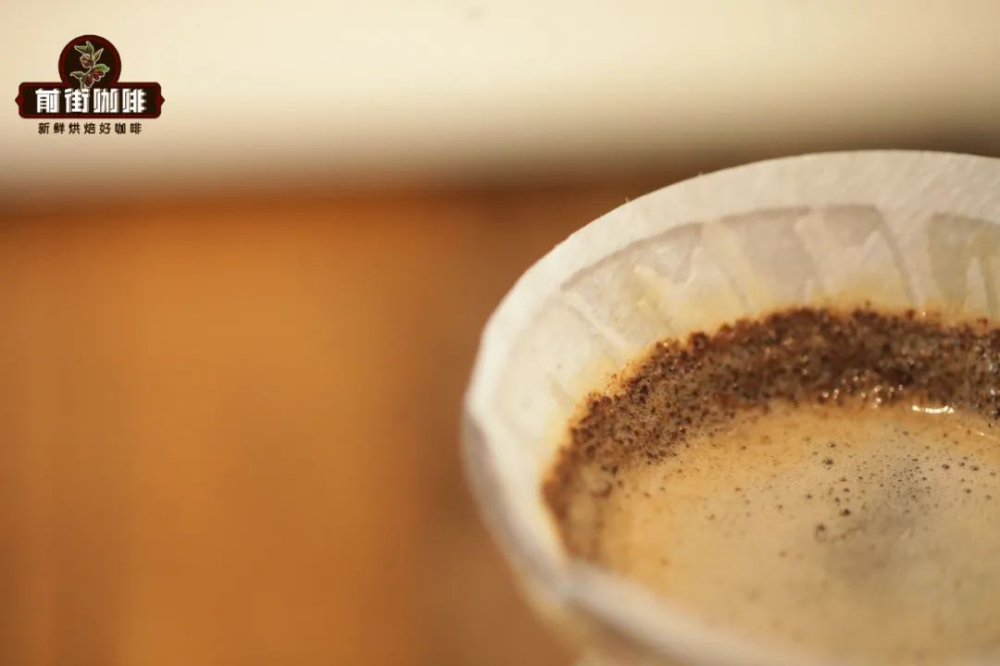
After brewing a cup of pour-over coffee, observing the coffee bed is a fixed routine for many people. An even wall of grounds that retains some thickness makes one feel that this brew was stable; but if the shape of the coffee bed is off, one cannot help but wonder whether some pouring stage went wrong. When talking about brewing with friends around him, Front Street Coffee noticed that some people brew a coffee bed that does not form a decent wall of grounds at all, with the coffee grounds basically all piled at the bottom. After the coffee liquid drains, an obvious dividing line appears between the bottom coffee bed and the short wall of grounds beside it—this is what is called faulting.
A coffee bed with faulting often comes from those whose brewing style is on the conservative side. Out of caution, they maintain a thin stream from beginning to end, controlling the water column within a small circle until the planned amount of water has been poured, worrying that any extra movement will ruin the cup. But this careful operation most likely makes the coffee taste too concentrated, and the mouthfeel also seems dull and oppressive.
The reason is that the coffee layer in the middle of the dripper is continuously agitated by the straight stream, rolling more and more violently, and the contact area between coffee grounds and water is therefore greatly increased. On the contrary, the coffee grounds on the outer edge that are never directly struck by the stream cling tightly to the filter paper and gradually pile up into a thick wall of grounds. As a result, the extraction rate in the central area is higher, while the extraction rate around the periphery is lower, making the extraction of the whole cup very uneven.
Another typical situation of a broken wall of grounds is also very common, and the style of this type of brewer is exactly the opposite of the conservative type. They prefer to treat brewing parameters casually, with their eyes only following the dripper as they go in circles, and stop pouring once it feels about right. When they look back at the electronic scale, they find that they are still some way from the target water amount, so they add another pour of water at the center.

Professional coffee knowledge exchange For more coffee bean information, please follow Coffee Workshop (WeChat public account cafe_style)
For more specialty coffee beans, please add the private WeChat of Front Street Coffee (FrontStreet Coffee), WeChat ID: qjcoffeex
The above content is compiled by CoffeeHunters, a coffee news website.


