








How Does Channeling Affect Pour-Over Coffee Brewing?
Channeling happens when hot water bypasses the coffee bed and escapes through the gap between the filter paper and the dripper, so part of the water never extracts properly. In pour-over coffee brewing it produces uneven extraction: mild cases overflow through top gaps, while severe cases collapse the coffee wall and leave thin, astringent, muddy coffee.
Drippers with flow-controlling ribs, such as the V60 and Origami, are more prone to the problem because those ribs deliberately leave channels that speed up drainage. Adjusting the pouring technique helps: reduce wide circular pours and lower the pouring height so water moves through the grounds rather than around them.
Channeling is often thought to be relevant only to espresso, but in reality, it can also occur in pour-over brewing. When hot water bypasses the coffee bed and flows directly through the gap between the filter paper and the dripper, it causes uneven extraction. Drippers with flow-controlling ribs, such as the V60 and Origami, are more prone to this issue. Channeling manifests differently depending on severity: in mild cases, hot water overflows the coffee bed and escapes through gaps at the top; in severe cases, the coffee wall collapses, forming an obvious fault line that results in thin, astringent, and muddy coffee. Fortunately, by adjusting the pouring technique—such as reducing wide circular pours and lowering the pouring height—you can effectively reduce the occurrence of channeling.

The so-called "channeling" refers to water taking the path of least resistance through the coffee bed during extraction due to its natural tendency, causing that portion of water to bypass proper extraction and ultimately resulting in uneven extraction overall. When Front Street Coffee discusses channeling, it is often in the context of espresso! However, in reality, channeling can also occur during pour-over coffee extraction!
Channeling in Pour-Over Extraction
The reason channeling is almost always discussed in the context of espresso is that once this problem occurs, it has a quite noticeable impact on the taste and flavor of espresso; by comparison, pour-over coffee is affected to a lesser degree, and because the brewing process is transparent and visible, we still have opportunities to make timely adjustments after certain channeling occurs.
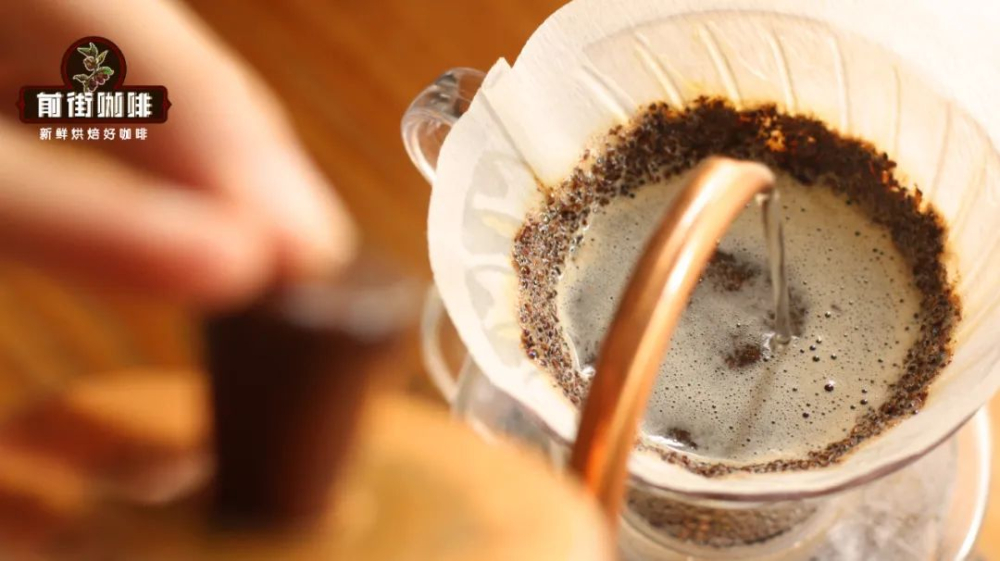
Generally speaking, devices like the V60 and Origami, which rely on flow-controlling ribs to prop up the filter paper and create water channels between the dripper and the paper, are more susceptible to channeling. The original design intent of these drippers is to prevent over-extraction caused by excessive steeping time during brewing, deliberately leaving gaps to allow water to pass through more quickly!
Therefore, when pouring, not all hot water seeps downward; while seeping down, it also flows away along the gaps created by the flow-controlling ribs, greatly increasing the drainage speed! Normally, coffee particles adhere to the sides of the dripper due to the impact of the water flow, so before the hot water flows through these gaps, it first "carries away" the soluble flavor compounds hidden in the coffee wall!
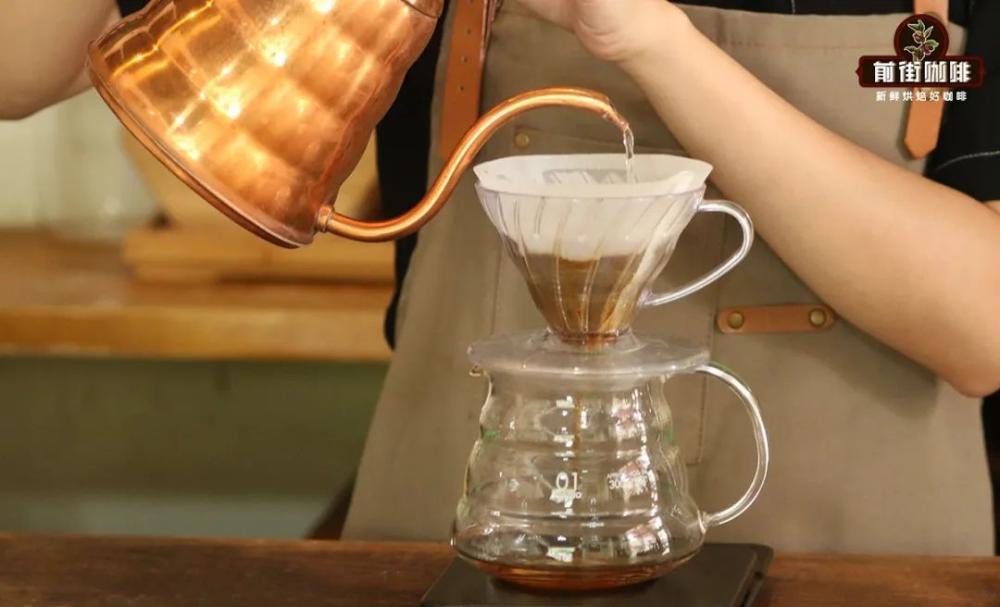
However, if the hot water poured in does not wash over the coffee wall, that portion of water will seep directly through the gaps, completely bypassing extraction and dripping straight into the server, thereby negatively affecting the extraction and taste of the coffee—this is what we call channeling.
A milder scenario is when too much water is poured and the water level rises above the coffee bed! Since the amount of coffee grounds is limited and cannot fully cover the filter paper, when the hot water exceeds the height of the coffee wall, the excess water escapes directly through the gaps at the top without participating in any extraction!
But as mentioned earlier, this is a relatively minor situation. This is because only a small portion of hot water at the very top is affected, while the rest of the hot water inside the coffee bed continues to extract normally. If you use a multi-pour brewing method, you only need to adjust your technique during subsequent pours to avoid some of the negative flavors!
Next is the irreversible situation: after brewing is complete, if you notice an obvious gap in some part of the coffee wall, and you can even see the filter paper directly, that means channeling occurred during extraction due to improper brewing technique (continuous wide circular pouring, or pouring at a fixed point in the corner)! Since this is observed only after extraction is complete, it is basically impossible to remedy!
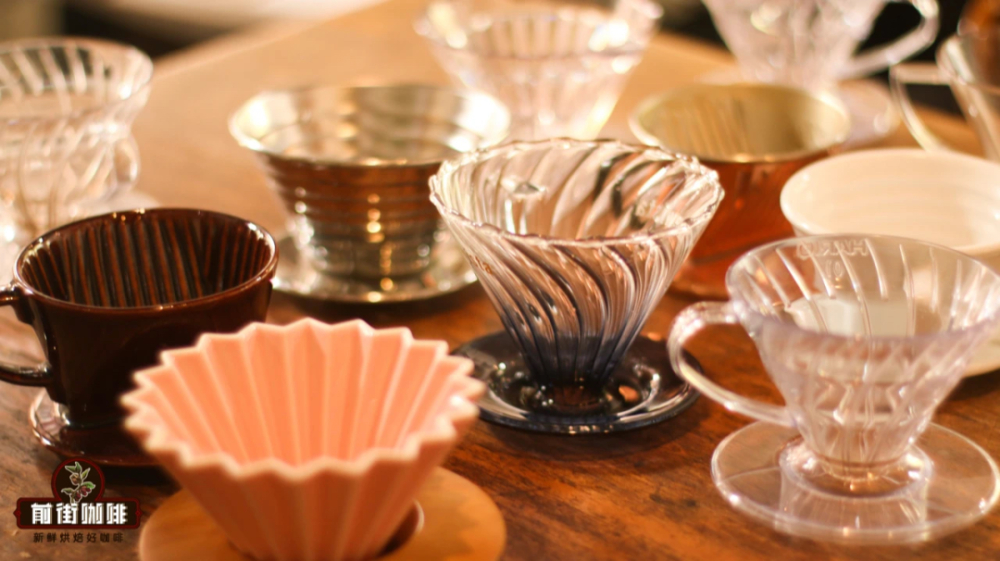
However, the above cases of channeling are still relatively mild. More severe is when you can see a very abrupt fault line!
This situation occurs when the force of the water column during pouring is too strong, directly collapsing the coffee wall. This type of problem is quite serious: a large amount of unextracted hot water drips directly into the server, and the only effect is ruining the final taste of the coffee! Thin, astringent, and muddy—these are the most common characteristics of coffee brewed with this kind of coffee wall condition!
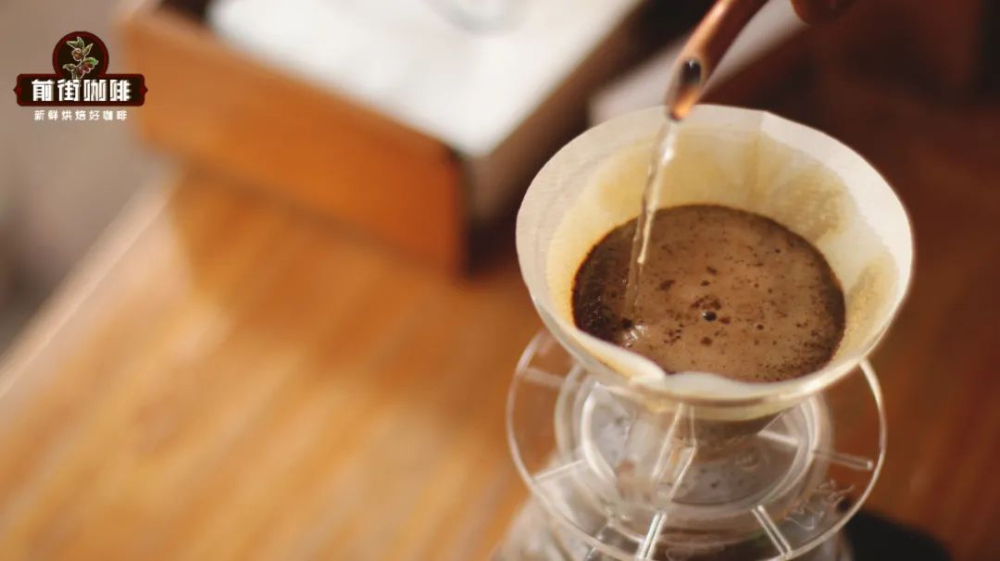
Of course, not all coffee walls subjected to strong impact will develop a fault line! For example, in the early stages of brewing, although the coffee wall may crack due to relatively strong impact, as the water level rises with subsequent pouring, the coffee particles at the top re-cover the crack as they settle, creating the illusion of normal extraction!
Therefore, when we observe channeling during extraction, we must correct our technique in the next brew: reduce wide circular pouring to avoid hitting the dripper wall, lower the pouring height to reduce the impact force of the water flow, and so on—these measures can effectively reduce the probability of channeling occurring~
- END - Front Street Coffee
No. 10, Baoqian Front Street, Yandun Road, Dongshankou, Yuexiu District, Guangzhou, Guangdong Province
The above content is compiled by CoffeeHunters, a coffee news website.


