





How Does Channeling Affect Pour-Over Coffee Extraction?
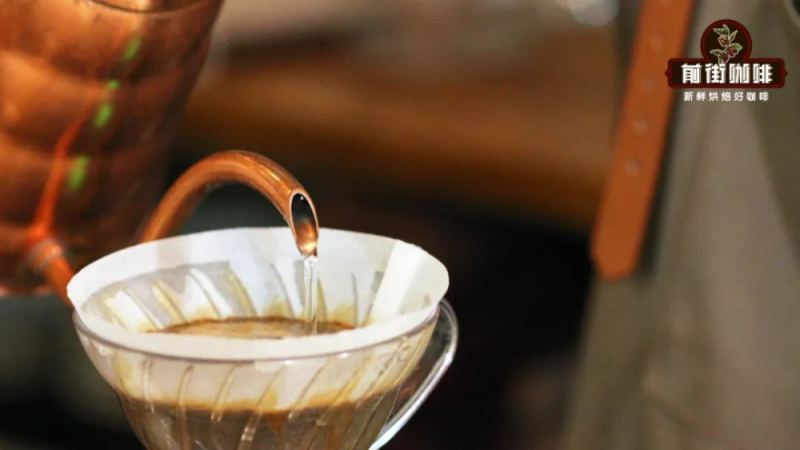
Channeling is when water bypasses the coffee bed and runs along the path of least resistance, so part of the grounds is under-extracted. It is most dramatic in espresso, but any filter brew, including pour-over, can develop it. Telltale signs with a V60 include an incomplete coffee bed wall, water breaking through the bed wall, and a rising liquid level with light roasts.
In espresso, uneven distribution and density let water punch through loose areas, leaving visible puncture marks and a lighter, thinner liquid. In pour-over the flavor and mouthfeel suffer less, but a brew that tastes weak or astringent coffee can still point to channeling. Checking the shape of the bed after the pour is a simple way to judge how severe it was.
Channeling is a common yet easily overlooked problem in coffee extraction. It refers to water bypassing the coffee bed and flowing quickly along the path of least resistance, resulting in uneven extraction. This phenomenon is especially pronounced in espresso, but pour-over coffee is also at risk of channeling. From Front Street's perspective, this article first explains the essence of channeling, then uses the V60 dripper as a specific case to analyze several typical manifestations—incomplete coffee bed walls, water breaking through the bed wall, and the liquid level rising in light-roast beans—to help coffee enthusiasts identify the problem and understand its impact on pour-over flavor.
Channeling?
As usual, Front Street will first clarify the concept of "channeling." In our imagined ideal extraction state, water should pass evenly through the entire layer of coffee grounds, bringing out all the flavor compounds it should—ideally without wasting a single drop. But water is inherently lazy; it always takes the path of least resistance.
Take espresso, for example. When distribution and tamping are done properly, the coffee puck blocks all shortcuts, forcing water to permeate the entire bed, so naturally very little water sneaks around.
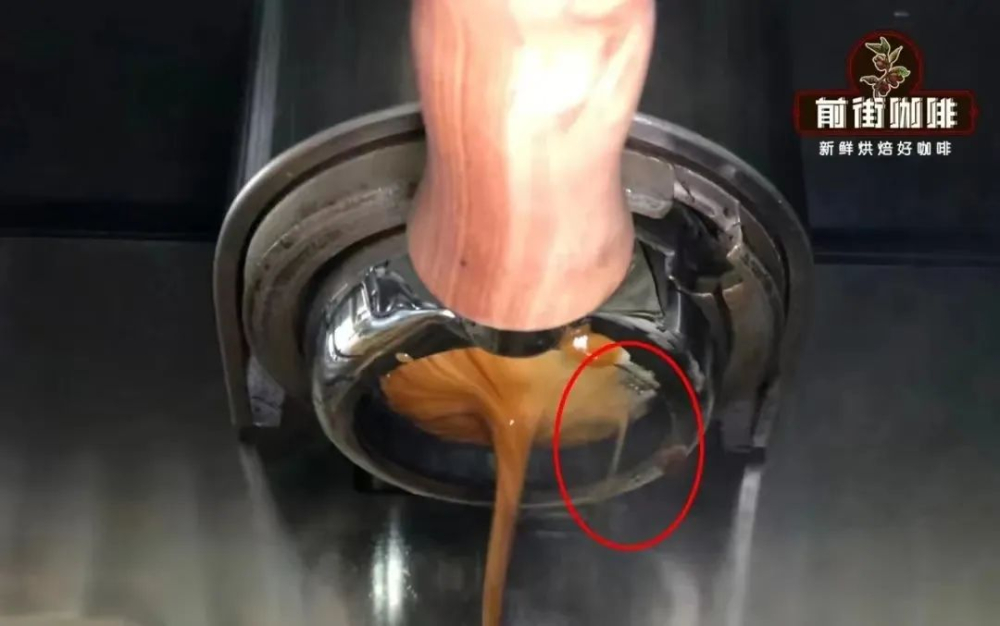
But if the grounds are distributed unevenly and the density varies across the puck, water during extraction will easily break through the loose areas, punching a channel through. Subsequent water then flows straight through this channel, resulting in under-extraction. As shown in the red circle in the image, channeling causes a large amount of water to spray out from the puncture, and the resulting coffee liquid is noticeably lighter in color than normal.
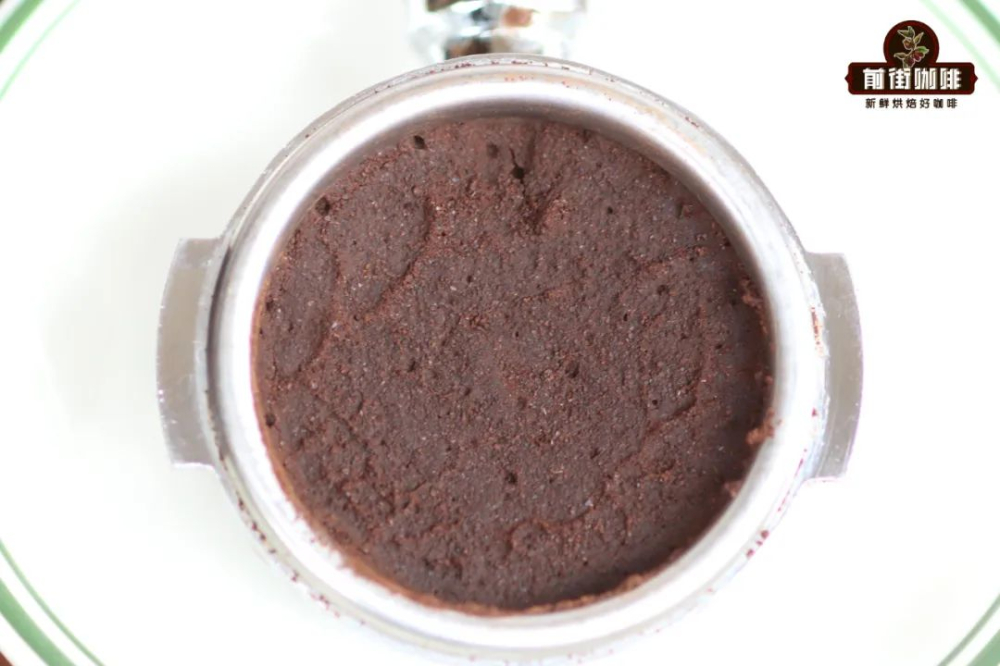
When channeling is relatively severe, obvious puncture marks are left on the puck.
Can pour-over coffee also have channeling?
In fact, any form of filter extraction can potentially develop channeling. The reason Front Street mentions it more often in espresso is that channeling has a particularly large impact on espresso's flavor and mouthfeel. When channeling occurs in pour-over coffee, the flavor and mouthfeel are indeed affected, but the severity is far less than in espresso.
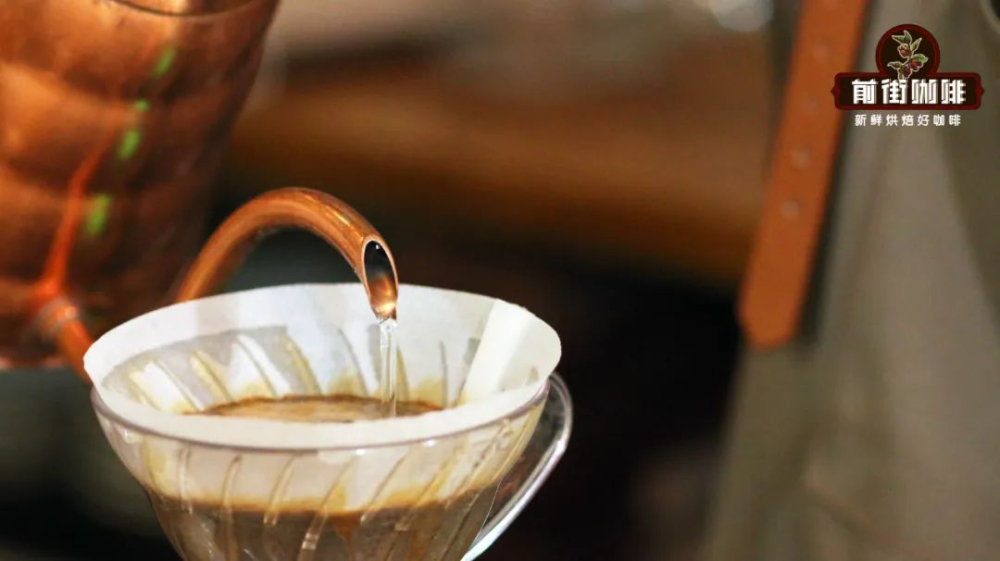
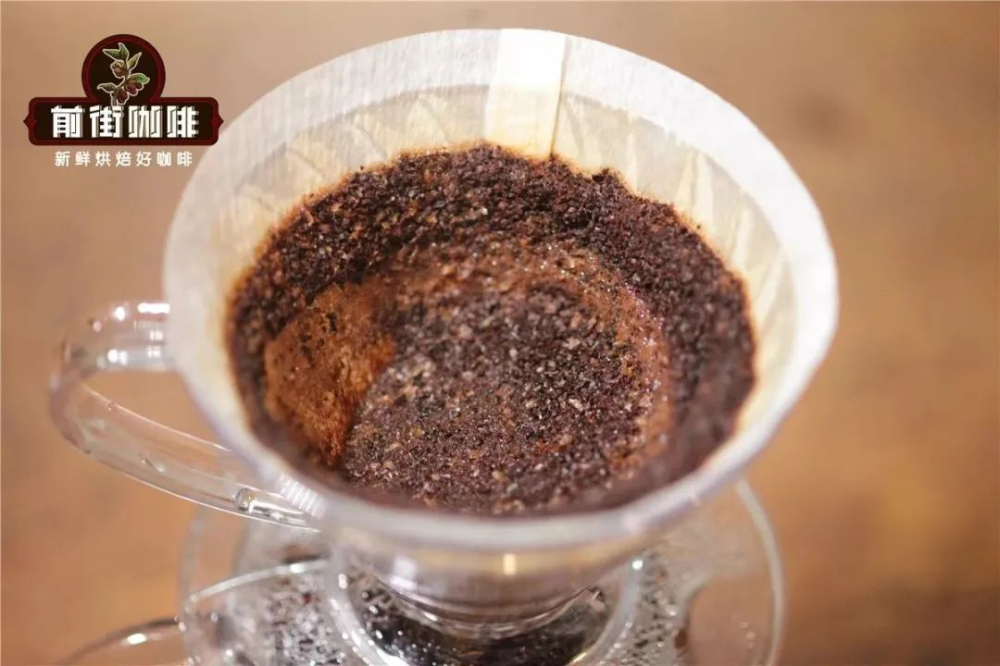
If you find an incomplete coffee bed wall after brewing, it means the channeling this time was relatively severe. Front Street uses the V60 as an example: the V60 dripper has spiral ribs on its inner wall, designed to lift the filter paper and prevent over-extraction from prolonged immersion. But lifting also has a side effect—water tends to flow along the ribs. However, if a layer of coffee grounds adheres to the edge of the filter paper, then even if water flows along the ribs, it must first pass through this coffee bed wall to reach them.
Once the coffee bed wall is incomplete, it means some water bypassed the coffee grounds and slipped directly along the edge of the dripper—this is channeling.
An even more severe situation is when the water stream during pouring directly hits the filter paper, collapsing the original coffee bed wall.
The situation shown in the image above occurs because the water column has a curve to it during pouring. Although the surface bed wall isn't broken at the moment of pouring, the curve causes the bed wall below to be pushed open, and a large amount of water flows away from here, making the coffee taste weaker with astringent and muddy notes.
Of course, just because the bed wall isn't broken after brewing doesn't mean there's no channeling. If you keep pouring in large circles, the force of the water column during brewing can also create channels—it's just that when the liquid level later drops, the surface coffee grounds adhere to the punctured area at the edge and cover it, making it look intact.
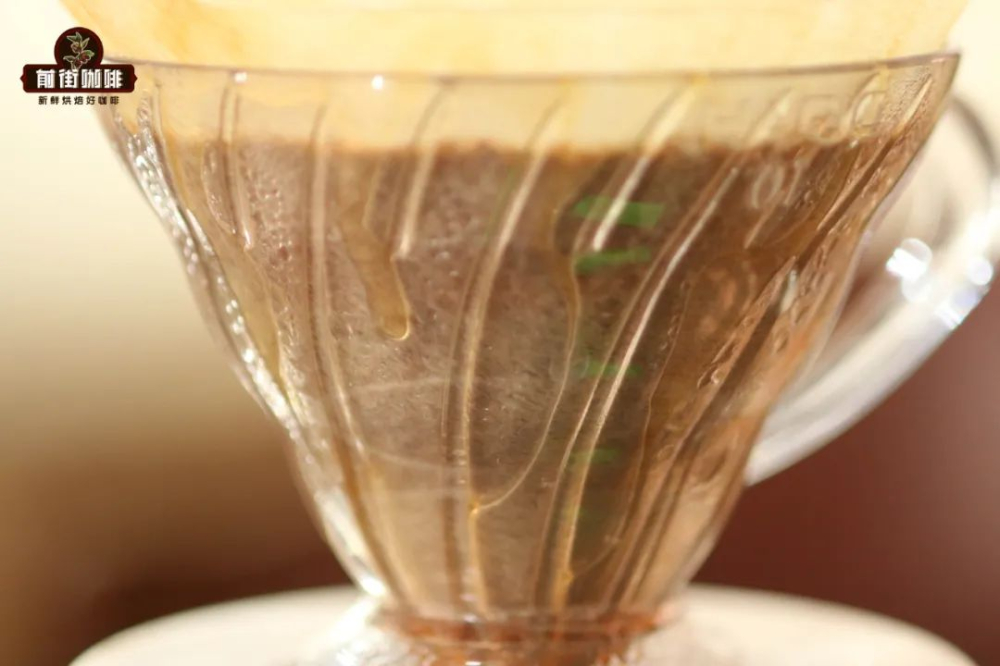
There is also a milder form of channeling, where water rises above the bed wall. This is commonly seen with light-roast coffee beans. Light-roasted beans have denser fibers and fewer grounds floating on the surface, so when the liquid level rises to a certain height, there aren't enough coffee grounds to serve as the bed wall, creating a void area. However, it only affects the top layer of water—as long as the liquid level drops below that area, it's fine. But the water that has already flowed away is like lost youth—it never comes back.
The above content is compiled by CoffeeHunters, a coffee news website.


