We often hear experienced coffee folks or bloggers say: "Master your puck prep, and your pour-over will taste better!"Some friends find this very confusing! Since they've just gotten into coffee, they haven't even figured out what the coffee bed actually is, let alone how to manage it. So yesterday, a friend came to the shop to chat and asked about Front Street Coffee's specific practices.
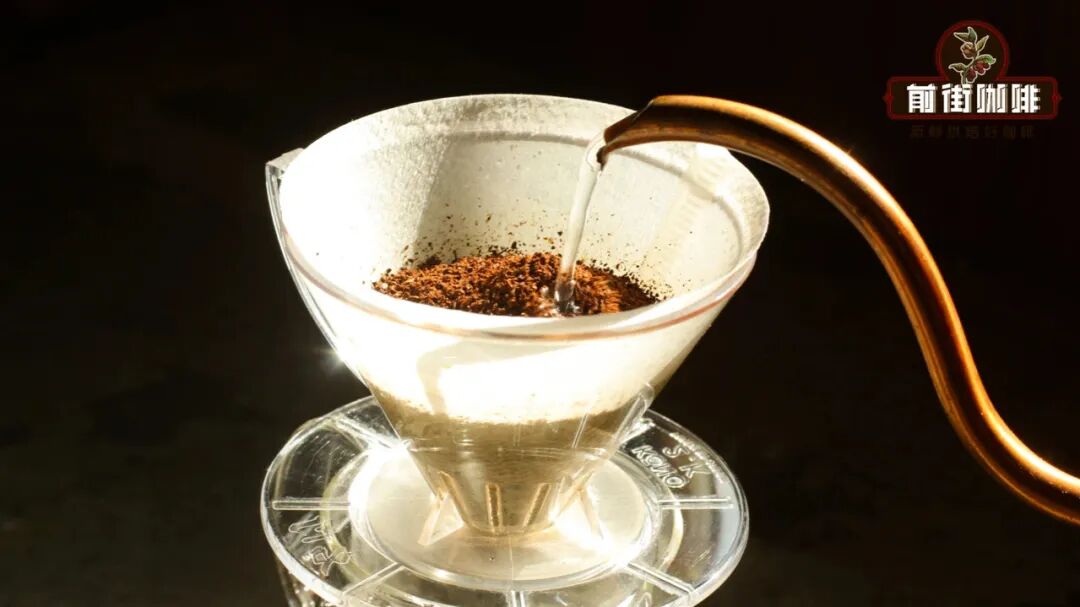
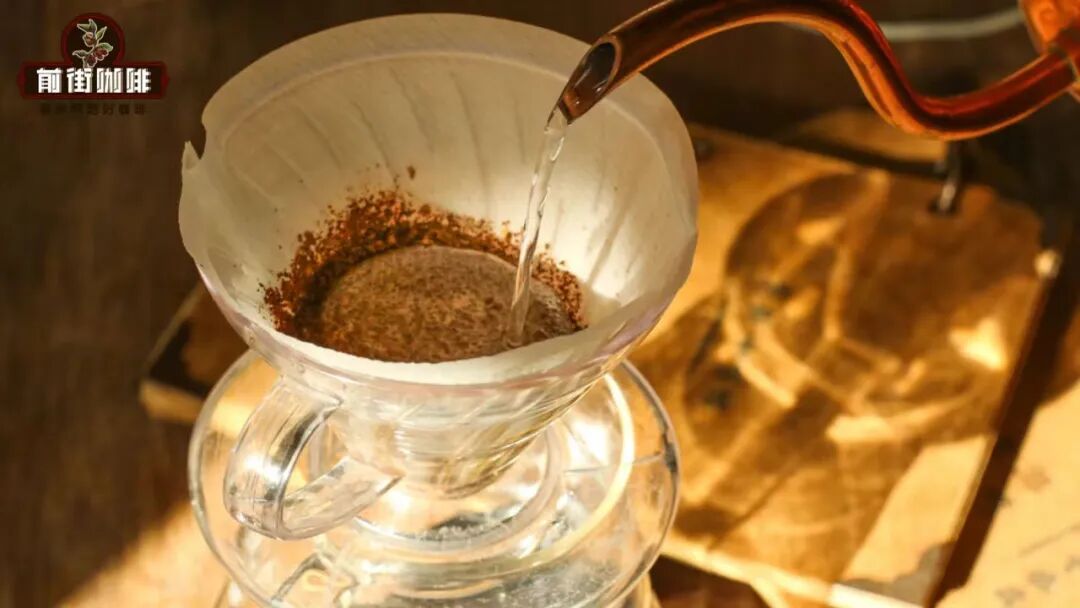
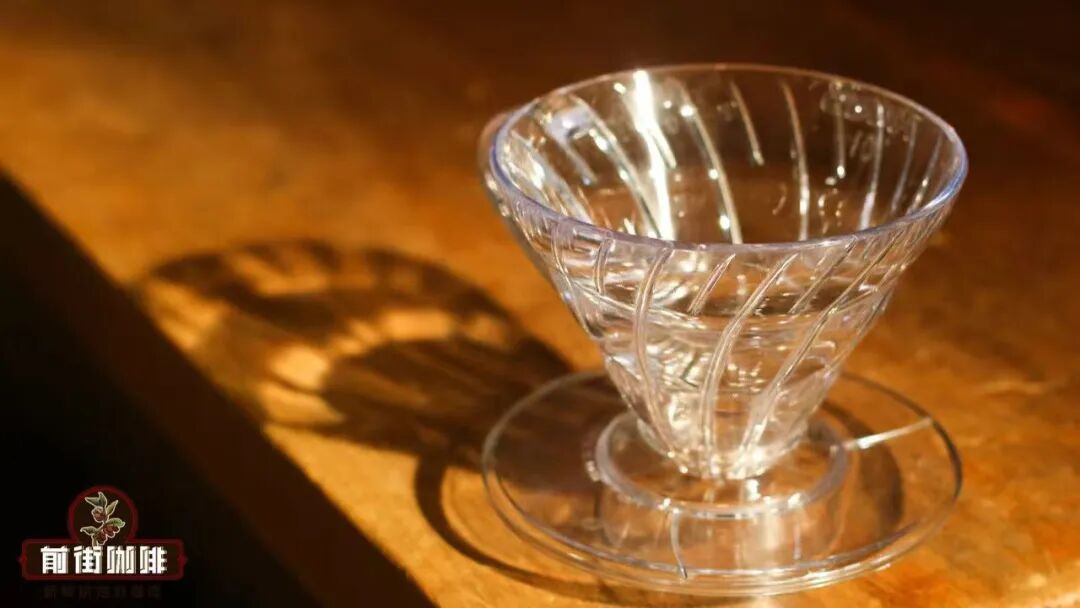
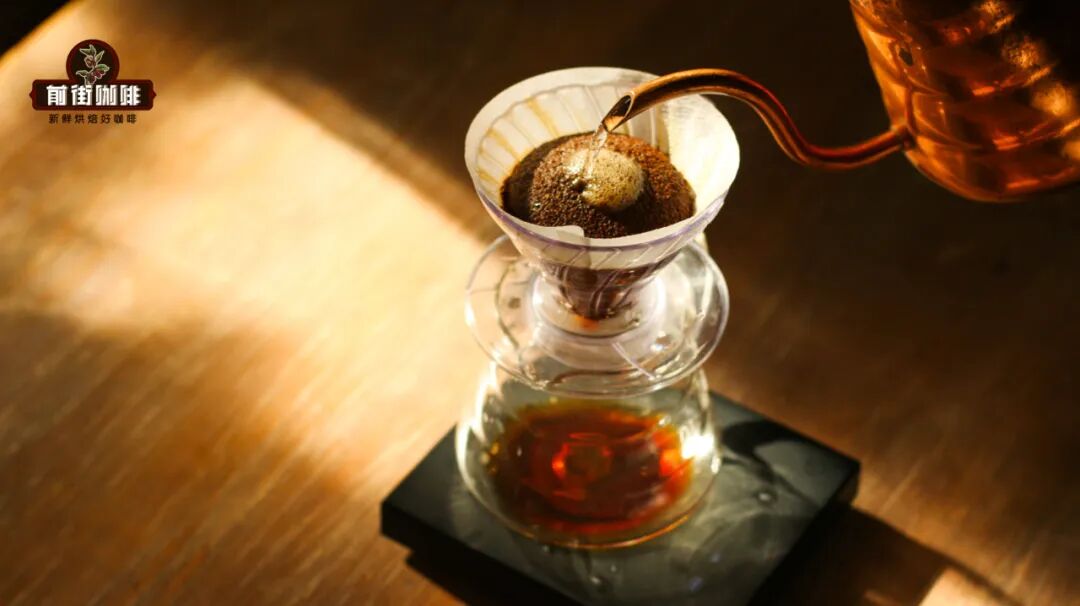
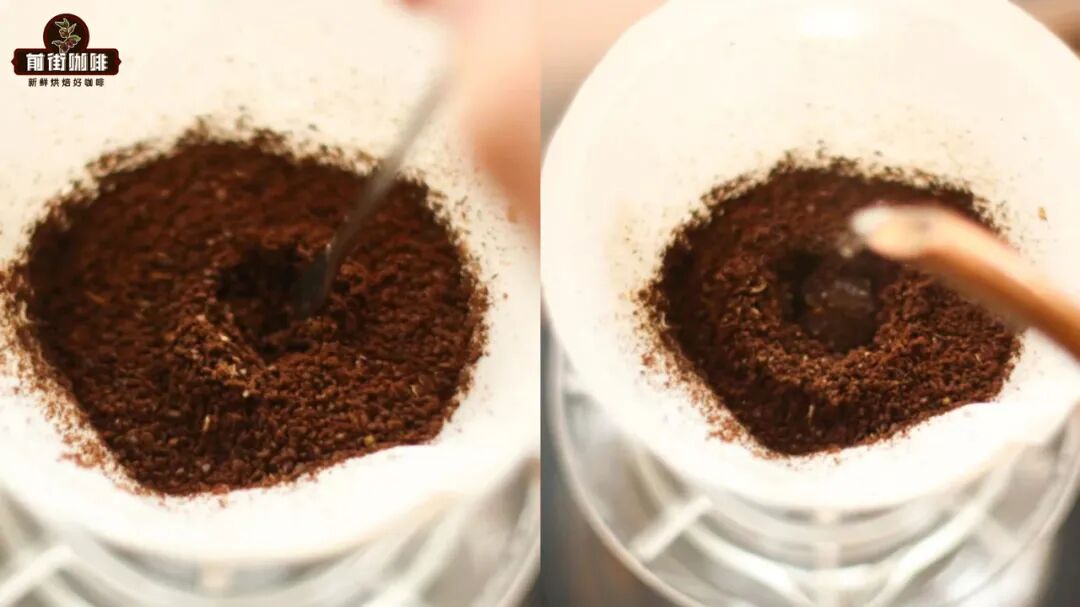
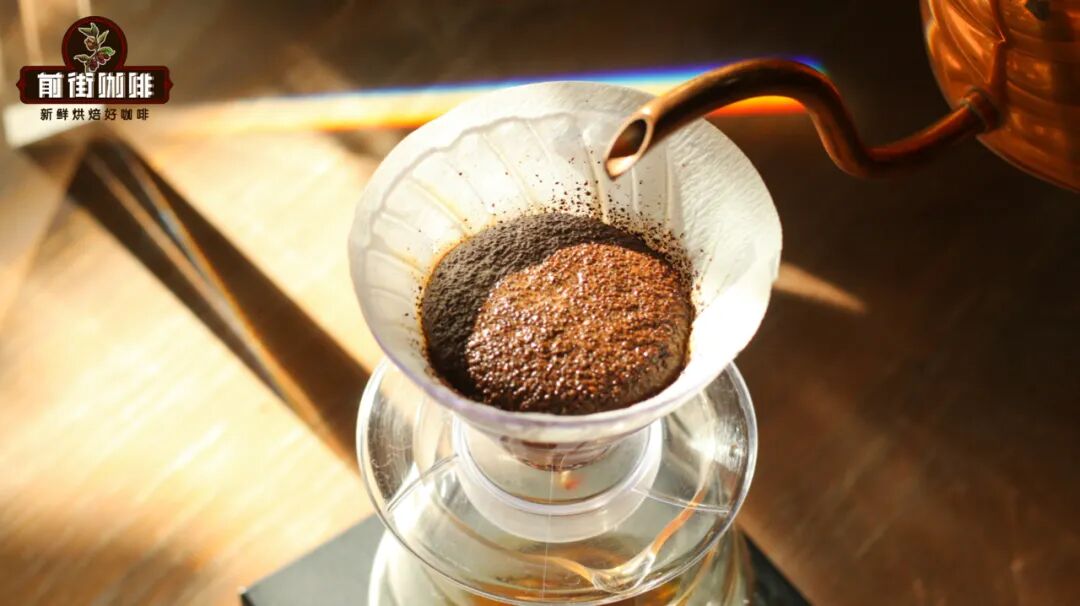
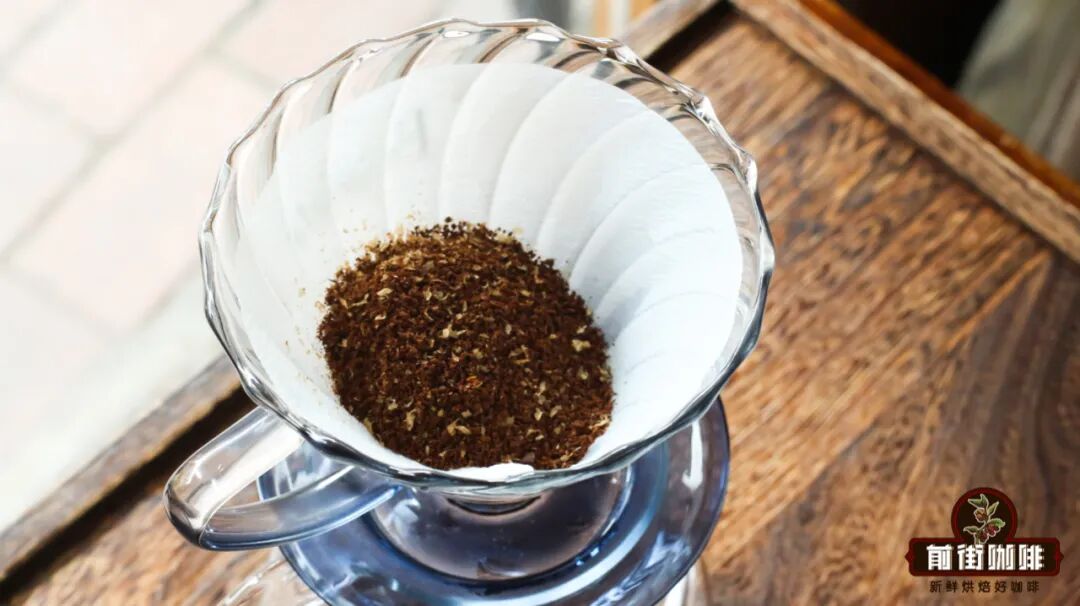
What is coffee bed management?The coffee bed is easy to understand—it's the structure formed by coffee grounds piling up in the dripper. Its shape constantly changes as hot water is poured in. For example, the various bed shapes Front Street Coffee often shares are the final form the coffee bed takes after being washed by hot water during brewing.So-called coffee bed management means controlling the distribution and structure of coffee grounds in the dripper through various methods. Its purpose is to achieve more even extraction, making it easier for us to brew delicious coffee.Why manage the coffee bed?The essence of coffee extraction is using water as a solvent to dissolve flavor compounds out of the coffee grounds. But the soluble substances in coffee are limited—only 30% of the bean's weight. And within that 30%, some compounds are unpleasant, making the coffee bitter, muddy, and astringent. If we dissolve all of them during brewing, the coffee will have very obvious bitterness and off-flavors, making it hard to swallow.Fortunately, the vast majority of these are large-molecule substances that dissolve slowly, so as long as we brew with reasonable parameters, it's generally hard for them to be dissolved out in large amounts.However, using the right parameters doesn't completely prevent ruining a brew. During coffee extraction, the appearance of channeling can affect our extraction and make it very uneven.Because water is lazy, its flow path isn't perfectly vertical downward percolation—it tends to concentrate in weak spots in the coffee bed, places where it can flow easily. If such easy-flow channels exist in the coffee bed, hot water will preferentially flow through them during extraction.This leads to a situation where, because a large amount of hot water concentrates and escapes through the channels, the coffee grounds inside those channels receive excessive extraction, and their undesirable negative compounds get dissolved out in large quantities. Meanwhile, the coffee grounds outside the channels receive less hot water, so their positive compounds don't fully dissolve out. In the end, we get a cup that's both bitter and sour, with very uneven extraction—a "disgusting"(not tasty)cup of coffee!Besides channeling, many other factors can cause uneven extraction. If we want to brew a better cup of coffee, we first need to eliminate these negative factors. And that is the main purpose of coffee bed management. Put simply, coffee bed management is about letting hot water extract all the coffee grounds relatively evenly. So next, let Front Street Coffee share how the coffee bed can be managed!1. Thickness of the coffee bedFirst is the thickness of the coffee bed. Choosing the right dose for brewing can also be considered part of coffee bed management. Drippers of different sizes and shapes have different optimal doses—for example, the 01 model V60 pairs best with a brew dose of 15–20g.It's not that coffee brewed with other doses in this dripper tastes bad—it's that this dripper makes it easier to brew delicious coffee with this dose. As Front Street Coffee mentioned earlier, the coffee bedis a "bed structure" formed by coffee grounds piling up in the dripper. The amount of coffee grounds determines whether the bed is thick or thin in the dripper.The more grounds there are, the thicker the bed becomes. Hot water takes longer to penetrate the bed, and vice versa; at the same time, since the ratio is fixed, the more grounds used, the more water is needed, and vice versa.With parameters and brewing method fixed, too much coffee will easily produce an over-extracted cup, mainly due to excessive extraction time, while too little coffee will cause under-extraction because the contact time between water and grounds is insufficient. So when many parameters can't be changed, it's best to brew with the recommended dose for each dripper.2. Raising the coffee bedYes, it's the familiar "raising the coffee bed" again. This technique is a very practical method of coffee bed management—it allows the coffee to be extracted more evenly. Especially when we use a larger dose, its advantages become even more obvious.Generally speaking, coffee grounds at the surface layer receive higher extraction efficiency than those at the bottom layer, and this gap increases with the dose and bed thickness.This is because the hot water extracting the surface grounds has very low concentration and hasn't yet been cooled by the coffee grounds, so it has quite high extraction efficiency and can easily dissolve flavor compounds from the grounds. The bottom-layer grounds, on the other hand, are mainly extracted by high-concentration liquid that has already become coffee, so the efficiency is relatively low—therefore(bottom-layer coffee grounds)fewer substances get dissolved out. If we want the bottom-layer grounds to have an extraction rate closer to that of the surface-layer grounds(or to avoid over-extracting the surface grounds and under-extracting the bottom grounds)then we can increase the pouring flow so that the surface grounds rise with the water level and cling to the dripper's wall, forming a "coffee wall." Since the surface grounds are now stuck to the dripper wall, we can directly flush the bottom-layer grounds. Then, by concentrating the hot water in the center of the dripper for extraction, we can narrow the extraction gap between the two, making extraction more consistent.3. The small hole for bloomingA while ago, Front Street Coffee shared a small trick to improve bloom quality—it's also a method of coffee bed management. Before brewing, we first dig a small hole in the center of the coffee bed, then during blooming, pour some of the hot water preferentially into this hole.The benefit is that it shortens the distance for hot water to reach the bottom-layer grounds, allowing the coffee to bloom more thoroughly. Often, due to channeling, the hot water poured during blooming doesn't necessarily wet all the coffee grounds. Especially the grounds at the bottom of a conical dripper—because the bed is too thick, they often can't be moistened by hot water during blooming and can't fully degas. Naturally, during extraction, they dissolve far fewer substances than other grounds.So by digging a small hole, we can shorten the path for hot water to penetrate to the bottom-layer grounds, allowing them to be moistened earlier, degas more fully, and extract more evenly.4. Distributing the groundsBesides digging a small hole, we can also use a distribution needle or gently shake the dripper to level the coffee grounds for even distribution.Because in the vast majority of cases, the coffee grounds we pour into the dripper are absolutely unevenly distributed. If the difference is slight, that's fine, but sometimes the distribution gap is especially large—too much in some places, too little in others. Brewing directly like this is undoubtedly giving hot water a perfect opportunity to "slack off."So we need to manually redistribute the coffee grounds to make the distribution more even. This effectively reduces channeling and makes extraction more uniform~
 The above content is compiled by CoffeeHunters, a coffee news website.