







What Causes Slow Drainage in Pour-Over Coffee?
Pooling in a pour-over dripper, where water sits on the coffee bed and total brew time drags, has three main causes. The reference video may not match your beans, since roast level, density, and freshness change how the bed behaves. Grind size and fine particles also slow flow by clogging the filter. Pouring technique is the third factor.
Light-roasted coffee has denser particles that sink and compact, so it pools more readily than dark roasts. Beans that have finished degassing behave the same way. Adjust the grind coarser, use fresher beans, and match your pour to your own setup. It also helps to know what kind of sugar do you put in coffee, since sweetness perception shifts with brew strength.
Many coffee enthusiasts teach themselves pour-over brewing by watching instructional videos, but when they actually try it, they often find that the water in the dripper flows far less smoothly than in the videos, and water pooling in the coffee bed drags out the overall brewing time. What exactly causes this pooling phenomenon, which resembles channeling? Front Street Coffee believes the problem mainly lies in three aspects: the chosen video not matching your own coffee beans, the influence of grind size and very fine particles, and differences in pouring technique. This article will analyze everything from roast level, bean freshness, and grinder quality to pouring method, helping you find the root cause of slow drainage and offering practical adjustment ideas to make the pour-over process more controllable.
Nowadays, internet resources are abundant, and a quick search turns up a huge number of pour-over coffee tutorial videos. Many people get started with pour-over precisely by relying on these videos. Some even break the videos down frame by frame, precisely recording the start and end seconds of each pour and every pouring motion.
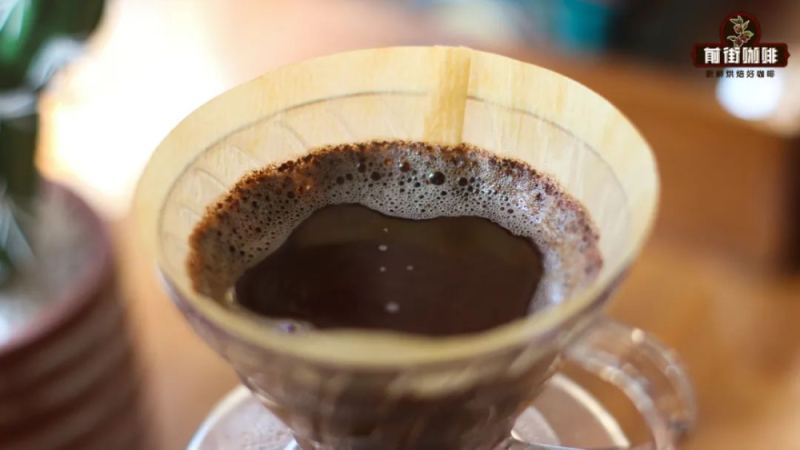
But when you actually start brewing, you'll find that even if you can precisely control the start and end times of each pour, the drainage speed in the dripper doesn't match the video. The water in the cup keeps pooling, the flow rate is slow, and in the end the whole brewing time is naturally longer than in the video. Front Street believes the typical causes of this phenomenon are mainly the following.
The first is choosing the wrong reference video. Beginners just getting into coffee often haven't yet sorted out the logic behind brewing methods, and they also lack sufficient understanding of the coffee beans themselves. You should know that beans of different roast levels and different hardnesses behave differently in the coffee bed during brewing. For example, light-roasted coffee has higher particle density and tends to sink to the bottom during brewing, making it more prone to pooling than dark-roasted coffee. Another example: beans whose degassing is almost complete (poor freshness) are also more likely to pool during brewing. So if the beans you use are different from those demonstrated in the video, the state of the coffee bed will naturally differ too. Front Street especially does not recommend obsessing over any single video. If you really want to learn from videos, first confirm what kind of beans you're brewing, then look for brewing videos for that bean, and watch several different versions to find what they have in common. Never copy them second by second.
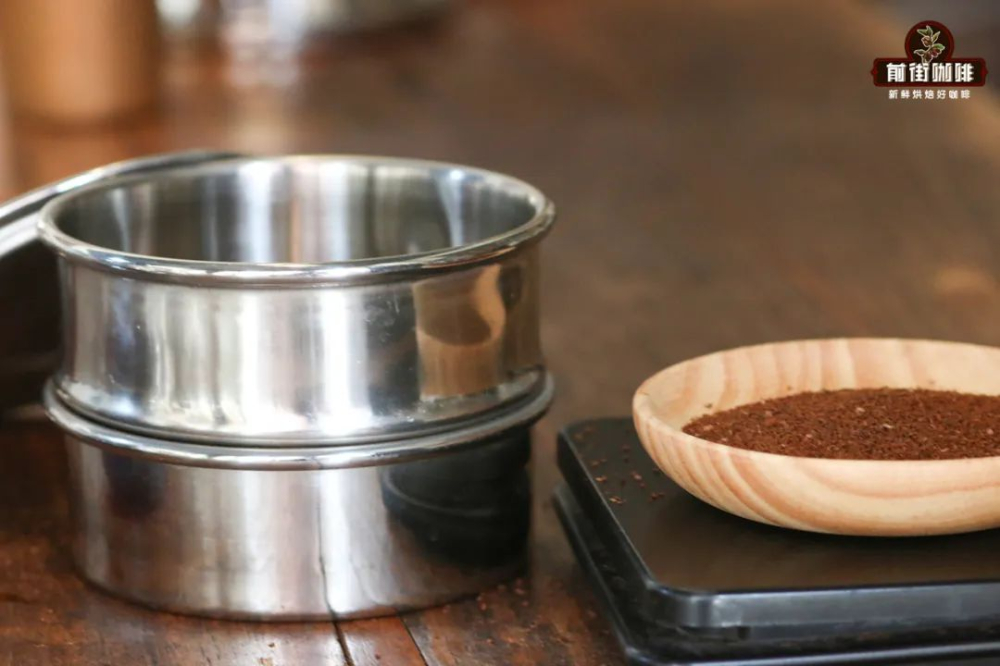
The second is the most common issue of grind size and fines. Drainage speed is directly related to how coarse or fine the coffee grounds are; if the grounds are too fine, they will block the downward flow of water. The grind size commonly used for pour-over is roughly the size of coarse granulated sugar. If sifted through a No. 20 sieve, a pass-through rate between 70% and 80% is a suitable coarseness.
But as everyone knows, coffee grounds cannot be absolutely uniform; coarser and finer particles will inevitably be mixed in. Pooling during brewing usually happens because the grinder's grinding quality is poor and produces too many very fine particles, which clog the drainage hole during brewing and prevent the water from flowing down (the flow rate is very slow).
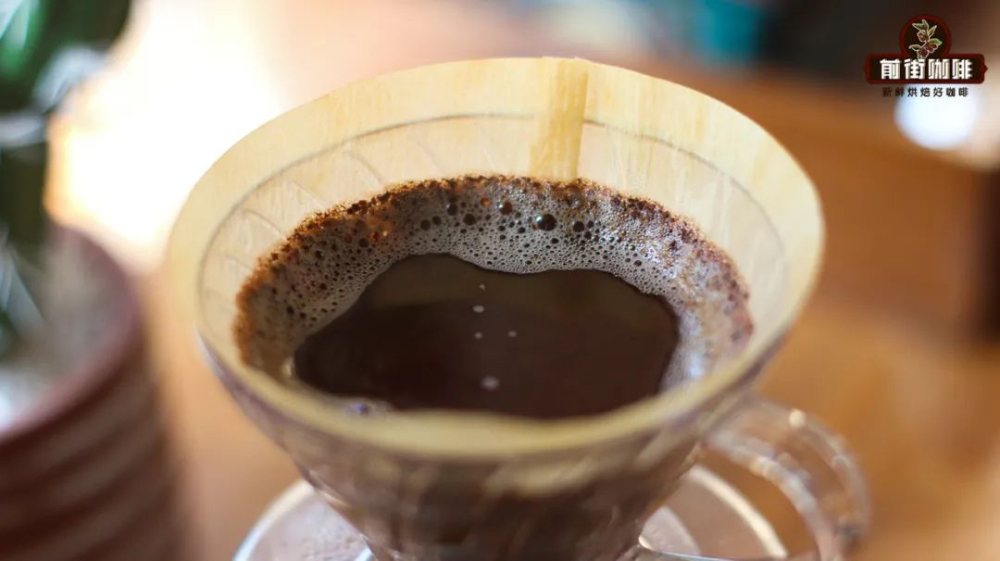
The third point is the issue of pouring method. You can first observe how the following two pouring methods differ.
The above content is compiled by CoffeeHunters, a coffee news website.


