







Search Results for: clumping

Cold Brew Coffee Extraction Rate | How to Increase Cold Brew Coffee Concentration? What Is the Brewing Ratio for Cold Brew Coffee? Cold Brew Coffee Bean Recommendations for Specialty Coffee Drinks
Before writing this article, Front Street asked several coffee professionals/enthusiasts: "Under normal circumstances, when making cold brew coffee, if you use the same water, coffee beans, amount of coffee grounds, brewing container, and brewing time, how would you increase the extraction concentration of the coffee?" I believe everyone, like the interviewees, would [more…]
Benefits of Cold Brew Coffee | What Is the Extraction Principle of Cold Brew Coffee? Which Coffee Beans Are Suitable for Cold Brew? What Is the Best Water-to-Coffee Ratio for Delicious Cold Brew?
For more specialty coffee knowledge, please follow: Front Street Coffee (Frontsteet Coffee) Cold brew coffee is also known as ice-brewed coffee. Unlike ice drip coffee, cold brew coffee needs to be fermented in the refrigerator for 8-12 hours, otherwise the coffee's body, fullness, and aroma will not be brought out. Also [more…]

Cold Brew Black Coffee Recommendations | What Is the Extraction Principle of Cold Brew Coffee? How to Increase Cold Brew Coffee Concentration? Is Dark Roast Mandheling Suitable for Cold Brew?
The happiness of summer is probably being able to stay indoors, enjoy the air conditioning, and still sip a cup of cold brew coffee that beats the heat. Because it's so easy to make, even those who don't know how to brew coffee can effortlessly whip up a smooth, rich, full-flavored, clean and refreshing iced coffee that's perfect for summer. Another [more…]
Espresso Brewing Standards | What Are the Common Espresso Extraction Problems? How to Understand Under-Extraction and Over-Extraction?
What is Espresso? Espresso, also known as "Espresso," is a coffee beverage or Italian-style coffee base originating from Italy. It is coffee that is rapidly extracted under high pressure. Traditionally, a single shot of espresso has a volume of about one ounce. The internationally accepted technical standard is as follows: around 7 grams of [more…]
Espresso Making | Why do coffee shops need to dial in espresso every day when they open? How do changes in coffee bean condition affect the taste of espresso?
Honestly, Front Street Coffee believes that in a barista's daily work, there is nothing more painful than the morning ritual—dialing in espresso. If there's anything more painful than that, it must be dialing in espresso on a rainy day. Because if you're not careful, you'll end up full of espresso, drinking it until you're sick of it. Some friends find this very hard to understand; they think [more…]
Immersion Coffee Extraction | How to Brew Cold Brew Coffee So It Tastes Good? What Is the Flavor of Cold Brew Coffee? Which Coffee Beans Are Suitable for Brewing Cold Brew Coffee?
In recent years, with the strong promotion of the specialty coffee industry in Europe and America as well as Starbucks, Cold Brew has become a popular contender in the iced coffee world. On a scorching summer day, you can not only go to a beautiful coffee shop to enjoy a cup, but also brew a batch at home yourself, which has become a stylish and relaxing new coffee choice. Cold brew coffee [more…]

Cold brew coffee extraction principles | Is cold brew coffee complicated and difficult to make? Is dark-roast Mandheling suitable for cold brew? How can coffee beginners make cold brew coffee at home?
For more specialty coffee knowledge, please follow: Front Street Coffee (Frontsteet Coffee) The happiness of summer is probably being able to stay indoors, enjoy the air conditioning, and sip a cup of cold brew coffee that beats the heat. Because the brewing method is simple, even those who don't know how to brew coffee can easily make [more…]

Espresso Crema | Why does espresso have a layer of crema? Can the crema tell you if an espresso is good or bad?
You often hear people say, "To judge whether an espresso tastes good, just look at the crema. The best espresso has a crema that is fine, thick, and golden." But can you really judge whether an espresso tastes good by the state of its crema? To find out whether this method works, Front Street only needs to give everyone two questions. [more…]
Specialty Coffee Bean Storage | How Long Can Hand-Brewed Single-Origin Beans Be Stored? Can Coffee Beans Be Stored in the Refrigerator? What Factors Affect Coffee Freshness?
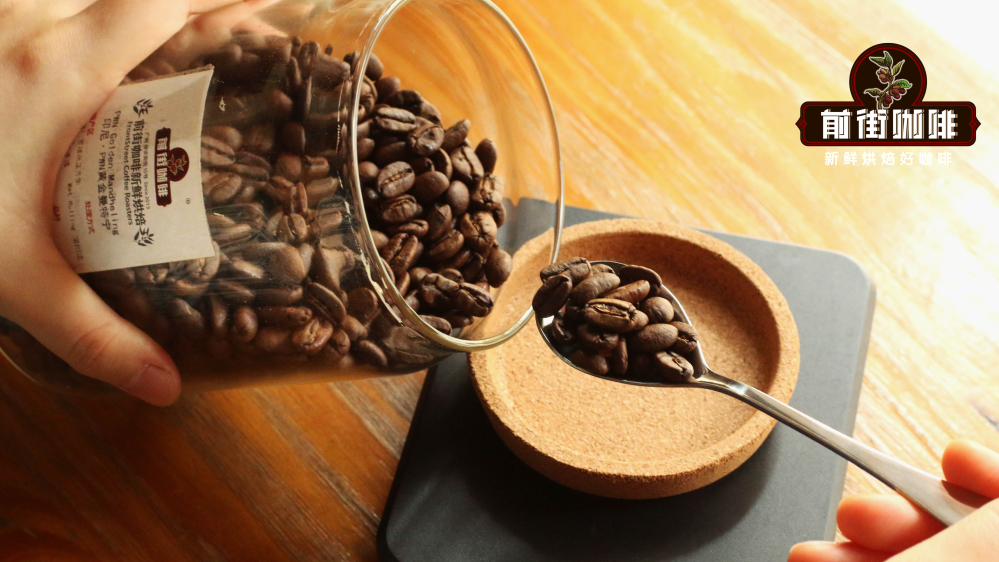
Introduction: How long do coffee beans stay fresh? What is the best way to store coffee beans? Should coffee beans be kept in the refrigerator? The freshness of coffee beans directly affects the flavor of a cup of coffee, and proper storage is a key factor influencing their freshness. Front Street Coffee would like to emphasize that there are mainly two ways to store coffee beans. [more…]
Coffee Grind Size Parameter Adjustment Tutorial | How to Judge Coffee Ground Coarseness? What Coffee Bean Grind Size Is Suitable for Pour-Over Coffee and Espresso?
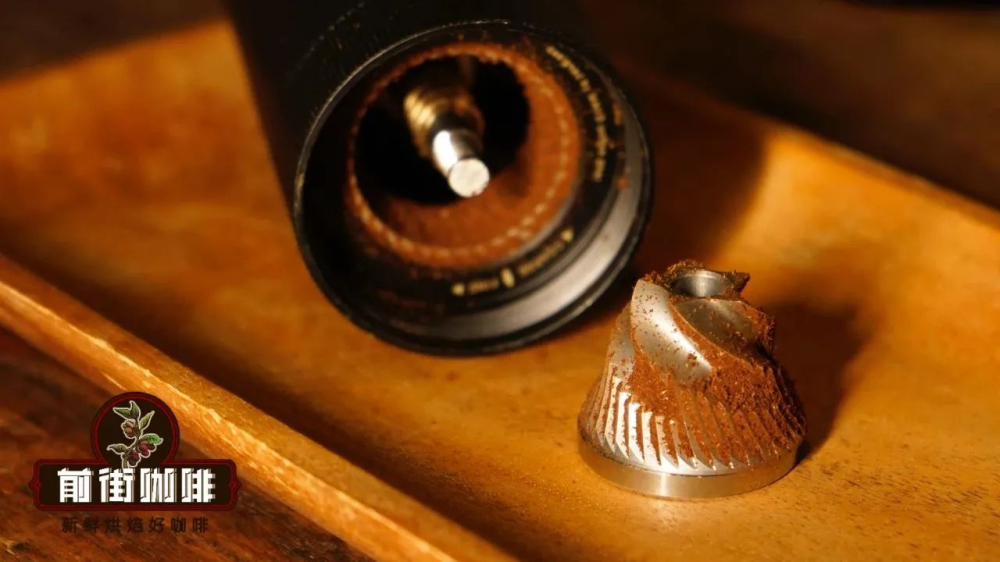
Grinding is crucial to coffee extraction—one could say that the coarseness of the coffee grind directly affects the flavor of a cup of coffee. And for different extraction methods, the coffee grind size also needs to be adjusted. The coarseness of the coffee grind directly affects the length of extraction time and the level of extraction yield. Coffee grind [more…]
Latte Recipe | Can You Add Ice to a Hot Latte? What Makes a Latte Both Bitter and Weak? How to Adjust Extraction Parameters to Make a Delicious Latte?
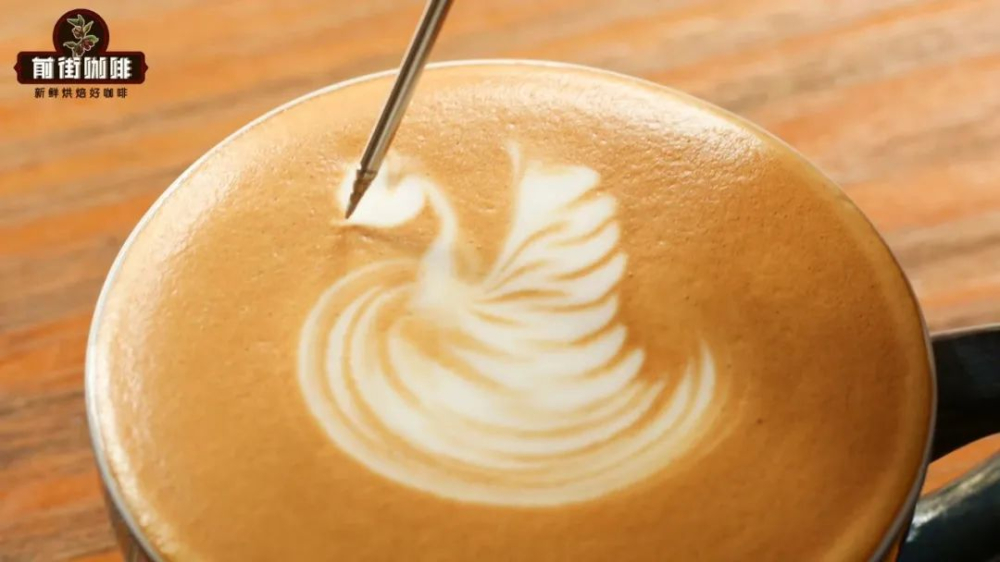
I'm not sure if everyone remembers the first time they had a latte—many people probably have long since forgotten—but Front Street Coffee still remembers it vividly. The first glimpse of the delicate latte art was immediately eye-catching; a small sip revealed the faintly sweet aroma and hint of bitterness released by the crema, and by the second sip, the earlier intense bitterness had transformed into [more…]
Illustrated Latte Art Tutorial: Key Points on Milk Foam Thickness and a Full Analysis of Milk Selection
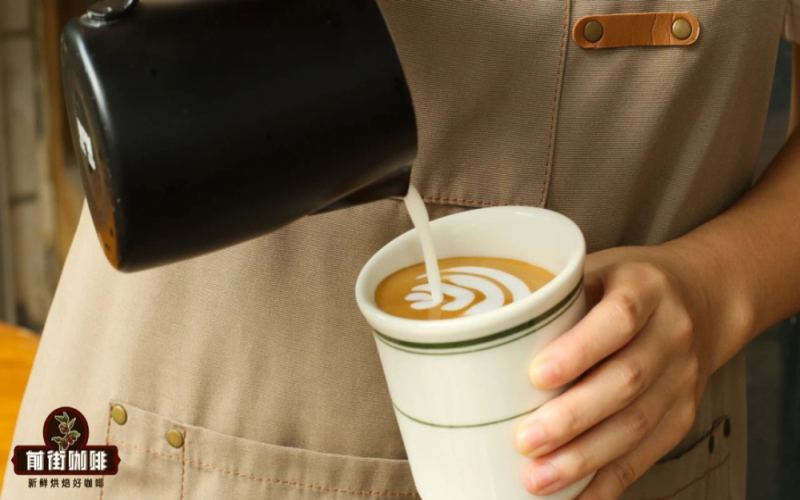
Many friends who are just getting into coffee think latte art looks simple—just pour casually and you'll get a heart or a tulip. But when they actually try it, they discover the milk always floats on the surface in clumps. In fact, the key to latte art lies in the condition of the milk foam, the pouring technique, and the way you hold the pitcher and the cup. This time, Front Street Coffee focuses on latte art, breaking down the operational details of each step—from the required foam thickness, steam wand positioning, and steaming temperature, to pouring practice and how to hold the milk pitcher—to help everyone avoid detours and pour a decent-looking pattern as quickly as possible. [more…]

Latte art tutorial | Which milk is suitable for making latte art? How exactly do you do a leaf rosetta latte art? What mistakes are easy to make in latte art?
Today Front Street Coffee is here to share a new basic latte art pattern—the "leaf"! This time, the method for this leaf pattern is almost identical to the layered heart: both are formed by swinging the milk pitcher at a steady speed to create regular, symmetrical lines. If you've already mastered the layered heart, then the leaf is as good as in the bag too. Leaf. [more…]
Espresso Machine Cleaning Guide | How Often Should an Espresso Machine Usually Be Cleaned? What Are the Steps to Clean a Semi-Automatic Espresso Machine at Home?
I believe baristas must have encountered this problem: in the morning, the espresso extraction parameters are dialed in, but by noon, the parameters are no longer accurate, and the coffee flow rate has noticeably slowed down. Front Street has previously offered explanations for two scenarios regarding this issue. The first is when it rains and the humidity in the air is relatively high, inside the bean hopper. [more…]
Moka Pot Grind Size: Pair It with the Right Roast Level
Coffee brewed in a moka pot can have bright fruity notes, or it can show the depth of cocoa and nuts. An important clue that determines the difference is the roast level of the coffee beans. Light-roasted beans have a tighter structure, and the release of flavor needs more push; dark-roasted beans are easier to extract, and if the grounds are too fine, bitterness and a burnt taste will quickly [more…]
A Complete Guide to Coffee Defects: Ten Common Types, Causes, and Identification Methods Illustrated
The content of defective beans directly affects coffee quality and grade classification. Taking Brazil as an example, the local system uses a "deduction method," grading based on the number of defective beans per 300 grams of main beans. In addition, coffee usually requires hand sorting during processing, and only by fully mastering the types and characteristics of defective beans can they be effectively removed. So exactly how many types of defective beans are there? This article will use illustrated explanations to introduce ten common defective beans one by one, including shell beans, stones, moldy beans, fermented beans, dead beans, immature beans, shell beans, insect-damaged beans, black beans, and cocoa beans, explaining their causes, appearance characteristics, and negative effects on coffee flavor, laying the foundation for subsequent learning about defective bean selection. [more…]
The Flavor Clock After Opening Dark Roast Beans
When dark-roasted coffee beans first leave the roaster, the aroma is often very pungent, and the cup tends to show sharp smoky notes, diffuse bitterness, and a sweetness that isn't cohesive enough. The reason is that after roasting, the beans are still releasing carbon dioxide, which affects the state of the coffee bed and the water flow. When buying beans, check the roast date first, then plan your drinking schedule—this matters more than just [more…]
The Flavor Peak of Espresso: Understanding Roast Dates, Degassing Cycles, and Daily Sealed Storage
Espresso extraction is extremely sensitive to the state of the carbon dioxide inside the coffee beans, and the completion of roasting does not mean the beans immediately reach the balance point for aroma release. Freshly roasted coffee beans are packed with a large amount of gas inside. If pressurized extraction is carried out right away, the water flow is easily obstructed by bubbles, leading to uneven extraction and bringing out too many off-flavors. Understanding [more…]

A Practical Guide to Using a Manual Coffee Grinder: A Full Breakdown of Burr Structure, Grind Setting Adjustment, and Daily Maintenance
Manual coffee grinders are a go-to piece of gear for many pour-over enthusiasts, serving both everyday home use and, when paired with a French press, AeroPress, or moka pot, forming a portable outdoor kit. Grinders from different brands and models vary noticeably in price and the quality of the ground coffee they produce. From the perspective of Front Street, this article systematically breaks down the core components of a manual grinder—the burr, the adjustment dial, the handle, the bean hopper, and the grounds bin—and explains how to adjust the grind setting according to your brewing method, how to turn the handle correctly, and the key points of cleaning and regular maintenance, helping you use your manual grinder more smoothly and making every cup's extraction more consistent. [more…]

Shelf Life of Roasted Coffee Beans | What Is the Best Way to Store Coffee Beans? What Factors Affect Coffee Bean Freshness? Is Freezing Coffee Beans a Viable Option?
People nowadays enjoy drinking coffee not only in coffee shops, but more often they want to buy coffee beans and brew a cup carefully at home, savoring it slowly. However, how should the coffee beans or ground coffee you buy be stored so that they don't go bad so quickly? How can you better preserve their fresh flavor? Especially when you've bought some specialty coff... [more…]