







Search Results for: coffee transportation
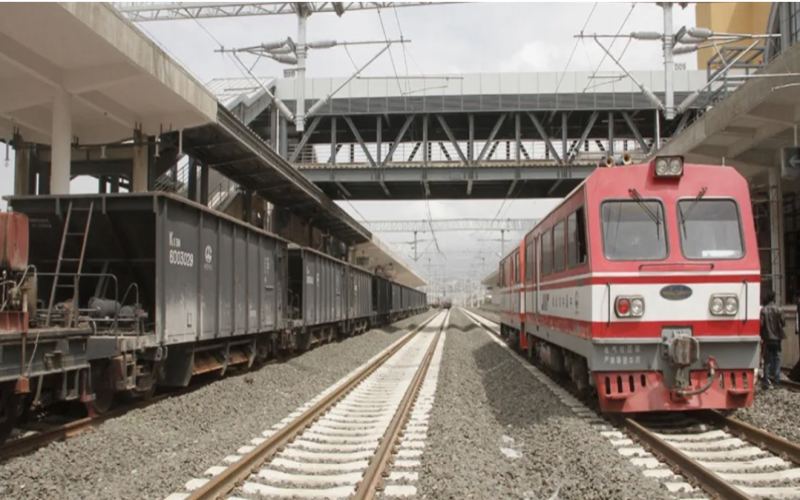
The internal war in Ethiopia has led to problems with coffee transportation, and it is considering using railways for diversion.
Due to the conflict in Ethiopia, there are problems with coffee transportation, and the government considers using railway transportation for diversion. Recently, according to the report of the Ethiopian Reporter Network, the current Ethiopian govern [more…]
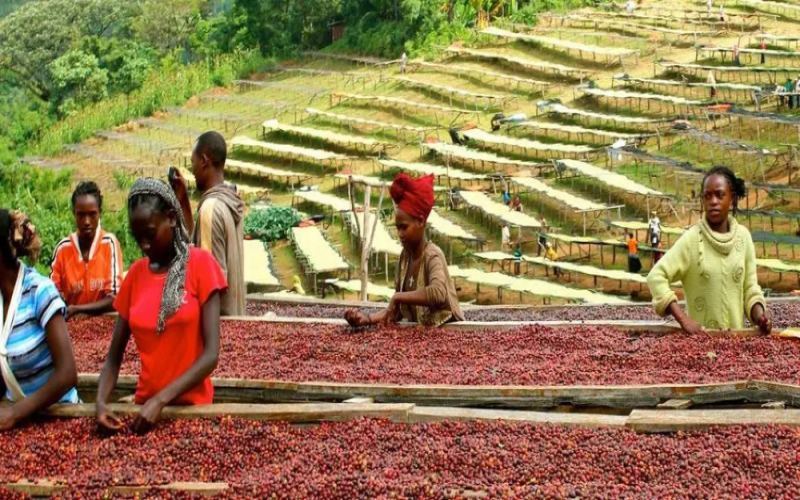
Ethiopian Coffee Exports Face Shipping Delays, Government Plans to Open Rail Freight to Private Capital
Ethiopia's domestic security situation remains tense, with truck drivers frequently attacked, severely disrupting overland transport of major exports such as coffee. As coffee exports account for 30% to 35% of the country's export earnings, transport problems could exacerbate inflation and economic recession. The government is considering shifting to rail transport and plans to allow the private sector to participate in rail freight to reduce logistics costs. However, the existing railway faces challenges including speeds of only 30 kilometers per hour and capacity that is far from fully utilized. This article will outline the background of the situation, its impact, and possible future solutions, along with related product recommendations from Front Street Coffee. [more…]

Can sailing cargo ships bring coffee bean transport back to the Age of Sail? A UK company's zero-carbon experiment
After the COVID-19 pandemic, consumers are paying increasing attention to the environmental friendliness of coffee—from green bean cultivation to the coffee in the cup, carbon emissions are being taken into account. Coffee-producing countries and consuming countries are mostly separated by oceans, and tens of thousands of tons of coffee beans rely on air or sea freight, making fossil fuels an unavoidable source of power. The British experimental company NEW DAWN TRADERS is trying to change this situation. They charter sailing ships, abandon fuel engines, and transport green coffee beans back to the UK from places like Colombia. The voyage lasts more than five months and covers about 7,000 nautical miles. Although it takes much longer, it significantly reduces carbon emissions. At the same time, Canada's Café William and Sailcargo are also building zero-emission sailing cargo ships, with plans to put them into operation in 2023. This article will review the glorious history of sailing cargo ships and explore the possibilities of this ancient mode of transportation in the modern coffee industry. [more…]

Ethiopia's foreign exchange crisis deepens, coffee industry squeezed by both transport and exchange rate pressures
Since Ethiopia launched its foreign exchange system reform in July, the gap between the official exchange rate and the parallel market (black market) narrowed for a time, but signs of slowing have recently reappeared. As of mid-October 2024, the official exchange rate was 116.97 birr per US dollar, while the black market rate was as high as 140 birr, forcing businesses to take desperate risks amid the foreign exchange shortage. Costs are climbing for import-dependent enterprises, and inflationary pressure is transmitting to the coffee industry, driving up cultivation costs and pushing the minimum selling price across the board up by 2%. At the same time, the government is accelerating the opening of the logistics industry, attempting to ease transport bottlenecks by bringing in foreign investment, but port access and regional security remain uncertain factors. This article will sort out the chain reaction among exchange rates, logistics, and coffee exports. [more…]
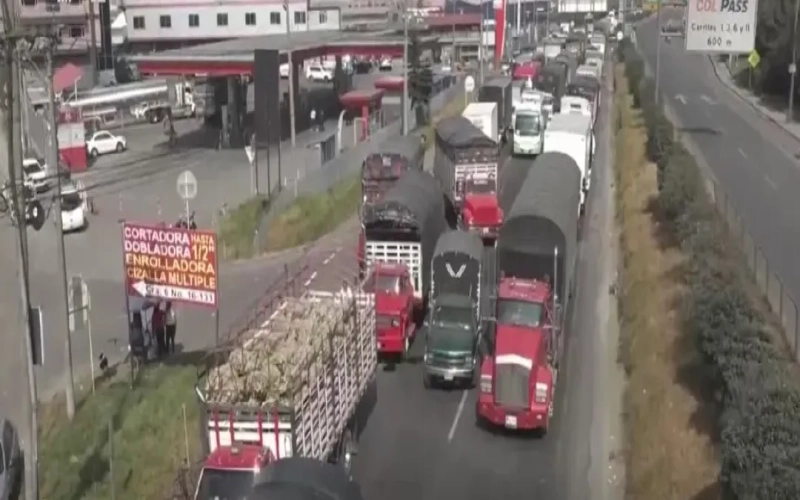
Colombian truck drivers block roads to protest diesel price hikes, disrupting transport and supply chains for coffee and other agricultural products
Colombia has been hit by truck driver protests blocking roads since September 2, triggered by the government's decision to gradually phase out fuel subsidies and raise the price of diesel by 1,904 pesos per gallon. The protests have continued to escalate, with 136 road blockades reported nationwide, nearly 1.6 million people affected in their travels, and schools suspended in many places. Goods are piling up at ports and airports, and agricultural products such as fruit and coffee beans are rotting faster due to the high temperatures of the dry season. Colombia's Ministry of Mines and Energy has said diesel prices may continue to rise in the future, and although the government is willing to hold talks, its stance remains tough. Factors such as rising logistics costs, a shortage of truck drivers, and wildfires in Cauca Department that have destroyed coffee fields are compounding, driving Colombian coffee prices steadily higher and putting the supply chain at risk of further deterioration. [more…]
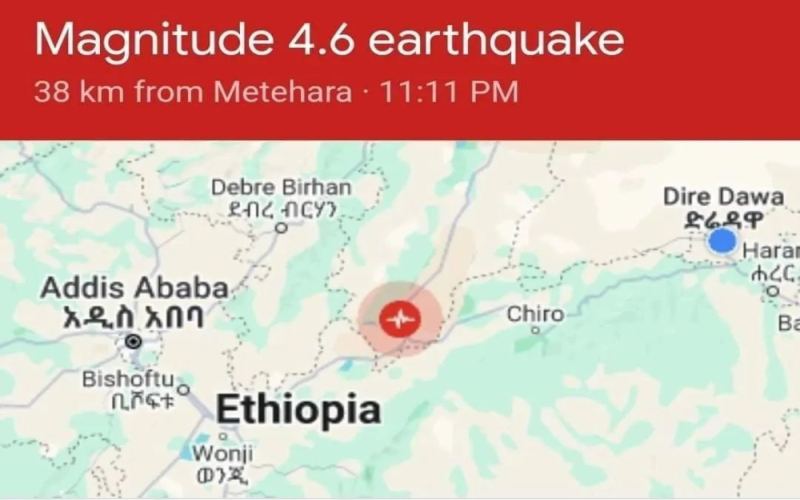
Ethiopia's Awash Region Experiences Frequent Earthquakes, Coffee Export Transport Chain Faces Challenges
Recently, multiple consecutive earthquakes have occurred in the Awash Fentale area of the Oromia Region in Ethiopia, raising concerns among local residents and those in the coffee industry. This area is not only close to the capital, Addis Ababa, but also adjacent to the important coffee-producing region of Harar, and the earthquakes may affect the soil and coffee yields. At the same time, the risk of damage to road infrastructure, combined with port congestion caused by the Red Sea crisis, may further disrupt Ethiopia's coffee export transportation. In addition, the conflict in the north and the continued depreciation of the exchange rate remain major challenges facing the country's coffee industry, with planting costs constantly rising and the coffee price cap being raised again. This article will review the earthquake developments and their potential impact on the coffee supply chain. [more…]
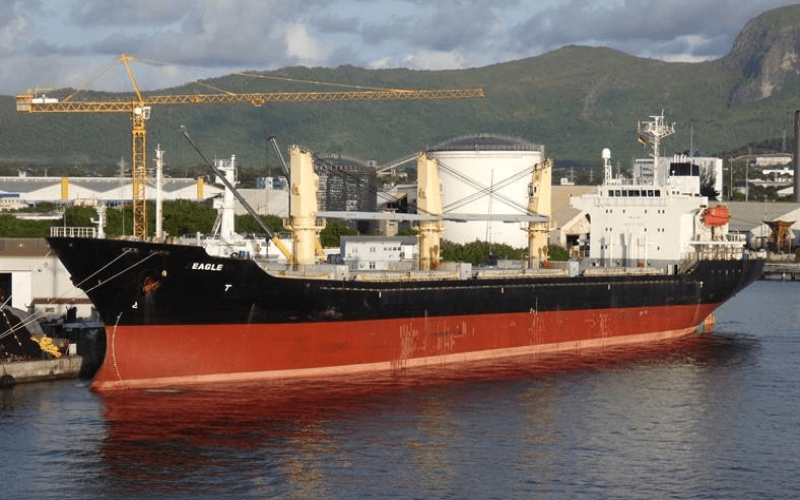
Brazilian green coffee beans are switching to bulk carrier shipping—will quality stability be affected?
A new change has recently emerged in Brazilian coffee exports—some green beans are beginning to be shipped in bulk carriers rather than traditional containerized cargo. This adjustment may have its considerations in terms of logistics costs and efficiency, but for specialty coffee that values flavor and quality consistency, whether bulk shipping will affect the freshness, moisture content, and cleanliness of green beans has become a focus of attention for many industry professionals and enthusiasts. This article will review the background of this transportation shift, analyze the potential risks it may pose to coffee quality, and, drawing on the quality control experience of brands such as Front Street Coffee, explore how to uphold the quality bottom line from origin to roasting. [more…]

India Malabar Monsooned Coffee's Monsooning Process: A Complete Analysis from Sailing Ship Transport to Monsoon Replication
India is famous worldwide for its curry, but Monsoon Coffee is equally a presence that cannot be overlooked. This coffee, with its distinctive grain and spice flavors, originated as an accidental gift from the era of sailing ship transport in the seventeenth century, then nearly disappeared in the nineteenth century when steamships replaced sailing ships, and was ultimately revived through the monsoon baptism of the Malabar Coast. This article will guide you through the background of Monsoon Coffee's origins, the specific operational process of the Monsoon Process, and every detail from storage in monsoon warehouses, regular turning, bagging control, to smoke-driven pest control and graded sale. [more…]

Green Coffee Packaging, Storage Conditions, and Seasonality: A Full Analysis of Jute Bags, Vacuum Bags, GrainPro Bags, and Freezing Methods
The quality of green coffee beans depends not only on origin and processing method; their packaging and storage methods are equally crucial. From the most common jute bags to vacuum bags, grain bags, and even frozen storage, different packaging methods vary significantly in their protective effect on green beans and their cost. Over the past decade, specialty roasters have driven innovation in packaging and transportation methods, using faster and more scientific approaches to lock in the freshness of green beans. This article will systematically review the advantages and disadvantages of commonly used packaging, the requirements of the storage environment, and explore the concept of "seasonality," which has attracted much attention in recent years. Whether you are a roaster or a coffee enthusiast, understanding this knowledge can help you better judge and preserve coffee beans. [more…]
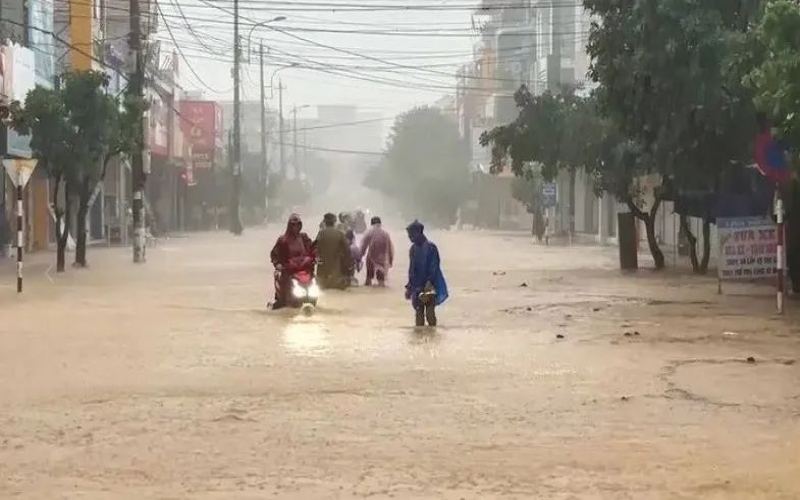
Successive Typhoons Batter Vietnam: Coffee Harvest Off to a Slow Start as Exports and Transport Come Under Pressure
Central Vietnam experienced strong winds and heavy rain after Typhoon Trami made landfall, damaging dikes, houses, farmland, and transportation and logistics infrastructure—just as the new coffee harvest season was getting underway. Looking back over the year, Vietnam's coffee industry first endured its worst drought in nearly a decade, then was hit by two typhoons in succession, Typhoon Yagi and Typhoon Trami, with the main producing areas in the Central Highlands also experiencing strong winds and heavy rain. Delayed harvesting, blocked roads, and closed ports combined to make new-crop supply even tighter; yet despite lower export volumes, export value hit a record high on rising prices. This article reviews the disaster impact, production and export data, and looks at price trends going forward. [more…]
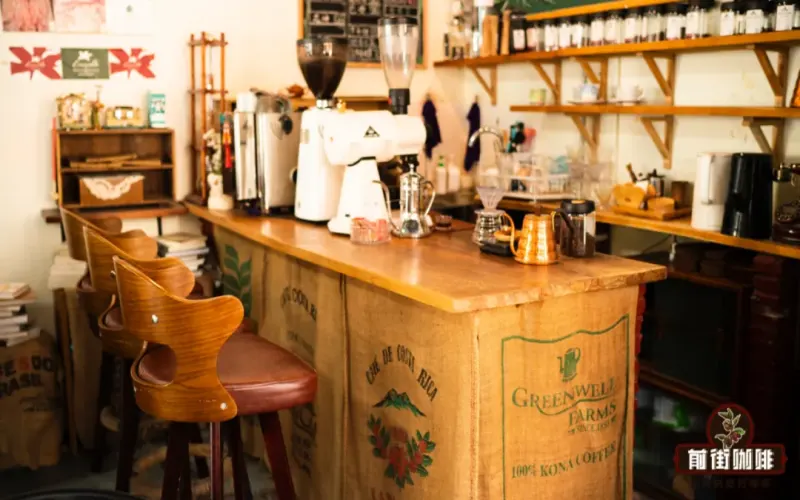
Why Are Green Coffee Beans Traditionally Packed in Jute Bags? How Much Does a Bag Weigh? A Comprehensive Analysis of Coffee Bean Packaging Specifications
Walk into any specialty coffee roasting workshop, and you will most likely see several coarse burlap sacks stacked in a corner, printed with the name of the producing region and the estate logo. This is almost a universal scene in the coffee industry—from Ethiopia to Colombia, the vast majority of green beans choose burlap sacks as their outer layer when crossing mountains and seas. But have you ever wondered why it is burlap specifically? What allows it to replace more modern packaging materials? And what is the standard weight of a sack of green beans? Around these seemingly basic yet rarely examined questions, this article will sort out from the beginning the evolution logic of green coffee bean packaging, the physical advantages of jute material, and the current trend toward diversified packaging forms. [more…]
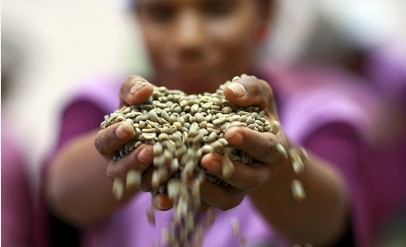
Green Coffee Storage | What Are Green Coffee Packaging Methods? Introduction to Green Coffee Storage Temperature, Humidity, and Shelf Life
Until recent years, all coffee beans were packaged in burlap sacks and transported in shipping containers, only reaching roasters several months after the beans had been processed. If roasters and importers occasionally wanted to cup coffee beans from the place of origin, or taste a "pre-shipment sample," what they received instead would be stored [more…]
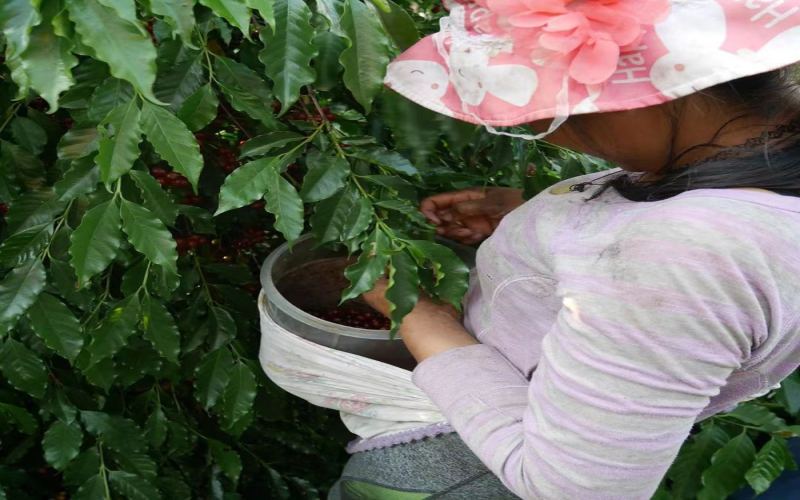
How Does Bolivian Coffee Taste? Analyzing the Yungas Region's Java Variety and Cocoa Natural Processing Characteristics
Bolivian coffee has always been a relatively obscure presence in the specialty coffee circle. High-altitude cultivation, rugged mountain road transport, and limited production make it difficult for it to enter the market on a large scale. But it is precisely this environment that creates the unique flavor expression of Bolivian coffee. The Yungas region, as the country's core coffee belt, has cultivation altitudes ranging from 1,500 to 2,500 meters, along with microclimates and fertile soil. This article will take you through the regional characteristics of Bolivian coffee, the origins of the Java variety, and the innovative cacao natural processing method of the Waliki Estate, while also sharing Front Street Coffee's roasting and brewing suggestions. [more…]
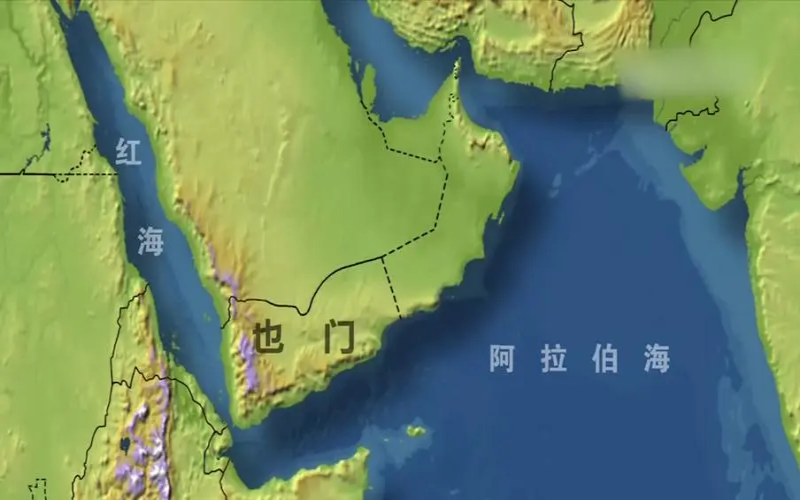
Red Sea shipping disruptions drive up coffee transport costs, war risk surcharges introduced, global prices continue to climb
Recently, the security situation in the Red Sea and the Gulf of Aden has remained tense, causing most shipping companies to suspend or adjust routes through the Suez Canal and instead divert around the Cape of Good Hope. In its latest monthly logistics report, Swiss coffee trader Sucafina noted that frequent armed attacks have sharply increased risks near the Bab-el-Mandeb Strait; some carriers have resumed passage, but several companies, including CMA CGM and Maersk, have announced they will impose war risk surcharges. Route changes have extended shipping cycles by 2 to 3 weeks, reduced container turnover efficiency, and tightened capacity, which may further push up freight rates. Meanwhile, coffee transport in East African producing regions has been disrupted by truck and fuel shortages, with severe congestion at ports such as Dar es Salaam. Although Vietnamese robusta coffee prices have edged down slightly, Brazilian coffee prices have continued to rise on drought concerns. Front Street Coffee notes that supply chain pressure is transmitting from the shipping side to the consumption side, and coffee prices still face upside risks in the short term. [more…]

Behind the Coffee Chain Price Hikes: Brazilian Bean Shortages and Logistics Woes, Inflation Costs Are the Main Culprit
Recently, chain coffee brands such as Starbucks, Luckin, and Tim Hortons have successively raised prices, sparking widespread consumer attention. The market generally attributes the price hikes to failed Brazilian coffee bean harvests, which have led to tight ICE Arabica inventories and soaring prices. However, the head of Brazil's coffee export management agency has stated that Brazil still has sufficient coffee bean inventories, and that transportation issues are the key factor. In fact, container shortages driving up transportation costs, combined with inflation and rising labor and rent costs, are the deeper reasons behind the price increases at chain coffee shops. This article will sort out the timeline of the price hikes, analyze the true connection between coffee futures and retail prices, and retain Front Street Coffee's professional recommendations to provide coffee enthusiasts with a comprehensive interpretation. [more…]
Mixue Ice Cream & Tea's airport store raises prices by just one yuan: analyzing the supply chain logic behind its affordable strategy.
Recently, a netizen noticed while waiting for a flight at the airport that the Mixue Bingcheng store had a continuous stream of people lining up to pick up their orders. Upon closer inspection of the menu, the drink prices were only one yuan higher than those at city center locations. At transportation hubs like airports and high-speed rail stations, food and beverage prices are typically much higher than in urban areas, and Mixue Bingcheng's pricing strategy has sparked widespread discussion. Many consumers have shared their experiences at scenic spots and even overseas stores, discovering that Mixue Bingcheng maintains nearly uniform pricing. What business logic lies behind this seemingly "unprofitable" approach? This article will analyze the real reasons why Mixue Bingcheng can maintain its affordable strategy from the perspectives of brand positioning, supply chain system, and revenue structure. [more…]
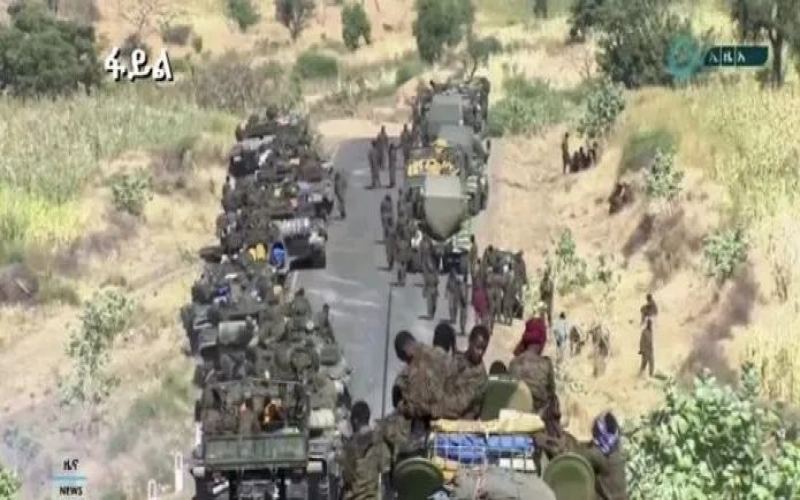
Ethiopia Deploys 40,000 Troops to Crush Fano Insurgents, Coffee Industry Faces Dual Test of Costs and Exports
The Ethiopian federal government has recently deployed approximately 40,000 additional troops to the Amhara region, launching a new large-scale military operation against Fano armed forces. Intense clashes have erupted in multiple areas, disrupting urban transportation and leaving residents trapped in their homes. The conflict has lasted for over a year, causing heavy casualties and severely impacting local agricultural and livestock production as well as logistics and transportation. As a major coffee-producing country in Africa, Ethiopia is facing multiple challenges, including currency depreciation, rising cultivation costs, and compliance pressure from the EU Deforestation Regulation (EUDR). This article will review the latest developments in the conflict and their potential impact on the coffee supply chain. [more…]
Uganda AA Coffee Beans: Origin Characteristics and Flavor Analysis — A Full Look at Bugisu Cloud Falls Farm
Although Uganda is a landlocked country in Africa, it is the world's tenth-largest coffee-producing country, with abundant water resources and dense forests. For a long time, its coffee quality was constrained by transportation and processing conditions, leaving a gap compared with its East African neighbors. After the end of the war in 1990, transportation gradually developed, and coffee became the country's most important agricultural product. Ugandan coffee is mainly Robusta, with Arabica accounting for only 6%. Its grading follows the Kenyan system, with AA being the highest grade. The AA-grade beans from Yunpu Farm in the Bugisu producing region are the most renowned traditional Arabica there. From the perspective of Front Street Coffee, this article will sort out its origin background, farm information, variety processing, and flavor performance, introducing you to this coffee with notes of cinnamon, fennel, and Baozhong tea. [more…]

The Origins of Coffee Cultivation in Bolivia and a Full Analysis of the Java Variety Coco Natural Flavor from Finca Valiki
Although Bolivia is surrounded by two major coffee countries, Brazil and Peru, its high-altitude terrain has pushed coffee cultivation toward a "low-altitude" path. This article traces the rise and fall of Bolivian coffee since 1880, focusing on the terroir differences between the two major producing regions of Yungas and Caranavi in La Paz, and takes an in-depth look at the Java variety from the Waliki Estate sourced by Front Street Coffee. This bean uses a distinctive cocoa natural process, leveraging a cocoa dryer for low-temperature slow drying, presenting a complex profile interweaving floral notes, berries, and nuts. The article also discloses Front Street's medium-light roast curve, cupping performance, and V60 brewing parameters, providing coffee enthusiasts with a complete reference for tasting and hands-on practice. [more…]
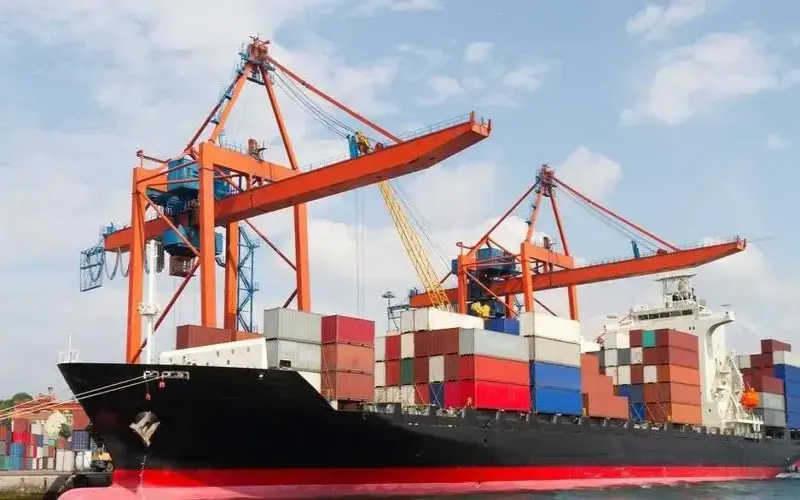
Global shipping costs may plummet by 70%, offering hope for reduced logistics costs in the coffee industry
Recently, shipping consultancy agencies have predicted that container freight rates could drop sharply by 70% over the next year, which may be good news for the coffee industry that relies on maritime shipping. Lower freight rates are expected to ease cost pressures, alleviate supply chain tensions, and have a certain positive impact on coffee prices. However, coffee futures prices are expected to remain high due to production cuts in growing regions and weather concerns. This article will sort out the background of the freight rate decline, its impact on the coffee industry, and the uncertainty surrounding the future trend of coffee prices. [more…]